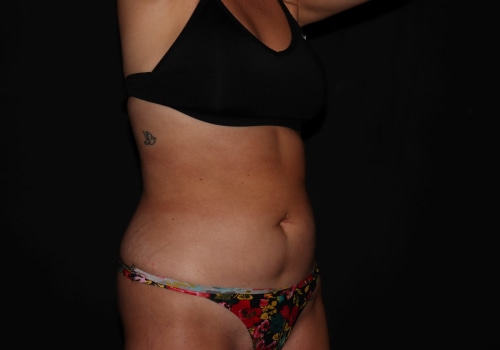
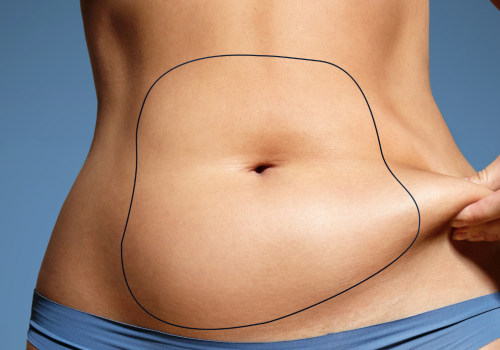
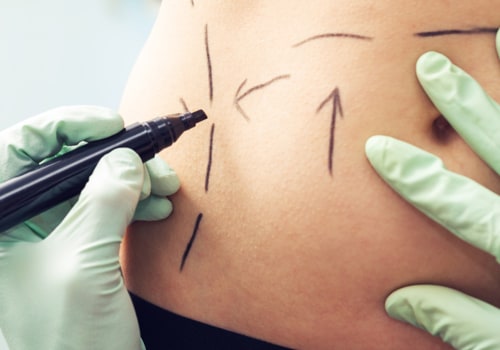
Liposuction is a widely sought-after cosmetic procedure designed to remove stubborn fat deposits from various areas of the body, helping individuals achieve a more sculpted and contoured appearance. This surgical technique is particularly appealing to those who struggle with localized fat that does not respond to diet and exercise. By targeting specific regions such as the abdomen, thighs, hips, and arms, liposuction can enhance body proportions and boost self-confidence.The Liposuction is a widely sought-after cosmetic procedure designed to remove stubborn fat deposits from various areas of the body, helping individuals achieve a more sculpted and contoured appearance. This surgical technique is particularly appealing to those who struggle with localized fat that does not respond to diet and exercise. By targeting specific regions such as the abdomen, thighs, hips, and arms, liposuction can enhance body proportions and boost self-confidence.The liposuction procedure typically begins with a consultation where the surgeon evaluates the patient’s health, discusses their aesthetic goals, and determines the most suitable approach. During the surgery, a local or general anaesthetic is administered, depending on the extent of the procedure.
The surgeon then makes small incisions in the skin and inserts a thin tube called a cannula. This cannula is used to suction out excess fat from beneath the skin. The process not only removes fat but also reshapes the underlying contours, resulting in a smoother appearance.Understanding how The surgeon then makes small incisions in the skin and inserts a thin tube called a cannula. This cannula is used to suction out excess fat from beneath the skin. The process not only removes fat but also reshapes the underlying contours, resulting in a smoother appearance.Understanding how liposuction works is crucial for anyone considering this procedure. It is essential to note that liposuction is not a weight-loss solution but rather a body contouring method.
Ideal candidates are those who are close to their target weight but have specific areas of fat that are resistant to traditional weight loss methods. The results can be long-lasting if patients maintain a healthy lifestyle post-surgery, making it an attractive option for those looking to enhance their physical appearance.
The Benefits of Liposuction
Liposuction offers a range of benefits that can significantly enhance an individual’s quality of life. One of the primary advantages is the ability to achieve a more contoured body shape. This procedure effectively targets stubborn fat deposits that are often resistant to diet and exercise, allowing for a more sculpted appearance in areas such as the abdomen, thighs, and arms.Another notable benefit of liposuction is the boost in self-esteem that many patients experience post-procedure.When individuals see their bodies transformed, it can lead to increased confidence and a more positive self-image. This psychological uplift can have far-reaching effects, influencing personal relationships and professional opportunities.Moreover, liposuction typically involves a relatively quick recovery time. Most patients can return to their daily activities within a week, making it an appealing option for those with busy lifestyles. While some swelling and bruising are expected, these symptoms usually subside within a few weeks, revealing the final results sooner than many other surgical options.Additionally, liposuction can be tailored to meet individual needs.
Surgeons can adjust the technique based on the specific areas of concern and the amount of fat to be removed, ensuring that each patient receives personalised care. This flexibility allows for optimal results that align with the patient’s aesthetic goals.Furthermore, liposuction can also improve physical health by removing excess fat that may contribute to various health issues. For some individuals, achieving a healthier body weight through liposuction can lead to better metabolic function and reduced risk of conditions such as diabetes and heart disease.In summary, the advantages of liposuction extend beyond mere aesthetics. From enhanced body contouring and improved self-esteem to quick recovery times and potential health benefits, this procedure offers a comprehensive solution for those looking to reshape their bodies and boost their confidence.
Potential Risks and Downsides of Liposuction
While liposuction is often celebrated for its ability to sculpt the body and enhance self-esteem, it is crucial to acknowledge the potential risks and downsides associated with the procedure.Understanding these factors can empower individuals to make informed decisions about their body and health.One of the most significant concerns surrounding liposuction is the risk of scarring. Although surgeons strive to make incisions in discreet locations, some patients may experience noticeable scars post-surgery. The extent of scarring can vary based on individual healing processes, skin type, and the surgeon's technique. It is essential to discuss these possibilities with your surgeon during the consultation phase.
Uneven results
are another potential downside of liposuction.
If too much fat is removed from one area compared to another, it can lead to an irregular or lumpy appearance. This unevenness may be exacerbated by factors such as skin elasticity and the natural contours of the body. Patients with less elastic skin may find it more challenging to achieve a smooth, toned look after surgery.Moreover, there are serious If too much fat is removed from one area compared to another, it can lead to an irregular or lumpy appearance. This unevenness may be exacerbated by factors such as skin elasticity and the natural contours of the body. Patients with less elastic skin may find it more challenging to achieve a smooth, toned look after surgery.Moreover, there are serious health complications that can arise from liposuction. These include:
- Infections: As with any surgical procedure, there is a risk of infection at the incision sites.
Proper aftercare and adherence to post-operative instructions are vital in minimising this risk.
- Blood clots: The formation of blood clots in deep veins can occur, which may lead to more severe complications if they travel to the lungs or heart.
- Numbness or changes in sensation: Some patients report temporary or permanent changes in sensation around the treated areas due to nerve damage during surgery.
- Fluid accumulation: Seromas, or pockets of fluid, can develop under the skin after surgery, requiring additional treatment.
Who is an Ideal Candidate for Liposuction?
Determining whether liposuction is the right choice for you involves understanding the characteristics that define an ideal candidate. While liposuction can be a transformative procedure, it is not suitable for everyone.Here are some key factors to consider when assessing your eligibility:
- Stable Weight: Ideal candidates are typically within 30% of their target weight. Liposuction is not a weight-loss solution but rather a body contouring procedure. Those who are close to their ideal weight and have specific areas of stubborn fat are more likely to achieve satisfactory results.
- Good Skin Elasticity: Candidates should have good skin elasticity, as this affects how well the skin will conform to the new body contours after fat removal. Individuals with loose or sagging skin may not achieve the desired results, as the skin may not tighten adequately.
- Realistic Expectations: It is crucial for candidates to have realistic expectations about the outcomes of liposuction.
Understanding that this procedure can enhance body shape but not necessarily lead to perfection is vital for satisfaction post-surgery.
- Overall Health: Candidates should be in good overall health, free from conditions that could complicate surgery or recovery, such as heart disease or diabetes. A thorough medical evaluation by a qualified surgeon will help determine if you are fit for the procedure.
- Non-Smoker: Smoking can impede healing and increase the risk of complications. Non-smokers or those willing to quit smoking prior to surgery are generally better candidates.
- Mature Age: While there is no strict age limit, individuals in their late 20s to early 50s often experience better results due to skin elasticity and overall health considerations.
This holistic approach will ensure that you not only achieve your desired results but also sustain them in the long run.
Liposuction Techniques: What You Should Know
Liposuction has evolved significantly over the years, with various techniques developed to enhance safety, effectiveness, and patient satisfaction. Understanding these different liposuction techniques is crucial for anyone considering the procedure, as each method has its own advantages and potential drawbacks.Tumescent Liposuction
Tumescent liposuction is one of the most commonly performed techniques today. This method involves the injection of a large volume of a saline solution mixed with local anaesthetic and epinephrine into the targeted fat areas before the actual suctioning process begins. The solution causes the fat cells to swell and become firm, making them easier to remove.- Benefits: The use of local anaesthesia reduces the risks associated with general anaesthesia, and the epinephrine helps to minimise bleeding and bruising.
- Recovery: Patients typically experience less pain and swelling compared to traditional methods, leading to a quicker recovery time.
Ultrasound-Assisted Liposuction (UAL)
Ultrasound-assisted liposuction employs sound waves to liquefy fat cells before they are removed.This technique can be particularly effective for fibrous areas of the body, such as the back or male breast tissue.
- Benefits: UAL can facilitate the removal of larger volumes of fat in a single session and may result in less trauma to surrounding tissues.
- Considerations: While UAL can be beneficial, it may also lead to increased swelling and longer recovery times compared to tumescent liposuction.
Other Techniques
In addition to tumescent and ultrasound-assisted methods, there are other liposuction techniques worth mentioning:- Suction-Assisted Liposuction (SAL): This traditional method uses a vacuum device to remove fat directly from the body. It is effective but may result in more bruising and swelling.
- Power-Assisted Liposuction (PAL): This technique utilises a mechanised device that helps break up fat cells before suctioning them out, potentially reducing recovery time.
- Laser-Assisted Liposuction (LAL): In this method, laser energy is used to liquefy fat cells, which are then removed through suction. It can promote skin tightening but may also lead to longer recovery periods.
Understanding the nuances of each technique will empower you to make an informed decision about your body contouring journey.
Recovery Process After Liposuction
Understanding the recovery process after liposuction is crucial for anyone considering this procedure. While many patients are eager to see their new contours, it’s essential to recognise that recovery takes time and care.Typically, the initial recovery period lasts about one to two weeks. During this time, patients may experience swelling, bruising, and discomfort in the treated areas. These symptoms are normal and should gradually improve as the body heals.However, it’s important to follow specific guidelines to ensure a smooth recovery.
Post-Liposuction Care
After your liposuction procedure, your surgeon will provide detailed instructions tailored to your individual needs. Here are some general care tips:- Rest: Allow your body ample time to recover. Avoid strenuous activities and heavy lifting for at least two weeks.
- Compression Garments: Wearing a compression garment as advised helps reduce swelling and supports the healing process. Ensure you wear it for the recommended duration.
- Hydration: Staying well-hydrated aids in recovery.
Drink plenty of water and avoid alcohol for at least a week post-surgery.
- Medication: Take prescribed pain medications as directed. Over-the-counter pain relievers may also be recommended to manage discomfort.
- Follow-Up Appointments: Attend all scheduled follow-up visits with your surgeon to monitor your healing progress.
What to Expect After Liposuction
In the days following the procedure, you may notice:- Swelling and Bruising: These are common and can take several weeks to subside. The final results may not be visible until the swelling fully diminishes.
- Soreness: Mild soreness is expected, but if you experience severe pain or unusual symptoms, contact your surgeon immediately.
- Activity Level: Most patients can return to light activities within a week, but more vigorous exercise should be avoided for at least four to six weeks.
Cost Considerations for Liposuction
When considering liposuction, understanding the financial implications is crucial for effective budgeting and planning.The cost of liposuction can vary significantly based on several factors, making it essential to gather comprehensive information before proceeding.On average, the cost of liposuction in the UK ranges from £2,000 to £7,000. However, this price can fluctuate based on various elements:
- Geographic Location: The cost of living in different regions can impact the price of liposuction. Major cities like London may have higher fees compared to smaller towns.
- Surgeon’s Experience: A board-certified plastic surgeon with extensive experience may charge more for their services. Their expertise often correlates with better outcomes and reduced risks.
- Type of Liposuction Technique: There are various techniques available, such as tumescent liposuction, ultrasound-assisted liposuction, and laser-assisted liposuction.
Each method has its own cost structure based on the technology and expertise required.
- Treatment Area:Treatment Area: The size and number of areas being treated will also affect the overall cost. Treating larger areas or multiple sites typically incurs higher fees.
- Anesthesia and Facility Fees: Costs associated with anesthesia and the surgical facility can add to the total expense. Ensure you inquire about these additional charges when discussing pricing with your surgeon.
It’s advisable to check with your insurance provider to understand your coverage options and any potential out-of-pocket expenses.In conclusion, while the financial commitment for liposuction can be significant, understanding the various factors that influence pricing can help you make an informed decision. Always consult with a qualified surgeon to obtain a detailed quote that includes all potential costs associated with your specific case.
Frequently Asked Questions About Liposuction
When considering liposuction, many individuals have questions and concerns that need addressing. Below are some of the most frequently asked questions about this cosmetic procedure, along with clear and informative answers.What is liposuction?
Liposuction is a surgical procedure designed to remove excess fat from specific areas of the body, such as the abdomen, thighs, buttocks, arms, and neck. It is not a weight-loss solution but rather a method to contour and shape the body.Who is a good candidate for liposuction?
Ideal candidates for liposuction are those who are at or near their target weight but struggle with stubborn fat deposits that do not respond to diet and exercise.Candidates should also be in good overall health, have realistic expectations, and possess good skin elasticity.
What are the risks associated with liposuction?
As with any surgical procedure, there are risks involved. Potential complications include:- Infection
- Blood clots
- Uneven contours
- Numbness or changes in skin sensation
- Scarring
How long does recovery take?
The recovery period after liposuction varies by individual and the extent of the procedure. Most patients can return to normal activities within a week, although some swelling and bruising may persist for several weeks. Full results can take several months to become apparent as swelling subsides.Will I have visible scars after liposuction?
Liposuction incisions are typically small and strategically placed in less visible areas.While some scarring is inevitable, skilled surgeons aim to minimise this by using advanced techniques. Over time, scars often fade significantly.
Can liposuction help with cellulite?
Liposuction is not specifically designed to treat cellulite. While it can remove fat deposits that may contribute to the appearance of cellulite, it does not address the underlying structural issues that cause it. For those concerned about cellulite, other treatments may be more effective.If you have further questions or concerns about liposuction, it’s advisable to consult with a qualified plastic surgeon who can provide personalised information based on your needs and goals.Conclusion: Making an Informed Decision About Liposuction
In conclusion, the decision to undergo liposuction is a significant one that requires careful consideration of both its advantages and disadvantages.As we have explored throughout this article, liposuction can offer remarkable benefits, such as the ability to sculpt and contour the body by removing stubborn fat deposits that are resistant to diet and exercise. This can lead to enhanced self-esteem and body image for many individuals.However, it is equally important to acknowledge the potential risks and complications associated with the procedure. From uneven results and scarring to more serious concerns like blood clots and infections, understanding these factors is crucial in making an informed choice. Patients must also consider their overall health, skin elasticity, and realistic expectations regarding the outcomes of liposuction.Before proceeding with liposuction, it is advisable to:
- Consult a qualified surgeon: Ensure that your surgeon is board-certified and has extensive experience in performing liposuction.
A thorough consultation will help you understand what to expect and address any concerns you may have.
- Evaluate your motivations: Reflect on why you want liposuction. It should not be viewed as a weight-loss solution but rather as a means to enhance body contours.
- Discuss your medical history: Be open about your health conditions, medications, and any previous surgeries. This information will help your surgeon assess your suitability for the procedure.
- Consider alternative options: Explore other non-surgical or less invasive treatments that may achieve similar results without the risks associated with surgery.
By doing so, you can approach your decision with confidence, ensuring that it aligns with your personal goals and health needs.