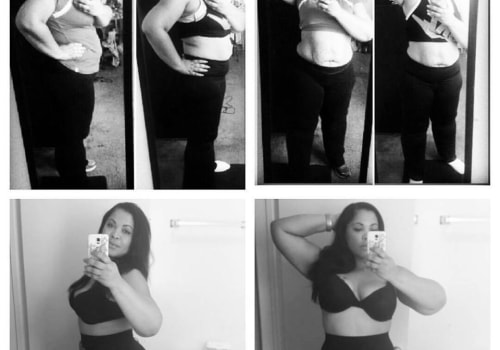
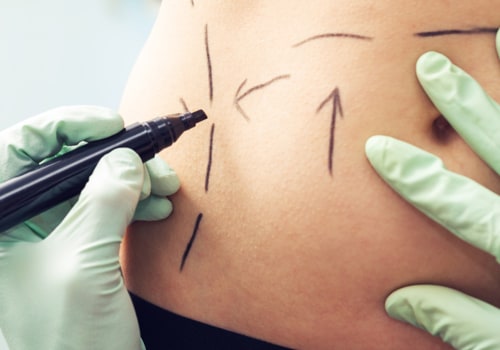
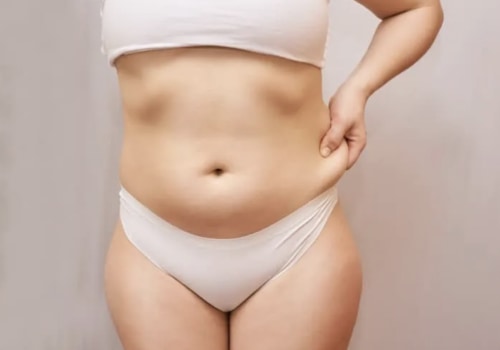
Liposuction is a widely recognised cosmetic surgery procedure designed to remove stubborn fat deposits from various areas of the body. This surgical technique is particularly beneficial for individuals who struggle to achieve their desired body shape despite maintaining a healthy diet and regular exercise. By targeting specific regions where fat tends to accumulate, such as the abdomen, thighs, buttocks, and arms, liposuction offers a solution for those looking to enhance their body contours and boost their self-confidence.The primary aim of liposuction is not merely weight loss but rather body sculpting. It allows for the precise removal of fat cells, leading to a more aesthetically pleasing silhouette.
This distinction is crucial; while some patients may experience a reduction in overall weight, the focus of liposuction is on reshaping the body rather than achieving significant weight loss. As such, it is essential for potential candidates to have realistic expectations regarding the outcomes of the procedure.In recent years, advancements in liposuction techniques have made the procedure safer and more effective. Methods such as Vaser liposuction utilise ultrasound technology to liquefy fat before extraction, allowing for a more efficient removal process with less trauma to surrounding tissues. This innovation not only enhances recovery times but also improves the overall results, making it an appealing option for many seeking cosmetic enhancement.As we delve deeper into the topic of liposuction, it is vital to understand the safe limits of fat removal during this procedure.
Knowing how much weight can be effectively and safely removed will help individuals make informed decisions about their cosmetic surgery options and set realistic goals for their post-operative results.
What is Liposuction?
Liposuction
is a popular cosmetic surgical procedure designed to remove excess fat from specific areas of the body. It is particularly effective for individuals who struggle with stubborn fat deposits that are resistant to diet and exercise. While it is often perceived as a weight-loss solution, it is essential to understand that liposuction primarily focuses on body contouring rather than significant weight reduction.The liposuction procedure involves the use of a thin tube called a cannula, which is inserted through small incisions in the skin. This cannula is connected to a vacuum device that gently suctions out the unwanted fat.
The procedure can be performed under local or general anaesthesia, depending on the extent of fat removal and the areas being treated.There are several techniques available for liposuction, each with its unique approach:
- Tumescent Liposuction: This is the most common technique, where a solution containing saline, anaesthetic, and epinephrine is injected into the targeted area. This solution helps to numb the area and constrict blood vessels, reducing bleeding and swelling during the procedure.
- Ultrasound-Assisted Liposuction (UAL): This method uses ultrasound energy to liquefy fat cells before they are suctioned out. This technique can be particularly effective for fibrous areas of the body, such as the back or male breast tissue.
- Laser-Assisted Liposuction (LAL): Similar to UAL, this technique employs laser energy to melt fat cells, making them easier to remove. It also promotes skin tightening due to the heat generated by the laser.
- Vaser Liposuction: A more advanced form of ultrasound-assisted liposuction, Vaser uses high-frequency sound waves to break down fat while preserving surrounding tissues.
This technique allows for more precise sculpting and less downtime.
Safe Limits for Fat Removal in Liposuction
When considering liposuction, understanding the safe limits for fat removal is crucial for both the patient and the surgeon.The primary goal of liposuction is to enhance body contours by removing stubborn fat deposits, but it is essential to adhere to established safety guidelines to minimise risks and complications.Typically, the maximum amount of fat that can be safely removed during a single liposuction procedure ranges from six to eight pounds , which is approximately three to four litres. Exceeding this limit can significantly increase the risk of adverse effects, including complications such as fluid imbalance, infection, and prolonged recovery times.Surgeons often evaluate several factors when determining the appropriate volume of fat to remove:
- Patient's overall health: A thorough medical evaluation is necessary to ensure that the patient is fit for surgery and can tolerate the procedure.
- Body mass index (BMI): Patients with a higher BMI may have more fat to remove, but surgeons must still adhere to safety limits.
- Treatment area: The specific areas being treated can influence how much fat can be safely extracted. For instance, larger areas may allow for more fat removal compared to smaller, more delicate regions.
- Technique used: Different liposuction techniques, such as Vaser liposuction or tumescent liposuction, may affect the volume of fat that can be safely removed. Vaser liposuction, for example, uses ultrasound technology to liquefy fat, potentially allowing for a greater volume of extraction.
Patients should maintain realistic expectations regarding the outcomes of the procedure. After undergoing liposuction, if a patient gains weight, it is likely that fat will accumulate in untreated areas rather than in the areas where fat was removed. This redistribution can sometimes lead to an uneven appearance if not managed with a healthy lifestyle post-surgery.In conclusion, adhering to safe limits for fat removal during liposuction is paramount for achieving optimal results while minimising risks. Patients should engage in open discussions with their surgeons about their goals and concerns to ensure a safe and effective procedure.
Factors Influencing Fat Removal Amount
When considering liposuction, it is essential to understand that the amount of fat that can be safely removed varies significantly based on several individual factors.These factors not only influence the volume of fat that can be extracted but also affect the overall results of the procedure.
Body Type
Your body type plays a crucial role in determining how much fat can be removed during liposuction. Individuals with different body compositions may experience varying outcomes:- Apple-shaped bodies: Typically carry more weight around the abdomen, which may allow for more fat removal from this area.
- Pear-shaped bodies: Often have more fat stored in the hips and thighs, which can lead to significant fat removal from these regions.
- Rectangular bodies: May have a more uniform distribution of fat, potentially limiting the amount that can be removed from specific areas.
Health Status
The overall health of a patient is another critical factor influencing liposuction results. Factors such as:- Pre-existing medical conditions: Conditions like diabetes or cardiovascular issues can complicate the procedure and limit fat removal.
- Body Mass Index (BMI): Patients with a higher BMI may not be ideal candidates for extensive fat removal, as safety guidelines often recommend a maximum limit based on BMI.
- Skin elasticity: The condition of your skin can affect how well it retracts after fat removal. Patients with good skin elasticity may achieve better contouring results.
Treated Areas
The specific areas targeted during liposuction also dictate how much fat can be safely extracted.Common treatment areas include:
- Abdomen: Often allows for larger volumes of fat removal due to the amount of fat typically stored here.
- Thighs and hips: These areas may have varying amounts of fat, affecting how much can be removed without compromising safety.
- Arms and neck: Generally, these areas have less fat, which may limit the volume that can be extracted.
Liposuction Techniques and Their Impact on Fat Removal
Liposuction has evolved significantly over the years, with various techniques developed to enhance the safety and effectiveness of fat removal. Each method offers unique advantages and can influence the volume of fat that can be safely extracted during the procedure.Tumescent Liposuction
Tumescent liposuction is one of the most commonly used techniques today. This method involves injecting a solution containing saline, lidocaine, and epinephrine into the targeted fat areas before the actual suctioning process begins.The saline solution helps to swell and firm the fat, making it easier to remove. The lidocaine provides local anaesthesia, reducing discomfort during the procedure, while epinephrine constricts blood vessels, minimizing bleeding and bruising.Due to these benefits, tumescent liposuction allows for a larger volume of fat to be removed safely—typically between 2 to 5 kilograms (approximately 4 to 11 pounds). This technique is particularly effective for patients looking to target specific areas of stubborn fat while ensuring a smoother recovery process.
Vaser Liposuction
Another advanced technique is Vaser liposuction, which employs ultrasound technology to break down fat cells before they are removed. This method is known for its precision and ability to preserve surrounding tissues, leading to less trauma and quicker recovery times.Vaser liposuction can effectively liquefy fat, allowing for the removal of larger volumes—often up to 3 litres (around 6.6 pounds) in a single session.Patients often appreciate Vaser liposuction for its ability to sculpt the body more effectively than traditional methods. The ultrasound waves selectively target fat cells while leaving other tissues intact, which can result in improved skin tightening and contouring post-procedure.
Other Techniques
In addition to tumescent and Vaser liposuction, there are other techniques such as laser-assisted liposuction (SmartLipo) and power-assisted liposuction (PAL). Laser-assisted methods use laser energy to liquefy fat before suctioning, which can also facilitate a more significant fat removal while promoting skin tightening. Power-assisted liposuction employs a vibrating cannula that helps break up fat deposits more efficiently, allowing for smoother extraction.Each of these techniques has its own set of benefits and limitations, and the choice often depends on individual patient needs, desired outcomes, and the surgeon's expertise.Ultimately, advancements in liposuction technology have made it possible for patients to achieve their body contouring goals with greater safety and effectiveness than ever before.
Post-Procedure Expectations: Weight Changes and Recovery
After undergoing liposuction, patients often have a variety of expectations regarding their recovery and the changes in their body weight. Understanding these aspects is crucial for managing expectations and ensuring a smooth recovery process.Recovery Timeline
The recovery period following liposuction can vary significantly based on the extent of the procedure and the individual’s overall health. Generally, patients can expect:
- Initial Recovery: Most individuals can return to light activities within a few days. However, it is advisable to avoid strenuous exercise or heavy lifting for at least two weeks.
- Swelling and Bruising: It is common to experience swelling and bruising in the treated areas, which may take several weeks to subside.
This can affect the appearance of the results initially.
- Full Recovery: Complete recovery may take several months, during which time the body continues to heal and adjust to the changes made during the procedure.
Weight Changes Post-Liposuction
One of the most significant aspects patients inquire about is how their weight will change after liposuction. While liposuction effectively removes fat cells from specific areas, it is not a weight-loss procedure in the traditional sense. Here are some key points to consider:
- Immediate Weight Loss: Patients may notice an immediate reduction in weight due to the removal of fat. However, this can be masked by post-operative swelling.
- Long-Term Changes: Although fat cells are permanently removed from treated areas, if a patient gains weight after the procedure, it may accumulate in untreated areas of the body.
This can lead to a change in body shape rather than an overall weight loss.
- Maintenance: To maintain results, it is essential for patients to adopt a balanced diet and engage in regular physical activity. This helps prevent future weight gain and preserves the contours achieved through liposuction.
Managing Expectations
It is vital for patients to have realistic expectations regarding their results and recovery. While liposuction can significantly enhance body contours, it does not replace healthy lifestyle choices. Consulting with a qualified surgeon can provide tailored advice on what to expect during recovery and how to maintain results effectively.
Common Myths About Liposuction and Weight Loss
Liposuction is often surrounded by a cloud of myths and misconceptions that can lead to confusion about its purpose and effectiveness.Understanding the truth behind these myths is essential for anyone considering the procedure.
Myth 1: Liposuction is a Weight Loss Solution
One of the most prevalent misconceptions is that liposuction is a method for significant weight loss. In reality, liposuction is designed primarily for body contouring rather than weight reduction. The procedure effectively removes localized fat deposits that are resistant to diet and exercise, but it is not intended to replace a healthy lifestyle or serve as a primary weight loss strategy.
Myth 2: Liposuction Results Are Permanent
While it is true that liposuction permanently removes fat cells from the treated areas, it does not prevent future weight gain. If a patient does not maintain a balanced diet and regular exercise routine, remaining fat cells in untreated areas can expand, leading to an uneven appearance.
Therefore, maintaining results requires ongoing commitment to a healthy lifestyle.
Myth 3: Anyone Can Have Liposuction
Another common myth is that liposuction is suitable for everyone. In fact, candidates for liposuction should be at or near their ideal body weight and have realistic expectations about the outcomes. Individuals with certain medical conditions or those who are significantly overweight may not be suitable candidates for the procedure.
Myth 4: Liposuction Is a Quick Fix
Many people believe that liposuction offers an instant solution to body image issues. However, while the procedure can yield immediate results in terms of fat removal, it requires time for swelling to subside and for the final results to become apparent.
Additionally, recovery varies from person to person, and patience is necessary during this healing process.
Myth 5: Liposuction Can Target Specific Areas of Fat
While liposuction can effectively remove fat from specific areas, it does not guarantee targeted fat loss in the way some might expect. The procedure works by removing fat cells from designated regions; however, individual body responses can vary significantly. Factors such as genetics and overall body composition play crucial roles in how fat is distributed and lost.In conclusion, understanding these common myths about liposuction can help potential patients make informed decisions. It is crucial to consult with qualified professionals who can provide accurate information tailored to individual needs and circumstances.
Conclusion: Key Takeaways on Liposuction Weight Removal
In summary, liposuction is a highly effective cosmetic procedure designed to remove stubborn fat deposits from specific areas of the body.However, it is crucial to understand the limitations and safety considerations associated with this treatment.The general consensus among medical professionals is that the safe amount of fat that can be removed during a single liposuction session typically ranges from six to eight pounds , or approximately three to four litres. Exceeding this limit can significantly increase the risk of complications, including adverse reactions and prolonged recovery times.It is important to note that while liposuction can lead to a noticeable improvement in body contour, it is not intended as a weight-loss solution. The procedure is best suited for individuals who are close to their ideal weight but struggle with localized fat deposits that resist diet and exercise efforts.Moreover, patients should be aware that any weight gain post-procedure may affect the overall results. Although fat cells are permanently removed from treated areas, remaining fat cells in untreated regions can expand if a patient gains weight.
Therefore, maintaining a balanced diet and regular exercise regimen is essential for preserving the results achieved through liposuction.Ultimately, informed decision-making is key when considering liposuction. Prospective patients should consult with qualified plastic surgeons to discuss their goals, expectations, and any potential risks involved. Understanding the nuances of the procedure will empower individuals to make choices that align with their aesthetic desires while prioritising their health and safety.In conclusion, liposuction can be a transformative procedure for those seeking to enhance their body shape. By adhering to recommended fat removal limits and committing to a healthy lifestyle post-surgery, patients can enjoy long-lasting results that boost their confidence and overall well-being.