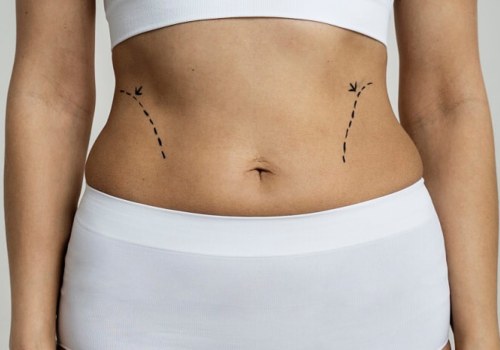
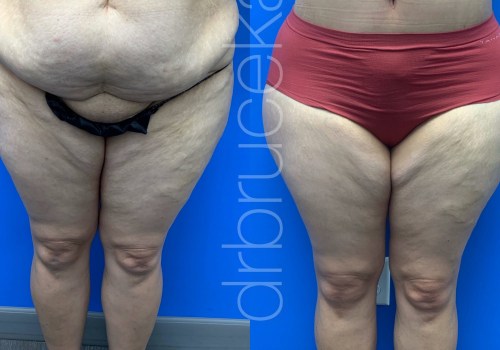
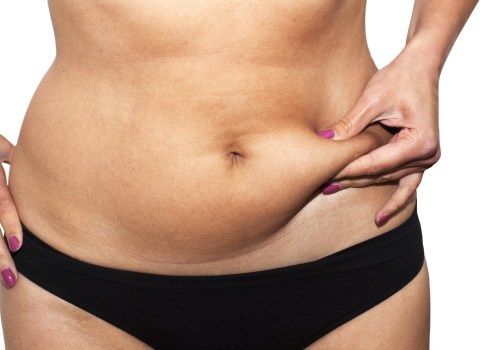
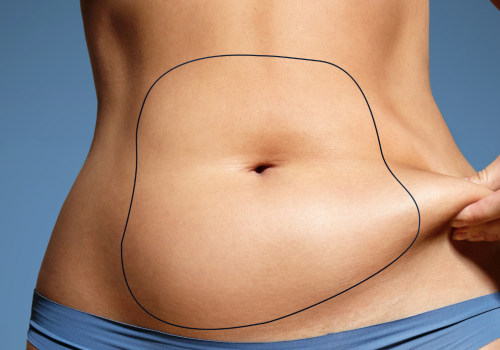
Liposuction is a widely sought-after cosmetic procedure designed to reshape and contour the body by removing stubborn fat deposits that are resistant to diet and exercise. This surgical technique is not intended for weight loss but rather for enhancing body proportions and improving overall aesthetics. Many individuals find themselves frustrated with specific areas of fat accumulation, such as the abdomen, thighs, or arms, which can persist despite their best efforts to maintain a healthy lifestyle. Understanding the intricacies of liposuction is essential for anyone considering this procedure, especially if they are contemplating multiple sessions.The liposuction procedure typically begins with a thorough consultation with a qualified plastic surgeon. typically begins with a thorough consultation with a qualified plastic surgeon.
During this initial meeting, the surgeon will assess the patient's health, discuss their goals, and determine the most suitable approach for their unique body type. The procedure itself involves the use of a thin tube called a cannula, which is inserted through small incisions in the skin. The surgeon then uses this cannula to suction out excess fat from targeted areas. Depending on the technique employed—be it tumescent liposuction, ultrasound-assisted liposuction, or laser-assisted liposuction—the process may vary slightly, but the fundamental goal remains the same: to achieve a smoother and more contoured appearance.Understanding how During this initial meeting, the surgeon will assess the patient's health, discuss their goals, and determine the most suitable approach for their unique body type. The procedure itself involves the use of a thin tube called a cannula, which is inserted through small incisions in the skin. The surgeon then uses this cannula to suction out excess fat from targeted areas. Depending on the technique employed—be it tumescent liposuction, ultrasound-assisted liposuction, or laser-assisted liposuction—the process may vary slightly, but the fundamental goal remains the same: to achieve a smoother and more contoured appearance.Understanding how liposuction works is crucial for setting realistic expectations.
The procedure effectively breaks down fat cells in specific areas, allowing them to be removed from the body. However, it is important to note that liposuction does not prevent future weight gain or eliminate cellulite and stretch marks. Patients must commit to maintaining a healthy lifestyle post-procedure to preserve their results. Additionally, while many individuals experience significant improvements in their body shape after just one session, some may desire further refinement or wish to target new areas of concern in subsequent procedures.
Is It Safe to Have Multiple Liposuction Procedures?
When considering the prospect of undergoing multiple liposuction procedures, it is essential to address the safety concerns that accompany such decisions.While many patients may feel confident about their initial results, the question of whether it is safe to have liposuction again is a valid one that requires careful consideration.One of the primary concerns with repeated liposuction is the potential for complications. Each surgical procedure carries inherent risks, and these can be magnified with subsequent operations. Some of the most common risks associated with multiple liposuction procedures include:
- Increased Scarring: Each time liposuction is performed, incisions are made, which can lead to scarring. Over time, repeated procedures may result in more noticeable scars, particularly if proper aftercare is not followed.
- Fluid Accumulation: After liposuction, fluid can accumulate in the treated areas, leading to seromas.
This risk may increase with additional surgeries.
- Skin Irregularities: Multiple procedures can lead to uneven skin texture or contour irregularities, especially if fat is removed from the same area repeatedly.
- Infection: Each surgical procedure carries a risk of infection. The more surgeries performed, the higher the cumulative risk of developing an infection.
- Anesthesia Risks: With each procedure requiring anesthesia, there are associated risks that can increase with repeated exposure.
They will assess your overall health, previous surgical outcomes, and current body composition to determine if you are a suitable candidate for another procedure.In conclusion, while it is possible to undergo multiple liposuction procedures safely, it requires thorough evaluation and planning. Patients should engage in open discussions with their surgeons about their goals and any concerns they may have regarding safety and potential risks. A well-informed decision will help ensure that the benefits of additional liposuction outweigh any potential complications.
Factors to Consider Before Undergoing Additional Liposuction
Before deciding to undergo a second or subsequent liposuction procedure, it is essential to evaluate several critical factors that can significantly influence the outcome and safety of the surgery. Understanding these considerations can help ensure that you make an informed decision that aligns with your health and aesthetic goals.1.Health Status
- General Health: Your overall health plays a crucial role in determining your candidacy for additional liposuction.
Individuals with chronic health conditions, such as diabetes or heart disease, may face increased risks during surgery. A thorough medical evaluation by your surgeon is necessary to assess your fitness for the procedure.
- Weight Stability: It is advisable to maintain a stable weight before considering further liposuction. Significant fluctuations in weight can affect the results and may lead to complications. Ideally, candidates should be at or near their target weight for at least six months prior to surgery.
2.Body Composition
- Fat Distribution: Understanding how your body stores fat is vital.
If you have areas that are resistant to diet and exercise, these may be suitable targets for liposuction. However, if you are considering treating new areas, it’s important to discuss this with your surgeon to ensure realistic expectations.
- Skin Elasticity: The condition of your skin can impact the results of liposuction. If your skin has lost elasticity due to age or previous surgeries, it may not retract properly after fat removal, leading to sagging or irregular contours.
3.Previous Results
- Satisfaction with Initial Results: Reflect on your satisfaction with the outcomes of your first liposuction procedure. If you are pleased with the results but wish to refine certain areas, a second procedure may be appropriate.
- Scar Tissue: Previous liposuction can lead to scar tissue formation in treated areas.
This scar tissue can complicate further procedures and may require special techniques, such as ultrasound-assisted liposuction, to achieve optimal results.
4.Consultation with a Qualified Surgeon
A comprehensive consultation with a board-certified plastic surgeon is essential before proceeding with additional liposuction. They will evaluate your health status, body composition, and previous surgical outcomes to determine if you are a suitable candidate for another procedure. This professional guidance will help you understand the potential risks and benefits associated with multiple liposuction surgeries.
The Role of Consultation with a Plastic Surgeon
Before considering a second liposuction procedure, it is essential to engage in a thorough consultation with a qualified plastic surgeon. This initial meeting serves as a critical opportunity to discuss your goals, assess your health, and understand the potential risks and benefits associated with additional surgery.Choosing the Right Plastic Surgeon
Selecting a plastic surgeon is one of the most important decisions you will make in your journey towards body contouring.
Here are some key factors to consider:
- Qualifications and Experience: Ensure that the surgeon is board-certified and has extensive experience specifically in liposuction procedures. Look for reviews or testimonials from previous patients.
- Specialisation: Some surgeons may specialise in certain techniques or areas of the body. It’s beneficial to choose someone who has a proven track record in the specific type of liposuction you are considering.
- Hospital Privileges: Verify that the surgeon has privileges at accredited surgical facilities, which indicates that they meet high standards of care.
What to Expect During the Consultation
Your consultation should be comprehensive and informative. Here’s what you can typically expect:
- Medical History Review: The surgeon will review your medical history, including any previous surgeries, current medications, and overall health status.
- Physical Examination: A physical examination will help the surgeon assess your body composition and identify areas that may benefit from liposuction.
- Discussion of Goals: You will have the chance to express your aesthetic goals and expectations.
The surgeon will provide insights on what is realistically achievable based on your body type.
Questions to Ask Your Plastic Surgeon
Long-Term Results and Maintenance After Liposuction
After undergoing liposuction, many patients are eager to see the long-term results of their procedure. While initial outcomes can be quite promising, understanding the sustainability of these results is crucial for anyone considering multiple liposuction procedures.One of the most significant factors influencing long-term results is the patient’s commitment to maintaining a healthy lifestyle. Liposuction effectively removes stubborn fat deposits, but it does not prevent future weight gain.Therefore, adopting a balanced diet and regular exercise regimen is essential for preserving the newly contoured physique.
Maintaining Results After Liposuction
- Healthy Eating: A diet rich in fruits, vegetables, lean proteins, and whole grains can help maintain weight. Avoiding processed foods and sugary beverages is equally important.
- Regular Exercise: Incorporating both cardiovascular and strength training exercises into your routine can help keep your metabolism active and prevent fat accumulation in treated areas.
- Hydration: Drinking plenty of water aids in digestion and helps maintain skin elasticity, which can enhance the appearance of your results.
- Avoiding Smoking and Excessive Alcohol: Both smoking and heavy drinking can negatively impact skin health and overall body composition, potentially diminishing the results of liposuction.
Long-Term Follow-Up
Regular follow-up appointments with your plastic surgeon can also play a vital role in maintaining your results.
These visits allow for monitoring any changes in body composition and provide an opportunity to discuss any concerns you may have. Your surgeon may recommend additional treatments or procedures if necessary to help you achieve your desired look.Ultimately, while multiple liposuction procedures can yield impressive results, they require a commitment to ongoing self-care and lifestyle adjustments. By prioritising health and wellness post-procedure, patients can enjoy their new contours for years to come.
Common Myths About Liposuction and Multiple Procedures
When considering liposuction, many individuals are often confronted with a myriad of myths and misconceptions that can cloud their understanding of the procedure, especially regarding the possibility of undergoing multiple sessions. It is crucial to address these myths to ensure that potential patients make informed decisions about their body contouring journey.Myth 1: Liposuction is a Weight Loss Solution
One of the most pervasive misconceptions is that liposuction serves as a method for significant weight loss.
In reality, liposuction is designed to target specific areas of stubborn fat that do not respond to diet and exercise. It is not a substitute for a healthy lifestyle or a weight loss programme. Candidates for liposuction should ideally be at or near their target weight, as the procedure is intended for body contouring rather than weight reduction.
Myth 2: Multiple Liposuction Procedures Are Dangerous
While it is true that any surgical procedure carries risks, the notion that multiple liposuction procedures are inherently dangerous is misleading. When performed by a qualified and experienced plastic surgeon, subsequent liposuction sessions can be safe.
However, it is essential to allow adequate time for recovery between procedures and to have realistic expectations about the results. A thorough consultation with your surgeon will help assess your individual health status and suitability for additional treatments.
Myth 3: Liposuction Results Are Permanent
Another common myth is that the results of liposuction are permanent. While the fat cells removed during the procedure do not regenerate, it is still possible to gain weight in other areas if a healthy lifestyle is not maintained post-surgery. Therefore, patients must commit to regular exercise and a balanced diet to preserve their results over time.
Myth 4: You Can Target Fat Loss in Specific Areas with Liposuction
Many believe that liposuction can selectively remove fat from specific areas without affecting others.
While liposuction can effectively contour certain regions, it does not guarantee that fat will not accumulate in other areas if lifestyle choices lead to weight gain. Understanding this limitation is vital for setting realistic expectations.
Myth 5: All Surgeons Are Equally Qualified
The qualifications and experience of the surgeon performing the procedure can significantly impact outcomes. It is essential to choose a board-certified plastic surgeon with extensive experience in performing liposuction. This ensures that you receive care from someone who understands the nuances of the procedure and can manage any complications that may arise.In conclusion, debunking these myths surrounding liposuction and multiple procedures is essential for anyone considering this transformative option.
By understanding the realities of what liposuction can achieve and the importance of choosing a qualified surgeon, patients can embark on their journey with confidence and clarity.
Conclusion: Making Informed Decisions About Liposuction
In conclusion, the journey towards achieving your desired body shape through liposuction is a significant decision that requires careful consideration and planning. Throughout this article, we have explored various aspects of undergoing multiple liposuction procedures, highlighting both the potential benefits and the associated risks.It is essential to remember that while liposuction can effectively target stubborn fat deposits, it is not a substitute for a healthy lifestyle or a weight loss solution. Individuals considering a second procedure should first evaluate their overall health, weight stability, and the results of their initial surgery. Consulting with a qualified plastic surgeon is crucial in this process, as they can provide tailored advice based on your unique circumstances.Moreover, understanding the implications of having multiple procedures in the same area is vital.The presence of scar tissue from previous surgeries can complicate subsequent treatments, potentially leading to less satisfactory results. Therefore, it is imperative to discuss these factors with your surgeon to ensure that you are making an informed choice.Additionally, maintaining realistic expectations about the outcomes of liposuction is key. While many patients achieve significant improvements in their body contours, it is important to acknowledge that results can vary based on individual factors such as skin elasticity and body composition.Ultimately, the decision to undergo multiple liposuction procedures should be made with thorough research and professional guidance. By prioritising your health and well-being, you can navigate this journey with confidence and achieve the results you desire.For those contemplating further enhancements after their initial liposuction experience, remember that patience and careful planning are your best allies.
Always seek out experienced professionals who can help you create a comprehensive plan that aligns with your aesthetic goals while ensuring your safety throughout the process.