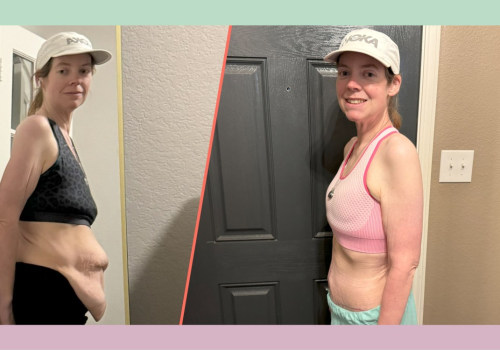
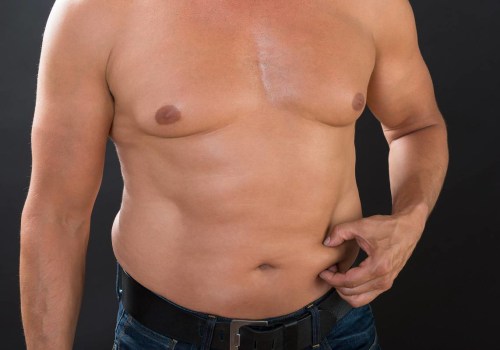
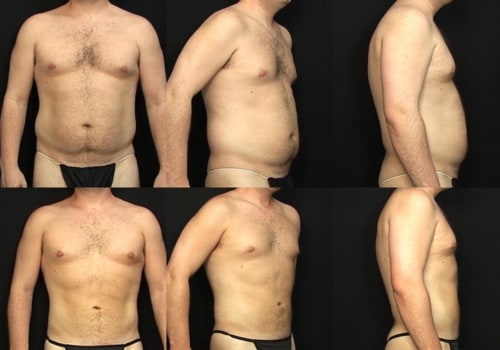
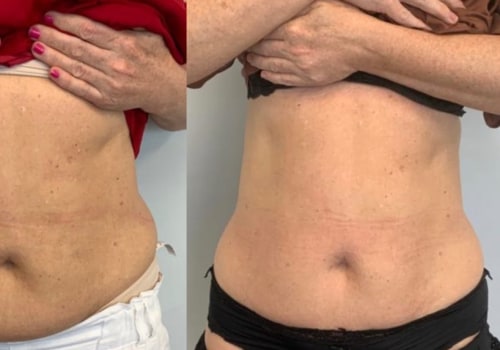
Liposuction is a popular cosmetic procedure designed to remove stubborn fat deposits from various areas of the body, helping individuals achieve a more contoured and sculpted appearance. This surgical technique is particularly effective for those who struggle with localized fat that does not respond to diet and exercise. By targeting specific areas such as the abdomen, thighs, buttocks, and arms, liposuction can enhance body proportions and boost self-confidence. For individuals looking to improve their body shape, liposuction can be a great option.
It is important to note that this procedure is not intended for significant weight reduction but rather for refining the body's silhouette. To learn more about how liposuction can benefit you, contact our aesthetic clinic SEO team today. Many individuals find that despite their best efforts in maintaining a healthy lifestyle, certain fat pockets remain resistant to change. Liposuction offers a solution by removing these unwanted fat cells, leading to a more balanced and aesthetically pleasing figure.Among the numerous benefits of liposuction, one of the most significant is the immediate improvement in It is important to note that this procedure is not intended for significant weight reduction but rather for refining the body's silhouette. To learn more about how liposuction can benefit you, contact our aesthetic clinic SEO team today. Many individuals find that despite their best efforts in maintaining a healthy lifestyle, certain fat pockets remain resistant to change. Liposuction offers a solution by removing these unwanted fat cells, leading to a more balanced and aesthetically pleasing figure.Among the numerous benefits of liposuction, one of the most significant is the immediate improvement in body contour. Patients often report feeling more comfortable in their skin and more confident in their appearance following the procedure. It is important to note that this procedure is not intended for significant weight reduction but rather for refining the body's silhouette. To learn more about how liposuction can benefit you, contact our aesthetic clinic SEO team today. Many individuals find that despite their best efforts in maintaining a healthy lifestyle, certain fat pockets remain resistant to change. Liposuction offers a solution by removing these unwanted fat cells, leading to a more balanced and aesthetically pleasing figure.Among the numerous benefits of liposuction, one of the most significant is the immediate improvement in body contour. Patients often report feeling more comfortable in their skin and more confident in their appearance following the procedure.
Additionally, liposuction can have psychological benefits, as achieving desired body proportions can lead to enhanced self-esteem and overall satisfaction with one’s image. Furthermore, the results of liposuction are long-lasting, provided that patients maintain a stable weight through healthy lifestyle choices.In summary, liposuction is a transformative procedure that can help individuals achieve their desired body shape by removing stubborn fat deposits. Understanding its purpose and benefits is crucial for anyone considering this option, as it sets the foundation for informed decision-making regarding their aesthetic goals.
How Liposuction Works
Liposuction is a cosmetic surgical procedure designed to remove excess fat from specific areas of the body, enhancing body contours and proportions. Understanding how liposuction works is essential for anyone considering this procedure, as it involves various techniques tailored to meet individual needs.There are several liposuction techniques , each with its unique approach and benefits:- Tumescent Liposuction: This is the most common technique used today.
It involves injecting a sterile solution containing saline, lidocaine, and epinephrine into the targeted fat areas. The solution causes the fat to swell and become firm, making it easier to remove. This method also minimizes bleeding and pain during the procedure.
- Ultrasound-Assisted Liposuction (UAL): UAL employs ultrasound energy to liquefy fat cells before they are suctioned out. This technique is particularly effective for fibrous areas of the body, such as the back or male breast tissue.
The ultrasound waves break down fat cells, allowing for a smoother extraction process.
- Laser-Assisted Liposuction (LAL): In this method, laser energy is used to melt away fat before it is removed. The laser also promotes collagen production, which can enhance skin tightening in the treated area. LAL is often preferred for smaller treatment areas and can result in less bruising and swelling compared to traditional methods.
- Power-Assisted Liposuction (PAL): This technique uses a vibrating cannula that helps break up fat cells more efficiently. The vibrations allow for easier fat removal with less physical effort from the surgeon, which can lead to quicker recovery times for patients.
Factors such as body type, desired results, and specific areas of concern will influence the choice of technique.Ultimately, understanding how liposuction works and the various techniques available can empower patients to make informed decisions about their body contouring journey.
Potential Risks and Complications of Liposuction
Liposuction, while often viewed as a straightforward solution for fat removal, carries a range of potential risks and complications that patients must consider. Understanding these risks is crucial for anyone contemplating the procedure.One of the most significant concerns is the possibility of surgical complications. These can include:- Infection: As with any surgical procedure, there is a risk of infection at the incision sites. Proper aftercare and adherence to post-operative instructions are essential to mitigate this risk.
- Bleeding: Excessive bleeding during or after the procedure can occur, which may necessitate additional medical intervention.
- Fluid accumulation: Seromas, or pockets of fluid, can develop under the skin post-surgery.
These may require drainage if they become problematic.
- Blood clots: There is a risk of developing blood clots in the legs or lungs, which can be life-threatening if not addressed promptly.
- Uneven contours: If too much fat is removed from one area compared to another, it can lead to an uneven appearance, necessitating further corrective procedures.
- Skin irregularities: Patients may notice bumps, dents, or sagging skin in the treated areas due to the removal of fat. This is particularly common in cases where large volumes of fat are extracted. Patients may notice bumps, dents, or sagging skin in the treated areas due to the removal of fat. This is particularly common in cases where large volumes of fat are extracted.
- Changes in sensation: Some individuals report altered sensations in the treated areas, such as numbness or heightened sensitivity, which may persist for an extended period.
This underscores the importance of having realistic goals and thorough discussions with a qualified surgeon prior to surgery.In conclusion, while liposuction can offer significant benefits in body contouring, it is not without its risks. Patients should engage in comprehensive consultations with their healthcare providers to fully understand these potential complications and make informed decisions about their health and aesthetic goals.
Who is an Ideal Candidate for Liposuction?
Determining whether liposuction is the right choice for you involves understanding the characteristics of an ideal candidate. While liposuction can be a transformative procedure, it is not suitable for everyone. Here are some key factors to consider when assessing your candidacy for this cosmetic surgery.Health Considerations
First and foremost, a potential candidate should be in good overall health.This means:
- No serious medical conditions: Individuals with conditions such as heart disease, diabetes, or compromised immune systems may face higher risks during and after the procedure.
- Stable weight: Ideal candidates should be close to their target weight, typically within 30% of their ideal body weight. Liposuction is not a weight-loss solution but rather a body contouring procedure.
- Non-smokers: Smoking can impede healing and increase the risk of complications. Candidates are often advised to quit smoking several weeks before and after the surgery.
Realistic Expectations
Another crucial aspect is having realistic expectations about the outcomes of liposuction. Candidates should:- Understand the limitations: Liposuction can remove fat deposits but does not address skin laxity or cellulite.
Those expecting a complete body transformation may be disappointed.
- Be prepared for recovery: Understanding that there will be a recovery period, including swelling and bruising, is essential. Candidates should be ready to follow post-operative care instructions to ensure optimal results.
Emotional Readiness
Candidates should also consider their emotional readiness for the procedure. This includes:- A positive mindset: Individuals who approach the surgery with a positive attitude and a clear understanding of their motivations are more likely to be satisfied with their results.
- A support system: Having friends or family who support your decision can help during the recovery process and contribute to overall satisfaction with the procedure. Having friends or family who support your decision can help during the recovery process and contribute to overall satisfaction with the procedure.
Preparing for Liposuction: What You Need to Know
Preparing for liposuction is a crucial step that can significantly influence the success of the procedure and your overall experience.Understanding what to expect and how to prepare can help alleviate anxiety and ensure a smoother process.Before undergoing liposuction, it is essential to schedule a comprehensive consultation with your chosen surgeon. This meeting serves as an opportunity to discuss your goals, expectations, and any concerns you may have. Here are some key points to consider during your consultation:
- Medical History: Be prepared to provide a detailed medical history, including any previous surgeries, current medications, allergies, and underlying health conditions. This information is vital for assessing your suitability for the procedure.
- Realistic Expectations: Discuss your desired outcomes with your surgeon.
It’s important to have realistic expectations about what liposuction can achieve and understand that it is not a weight-loss solution but rather a body contouring procedure.
- Technique Discussion: Inquire about the specific liposuction techniques that will be used, such as tumescent or ultrasound-assisted liposuction. Understanding the method can help you feel more informed and comfortable.
- Recovery Plan: Ask about the recovery process, including expected downtime, pain management strategies, and when you can resume normal activities.
- Avoid Smoking: If you smoke, it is advisable to quit at least four weeks before the procedure. Smoking can impair healing and increase the risk of complications.
- Limit Alcohol Consumption: Reducing or eliminating alcohol intake can help improve your overall health and reduce the risk of complications during surgery.
- Maintain a Healthy Diet: Focus on eating a balanced diet rich in fruits, vegetables, lean proteins, and whole grains. Proper nutrition can enhance your body’s ability to heal post-surgery.
- Stay Hydrated: Drinking plenty of water before your procedure can help keep your body hydrated and support recovery.
Having someone available to assist you during the initial recovery period can make a significant difference in your comfort and overall experience. By taking these steps to prepare for liposuction, you can enhance both safety and outcomes, paving the way for a successful transformation.
The Recovery Process After Liposuction
Recovering from liposuction is a crucial phase that significantly influences the overall outcome of the procedure. Understanding what to expect during this time can help patients manage their expectations and ensure a smoother recovery process.Typically, the initial recovery period lasts about one week. During this time, patients may experience swelling, bruising, and discomfort in the treated areas.These symptoms are normal and usually subside as the body begins to heal. However, it is essential to follow post-operative care instructions provided by the surgeon to facilitate healing.
Post-Operative Care
Effective post-operative care is vital for a successful recovery. Here are some key aspects to consider:- Rest: Adequate rest is essential in the first few days following surgery. Patients should avoid strenuous activities and allow their bodies to recuperate.
- Compression Garments: Wearing compression garments as advised helps reduce swelling and supports the healing tissues.
It is crucial to wear these garments for the recommended duration.
- Pain Management: Pain relief medications may be prescribed to manage discomfort. Patients should take these medications as directed and consult their surgeon if pain persists or worsens.
- Hydration and Nutrition: Staying hydrated and maintaining a balanced diet can aid in recovery. Foods rich in vitamins and minerals support healing processes.
- Follow-Up Appointments: Attending scheduled follow-up appointments allows the surgeon to monitor healing progress and address any concerns.
By prioritising rest, following medical advice, and maintaining open communication with healthcare providers, patients can navigate their recovery journey more effectively.
Long-Term Results and Maintenance After Liposuction
After undergoing liposuction, many patients are eager to see the long-term results of their procedure. While liposuction can effectively remove stubborn fat deposits and enhance body contours, it is essential to understand that the results are not permanent unless accompanied by a commitment to a healthy lifestyle.The initial results of liposuction can be quite dramatic, with many patients noticing a significant change in their body shape shortly after the swelling subsides. However, it is crucial to manage expectations regarding the longevity of these results. Factors such as age, genetics, and lifestyle choices play a significant role in how well the body maintains its new shape.Maintaining Results After Liposuction
To ensure that the results of liposuction are long-lasting, patients should consider implementing several lifestyle changes:- Balanced Diet: Adopting a nutritious diet rich in fruits, vegetables, lean proteins, and whole grains can help maintain weight and prevent fat from accumulating in treated areas.
- Regular Exercise: Engaging in regular physical activity is vital for maintaining a healthy weight.
A combination of cardiovascular exercises and strength training can help keep the body toned and prevent fat gain.
- Hydration: Staying well-hydrated supports overall health and can aid in maintaining skin elasticity, which is essential for keeping the body looking its best post-liposuction.
- Avoiding Smoking and Excessive Alcohol: Both smoking and excessive alcohol consumption can negatively impact skin health and overall recovery, making it harder to maintain results.
Common Myths About Liposuction Debunked
Liposuction is often surrounded by a cloud of misconceptions that can lead to confusion and unrealistic expectations among potential patients. Understanding the truth behind these myths is essential for anyone considering this procedure.- Myth 1: Liposuction is a Weight Loss Solution
Many people believe that liposuction is an effective method for significant weight loss.In reality, liposuction is designed to target specific areas of stubborn fat that do not respond to diet and exercise. It is not a substitute for a healthy lifestyle or a weight loss programme. Ideal candidates are typically at or near their target weight.
- Myth 2: Liposuction Removes Cellulite
Another common misconception is that liposuction can eliminate cellulite. While it can improve body contour, it does not specifically address the dimpled appearance of cellulite.Patients seeking to reduce cellulite may need to explore other treatment options.
- Myth 3: The Results Are Immediate
Many individuals expect to see immediate results post-surgery. However, it’s important to understand that swelling and bruising are common after liposuction, and the final results may take several months to fully materialise as the body heals. - Myth 4: Liposuction Is a Quick Fix
Some people view liposuction as a quick fix for their body image concerns. However, maintaining results requires ongoing commitment to a healthy lifestyle, including proper diet and regular exercise. Liposuction should be seen as a complement to, rather than a replacement for, healthy habits. - Myth 5: Anyone Can Perform Liposuction
There is a dangerous belief that any medical professional can perform liposuction.In truth, it should only be carried out by a qualified and experienced plastic surgeon. Choosing an accredited surgeon significantly reduces the risk of complications and ensures better outcomes. In truth, it should only be carried out by a qualified and experienced plastic surgeon. Choosing an accredited surgeon significantly reduces the risk of complications and ensures better outcomes.
Legal Rights and Patient Protections in Cosmetic Surgery
When considering cosmetic procedures such as liposuction, it is crucial for patients to be aware of their legal rights and the protections available to them. Understanding these rights not only empowers patients but also ensures they receive fair treatment throughout their surgical journey.One of the key legal frameworks that protect patients undergoing cosmetic surgery in the United States is the No Surprises ActNo Surprises Act.This legislation, which came into effect in January 2022, aims to eliminate unexpected medical bills that can arise from out-of-network providers. Under this act, patients are entitled to:
- Transparent Pricing: Patients must receive a clear estimate of the costs associated with their procedure, including any potential out-of-pocket expenses.
- Informed Consent: Before undergoing surgery, patients should be fully informed about the risks, benefits, and alternatives to the procedure. This includes understanding any potential complications that may arise.
- Protection from Surprise Billing: If a patient receives care from an out-of-network provider without prior knowledge, they cannot be billed more than the in-network rate for emergency services.
- Right to Choose: Patients have the right to select their surgeon and facility based on qualifications and reputation. It is advisable to research and consult multiple practitioners before making a decision.
- Right to Privacy: Medical records and personal information must be kept confidential.
Patients should inquire about how their data will be handled and stored.
- Right to Quality Care: Patients are entitled to receive care that meets established medical standards. If a patient feels that they have received subpar treatment, they can file a complaint with relevant medical boards or associations.
<strong>Conclusion</strong>
In summary, liposuction can be a transformative procedure for those seeking to enhance their body contours and eliminate stubborn fat deposits.However, it is essential to approach this decision with a comprehensive understanding of the associated risks and the recovery process involved.Patients must recognise that while liposuction is generally safe when performed by a qualified and experienced surgeon, it is not without its potential complications. These can range from minor issues such as swelling and bruising to more serious concerns like infection or uneven results. Therefore, thorough research and consultation with a board-certified plastic surgeon are crucial steps in ensuring a successful outcome.Moreover, the recovery phase should not be underestimated. Although many individuals return to their daily routines within a week, the body requires time to heal fully.
Swelling may persist for several months, and patience is key to witnessing the final results of the procedure. Adhering to post-operative care instructions provided by the surgeon can significantly influence the healing process and overall satisfaction with the results.It is also vital for patients to be aware of their rights and protections under regulations such as the No Surprises Act (HR13). This legislation aims to safeguard patients from unexpected medical bills and ensure transparency in healthcare costs, which is particularly important in cosmetic procedures like liposuction.Ultimately, making an informed decision about liposuction involves weighing the benefits against the risks, understanding the recovery timeline, and ensuring that one is well-prepared for both the procedure and its aftermath. By doing so, patients can enhance their chances of achieving their desired aesthetic goals while minimising potential complications.