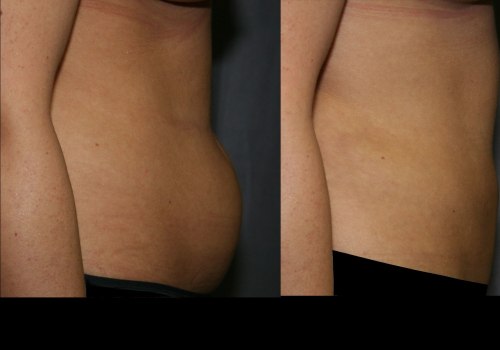
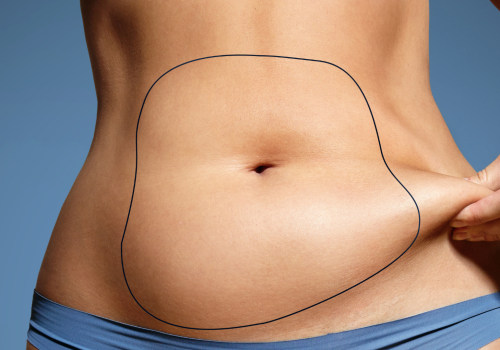
Liposuction is a popular cosmetic surgical procedure designed to remove excess fat deposits from specific areas of the body, helping individuals achieve a more contoured and sculpted appearance. This technique has gained significant traction over the years, appealing to those who struggle with stubborn fat that resists diet and exercise. By targeting areas such as the abdomen, thighs, buttocks, arms, and neck, liposuction can enhance body proportions and boost self-confidence.The procedure involves the use of a thin tube called a cannula, which is inserted through small incisions in the skin. The cannula is then used to suction out unwanted fat, allowing for precise sculpting of the body.
One of the key benefits of liposuction is its ability to provide immediate results; patients often notice a significant change in their body shape shortly after the procedure. Additionally, liposuction can be performed in conjunction with other cosmetic surgeries, such as tummy tucks or breast augmentations, further enhancing overall aesthetic outcomes.Despite its many advantages, it is crucial to understand that liposuction is not a weight-loss solution or a substitute for a healthy lifestyle. It is intended for individuals who are close to their ideal weight but wish to eliminate localized fat deposits that are resistant to traditional weight loss methods. As with any surgical procedure, potential candidates must carefully consider their overall health and suitability for liposuction before proceeding.
In the following sections, we will explore who should avoid this procedure and why certain individuals may not be ideal candidates for liposuction.
Understanding Liposuction: The Procedure Explained
Liposuction is a popular cosmetic procedure designed to remove excess fat from specific areas of the body, helping individuals achieve a more contoured and sculpted appearance. Understanding the intricacies of the liposuction procedure is essential for anyone considering this surgery, as it can significantly influence their candidacy and expectations.The liposuction process typically begins with a thorough consultation with a qualified plastic surgeon. During this initial meeting, the surgeon will assess the patient’s overall health, discuss their aesthetic goals, and determine the most suitable technique for their needs. There are several types of liposuction techniques available, each with its unique advantages:Liposuction is a popular cosmetic procedure designed to remove excess fat from specific areas of the body, helping individuals achieve a more contoured and sculpted appearance. Understanding the intricacies of the liposuction procedure is essential for anyone considering this surgery, as it can significantly influence their candidacy and expectations.The liposuction process typically begins with a thorough consultation with a qualified plastic surgeon. During this initial meeting, the surgeon will assess the patient’s overall health, discuss their aesthetic goals, and determine the most suitable technique for their needs. There are several types of liposuction techniques available, each with its unique advantages:- Tumescent Liposuction: This is the most common method, where a saline solution mixed with anaesthetic and epinephrine is injected into the target area.
This solution helps to numb the area and reduce bleeding, making the fat easier to remove.
- Ultrasound-Assisted Liposuction (UAL): This technique uses ultrasonic waves to liquefy fat cells before they are suctioned out. UAL can be particularly effective for fibrous areas of the body, such as the back or male breast tissue.
- Laser-Assisted Liposuction (LAL): In this method, laser energy is used to melt fat cells, which are then removed through a small cannula. LAL often results in less bruising and swelling compared to traditional methods.
- Power-Assisted Liposuction (PAL): This technique employs a vibrating cannula that helps break up fat cells more efficiently, allowing for quicker removal and potentially less trauma to surrounding tissues.
A thin tube called a cannula is inserted through these incisions to suction out the unwanted fat. The surgeon carefully sculpts the area to ensure a smooth and natural-looking result.Post-surgery, patients can expect some swelling and bruising in the treated areas. Recovery times vary based on individual health factors and the extent of liposuction performed; however, many individuals can return to light activities within a few days. It’s crucial for patients to follow their surgeon’s aftercare instructions closely to promote healing and achieve optimal results.In summary, understanding how liposuction works and what it entails is vital for prospective patients.
By familiarising themselves with the different techniques and recovery expectations, individuals can make informed decisions about whether this procedure aligns with their goals and health status.
Who is an Ideal Candidate for Liposuction?
When considering liposuction, it is essential to identify who qualifies as an ideal candidate for this transformative procedure. Understanding the characteristics that make someone suitable for liposuction can help potential patients make informed decisions about their body and health.Age Considerations
While there is no strict age limit for undergoing liposuction, candidates are typically adults aged 18 and older. Younger individuals should be aware that their bodies are still developing, and it is advisable to wait until they reach a stable weight before considering the procedure. Conversely, older adults may also be suitable candidates, provided they are in good health and have realistic expectations regarding the outcomes.
Health Status
A crucial factor in determining suitability for liposuction is overall health.
Ideal candidates should:
- Be free from serious medical conditions such as heart disease, diabetes, or lung disorders.
- Have a stable weight, ideally within 30% of their target body weight.
- Not be pregnant or breastfeeding, as these conditions can affect body composition.
- Avoid smoking or be willing to quit prior to surgery, as smoking can impede healing and increase the risk of complications.
Skin Quality
The quality of a candidate's skin plays a significant role in the success of liposuction. Individuals with:
- Tight, elastic skin are more likely to achieve desirable results, as their skin can retract smoothly after fat removal.
- Poor skin quality or significant sagging may not see the same aesthetic benefits and could result in an undesirable appearance post-surgery.
Realistic Expectations
Lastly, ideal candidates should possess realistic expectations about what liposuction can achieve. It is not a weight-loss solution but rather a body contouring procedure designed to target specific areas of stubborn fat. Candidates should understand that while liposuction can enhance their appearance, maintaining a healthy lifestyle post-procedure is crucial for long-lasting results.In summary, suitable candidates for liposuction are typically healthy adults with stable weights, good skin quality, and realistic expectations about the outcomes.
By assessing these factors, individuals can better determine if they are appropriate candidates for this popular cosmetic procedure.
Medical Conditions That May Exclude You from Liposuction
When considering liposuction, it is crucial to evaluate your overall health and any existing medical conditions that may pose risks during the procedure. Certain health issues can complicate the surgery or hinder recovery, making it essential to identify these contraindications before proceeding.One of the most significant health concerns is cardiovascular diseasecardiovascular disease. Individuals with heart conditions, such as coronary artery disease or arrhythmias, may face increased risks during surgery due to the stress it places on the heart. The anaesthesia used during liposuction can also exacerbate these conditions, leading to potential complications.Diabetes
is another critical factor to consider.
Patients with diabetes often experience slower healing times and may have compromised immune systems, increasing the risk of infection post-surgery. Additionally, fluctuations in blood sugar levels can complicate both the procedure and recovery process.
Respiratory issues
, including chronic obstructive pulmonary disease (COPD) or asthma, can also make liposuction a risky choice. These conditions can affect your ability to breathe adequately during and after the procedure, particularly under anaesthesia. It is vital for individuals with such respiratory problems to discuss their condition thoroughly with their surgeon.Moreover, individuals with blood clotting disorders or those who are on anticoagulant medications should approach liposuction with caution.
These conditions increase the risk of excessive bleeding during and after surgery, which can lead to serious complications.Another important consideration is immune system deficiencies. Those with weakened immune systems are more susceptible to infections, which can significantly impact recovery and overall outcomes following liposuction.Lastly, individuals who are obese or significantly overweight may not be ideal candidates for liposuction. While this procedure can assist in body contouring, it is not a weight-loss solution. Surgeons typically recommend achieving a stable weight before considering liposuction to ensure better results and reduce health risks.In summary, understanding your health status and any underlying medical conditions is vital when contemplating liposuction.
Consulting with a qualified plastic surgeon will help determine if you are a suitable candidate for this procedure and ensure that all potential risks are addressed appropriately.
Lifestyle Factors That Impact Liposuction Candidacy
When considering liposuction, it is crucial to evaluate not only your physical health but also your lifestyle choices, as these can significantly impact your candidacy for the procedure. Certain habits and conditions can increase the risks associated with surgery and affect the overall results.Smoking and Liposuction
One of the most critical lifestyle factors to consider is smoking. Smoking has been shown to impair healing and increase the risk of complications during and after surgical procedures. Nicotine constricts blood vessels, which can lead to reduced blood flow and oxygen supply to the tissues.This can hinder recovery and may result in poor wound healing, increased scarring, or even necrosis of the skin in severe cases.Surgeons typically recommend that individuals quit smoking at least four to six weeks prior to undergoing liposuction. This cessation period allows the body to recover from the effects of nicotine, improving circulation and enhancing the chances of a successful outcome. If you are a smoker considering liposuction, it is essential to discuss this with your surgeon and develop a plan for quitting.
Obesity and Liposuction
Another significant factor is obesity. While liposuction can be an effective method for removing stubborn fat deposits, it is not a weight-loss solution.Candidates should ideally be within 30% of their ideal body weight. Individuals who are classified as obese may face higher risks during surgery, including complications related to anaesthesia, longer recovery times, and increased likelihood of post-operative infections.Moreover, those with a higher body mass index (BMI) may not achieve the desired aesthetic results from liposuction alone. Excess fat can lead to skin that lacks elasticity, resulting in sagging or loose skin post-procedure. Therefore, individuals who are significantly overweight are often advised to pursue weight loss through diet and exercise before considering liposuction.
Other Lifestyle Factors
In addition to smoking and obesity, other lifestyle factors can influence your suitability for liposuction:- Poor Nutrition: A diet high in processed foods and low in nutrients can affect your body's ability to heal after surgery.
- Lack of Exercise: Regular physical activity not only helps maintain a healthy weight but also improves circulation and overall health.
- Alcohol Consumption: Excessive drinking can impair liver function and affect healing; it is advisable to limit alcohol intake before surgery.
Consulting with a qualified surgeon will provide you with tailored advice based on your individual circumstances.
Skin Quality and Its Role in Liposuction Outcomes
When considering liposuction, one crucial aspect that often gets overlooked is the quality of the skin in the targeted areas. The success of liposuction is not solely dependent on the amount of fat removed; it is also significantly influenced by how well the skin can adapt to the changes in body contour. Individuals with poor skin elasticity or quality may find that their results do not meet expectations, leading to dissatisfaction post-procedure.Skin Elasticity and Liposuction
Skin elasticity refers to the skin's ability to stretch and then return to its original shape. This characteristic is vital for achieving optimal results from liposuction.
When fat is removed from an area, the skin needs to retract smoothly over the new contours. If the skin lacks elasticity, it may not tighten adequately, resulting in sagging or loose skin, which can detract from the overall aesthetic outcome.Several factors can affect skin elasticity, including:
- Age: As we age, our skin naturally loses collagen and elastin, leading to decreased elasticity.
- Sun Damage: Prolonged exposure to UV rays can cause premature aging and damage to the skin's structure.
- Smoking: Tobacco use can impair blood flow and reduce skin health, further compromising elasticity.
- Genetics: Some individuals may be genetically predisposed to have less elastic skin.
Poor Skin Candidates for Liposuction
Individuals with poor-quality skin are often advised to reconsider liposuction as a viable option. Those with significant stretch marks, sagging skin, or a history of poor healing may not achieve the desired results. Instead of a smooth and toned appearance, they might end up with uneven contours or excess skin that requires additional surgical intervention.For those who are concerned about their skin quality but still wish to pursue body contouring options, alternatives such as skin tightening treatmentsskin tightening treatments or abdominoplasty (tummy tuck) may be more appropriate.
These procedures can address both fat removal and excess skin issues simultaneously, providing a more comprehensive solution for individuals with compromised skin quality.In conclusion, while liposuction can be an effective method for fat reduction, it is essential to evaluate your skin quality beforehand. Consulting with a qualified plastic surgeon can help determine whether you are a suitable candidate for liposuction or if other options may yield better results based on your unique circumstances.
Psychological Considerations Before Undergoing Liposuction
When contemplating liposuction, it is crucial to address not only the physical aspects of the procedure but also the psychological factors that can significantly influence the outcome. Mental health plays a vital role in determining whether an individual is a suitable candidate for surgery. Understanding one’s emotional readiness and having realistic expectations are essential components of this decision-making process.Firstly, individuals considering liposuction should engage in self-reflection regarding their motivations for seeking the procedure.It is important to distinguish between wanting to enhance one’s appearance and seeking liposuction as a solution to deeper emotional or psychological issues. Those who believe that surgery will resolve personal insecurities or dissatisfaction with their life may find themselves disappointed post-surgery. Liposuction should not be viewed as a cure-all for self-esteem issues or relationship problems.Moreover, individuals with a history of mental health conditions, such as depression or anxiety, should approach liposuction with caution. These conditions can affect one’s perception of body image and overall satisfaction with the results.
It is advisable for such individuals to consult with a mental health professional prior to making any decisions about surgery. A therapist can help assess whether the desire for liposuction stems from a healthy place or if it is influenced by underlying psychological challenges.Setting realistic expectations is another critical aspect of the psychological preparation for liposuction. While the procedure can lead to significant changes in body shape, it is not a substitute for a healthy lifestyle or weight loss. Patients should understand that liposuction is designed to remove stubborn fat deposits rather than serve as a weight-loss method.
Discussing desired outcomes with a qualified surgeon can help clarify what is achievable and ensure that patients are not setting themselves up for disappointment.Additionally, emotional readiness plays a significant role in recovery and satisfaction with the results. The recovery process can be physically demanding and may involve discomfort, swelling, and bruising. Individuals who are mentally prepared for these challenges are more likely to have a smoother recovery experience. It is beneficial to have a support system in place, whether through friends, family, or support groups, to help navigate the emotional ups and downs that may arise during this time.In conclusion, before proceeding with liposuction, it is essential to evaluate one’s mental health and emotional readiness.
By addressing these psychological considerations, individuals can make informed decisions that align with their overall well-being and ensure that they approach the procedure with realistic expectations and a positive mindset.
Alternatives to Liposuction: Exploring Other Options
For individuals who may not be suitable candidates for liposuction, there are several effective alternatives to consider. These options can help achieve fat reduction and body contouring without the need for surgical intervention. Below, we explore various non-surgical methods and lifestyle changes that can assist in reaching your aesthetic goals.Non-Surgical Fat Reduction Options
Advancements in technology have led to the development of several non-invasive procedures that target fat reduction. Here are some popular alternatives:- Cryolipolysis (CoolSculpting) : This technique involves freezing fat cells, which causes them to die off naturally over time.
It is particularly effective for small areas of stubborn fat, such as love handles or belly bulges.
- Ultrasound Fat Reduction : This method uses ultrasound waves to break down fat cells without damaging surrounding tissues. It is a painless procedure that can be used on various body parts.
- Radiofrequency Lipolysis : By using radiofrequency energy, this treatment heats the fat cells, leading to their destruction. It also promotes skin tightening, making it a dual-action option.
- Laser Lipolysis : This technique employs laser energy to target and liquefy fat cells, which are then naturally eliminated by the body. It is minimally invasive and often requires little downtime.
Lifestyle Changes for Effective Weight Management
In addition to non-surgical procedures, adopting certain lifestyle changes can significantly impact weight management and body composition:- Balanced Diet : Focusing on a nutritious diet rich in whole foods, such as fruits, vegetables, lean proteins, and whole grains, can help reduce body fat.
Avoiding processed foods and sugary beverages is crucial for maintaining a healthy weight.
- Regular Exercise : Incorporating both cardiovascular and strength training exercises into your routine can enhance fat loss and improve overall fitness. Aim for at least 150 minutes of moderate aerobic activity each week.
- Hydration : Drinking plenty of water aids in digestion and helps control hunger. Staying hydrated can also improve skin elasticity, which is beneficial if you are concerned about loose skin after weight loss.
- Sufficient Sleep : Quality sleep is essential for weight management. Lack of sleep can disrupt hormones that regulate appetite, leading to increased cravings and potential weight gain.
By exploring these options and making positive lifestyle changes, individuals can achieve their desired results safely and effectively.
Frequently Asked Questions About Liposuction Candidacy
When considering liposuction, many potential candidates have questions about who should avoid the procedure. Understanding these criteria is essential for making an informed decision.What are the primary health concerns that disqualify someone from liposuction?
Individuals with serious health issues should approach liposuction with caution. Conditions such as:
- Cardiovascular diseases: Heart conditions can complicate surgery and recovery.
- Respiratory issues: Lung diseases may increase the risk of complications during anaesthesia.
- Diabetes: Poorly controlled diabetes can hinder healing and increase infection risk.
- Blood clotting disorders: These can lead to severe complications during and after the procedure.
Are there lifestyle factors that can affect candidacy?
Yes, certain lifestyle choices can impact your suitability for liposuction:
- Smoking: Tobacco use significantly increases the risk of complications, including poor wound healing.
- Obesity: While liposuction is not a weight-loss solution, individuals who are significantly overweight may not be ideal candidates.
- Poor diet and exercise habits: Those who do not maintain a healthy lifestyle may find that results do not meet their expectations.
What about skin quality?
The condition of your skin plays a vital role in determining candidacy. Individuals with:
- Poor skin elasticity: If your skin lacks firmness, it may not retract properly after fat removal, leading to sagging.
- Stretch marks or significant laxity: These conditions can also affect the aesthetic outcome of the procedure.
Conclusion: Making an Informed Decision About Liposuction
In conclusion, the decision to undergo liposuction is not one to be taken lightly.It is essential to weigh the potential benefits against the risks and limitations associated with the procedure. Throughout this article, we have explored various factors that can influence whether an individual is a suitable candidate for liposuction, including overall health, specific medical conditions, and skin quality.Understanding your own health status is paramount. Individuals with chronic illnesses such as heart disease, diabetes, or respiratory issues may face increased risks during and after surgery. Furthermore, those who smoke should consider quitting well in advance of any surgical procedure, as smoking can significantly hinder recovery and increase the likelihood of complications.Moreover, it is crucial to recognise that liposuction is not a weight-loss solution but rather a body contouring procedure.
Those who are significantly overweight or have unrealistic expectations about the outcomes may find themselves disappointed. Liposuction works best for individuals who are close to their ideal weight and have specific areas of fat they wish to target.Another important consideration is skin elasticity. Individuals with poor skin quality may not achieve the desired results post-surgery, as the removal of fat can lead to sagging or loose skin. Therefore, assessing your skin's condition and discussing it with a qualified surgeon is vital.Ultimately, making an informed decision about liposuction involves thorough research and consultation with medical professionals.
A qualified plastic surgeon can provide personalised advice based on your unique circumstances and help you understand what to expect from the procedure.In summary, while liposuction can offer significant aesthetic improvements for many individuals, it is not suitable for everyone. Taking the time to evaluate your health, expectations, and suitability for the procedure will ensure that you make a decision that aligns with your goals and well-being.