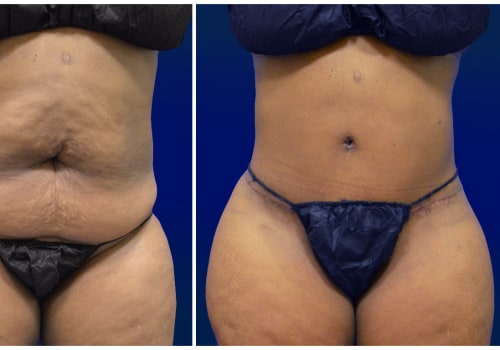
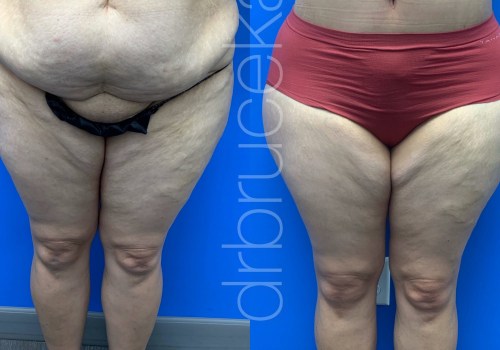
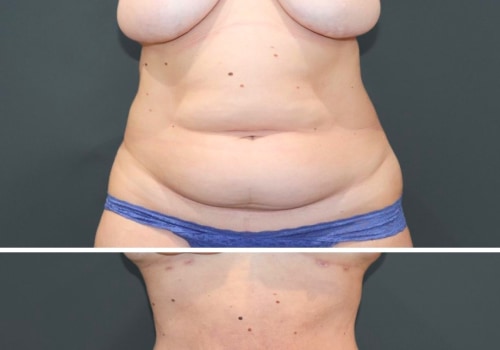
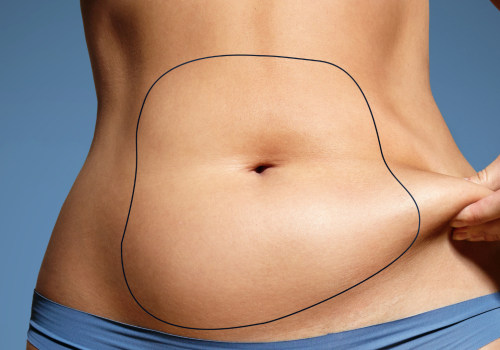
Liposuction is a popular cosmetic surgery procedure designed to reshape and contour the body by removing excess fat deposits. It is often sought after by individuals who struggle with stubborn fat that does not respond to diet and exercise. While many people associate liposuction with weight loss, it is crucial to understand that its primary purpose is not to reduce overall body weight but to enhance body proportions and improve aesthetic appearance.The procedure involves the use of a thin tube, known as a cannula, which is inserted through small incisions in the skin. This cannula is then used to suction out fat from specific areas of the body, such as the abdomen, thighs, buttocks, arms, and neck.
The technique can vary depending on the desired results and the surgeon's approach, with options including tumescent liposuction, ultrasound-assisted liposuction, and laser-assisted liposuction. Each method has its own advantages and can be tailored to meet the unique needs of the patient.Understanding liposuction requires a clear grasp of its intended outcomes. Many patients seek this procedure with the hope of achieving a slimmer silhouette; however, it is essential to have realistic expectations. Liposuction is most effective for individuals who are already close to their ideal weight but have localized fat deposits that are resistant to traditional weight loss methods.
Therefore, it serves as a complementary procedure rather than a standalone solution for weight management.As we delve deeper into the topic of liposuction, it becomes evident that misconceptions abound regarding its role in weight loss. By clarifying what liposuction truly entails and how it functions within the realm of cosmetic surgery, we can better appreciate its benefits and limitations. This understanding will empower potential patients to make informed decisions about their bodies and aesthetic goals.
The Misconception: Liposuction as a Weight Loss Solution
One of the most prevalent misconceptions surrounding liposuction is the belief that it serves primarily as a weight loss solution. Many individuals considering this procedure often envision it as a quick fix to shed excess pounds, but this perception is fundamentally flawed.Understanding the true purpose of liposuction is crucial for setting realistic expectations and achieving satisfactory results.Liposuction is designed to target and remove localized fat deposits that are resistant to diet and exercise. It is not intended for significant weight loss; rather, it focuses on contouring the body by eliminating stubborn fat from specific areas such as the abdomen, thighs, hips, and arms. This distinction is vital because while patients may experience a slight reduction in weight post-procedure, the primary goal is to enhance body shape and proportions.For those who are overweight or obese, liposuction is not a recommended solution. The procedure is most effective for individuals who are already close to their ideal weight but struggle with particular areas of fat accumulation.
In fact, candidates who are within 30% of their healthy weight range tend to achieve the best results. This highlights the importance of maintaining a balanced diet and regular exercise regimen prior to considering liposuction.Moreover, relying solely on liposuction as a means of weight loss can lead to disappointment. Patients may find that while they have undergone surgery, they still need to adopt healthier lifestyle choices to maintain their results. Without these changes, there is a risk that fat may return in other areas of the body, undermining the benefits achieved through the procedure.In contrast to liposuction, traditional methods such as diet and exercise are essential for overall health and sustainable weight management.
These approaches not only help in losing weight but also improve cardiovascular health, boost metabolism, and enhance mental well-being. Therefore, it is crucial to view liposuction as a complementary procedure rather than a standalone solution for weight loss.In summary, while liposuction can provide significant aesthetic improvements by sculpting the body and removing stubborn fat pockets, it should not be misconstrued as a primary method for losing weight. A comprehensive approach that includes healthy eating habits and regular physical activity remains the cornerstone of effective weight management.
What to Expect: Realistic Outcomes of Liposuction
When considering liposuction, it is crucial to have a clear understanding of what the procedure can realistically achieve. Many individuals approach liposuction with the hope of significant weight loss, but it is essential to recognise that this procedure is primarily designed for body contouring rather than substantial weight reduction.On average, patients can expect to lose between 1 to 10 pounds of fat during a liposuction procedure, depending on various factors such as their body mass index (BMI), the amount of fat in the targeted areas, and their overall health.For those who are already at or near their ideal weight, the fat removal may be more modest, typically around 1 to 3 pounds. In contrast, individuals who are still working towards their ideal weight may see slightly higher losses, potentially up to 10 pounds.It is important to note that liposuction is not a solution for obesity or a substitute for a healthy lifestyle. The best candidates for this procedure are individuals who are within 30% of their ideal body weight and have specific areas of stubborn fat that do not respond to diet and exercise. This targeted approach allows for a more sculpted appearance rather than merely focusing on the scale.Furthermore, the results of liposuction can vary significantly from person to person.
Factors influencing these outcomes include:
- Body Composition: Individuals with a higher percentage of body fat may experience different results compared to those with a leaner physique.
- Age: Younger patients often have more elastic skin, which can lead to better contouring results post-surgery.
- Skin Quality: The condition and elasticity of the skin in the treated area can affect how well it conforms after fat removal.
- Post-Operative Care: Following the surgeon's aftercare instructions can significantly impact recovery and final results.
Ideal Candidates for Liposuction: Who Should Consider It?
When considering liposuction, it is crucial to identify who qualifies as an ideal candidate for this procedure. Understanding the characteristics that define suitable candidates can help individuals make informed decisions about their body contouring options.Body Mass Index (BMI) Considerations
A key factor in determining eligibility for liposuction is the patient's Body Mass Index (BMI).
Generally, candidates should have a BMI within the range of 30% of their ideal body weight. This means that individuals who are slightly overweight but not obese are often the best candidates. A BMI that is too high may indicate that a person has excess fat throughout their body, making liposuction less effective and potentially riskier.
Localized Fat Deposits
Another important consideration is the presence of localized fat deposits. Liposuction is designed to target specific areas where fat tends to accumulate, such as the abdomen, thighs, hips, and arms.
Ideal candidates typically have stubborn pockets of fat that do not respond to diet and exercise. These individuals often find that despite maintaining a healthy lifestyle, certain areas remain resistant to change.
Overall Health and Lifestyle
Good overall health is essential for anyone considering liposuction. Candidates should be non-smokers and free from any medical conditions that could complicate surgery or recovery. Additionally, those who lead a healthy lifestyle, including regular exercise and a balanced diet, are more likely to achieve optimal results from the procedure.
Realistic Expectations
Having realistic expectations about the outcomes of liposuction is vital.
Candidates should understand that while liposuction can enhance body contours, it is not a weight-loss solution. Those who expect dramatic weight loss may be disappointed; instead, they should focus on how the procedure can improve their body shape and boost their confidence.
Age Considerations
While there is no strict age limit for liposuction, candidates should be at least 18 years old and in good health. Younger individuals may have more elastic skin, which can lead to better results post-surgery. However, older adults can also benefit from liposuction if they meet other eligibility criteria.In summary, ideal candidates for liposuction are typically those who are close to their ideal weight with localized fat deposits, maintain a healthy lifestyle, have realistic expectations about the procedure's outcomes, and are in good overall health.
Consulting with a qualified cosmetic surgeon can provide further insights into whether liposuction is the right choice for you.
Liposuction Techniques: Understanding the Different Methods
Liposuction has evolved significantly over the years, leading to the development of various techniques that cater to different patient needs and body types. Understanding these methods is crucial for anyone considering the procedure, as each technique offers unique advantages and potential drawbacks.Tumescent Liposuction
Tumescent liposuction is one of the most commonly performed techniques today. This method involves injecting a large volume of a saline solution mixed with local anaesthetic and epinephrine into the targeted fat areas before the actual suctioning occurs. The solution causes the fat cells to swell, making them easier to remove while also minimising blood loss and post-operative pain.- Advantages: The primary benefits of tumescent liposuction include reduced discomfort during and after the procedure, lower risk of complications, and a quicker recovery time.
Patients often experience less bruising and swelling compared to other methods.
- Disadvantages: However, tumescent liposuction may not be suitable for individuals with larger volumes of fat to remove or those requiring more extensive body contouring.
Ultrasound-Assisted Liposuction (UAL)
Ultrasound-assisted liposuction employs sound waves to liquefy fat cells before they are suctioned out. This technique is particularly effective for fibrous areas of the body, such as the back or male breast tissue, where traditional methods may struggle.- Advantages: UAL can facilitate the removal of larger volumes of fat with less trauma to surrounding tissues. This method can also enhance skin tightening due to the heat generated by ultrasound energy.
- Disadvantages: On the downside, UAL may lead to longer recovery times and increased risk of complications such as seromas (fluid accumulation) or thermal injury if not performed correctly.
Other Techniques
In addition to tumescent and ultrasound-assisted liposuction, there are other methods worth mentioning:- Suction-Assisted Liposuction (SAL): This traditional method uses a vacuum-like device to remove fat directly. While effective, it may result in more bruising and discomfort.
- Power-Assisted Liposuction (PAL): This technique utilises a mechanised cannula that vibrates to break up fat cells, making them easier to extract.
It can reduce surgery time and improve precision.
- Laser-Assisted Liposuction (LAL): Similar to UAL, this method uses laser energy to liquefy fat before removal. It can also promote skin tightening but may carry risks associated with heat damage.
Post-Procedure Care: Ensuring Optimal Results After Liposuction
After undergoing liposuction, proper post-operative care is crucial for ensuring optimal results and a smooth recovery. Understanding the recovery process and adhering to specific guidelines can significantly enhance your experience and outcomes.Immediate Post-Operative Care
In the first few days following your procedure, it is essential to prioritise rest. Your body has undergone a significant change, and allowing it time to heal is vital.Here are some key tips for immediate post-operative care:
- Follow Your Surgeon’s Instructions: Adhere strictly to the post-operative guidelines provided by your cosmetic surgeon. This includes medication schedules, activity restrictions, and follow-up appointments.
- Manage Pain and Discomfort: It is normal to experience some pain and swelling after liposuction. Use prescribed pain relief medications as directed, and consider applying cold compresses to reduce swelling.
- Wear Compression Garments: Your surgeon will likely recommend wearing a compression garment for several weeks post-surgery. This helps minimise swelling, supports the healing process, and aids in achieving the desired contour.
Long-Term Recovery Tips
As you progress in your recovery, maintaining a healthy lifestyle becomes increasingly important.Here are some strategies to help you maintain your results:
- Stay Hydrated: Drinking plenty of water aids in recovery and helps maintain skin elasticity. Aim for at least 2 litres of water daily.
- Adopt a Balanced Diet: Focus on consuming nutrient-rich foods that promote healing. Incorporate fruits, vegetables, lean proteins, and whole grains into your meals while avoiding processed foods high in sugar and fat.
- Engage in Light Activity: While strenuous exercise should be avoided initially, gentle activities like walking can improve circulation and speed up recovery. Gradually reintroduce more intense workouts as advised by your surgeon.
Maintaining Results After Liposuction
The results of liposuction can be long-lasting if you commit to a healthy lifestyle.Here are additional tips for maintaining your new shape:
- Regular Exercise: Incorporate both cardiovascular and strength training exercises into your routine at least three times a week. This helps prevent weight gain and keeps your body toned.
- Avoid Yo-Yo Dieting: Fluctuating weight can lead to uneven fat distribution. Aim for gradual weight loss if needed, focusing on sustainable changes rather than quick fixes.
- Schedule Follow-Up Appointments: Regular check-ins with your cosmetic surgeon can help monitor your progress and address any concerns that may arise during your recovery journey.
Liposuction vs. Other Body Contouring Procedures: A Comparative Analysis
When considering body contouring options, it is essential to understand the differences between liposuction, tummy tucks, and non-surgical methods.Each procedure serves distinct purposes and is suited for different body types and aesthetic goals.
Liposuction vs. Tummy Tuck
Liposuction primarily focuses on removing excess fat from specific areas of the body, such as the abdomen, thighs, or arms. It is ideal for individuals who are close to their target weight but struggle with stubborn fat deposits that resist diet and exercise. In contrast, a tummy tuck, or abdominoplasty, is designed to remove excess skin and tighten the abdominal muscles.This procedure is particularly beneficial for those who have experienced significant weight loss or pregnancy, resulting in loose skin and weakened abdominal muscles.While both procedures can enhance body contours, they address different issues:
- Liposuction: Targets fat removal and body shaping.
- Tummy Tuck: Focuses on skin tightening and muscle repair.
Non-Surgical Body Contouring Methods
In recent years, non-surgical body contouring options have gained popularity due to their minimal downtime and less invasive nature. Techniques such as CoolSculpting, SculpSure, and radiofrequency treatments offer alternatives for fat reduction without the need for surgery. These methods work by targeting fat cells through various mechanisms, such as freezing or heating them until they are eliminated by the body.While non-surgical options can be effective for small areas of fat, they typically do not provide the same level of dramatic results as liposuction or tummy tucks. Additionally, non-surgical methods may require multiple sessions to achieve desired outcomes, making them less suitable for individuals seeking immediate or significant changes.Ultimately, the choice between liposuction, tummy tucks, and non-surgical methods depends on individual goals, body type, and the specific concerns one wishes to address.Consulting with a qualified cosmetic surgeon can help determine the most appropriate option tailored to your needs.
Common Myths About Liposuction Debunked
When considering liposuction, it’s essential to separate fact from fiction. Many potential patients are influenced by common myths that can lead to unrealistic expectations. Here, we will debunk some of the most prevalent misconceptions surrounding this cosmetic procedure.- Myth 1: Liposuction is a Weight Loss Solution
One of the biggest misunderstandings is that liposuction is a method for significant weight loss. In reality, liposuction is designed to remove localized fat deposits and sculpt the body rather than serve as a primary weight loss strategy.Most patients only lose a modest amount of weight, typically between 5 to 10 pounds.
- Myth 2: Liposuction is Only for Women
While it’s true that many women seek liposuction, men are increasingly opting for this procedure as well. Liposuction can effectively target stubborn fat areas in men, such as the abdomen and love handles, making it a viable option for anyone looking to enhance their body shape. - Myth 3: Liposuction Removes Cellulite
Another common misconception is that liposuction can eliminate cellulite. Unfortunately, this is not the case. Cellulite is caused by structural changes in the skin and underlying fat, and while liposuction can remove fat, it does not address the skin texture issues associated with cellulite. - Myth 4: Liposuction is a Quick Fix
Many people believe that liposuction offers instant results with minimal effort.However, achieving and maintaining the best results requires a commitment to a healthy lifestyle post-procedure. Patients should continue to exercise regularly and eat a balanced diet to prevent new fat deposits from forming.
- Myth 5: Liposuction is Dangerous
While any surgical procedure carries risks, liposuction is generally safe when performed by a qualified and experienced surgeon. Complications are rare but can occur, which is why thorough pre-operative consultations and following post-operative care instructions are crucial.
Consultation with a Cosmetic Surgeon: What to Ask Before Liposuction
Preparing for a consultation with a cosmetic surgeon is a crucial step in your journey towards liposuction.This meeting is not just an opportunity for the surgeon to evaluate your suitability for the procedure; it is also your chance to gather essential information and clarify any doubts you may have. To ensure you make an informed decision, consider the following key questions to ask during your consultation.
- What are your qualifications and experience? It’s vital to know the surgeon’s credentials, including their training, board certification, and experience specifically in performing liposuction. Ask how many procedures they have completed and if they have any specialisations.
- What techniques do you use for liposuction? There are various liposuction techniques available, such as tumescent, ultrasound-assisted, or laser-assisted liposuction. Understanding which method the surgeon prefers and why can help you gauge their expertise and the expected outcomes.
- What results can I realistically expect? Every patient’s body is different, and results can vary significantly.
Ask to see before-and-after photos of previous patients who have undergone similar procedures. This will give you a clearer idea of what to expect.
- What are the potential risks and complications? Like any surgical procedure, liposuction carries risks. Discuss these openly with your surgeon, including possible complications such as infection, scarring, or uneven results. Understanding these risks will help you weigh the benefits against potential downsides.
- How should I prepare for the procedure? Your surgeon should provide specific instructions on how to prepare for liposuction, including dietary recommendations, medications to avoid, and lifestyle changes that may enhance recovery.
- What is the recovery process like? Inquire about what to expect during recovery, including pain management, activity restrictions, and how long it will take before you can return to normal activities.
Knowing this information can help you plan accordingly.
- Will I need follow-up appointments? Understanding the post-operative care plan is essential. Ask how many follow-up visits will be necessary and what they will entail.
Remember, this is your body and your health; ensuring that you have all the necessary information is paramount before proceeding with liposuction.
Conclusion: The Key Takeaways About Liposuction and Weight Loss
In summary, understanding the relationship between liposuction and weight loss is crucial for anyone considering this cosmetic procedure. While many individuals may approach liposuction with the hope of shedding significant pounds, it is essential to recognise that this treatment is primarily designed for body contouring rather than weight reduction.Here are the key takeaways regarding liposuction and its role in weight management:- Liposuction is not a weight-loss solution: The primary aim of liposuction is to remove stubborn fat deposits from specific areas of the body, enhancing overall shape and definition rather than serving as a method for substantial weight loss.
- Realistic expectations are vital: Patients should anticipate losing only a modest amount of fat—typically between one to five pounds—depending on individual circumstances and the amount of fat targeted during the procedure.
- Ideal candidates: Those who are close to their ideal body weight and have localized fat pockets are generally the best candidates for liposuction. It is not recommended for individuals who are significantly overweight or obese.
- Liposuction complements a healthy lifestyle: For optimal results, it is advisable to maintain a balanced diet and regular exercise regimen post-procedure. This combination can lead to enhanced body shape and further weight loss over time.
- Not a substitute for healthy habits: Liposuction should not be viewed as a replacement for traditional weight loss methods.
It is essential to adopt sustainable lifestyle changes to achieve long-term health benefits.