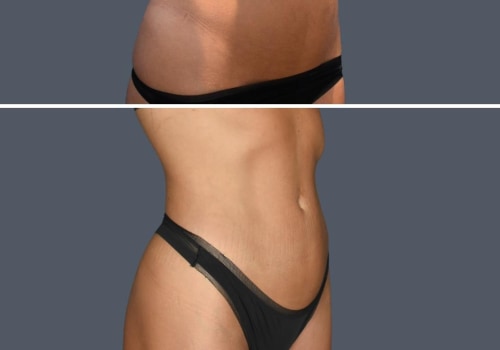
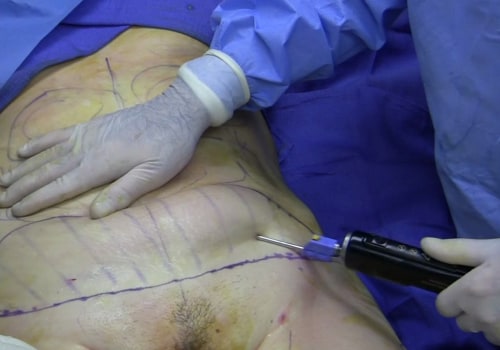
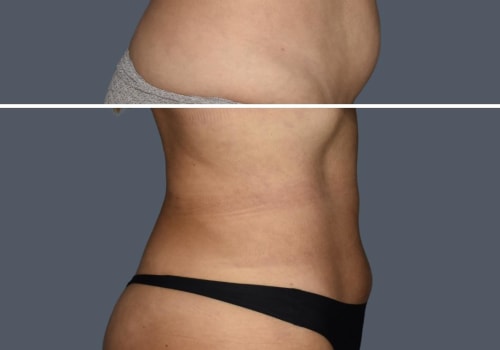
Liposuction is a popular cosmetic surgical procedure designed to remove stubborn fat deposits from various areas of the body. It is often sought after by individuals who struggle to achieve their desired body shape despite maintaining a healthy diet and regular exercise. The procedure targets specific areas where fat tends to accumulate, such as the abdomen, thighs, buttocks, arms, and neck. By eliminating these excess fat cells, liposuction can enhance body contours and improve overall appearance.The liposuction procedure involves the use of a thin tube called a cannula, which is inserted through small incisions in the skin.
This cannula is connected to a vacuum device that gently suction out the unwanted fat. Before the procedure begins, patients typically receive local or general anaesthesia to ensure comfort throughout the process. The surgeon carefully manoeuvres the cannula to break up and remove fat cells while minimising damage to surrounding tissues.Understanding how liposuction works is crucial for anyone considering this procedure. It is not a weight-loss solution but rather a method for sculpting the body by removing localized fat deposits.
The results can be quite dramatic, leading to improved self-esteem and body confidence. However, it is essential to have realistic expectations regarding the amount of fat that can be safely removed in one session. Factors such as individual health, body mass index (BMI), and specific treatment areas play significant roles in determining the outcome.As we delve deeper into the topic of liposuction, we will explore its limitations regarding fat removal, safety considerations, and what potential candidates should know before undergoing this transformative procedure.
How Much Fat Can Be Removed with Liposuction?
Liposuction is a popular cosmetic procedure designed to remove stubborn fat deposits from various areas of the body. However, many individuals considering this treatment often wonder: how much fat can actually be removed during a single session? Understanding the limits of fat removal is crucial for setting realistic expectations and ensuring safety during the procedure.The maximum amount of fat that can be safely extracted in one liposuction session typically ranges between three to five litres , which is approximately 6.6 to 11 pounds.To put this into perspective, imagine carrying around a large bottle of soda; a standard two-litre bottle weighs about 4.4 pounds. Therefore, the total volume of fat that can be removed in a single session is roughly equivalent to filling two and a half of these bottles.It’s important to note that while some surgeons may claim they can remove more, exceeding the safe limits can significantly increase the risk of complications. The American Society of Plastic SurgeonsAmerican Society of Plastic Surgeons recommends that no more than five litres should be removed in an outpatient setting. This guideline is in place to protect patients from potential adverse effects such as fluid imbalance, excessive blood loss, and prolonged recovery times.Moreover, the amount of fat that can be removed also depends on several factors, including:
- Body Mass Index (BMI): Patients with a higher BMI may have more fat available for removal, but safety limits still apply.
- Treatment Area: Different body areas may have varying amounts of fat; for instance, the abdomen may allow for more fat removal compared to the arms or thighs.
- Patient Health: Overall health and medical history play a significant role in determining how much fat can be safely removed.
Patients should consult with a qualified plastic surgeon who can assess their individual circumstances and provide tailored advice on what to expect from the procedure.
Factors Influencing Fat Removal Amount
When considering liposuction, it is essential to understand that several factors can significantly influence the amount of fat that can be safely removed during the procedure. These factors include the patient's body mass index (BMI), the specific treatment area, and individual goals regarding body contouring.Body Mass Index (BMI)
BMI is a critical factor in determining the suitability of a patient for liposuction and the potential volume of fat that can be removed. Generally, patients with a lower BMI may have a more defined fat distribution, allowing for more precise fat removal. Conversely, individuals with a higher BMI may have more extensive fat deposits, but this can also complicate the procedure.Surgeons often recommend that patients achieve a stable weight before undergoing liposuction to ensure optimal results.
Treatment Area
The area of the body being treated plays a significant role in how much fat can be removed. Different regions have varying amounts of fat and skin elasticity, which can affect the outcome:- Abdomen: This area typically allows for the removal of larger volumes of fat due to its capacity to store excess fat.
- Thighs: Fat removal from the thighs can be effective, but it may require careful consideration of skin elasticity to avoid sagging.
- Arms: The upper arms can also be treated, but the amount of fat removed is often limited by skin laxity.
Individual Goals
Each patient's goals and expectations are paramount in determining how much fat can be removed. A thorough consultation with a board-certified plastic surgeon will help establish realistic objectives based on individual body types and desired outcomes. Patients seeking significant changes should understand that multiple sessions may be necessary to achieve their ideal results safely.In summary, understanding these factors—BMI, treatment area, and personal goals—can help set realistic expectations for liposuction outcomes.Consulting with an experienced surgeon is crucial to tailor the procedure to each individual's unique needs and ensure safety while achieving desired aesthetic results.
Safety Considerations in Liposuction
When considering liposuction, understanding the safety aspects of the procedure is paramount. While liposuction can effectively remove stubborn fat, it is essential to be aware of the potential risks and complications that may arise, particularly with high-volume procedures.Understanding the Risks
- Infection: As with any surgical procedure, there is a risk of infection at the incision sites. Proper aftercare and hygiene are crucial to minimise this risk.
- Fluid Accumulation: Post-surgery, some patients may experience fluid accumulation in the treated areas, known as seromas. This may require additional procedures to drain the fluid.
- Blood Clots: The risk of blood clots increases with any surgery, including liposuction.
These clots can lead to serious complications if they travel to the lungs or heart.
- Nerve Damage: Although rare, nerve damage can occur during liposuction, leading to temporary or permanent changes in sensation in the treated areas.
- Scarring: While surgeons aim to make incisions as discreet as possible, scarring is an inevitable part of any surgical procedure.
Complications of High-Volume Liposuction
High-volume liposuction, which involves removing larger amounts of fat in a single session, carries additional risks. These include:
- Fluid Imbalance: Removing excessive fat can disrupt the body’s fluid balance, leading to complications such as dehydration or electrolyte imbalances.
- Anesthesia Risks: High-volume procedures often require general anesthesia, which carries its own set of risks, including respiratory issues and adverse reactions.
- Extended Recovery Time: Patients undergoing high-volume liposuction may experience longer recovery times and increased discomfort compared to standard procedures.
The Importance of Choosing a Qualified Surgeon
The most effective way to mitigate risks associated with liposuction is by selecting a qualified and experienced surgeon. A board-certified plastic surgeon will not only have the necessary skills but will also prioritise patient safety. During your consultation, ensure that you discuss:
- Your medical history and any pre-existing conditions that may affect your surgery.
- The specific techniques that will be used and their associated risks.
- The expected recovery process and how to manage post-operative care effectively.
By being informed and choosing a qualified surgeon, you can significantly reduce the risks associated with this popular cosmetic surgery.
Liposuction vs. Weight Loss: What You Need to Know
When considering body contouring options, it is essential to understand the fundamental differences between liposuction and traditional weight loss methods such as diet and exercise. While both aim to improve body shape and enhance self-esteem, they serve distinct purposes and are suitable for different individuals.Liposuction
is primarily a cosmetic procedure designed to remove stubborn fat deposits that are resistant to diet and exercise. It is not intended as a weight loss solution for those who are significantly overweight or obese.
Instead, liposuction targets specific areas of the body, such as the abdomen, thighs, hips, and arms, to create a more contoured appearance. This procedure is ideal for individuals who are close to their ideal weight but struggle with localized fat pockets that do not respond to lifestyle changes.In contrast, traditional weight loss methods focus on reducing overall body weight through caloric deficit achieved by dietary changes and increased physical activity. These methods are effective for individuals looking to lose a significant amount of weight and improve their overall health. A balanced diet combined with regular exercise can lead to sustainable weight loss and long-term health benefits.It is crucial to note that liposuction should not be viewed as a substitute for healthy lifestyle choices.
While it can enhance the results of weight loss efforts by refining body contours, it does not address the underlying issues related to obesity or poor dietary habits. Patients who undergo liposuction must commit to maintaining a healthy lifestyle post-procedure to ensure lasting results.For those considering their options, here are some key points to keep in mind:
- Liposuction: Best for targeted fat removal; not a primary weight loss method.
- Diet and Exercise: Effective for overall weight loss; promotes long-term health.
- Combination Approach: Many find success by integrating both methods—losing weight through lifestyle changes before undergoing liposuction for final contouring.
Post-Procedure Care and Maintenance
After undergoing liposuction, the journey does not end with the procedure itself. Proper post-operative care is crucial for ensuring optimal results and maintaining the new body contour.Here are some essential tips for recovery and long-term maintenance:
Immediate Post-Operative Care
In the days following your liposuction procedure, it is vital to follow your surgeon's specific instructions. Here are some general guidelines:- Rest and Recovery: Allow your body ample time to heal. Avoid strenuous activities and heavy lifting for at least two weeks.
- Compression Garments: Wear the prescribed compression garments as directed. These help reduce swelling and support your new shape.
- Hydration: Drink plenty of water to stay hydrated, which aids in recovery and helps flush out toxins.
- Pain Management: Take prescribed pain medications as needed, but avoid over-the-counter medications like aspirin that can increase bleeding.
Maintaining Results After Liposuction
While liposuction effectively removes fat cells, it is essential to adopt a healthy lifestyle to maintain your results.Here are some strategies:
- Balanced Diet: Focus on a nutritious diet rich in fruits, vegetables, lean proteins, and whole grains. Avoid processed foods high in sugar and unhealthy fats.
- Regular Exercise: Incorporate a consistent exercise routine that includes both cardiovascular and strength training exercises. Aim for at least 150 minutes of moderate aerobic activity each week.
- Weight Management: Monitor your weight regularly. If you notice any significant fluctuations, consult with a healthcare professional for guidance.
- Avoiding Yo-Yo Dieting: Steer clear of extreme diets that promise quick results.
Instead, focus on sustainable lifestyle changes that promote gradual weight loss or maintenance.
Long-Term Care Considerations
Your commitment to a healthy lifestyle will play a significant role in how well you maintain your liposuction results over time. Consider these additional tips:- Regular Check-Ups: Schedule follow-up appointments with your surgeon to monitor your progress and address any concerns.
- Skin Care: Invest in good skincare products to keep your skin healthy and elastic, which can enhance the appearance of your results.
- Mental Well-Being: Engage in activities that promote mental health, such as yoga or meditation, which can help you manage stress and maintain motivation.
Common Myths About Liposuction Debunked
Liposuction is often surrounded by a cloud of myths and misconceptions that can lead to misunderstandings about what the procedure entails and what it can achieve. Here, we aim to debunk some of the most common myths associated with liposuction, providing clarity for those considering this surgical option.- Myth 1: Liposuction is a Weight Loss Solution
Many people believe that liposuction is an effective method for significant weight loss. In reality, liposuction is designed to remove stubborn fat deposits that are resistant to diet and exercise, not to serve as a primary weight loss strategy.The procedure is most effective for individuals who are already at or near their ideal weight but wish to contour specific areas of their body.
- Myth 2: Liposuction Can Remove Fat from Anywhere
While liposuction can target various areas such as the abdomen, thighs, and arms, it is not suitable for every part of the body. Certain areas may not respond well to the procedure, and a consultation with a qualified surgeon is essential to determine the best approach for your individual needs. - Myth 3: Liposuction Results Are Permanent
Although liposuction permanently removes fat cells from the treated areas, it does not prevent new fat from accumulating if a healthy lifestyle is not maintained. Patients must commit to a balanced diet and regular exercise post-surgery to ensure long-lasting results. - Myth 4: Liposuction Is Only for Women
This misconception overlooks the fact that men also seek liposuction to address stubborn fat pockets. The procedure has gained popularity among men looking to enhance their physique and achieve a more toned appearance. - Myth 5: Liposuction Is a Quick Fix
Many individuals view liposuction as a shortcut to achieving their desired body shape.However, it is crucial to understand that while the procedure can provide immediate results, it requires time for recovery and should be complemented by lifestyle changes for optimal outcomes.
Consultation: What to Expect Before Liposuction
When considering liposuction, the consultation process is a crucial first step that sets the foundation for your surgical journey. During this initial meeting, you will have the opportunity to discuss your goals, expectations, and any concerns you may have with a qualified plastic surgeon.What to Expect During Your Consultation
- Medical History Review: Your surgeon will begin by reviewing your medical history, including any previous surgeries, current medications, and underlying health conditions. This information is vital to ensure your safety during the procedure.
- Physical Examination: A thorough physical examination will be conducted to assess your body composition and identify the areas where fat removal is desired.
This helps in determining your suitability for liposuction.
- Discussion of Goals: You will be encouraged to express your aesthetic goals. Be clear about what you hope to achieve with liposuction, as this will guide the surgeon in tailoring the procedure to meet your needs.
- Explanation of Techniques: The surgeon will explain the different liposuction techniques available, such as tumescent or Vaser liposuction, and recommend the most appropriate method based on your individual circumstances. The surgeon will explain the different liposuction techniques available, such as tumescent or Vaser liposuction, and recommend the most appropriate method based on your individual circumstances.
- Risks and Benefits: It’s essential to understand both the potential risks and benefits associated with liposuction. Your surgeon should provide a candid discussion about what you can realistically expect from the procedure.
Questions to Ask During Your Consultation
To make an informed decision, consider asking the following questions:
- What are your qualifications and experience with liposuction?
- Can you show me before-and-after photos of previous patients?
- What is the expected recovery time, and what should I anticipate during my healing process?
- How many procedures have you performed, and what is your complication rate?
- What type of anaesthesia will be used during my surgery?
Preparing for Your Consultation
To maximise the effectiveness of your consultation, consider preparing in advance:
- List Your Goals: Write down specific areas of concern and desired outcomes to discuss with your surgeon.
- Gather Medical Records: Bring any relevant medical records or information about medications you are currently taking.
- Prepare Questions: Have a list of questions ready to ensure all your concerns are addressed during the meeting.
Conclusion: Making Informed Decisions About Liposuction
In conclusion, understanding the realities of liposuction is crucial for anyone considering this procedure.While it offers a viable solution for removing stubborn fat deposits, it is essential to recognise its limitations and the importance of setting realistic expectations. The maximum amount of fat that can be safely removed in a single session typically ranges from six to ten pounds, depending on various factors such as the patient's overall health, body mass index (BMI), and the specific areas being treated.Moreover, it is vital to remember that liposuction is not a weight-loss solution but rather a body contouring procedure. It is designed to target specific areas of fat that are resistant to diet and exercise. Therefore, individuals seeking significant weight loss should consider other methods in conjunction with or prior to undergoing liposuction.Before making a decision, potential patients should:
- Consult with a qualified surgeon: A board-certified plastic surgeon can provide personalised advice based on your unique body type and aesthetic goals.
- Understand the risks: Like any surgical procedure, liposuction carries risks, including complications from anaesthesia and potential for uneven results.
- Consider lifestyle changes: Maintaining a healthy diet and regular exercise regimen post-surgery is crucial for achieving and sustaining desired results.
- Set realistic goals: Understand that liposuction can enhance your body shape but will not replace the need for a healthy lifestyle.
By prioritising safety and realistic outcomes, you can ensure that your experience with liposuction is both positive and rewarding. Remember, the journey towards achieving your ideal body shape is not just about the procedure itself but also about embracing a holistic approach to health and wellness.