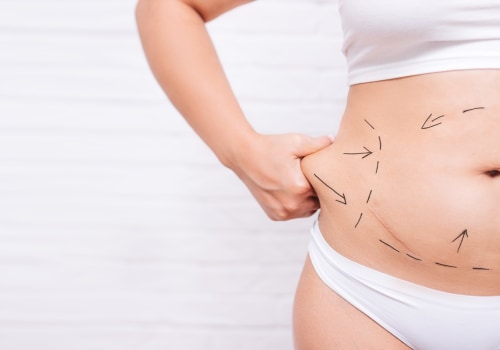
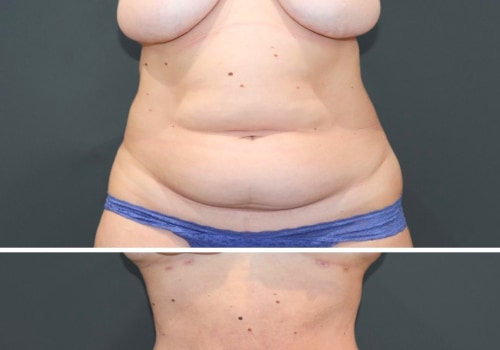
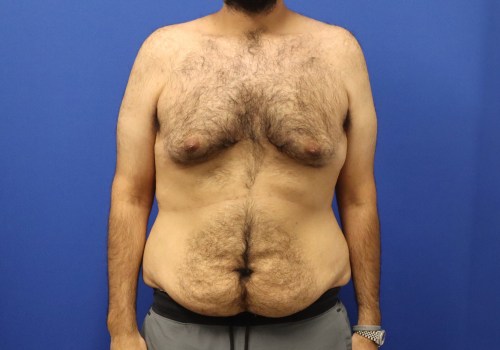
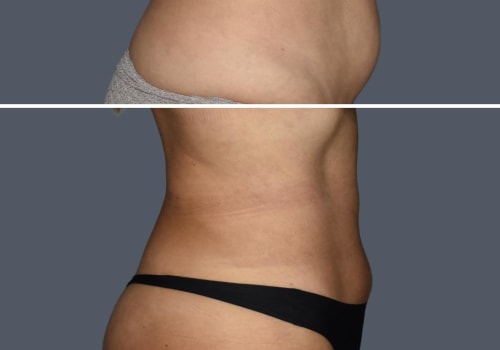
Liposuction is a widely sought-after cosmetic procedure designed to remove stubborn fat deposits from various areas of the body, enhancing overall body contour and shape. This surgical technique is particularly effective for individuals who struggle with localized fat that does not respond to diet and exercise. By targeting specific areas such as the abdomen, thighs, hips, and arms, liposuction can help patients achieve a more sculpted appearance, boosting their confidence and self-esteem.The primary purpose of liposuction is not merely weight loss; rather, it serves as a body contouring solution for those who are already close to their ideal weight but wish to eliminate fat pockets that persist despite their best efforts. This distinction is crucial, as liposuction is intended to refine and enhance body shape rather than serve as a substitute for a healthy lifestyle.
Patients often report feeling more comfortable in their own skin following the procedure, which can lead to improved mental well-being and a more active lifestyle.Among the numerous benefits of liposuction, one of the most significant is its ability to provide immediate results. Unlike traditional weight loss methods that may take months or even years to show visible changes, liposuction can yield noticeable improvements shortly after the procedure. Additionally, advancements in technology have led to less invasive techniques, resulting in reduced recovery times and minimal scarring. Furthermore, many patients find that the motivation gained from their new physique encourages them to maintain healthier habits post-surgery.As we delve deeper into the topic of liposuction, it is essential to understand the importance of adhering to safe limits during the procedure. Patients often report feeling more comfortable in their own skin following the procedure, which can lead to improved mental well-being and a more active lifestyle.Among the numerous benefits of liposuction, one of the most significant is its ability to provide immediate results. Unlike traditional weight loss methods that may take months or even years to show visible changes, liposuction can yield noticeable improvements shortly after the procedure. Additionally, advancements in technology have led to less invasive techniques, resulting in reduced recovery times and minimal scarring. Furthermore, many patients find that the motivation gained from their new physique encourages them to maintain healthier habits post-surgery.As we delve deeper into the topic of liposuction, it is essential to understand the importance of adhering to safe limits during the procedure.
While the allure of achieving dramatic results can be tempting, exceeding recommended fat removal volumes can significantly increase the risk of complications. Therefore, a thorough understanding of what liposuction entails and its potential benefits will lay the groundwork for discussing safe practices in this transformative surgical journey.
What is Liposuction?
Liposuction
is a cosmetic surgical procedure designed to remove excess fat deposits from specific areas of the body, enhancing body contours and proportions. It is particularly effective for individuals who struggle with stubborn fat that does not respond to diet and exercise. While liposuction is not a weight-loss solution, it can significantly improve the overall appearance of the body by targeting localized fat pockets.There are several types of liposuction , each employing different techniques to achieve optimal results:
- Tumescent Liposuction: This is the most common form of liposuction, where a solution containing saline, lidocaine, and epinephrine is injected into the fatty tissue.
This solution helps to numb the area, reduce bleeding, and facilitate fat removal. The surgeon then uses a cannula to suction out the fat.
- Ultrasound-Assisted Liposuction (UAL): This technique uses ultrasonic waves to liquefy fat cells before they are removed. The ultrasound energy breaks down the fat, making it easier to suction out. UAL is particularly beneficial for fibrous areas of the body, such as the back or male breast tissue.
- Laser-Assisted Liposuction (LAL): In this method, laser energy is used to melt away fat cells before they are extracted.
The heat from the laser also promotes skin tightening, which can enhance the overall results of the procedure.
It allows them to make informed decisions about which method may be best suited for their individual needs while also highlighting the importance of adhering to safe limits during fat removal.
The Safe Limits for Fat Removal in Liposuction
Liposuction is a highly sought-after cosmetic procedure designed to sculpt and enhance body contours by removing stubborn fat deposits. However, it is crucial to understand the safe limits for fat removal during this procedure to ensure patient safety and optimal results.The generally accepted maximum amount of fat that can be safely removed through liposuction ranges from six to eight poundssix to eight pounds, which is approximately three to four litres. This guideline is based on extensive clinical research and the experiences of board-certified plastic surgeons. Exceeding this limit can significantly increase the risk of complications, which can range from minor issues to more severe health concerns.When liposuction procedures exceed the recommended fat removal limits, patients may face several potential risks:- Fluid Imbalance: Removing excessive fat can lead to fluid loss, resulting in dehydration or electrolyte imbalances, which can be dangerous if not managed properly.
- Seroma Formation: One of the most common complications associated with excessive fat removal is the accumulation of fluid in the surgical area, known as a seroma.
This may require additional procedures to drain the fluid.
- Infection: The risk of infection increases with larger surgical volumes due to extended surgical time and trauma to surrounding tissues.
- Prolonged Recovery: Patients who undergo excessive fat removal may experience longer recovery times, increased pain, and swelling, which can delay their return to normal activities.
- Scarring: Larger incisions may be necessary for extensive fat removal, leading to more noticeable scarring.
Factors Influencing Safe Limits in Liposuction
When considering liposuction, it is crucial to understand the various factors that can influence the safe limits for fat removal. These factors not only affect the amount of fat that can be safely extracted but also play a significant role in determining a patient’s overall suitability for the procedure.Patient Health Status
The health of the patient is perhaps the most critical factor influencing the safety of liposuction.Individuals with pre-existing medical conditions such as diabetes, heart disease, or respiratory issues may face increased risks during and after the procedure. A thorough medical evaluation is essential to identify any potential complications that could arise from undergoing liposuction.
Body Mass Index (BMI)
BMI is a widely used metric to assess whether an individual is underweight, normal weight, overweight, or obese. For liposuction candidates, a BMI of less than 30 is generally recommended to ensure safety and optimal results. Patients with a higher BMI may be advised to lose weight before considering liposuction, as excess weight can complicate the procedure and recovery process.Age and Physical Condition
Age can also play a significant role in determining safe limits for fat removal.Younger patients typically have better skin elasticity and healing capabilities, which can lead to more satisfactory outcomes. Conversely, older patients may experience slower recovery times and may have less elastic skin, which could affect the final results of the procedure.
Overall Physical Condition
A patient’s overall physical condition, including their fitness level and lifestyle choices, can impact both the safety and effectiveness of liposuction. Individuals who lead a sedentary lifestyle or have poor nutrition may not be ideal candidates for the procedure. It is advisable for patients to engage in regular exercise and maintain a balanced diet prior to surgery to enhance their overall health and improve surgical outcomes.In summary, understanding these factors—patient health status, BMI, age, and overall physical condition—can help individuals assess their suitability for liposuction.Consulting with a qualified surgeon will provide tailored advice based on personal health profiles and aesthetic goals.
Potential Risks and Complications of Exceeding Safe Limits
When considering liposuction, it is crucial to understand the potential risks and complications associated with exceeding the recommended limits for fat removal. While liposuction can effectively enhance body contours, removing too much fat can lead to serious health issues that may compromise the overall success of the procedure.Fluid Accumulation (Seroma)
One of the most common complications resulting from excessive fat removal is fluid accumulation, known as seroma. This occurs when fluid builds up in the space left by the removed fat, leading to swelling and discomfort. In some cases, seromas may require drainage through a needle or a small surgical procedure to alleviate pressure and promote healing.Infection Risks
Exceeding safe limits during liposuction can also increase the risk of infection.The more extensive the procedure, the greater the chance of bacteria entering the body through incisions. Infections can lead to prolonged recovery times and may necessitate additional treatments, including antibiotics or further surgical intervention.
Other Serious Complications
Beyond seromas and infections, there are other serious complications that can arise from excessive fat removal:- Haematoma: This is a collection of blood outside of blood vessels that can occur if blood vessels are damaged during surgery. Haematomas can cause swelling and pain, requiring surgical drainage.
- Skin Necrosis: Removing too much fat can compromise blood flow to the skin, leading to tissue death (necrosis). This condition may require further surgical procedures to remove dead tissue and promote healing.
- Asymmetry: Over-removal of fat from one area compared to another can result in uneven contours, necessitating corrective procedures to achieve a balanced appearance.
- Anesthesia Complications: Larger volumes of fat removal often require general anesthesia, which carries its own set of risks, including respiratory issues and adverse reactions.
Patients should engage in thorough discussions with their surgeons about their goals and expectations while understanding the potential risks involved. Prioritising safety will not only enhance aesthetic outcomes but also safeguard overall health during the recovery process.
Preparing for Liposuction: What You Need to Know
Preparing for a liposuction procedure is a crucial step that can significantly influence the outcome and safety of the surgery. Understanding what to expect and how to prepare can help alleviate anxiety and ensure a smoother experience.Consultation with Your Surgeon
The first step in preparing for liposuction is to schedule a comprehensive consultation with your surgeon. This meeting is essential for discussing your goals, expectations, and any concerns you may have.During this consultation, consider the following tips:
- Be Honest: Share your medical history, including any previous surgeries, medications, and allergies. This information is vital for your surgeon to assess your suitability for the procedure.
- Ask Questions: Don’t hesitate to ask about the procedure itself, recovery time, potential risks, and expected results. Understanding these aspects will help you make an informed decision.
- Discuss Your Goals: Clearly articulate what you hope to achieve with liposuction. This will help your surgeon tailor the procedure to meet your specific needs.
Pre-Operative Assessments
Your surgeon may recommend several pre-operative assessments to ensure you are in good health before undergoing liposuction.These assessments may include:
- Physical Examination: A thorough physical exam will help identify any underlying health issues that could affect the surgery.
- Blood Tests: Routine blood tests may be conducted to check for any abnormalities that could pose risks during surgery.
- Imaging Studies: In some cases, imaging studies may be necessary to evaluate the areas targeted for fat removal.
Lifestyle Changes
Making certain lifestyle changes before your liposuction procedure can enhance both safety and results. Consider implementing the following:- Avoid Smoking: If you smoke, it is advisable to quit at least four weeks before surgery. Smoking can impair healing and increase the risk of complications.
- Maintain a Healthy Diet: Focus on a balanced diet rich in fruits, vegetables, lean proteins, and whole grains. This will help optimise your body’s condition leading up to the surgery.
- Stay Hydrated: Drinking plenty of water is essential for overall health and can aid in recovery post-surgery.
- Avoid Certain Medications: Discuss with your surgeon any medications or supplements you are taking.
Some may need to be paused prior to surgery to reduce bleeding risks.
Post-Operative Care After Liposuction
After undergoing liposuction, proper post-operative care is crucial for ensuring a smooth recovery and achieving the best possible results. Understanding the recovery timeline, managing side effects, and knowing when to seek medical attention can significantly impact your overall experience.Recovery Timeline
The recovery period following liposuction varies from person to person, but there are general timelines that can help you gauge your progress:- First 24-48 hours: Expect swelling, bruising, and discomfort. Pain management will be essential during this time, and your surgeon may prescribe pain relief medication.
- First week: Most patients can return to light activities within a few days.
However, strenuous exercise and heavy lifting should be avoided for at least a week.
- Two weeks: Many patients feel significantly better and can resume normal daily activities. However, it’s advisable to avoid high-impact workouts until cleared by your surgeon.
- Four to six weeks: By this time, most swelling should subside, and you will start to see the final results of your procedure. Follow-up appointments with your surgeon will help monitor your healing process.
Managing Side Effects
Side effects are common after liposuction, but they can be managed effectively with the right strategies:- Swelling and Bruising: Use compression garments as recommended by your surgeon to help reduce swelling. Ice packs can also be applied to the affected areas for short periods to alleviate discomfort.
- Pain and Discomfort: Take prescribed pain medications as directed.
Over-the-counter pain relievers may also be effective, but consult your surgeon before combining medications.
- Nausea: If you experience nausea, try eating small, bland meals and stay hydrated. If symptoms persist, contact your healthcare provider.
When to Seek Medical Attention
While most side effects are manageable, certain symptoms may indicate complications that require immediate medical attention:- If you experience severe pain that is not alleviated by medication.
- If you notice excessive swelling or bruising that worsens over time.
- If you develop a fever or chills, which could indicate an infection.
- If there is any unusual discharge from the incision sites.
Frequently Asked Questions About Liposuction Safety Limits
When considering liposuction, many patients have questions regarding the safety limits associated with the procedure. Understanding these limits is crucial for ensuring a safe and effective outcome.Below are some frequently asked questions that address common concerns about liposuction safety.
What is the maximum amount of fat that can be safely removed during liposuction?
The generally accepted safe limit for fat removal during a single liposuction procedure is between six to eight pounds, or approximately three to four litres. Exceeding this volume can significantly increase the risk of complications, including fluid accumulation and other serious issues.Are there risks associated with exceeding the fat removal limit?
Yes, removing more than the recommended amount of fat can lead to various complications. These may include:- Fluid accumulation: This is one of the most common complications, often requiring drainage.
- Infection: Increased fat removal can heighten the risk of postoperative infections.
- Serious health issues: In extreme cases, excessive fat removal can lead to life-threatening conditions.
How does my overall health affect my liposuction safety?
Your overall health plays a significant role in determining how much fat can be safely removed. Factors such as your body mass index (BMI), pre-existing medical conditions, and overall physical fitness will be evaluated by your surgeon during the consultation process.Generally, patients with a BMI under 30 are considered ideal candidates for liposuction.
Can I undergo multiple liposuction procedures?
While it is possible to have multiple liposuction procedures, it is essential to allow adequate time for recovery between sessions. Surgeons typically recommend waiting several months before considering another procedure to ensure your body has fully healed and to minimise risks.What should I do if I have more questions about liposuction safety?
If you have further questions or concerns about the safety limits of liposuction, it is best to consult with a qualified plastic surgeon. They can provide personalised advice based on your individual health profile and aesthetic goals, ensuring you make an informed decision about your treatment options.Conclusion: Key Takeaways on Liposuction Safety Limits
In summary, understanding the safe limits for fat removal during liposuction is crucial for ensuring both the safety and effectiveness of the procedure. Throughout this article, we have highlighted several key points that are essential for anyone considering liposuction.- Maximum Fat Removal: The generally accepted safe limit for fat removal through liposuction is between six to eight pounds, or approximately three to four litres.
Exceeding this volume significantly increases the risk of complications.
- Complication Risks: The likelihood of complications, such as fluid accumulation or seromas, rises with the volume of fat removed. Adhering to recommended limits helps mitigate these risks.
- Patient Health Considerations: Factors such as a patient’s overall health, body mass index (BMI), and skin elasticity play a vital role in determining how much fat can be safely removed. Patients with a BMI close to 30 are generally considered ideal candidates for liposuction.
- Pre-Procedure Weight Management: It is advisable for patients to reach their target weight before undergoing liposuction. This not only enhances the results but also reduces the risk of complications during and after the procedure.
- Consultation Importance: A thorough consultation with a qualified surgeon is essential.
This allows for a personalised assessment and helps establish realistic expectations regarding the outcomes of the procedure.