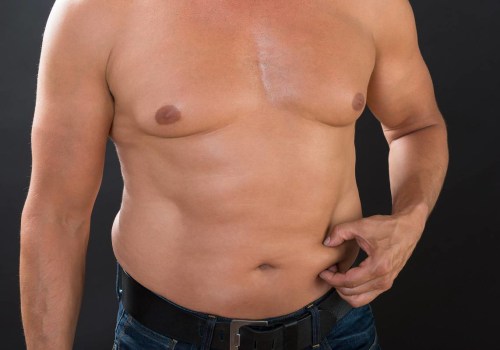
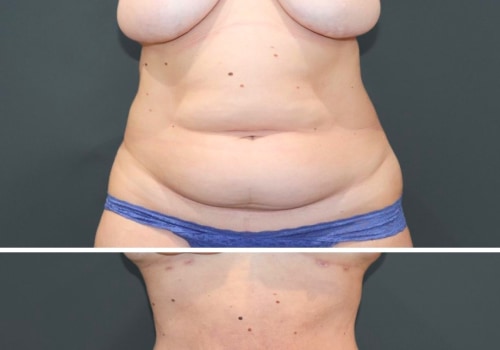
Liposuction is a popular cosmetic procedure designed to remove stubborn fat deposits from various areas of the body. It is often sought after by individuals who struggle with localized fat that does not respond to diet and exercise. This surgical technique allows for the targeted removal of fat cells, resulting in a more contoured and aesthetically pleasing body shape. Understanding the intricacies of liposuction is essential for anyone considering this procedure, as it provides insight into what to expect and how it can impact one’s body.The liposuction procedure typically begins with a consultation where the surgeon evaluates the patient’s health, discusses their goals, and determines the most suitable approach.
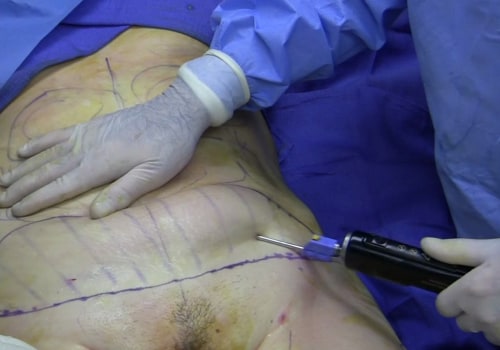
During the surgery, a thin tube called a cannula is inserted through small incisions in the skin. The cannula is used to break up and suction out excess fat from specific areas such as the abdomen, thighs, hips, arms, and neck. The procedure can be performed under local or general anaesthesia, depending on the extent of fat removal and the patient’s comfort level.One of the key aspects of liposuction is its ability to sculpt the body rather than simply reduce weight. While it effectively removes fat cells from targeted areas, it is important to note that liposuction does not prevent future weight gain.
Remaining fat cells in untreated areas can still expand if a patient does not maintain a healthy lifestyle post-surgery. Therefore, understanding how liposuction works and its limitations is crucial for achieving long-lasting results.In summary, liposuction offers a solution for those looking to enhance their body contours by removing unwanted fat deposits. However, it is not a substitute for healthy living; rather, it should be viewed as a complement to a balanced diet and regular exercise. By grasping the fundamentals of this procedure, patients can make informed decisions about their bodies and set realistic expectations for their post-operative journey.
The Science Behind Fat Removal and Body Contouring
Liposuction is a sophisticated surgical procedure designed to remove unwanted fat deposits from specific areas of the body, thereby enhancing overall body contour.To understand how liposuction effectively removes fat, it is essential to delve into the biological mechanisms involved and the types of fat cells targeted during the process.At its core, liposuction targets adipocytes , which are the cells responsible for storing fat in the body. These cells can be classified into two main types: subcutaneous fatsubcutaneous fat and visceral fatvisceral fat. Subcutaneous fat is located just beneath the skin and is the primary target during liposuction. This type of fat is often responsible for the appearance of bulges and excess weight in areas such as the abdomen, thighs, and arms.
In contrast, visceral fat surrounds internal organs and is not typically addressed through liposuction due to its deeper location and associated health risks.The procedure itself involves the use of a thin, hollow tube known as a cannula , which is inserted through small incisions in the skin. The surgeon then uses this cannula to break apart and suction out the targeted fat cells. This method allows for precise removal of fat while minimising damage to surrounding tissues, which is crucial for achieving smooth and natural-looking results.One of the key aspects of liposuction is that it does not eliminate all fat cells in the treated area. Instead, it reduces their number significantly.
This reduction means that even after surgery, there are still some adipocytes present that can expand if a patient gains weight. Therefore, while liposuction can create a more contoured appearance by removing stubborn fat pockets, it does not guarantee immunity from future weight gain.Moreover, understanding the body's response to weight changes post-liposuction is vital. If a patient does not maintain a healthy lifestyle after surgery, the remaining fat cells can enlarge, leading to potential weight gain in both treated and untreated areas. This phenomenon underscores the importance of adopting sustainable lifestyle habits following liposuction to preserve results.In summary, while liposuction effectively removes specific fat deposits by targeting subcutaneous adipocytes through a minimally invasive technique, it is crucial for patients to recognise that maintaining a healthy weight post-procedure is essential for long-lasting results.
By understanding these biological mechanisms, patients can make informed decisions about their body contouring journey.
What Happens to Fat Cells After Liposuction?
After undergoing liposuction, many patients are curious about the fate of their fat cells. It is essential to understand that while liposuction effectively removes a significant number of fat cells from targeted areas, it does not eliminate all fat cells in those regions. This selective removal leads to a permanent reduction in fat cell quantity, which can result in a more contoured appearance.However, a common misconception is that fat can return to the treated areas after surgery. In reality, the fat cells that have been removed are gone for good.What can happen instead is that if a patient gains weight post-surgery, the remaining fat cells throughout the body can expand. This means that while the treated areas may not regain fat in the same way, surrounding areas may experience an increase in fat accumulation.To illustrate this point further, consider the following:
- Fat Cell Distribution: The body has a finite number of fat cells, and liposuction reduces this number in specific areas. If weight is gained, the remaining fat cells will enlarge rather than new ones forming in the treated area.
- Weight Management: Maintaining a healthy lifestyle post-liposuction is crucial. Patients who adopt balanced diets and regular exercise routines are more likely to preserve their results and prevent unwanted weight gain.
- Body Composition Changes: Factors such as age, hormonal changes, and lifestyle choices can influence how and where fat is stored in the body after liposuction.
Remaining fat cells can grow if a healthy weight is not maintained, leading to potential dissatisfaction with results. Therefore, adopting a sustainable approach to health and fitness after surgery is essential for long-term success.
Maintaining Results: The Role of Lifestyle Choices
After undergoing liposuction, many patients are eager to enjoy their new body contours. However, the journey does not end with the procedure; maintaining the results is crucial and largely depends on lifestyle choices. A commitment to a healthy lifestyle can significantly enhance the longevity of the results achieved through liposuction.Dietary Considerations
- Balanced Nutrition: A well-rounded diet rich in fruits, vegetables, whole grains, and lean proteins is essential.
These foods provide the necessary nutrients to support recovery and overall health.
- Portion Control: After liposuction, it’s important to be mindful of portion sizes. Overeating can lead to weight gain, which may affect the areas treated during surgery.
- Hydration: Drinking plenty of water helps maintain skin elasticity and overall health. Staying hydrated can also aid in digestion and metabolism.
- Avoiding Processed Foods: Limiting intake of sugary snacks, fast food, and other processed items can help prevent unwanted weight gain.
The Importance of Exercise
Incorporating regular physical activity into your routine is vital for maintaining your liposuction results. Here are some key points to consider:
- Consistency is Key: Aim for at least 150 minutes of moderate aerobic activity each week.
This could include brisk walking, cycling, or swimming.
- Strength Training: Engaging in strength training exercises at least twice a week can help build muscle mass, which in turn boosts metabolism and aids in weight management.
- Flexibility and Balance: Activities such as yoga or Pilates not only improve flexibility but also promote body awareness and can help prevent injuries.
Other Healthy Habits
- Avoiding Smoking and Excessive Alcohol: Both smoking and heavy drinking can negatively impact your body’s ability to heal and maintain a healthy weight.
- Regular Check-ups: Keeping up with regular medical check-ups can help monitor your health and address any concerns early on.
- Mental Well-being: Stress management techniques such as meditation or mindfulness can contribute to overall health and help prevent emotional eating.
Common Concerns: Back Fat and Other Areas Post-Liposuction
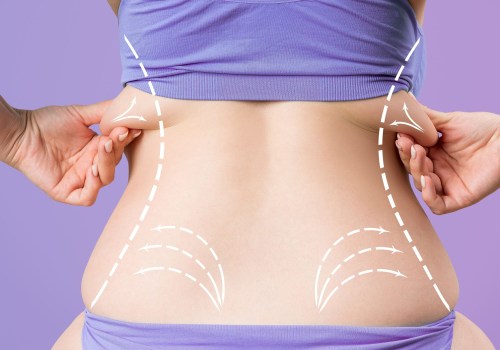
After undergoing liposuction, many patients express concerns about the potential for fat accumulation in areas such as the back. This is a valid concern, as the body’s fat distribution can change post-surgery. Understanding why this occurs and how to manage it is crucial for maintaining the results of your procedure.Why Does Back Fat Accumulate After Liposuction?
While liposuction effectively removes fat cells from targeted areas, it does not eliminate all fat cells in the body.
The remaining fat cells can still expand if a patient gains weight. This means that if you were to gain weight after your procedure, the remaining fat cells in untreated areas, including the back, may enlarge, leading to an appearance of back fat.Additionally, hormonal changes and lifestyle factors can contribute to fat accumulation in specific areas. For instance, women may experience changes during menopause that affect their body contour, often leading to increased fat storage in the midsection and back.
Managing Post-Liposuction Concerns
To mitigate concerns about back fat and other areas post-liposuction, consider the following strategies:
- Maintain a Healthy Weight: Keeping your weight stable is essential for preserving your liposuction results. A balanced diet rich in nutrients and regular exercise can help you achieve this.
- Engage in Targeted Exercises: Incorporating exercises that focus on the back and core can help tone these areas.
Activities such as rowing, swimming, or specific strength training can be beneficial.
- Stay Hydrated: Proper hydration supports overall health and can help manage body composition.
- Regular Check-ups: Follow-up appointments with your surgeon can provide valuable insights into maintaining your results and addressing any concerns that may arise.
Conclusion
While concerns about back fat and other areas post-liposuction are common, understanding the reasons behind these changes and implementing effective management strategies can significantly enhance your results. By adopting a healthy lifestyle and staying proactive about your body’s needs, you can enjoy the benefits of liposuction for years to come.
The Importance of Post-Operative Care and Follow-Up
Undergoing liposuction is a significant step towards achieving your desired body shape, but the journey does not end with the surgery itself. Proper post-operative care is crucial for ensuring optimal results and minimising the risk of complications. This phase of recovery is just as important as the procedure, and understanding how to care for yourself can make a substantial difference in your overall satisfaction with the outcome.One of the first steps in post-operative care is adhering to the specific instructions provided by your surgeon.These guidelines are tailored to your individual needs and may include:
- Wearing compression garments: These garments help reduce swelling and support the healing process by providing necessary pressure to the treated areas.
- Managing pain and discomfort: Your surgeon will likely prescribe pain relief medication. It’s essential to take these as directed to ensure a comfortable recovery.
- Monitoring for complications: Keep an eye out for any unusual symptoms such as excessive swelling, redness, or discharge from the incision sites. If you notice anything concerning, contact your surgeon immediately.
- Stay hydrated: Drinking plenty of water aids in flushing out toxins and can help reduce swelling.
- Rest adequately: Your body needs time to heal, so ensure you get enough sleep and avoid strenuous activities for at least a few weeks post-surgery.
- Incorporate light movement: While rest is vital, gentle walking can promote circulation and help prevent blood clots. Start with short walks around your home as soon as you feel able.
- Follow a balanced diet: Eating nutritious foods rich in vitamins and minerals can support your body’s healing process.
Focus on lean proteins, fruits, vegetables, and whole grains.
Addressing Myths: Misconceptions About Liposuction and Fat Return
When considering liposuction, it is essential to separate fact from fiction.Many misconceptions surround the procedure, particularly regarding the return of fat after surgery. Addressing these myths can help potential patients set realistic expectations and make informed decisions.
- Myth 1: Liposuction is a Weight Loss Solution
Many people believe that liposuction is a quick fix for weight loss. In reality, it is not intended for significant weight reduction but rather for contouring specific areas of the body. The procedure is most effective for individuals who are already at or near their ideal weight but struggle with stubborn fat deposits. - Myth 2: Fat Will Return to Treated Areas
A common concern is that fat will inevitably return to the areas treated by liposuction.While it is true that liposuction permanently removes fat cells from specific locations, if a patient gains weight post-surgery, the remaining fat cells in the body can enlarge. However, the treated areas will generally have fewer fat cells than before, leading to a more stable contour compared to untreated regions.
- Myth 3: Liposuction Eliminates All Fat Cells
Some believe that liposuction removes all fat cells from the targeted area. This is not accurate; a thin layer of fat must remain to ensure a natural appearance and smooth contour. Therefore, while liposuction significantly reduces fat in specific areas, it does not eliminate all fat cells. - Myth 4: You Can Eat Whatever You Want After Liposuction
Another misconception is that patients can return to unhealthy eating habits after undergoing liposuction.Maintaining a balanced diet and healthy lifestyle is crucial for preserving results. If patients do not adopt healthier habits, they may still experience weight gain, which can affect their overall body shape.
- Myth 5: Liposuction is a Substitute for Exercise
Some individuals think that liposuction can replace regular exercise. This belief is misleading; while liposuction can enhance body contours, it should be viewed as a complement to a healthy lifestyle rather than a replacement for physical activity.
Long-Term Effects of Liposuction on Body Composition
Understanding the long-term effects of liposuction on body composition is crucial for anyone considering this popular cosmetic procedure.While liposuction effectively removes fat cells from specific areas, it is essential to recognise how this alteration can influence overall body composition and fat distribution in the years following surgery.One of the most significant changes post-liposuction is the redistribution of fat throughout the body. After the removal of fat cells in targeted areas, the remaining fat cells can expand if a patient gains weight. This means that while the treated areas may appear slimmer, other regions may become more pronounced as the body compensates for the loss of fat in specific locations. Therefore, maintaining a stable weight is vital for preserving the results achieved through liposuction.Moreover, studies have shown that patients who undergo liposuction often experience changes in their body composition.
For instance, some individuals may notice an increase in lean muscle mass as they adopt healthier lifestyle habits post-surgery. This shift can lead to improved metabolic rates, which further aids in weight management. However, it is important to note that these benefits are closely tied to a patient’s commitment to a balanced diet and regular exercise.Another aspect to consider is how liposuction affects fat distribution. Research indicates that after liposuction, patients may experience a change in where their body stores fat.
For example, some individuals might find that they accumulate fat more readily in areas such as the abdomen or thighs rather than the previously treated regions. This phenomenon underscores the importance of understanding that while liposuction can sculpt and enhance body contours, it does not prevent future weight gain or fat accumulation.In conclusion, while liposuction can provide significant aesthetic improvements and alter body composition positively, it is not a standalone solution for weight management. Patients must remain vigilant about their lifestyle choices to ensure long-lasting results. By embracing healthy habits and understanding how their bodies respond post-surgery, individuals can maximise the benefits of liposuction and maintain their desired physique over time.
Conclusion: Embracing a Healthy Lifestyle After Liposuction
In conclusion, the journey following a liposuction procedure is not merely about the immediate aesthetic results; it is fundamentally intertwined with the commitment to a sustainable and healthy lifestyle.While liposuction effectively removes stubborn fat cells from targeted areas, it is crucial to recognise that the remaining fat cells in the body can still expand if a healthy weight is not maintained.To ensure that the results of liposuction are long-lasting, patients must embrace a holistic approach to their health. This includes:
- Regular Exercise: Engaging in a consistent exercise regimen not only helps in maintaining weight but also enhances overall physical fitness. Activities such as cardio, strength training, and flexibility exercises can significantly contribute to sustaining the body’s new shape. Engaging in a consistent exercise regimen not only helps in maintaining weight but also enhances overall physical fitness. Activities such as cardio, strength training, and flexibility exercises can significantly contribute to sustaining the body’s new shape.
- Balanced Nutrition: A nutritious diet rich in whole foods, including fruits, vegetables, lean proteins, and healthy fats, is essential. Avoiding processed foods and excessive sugars can help prevent weight gain and promote overall well-being.
- Hydration: Staying adequately hydrated supports metabolic processes and can aid in weight management.
Drinking plenty of water throughout the day is vital for maintaining skin elasticity and overall health.
- Mental Well-being: Maintaining a positive mindset and managing stress through mindfulness practices or therapy can also play a significant role in achieving long-term success after liposuction.