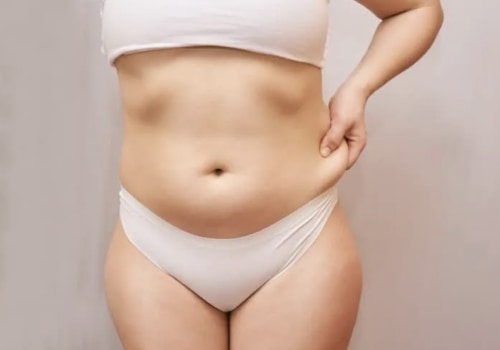
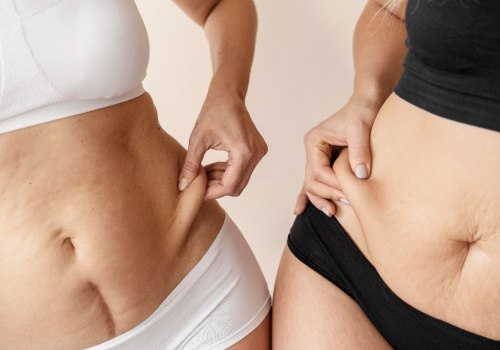
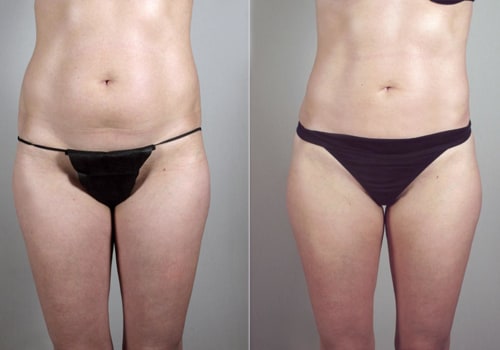
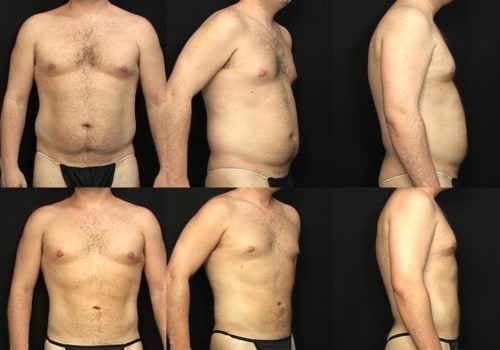
Liposuction is a popular cosmetic procedure designed to remove stubborn fat deposits from specific areas of the body, helping individuals achieve a more contoured and aesthetically pleasing silhouette. While many people view liposuction as a quick solution for weight loss, it is essential to understand that this procedure is not intended for significant weight reduction. Instead, it serves as a body sculpting technique that targets localized fat that may be resistant to diet and exercise.One of the critical factors influencing the success of liposuction is the patient's weight. The relationship between weight and candidacy for the procedure cannot be overstated.
Medical professionals often recommend that candidates be within 30% of their ideal body weight to ensure optimal results and minimise potential risks associated with surgery. This guideline underscores the importance of maintaining a healthy weight prior to undergoing liposuction.Moreover, understanding your body mass index (BMI) can provide valuable insights into whether you are a suitable candidate for liposuction. BMI is a simple calculation based on height and weight that categorises individuals as underweight, healthy, overweight, or obese. While there are no strict BMI limits for liposuction, those with a BMI over 30 are generally advised to reach their ideal weight before considering the procedure.
This approach not only enhances the effectiveness of the treatment but also contributes to a smoother recovery process.In summary, while liposuction can be an effective method for achieving body goals, it is crucial to recognise the significance of weight in determining candidacy and potential outcomes. By prioritising a healthy weight and understanding the implications of body composition, individuals can make informed decisions about their cosmetic surgery options and set realistic expectations for their results.
What is Liposuction?
Liposuction
is a popular cosmetic surgical procedure designed to remove excess fat from specific areas of the body. Unlike traditional weight loss methods, which focus on overall body weight reduction, liposuction targets localized fat deposits that are often resistant to diet and exercise. This makes it an appealing option for individuals looking to enhance their body contours and achieve a more sculpted appearance.The procedure involves the use of a thin tube called a cannula , which is inserted through small incisions in the skin.
The cannula is connected to a vacuum device that suction out the unwanted fat. Liposuction can be performed on various parts of the body, including the abdomen, thighs, buttocks, arms, neck, and even the face.
Types of Liposuction Techniques
- Tumescent Liposuction: This is the most common technique, where a solution containing saline, lidocaine, and epinephrine is injected into the treatment area. This solution helps to numb the area and reduce bleeding during the procedure.
- Ultrasound-Assisted Liposuction (UAL): This method uses ultrasound energy to liquefy fat cells before they are suctioned out. It is particularly effective for fibrous areas of the body.
- Laser-Assisted Liposuction (LAL): Similar to UAL, this technique employs laser energy to melt fat cells, making them easier to remove.
It also promotes skin tightening due to the heat generated by the laser.
- Suction-Assisted Liposuction (SAL): This traditional method relies solely on suction to remove fat without any additional techniques or energy sources.
The Importance of Weight in Liposuction
When considering liposuction, understanding the significance of weight is paramount.The procedure is not merely a method for weight loss; rather, it is a targeted approach to sculpting the body by removing stubborn fat deposits. Therefore, candidates must be aware of how their weight can influence both the safety and effectiveness of the surgery.One of the primary reasons weight is a critical factor in liposuction is the associated health risks. Individuals with a higher body weight, particularly those exceeding 120 kg, face increased complications during and after the procedure. These risks can include adverse reactions to anaesthesia, prolonged recovery times, and a higher likelihood of post-operative complications such as infections or blood clots.
Consequently, many health authorities recommend that candidates maintain a weight within 30% of their ideal body weight to ensure a safer surgical experience.
Recommended Weight Range for Liposuction
While there is no universally defined weight limit for liposuction, it is generally advised that individuals with a Body Mass Index (BMI) over 30 should aim to achieve their ideal weight before undergoing the procedure. This recommendation stems from the fact that patients closer to their ideal weight tend to experience better outcomes, including:- Enhanced Results: Patients within the recommended weight range often see more aesthetically pleasing results, as the procedure can more effectively target specific areas of fat.
- Smoother Recovery: A stable and healthy weight can lead to a quicker recovery process, minimising downtime and allowing individuals to return to their daily activities sooner.
- Reduced Risks: Lowering body weight prior to surgery decreases the likelihood of complications, making the procedure safer overall.
Generally, those with a normal body weight are considered suitable candidates for this cosmetic procedure.In summary, understanding the importance of weight in liposuction is crucial for anyone contemplating this surgery. By adhering to recommended weight guidelines and maintaining a healthy lifestyle, individuals can significantly enhance their chances of achieving successful and satisfying results.
Understanding Body Mass Index (BMI)
Body Mass Index (BMI) is a widely used measurement that helps assess whether an individual has a healthy body weight in relation to their height. It is calculated by taking a person's weight in kilograms and dividing it by the square of their height in metres. The formula is as follows:- BMI = weight (kg) / (height (m) x height (m))
BMI Categories
The World Health Organization (WHO) classifies BMI into several categories:- Underweight: BMI less than 18.5
- Healthy weight: BMI 18.5 to 24.9
- Overweight: BMI 25 to 29.9
- Obese: BMI 30 or greater
While the procedure is not intended as a weight-loss solution, being within a healthy BMI range can significantly influence the outcome and safety of the surgery.
The Relevance of BMI in Liposuction
For those contemplating liposuction, maintaining a healthy BMI is vital. Candidates with a BMI over 30 are generally advised to reach their ideal weight before undergoing the procedure. This recommendation stems from the fact that individuals with higher BMIs may face increased risks during surgery, including complications related to anaesthesia and healing.Moreover, achieving a stable and healthy weight prior to liposuction can lead to more effective results. Patients who are closer to their ideal body weight often experience better contouring outcomes, as the procedure targets specific areas of stubborn fat rather than serving as a blanket solution for overall weight loss.In conclusion, understanding your BMI and its implications for liposuction is essential.By calculating your BMI and striving to maintain a healthy range, you can enhance your candidacy for the procedure and ensure a smoother recovery process.
Ideal Weight Ranges for Liposuction Candidates
When considering liposuction, understanding the ideal weight ranges for candidates is crucial. These ranges can significantly influence the effectiveness of the procedure and the overall results. While there is no strict weight limit, certain guidelines can help determine whether an individual is a suitable candidate.Ideal Weight for Women
For women, the ideal weight for liposuction candidates typically falls within 30% of their ideal body weight. This means that if a woman’s ideal weight is 65 kg, she should ideally weigh between 45.5 kg and 84.5 kg to be considered for the procedure.
However, it is essential to note that this range can vary based on individual factors such as body composition and specific areas targeted for fat removal.
Ideal Weight for Men
Men seeking liposuction should also aim to be within a similar range of their ideal body weight. Generally, men with a BMI under 30 are considered good candidates. For instance, if a man’s ideal weight is 80 kg, he should weigh between 56 kg and 104 kg. As with women, individual circumstances such as muscle mass and fat distribution play a significant role in determining candidacy.
Candidacy Criteria for Liposuction
- Stable Weight: Candidates should maintain a stable weight for at least six months prior to the procedure.
- Health Considerations: Individuals should be in good overall health, free from conditions that could complicate surgery.
- Realistic Expectations: Candidates must have realistic expectations regarding the outcomes of liposuction.
- Target Areas: The specific areas of fat removal can also influence candidacy; some areas may require different considerations based on fat distribution.
A thorough assessment will consider not only weight but also overall health and aesthetic goals, ensuring that individuals make informed decisions about their cosmetic procedures.
Risks of Liposuction at Higher Weights
Undergoing liposuction can be a transformative experience for many individuals, but it is crucial to understand the potential risks and complications associated with the procedure, particularly for those at higher weights. While liposuction is designed to remove stubborn fat deposits, it is not a weight-loss solution, and patients who are significantly above their ideal body weight may face increased health risks.One of the primary concerns for individuals with a higher body weight is the likelihood of complications during and after the procedure. These complications can include:- Anesthesia Risks: Patients with higher weights may have a greater risk of adverse reactions to anesthesia, which can lead to serious complications during surgery.
- Infection: The risk of infection increases with body weight, as excess fat can hinder the healing process and create an environment conducive to bacterial growth.
- Blood Clots: Higher body weight is associated with an increased risk of deep vein thrombosis (DVT), which can occur when blood clots form in the legs and potentially travel to the lungs.
- Delayed Healing: Individuals at higher weights may experience slower recovery times due to compromised circulation and other health factors, which can prolong discomfort and increase the risk of complications.
Those who are significantly overweight may not achieve the desired contouring effects, leading to dissatisfaction with the results.It is essential for prospective patients to engage in thorough discussions with their surgeons about their weight and overall health before proceeding with liposuction. Surgeons often recommend that candidates be within 30% of their ideal body weight to ensure safety and optimal outcomes. This precaution helps mitigate risks and enhances the likelihood of achieving a successful transformation.In conclusion, while liposuction can offer significant benefits, individuals at higher weights must carefully consider the associated risks. Prioritising a healthy weight through lifestyle changes or alternative weight-loss methods before undergoing surgery can lead to safer procedures and more satisfying results.
Post-Procedure Weight Management
After undergoing liposuction, the journey towards achieving and maintaining your desired body shape does not end with the procedure itself.In fact, the post-operative phase is crucial for ensuring that the results are long-lasting. Proper weight management following liposuction is essential to prevent the regrowth of fat in treated areas and to maintain a healthy body composition.
Understanding Fat Regrowth
One of the common misconceptions about liposuction is that it is a permanent solution to weight issues. While the procedure effectively removes fat cells from specific areas, it does not prevent new fat cells from forming if a healthy lifestyle is not maintained. If patients return to unhealthy eating habits or a sedentary lifestyle, they may find that fat can accumulate in other areas of the body, leading to dissatisfaction with their results.
Post-Operative Care
Following liposuction, it is vital to adhere to your surgeon's post-operative care instructions.
This may include:
- Wearing compression garments: These help reduce swelling and support the healing process.
- Staying hydrated: Drinking plenty of water aids in recovery and helps maintain skin elasticity.
- Avoiding strenuous activities: Resting for a few weeks post-surgery allows your body to heal properly.
Lifestyle Changes for Lasting Results
To ensure that the results of your liposuction are maintained, consider implementing the following lifestyle changes:
- Adopt a balanced diet: Focus on whole foods, including fruits, vegetables, lean proteins, and whole grains. Avoid processed foods high in sugar and unhealthy fats.
- Regular exercise: Incorporate both cardiovascular and strength training exercises into your routine. Aim for at least 150 minutes of moderate aerobic activity each week.
- Monitor your weight: Regularly check your weight to stay aware of any fluctuations. This can help you address any potential weight gain before it becomes significant.
- Set realistic goals: Establish achievable fitness and nutrition goals that can be integrated into your daily life without feeling overwhelming.
The Role of Support Systems
Engaging with support groups or seeking guidance from nutritionists can also be beneficial.
Surrounding yourself with individuals who share similar goals can provide motivation and accountability, making it easier to stick to your post-liposuction care plan.In conclusion, maintaining a healthy weight after liposuction is paramount for achieving lasting results. By committing to a balanced lifestyle and following post-operative care guidelines, individuals can enjoy their new body shape while minimising the risk of fat regrowth.
Alternatives to Liposuction for Weight Loss
For individuals who may not be suitable candidates for liposuction, whether due to weight restrictions or health concerns, there are several effective alternatives for fat reduction and weight loss. These non-surgical options can provide significant results and often come with fewer risks and shorter recovery times.1.Non-Surgical Fat Reduction Techniques
Advancements in technology have led to the development of various non-invasive fat reduction methods. Some of the most popular options include:- Cryolipolysis : Commonly known as CoolSculpting, this technique involves freezing fat cells, which causes them to die off naturally over time.
It is particularly effective for targeting stubborn areas such as the abdomen, thighs, and love handles.
- Ultrasound Fat Reduction : This method uses ultrasound waves to break down fat cells without damaging surrounding tissues. It is a painless procedure that can be used on various body parts.
- Radiofrequency Treatments : These treatments use radiofrequency energy to heat and destroy fat cells while tightening the skin. This dual action can improve body contouring and skin texture simultaneously.
- Laser Lipolysis : This minimally invasive procedure uses laser energy to liquefy fat cells, which are then removed through a small incision. It offers a quicker recovery time compared to traditional liposuction.
2.Lifestyle Changes for Weight Management
In addition to non-surgical procedures, adopting a healthier lifestyle can significantly impact weight loss efforts:- Dietary Adjustments : A balanced diet rich in whole foods, such as fruits, vegetables, lean proteins, and whole grains, can help manage weight effectively.
Reducing processed foods and sugars is crucial for long-term success.
- Regular Exercise : Incorporating both cardiovascular and strength training exercises into your routine can enhance fat loss and improve overall health. Aim for at least 150 minutes of moderate aerobic activity each week.
- Behavioural Therapy : Engaging in counselling or support groups can help address emotional eating habits and provide motivation for maintaining a healthy lifestyle.
3.Medical Weight Loss Programs
For those struggling with significant weight issues, medical weight loss programs supervised by healthcare professionals can offer tailored solutions:- Prescription Medications : Certain medications can assist with weight loss by suppressing appetite or increasing feelings of fullness. These should only be used under medical supervision.
- Bariatric Surgery : For individuals with severe obesity, surgical options such as gastric bypass or sleeve gastrectomy may be considered. These procedures significantly alter the digestive system to promote weight loss.
By exploring these options and making informed lifestyle choices, individuals can achieve their weight loss goals safely and effectively.
Frequently Asked Questions about Liposuction and Weight
When considering liposuction, many potential candidates have questions regarding the relationship between weight and the procedure. Below are some of the most frequently asked questions that can help clarify common concerns.1.Can I undergo liposuction if I am overweight?
While there is no strict weight limit for liposuction, it is generally recommended that candidates be within 30% of their ideal body weight. This guideline helps ensure that the procedure is safe and effective. Individuals with a BMI over 30 are often advised to reach a healthier weight before considering surgery, as this can lead to better results and a smoother recovery.2.Is liposuction a weight-loss solution?
No, liposuction is not intended as a weight-loss method.Instead, it is designed for body contouring by removing stubborn fat deposits that do not respond to diet and exercise. Candidates should have realistic expectations and understand that maintaining a healthy lifestyle post-procedure is crucial for long-term results.
3.What if I gain weight after liposuction?
Gaining weight after liposuction can lead to the accumulation of fat in areas not treated during the procedure. It is essential to adopt a balanced diet and regular exercise routine to maintain your results. Many patients find that their motivation to stay healthy increases after seeing the positive changes from liposuction.4.How does my weight affect my candidacy for liposuction?
Your weight plays a significant role in determining your suitability for liposuction.Surgeons assess your overall health, including your BMI and any underlying medical conditions, to ensure that you are a good candidate for the procedure. A stable weight prior to surgery can also contribute to better outcomes.
5.Are there alternatives if I do not qualify for liposuction?
If you do not meet the criteria for liposuction, there are alternative options available, such as non-invasive fat reduction treatments or weight-loss programs like the Orbera balloon system, which may be suitable depending on your BMI and health status.Understanding these aspects of liposuction can help you make informed decisions about your body and health goals. Always consult with a qualified surgeon to discuss your specific situation and receive tailored advice.Conclusion: The Critical Role of Weight in Liposuction Success
In summary, the significance of weight in the context of liposuction cannot be overstated. Throughout this discussion, we have explored various facets that highlight how a patient’s weight influences not only their eligibility for the procedure but also the overall success and satisfaction with the results.Firstly, it is essential to understand that liposuction is not a weight-loss solution; rather, it is a targeted body sculpting technique designed to eliminate stubborn fat deposits.Therefore, individuals considering this procedure should ideally be within 30% of their ideal body weight. This guideline serves as a benchmark to ensure that patients are in a suitable condition for surgery, which can significantly enhance the outcomes.Moreover, maintaining a stable and healthy weight before and after the procedure is crucial. Patients who achieve their ideal weight prior to liposuction often experience better results and a smoother recovery process. This stability helps in minimising complications and optimising the body’s response to the treatment.It is also important to note that different demographics may have varying ideal weight considerations.
For instance, women may require attention to multiple areas needing treatment, while men might focus on specific fat deposits. Understanding these nuances can help tailor the approach to each individual’s needs.In conclusion, prospective patients should engage in thorough discussions with their healthcare providers about their weight and overall health status before proceeding with liposuction. By recognising the critical role that weight plays in this cosmetic procedure, individuals can make informed decisions that align with their aesthetic goals while prioritising their health and safety.