Liposuction is a popular cosmetic procedure designed to remove excess fat from specific areas of the body, enhancing overall body contour and shape. This surgical technique is not intended for weight loss but rather for sculpting the body by targeting stubborn fat deposits that are resistant to diet and exercise. As individuals seek to achieve their ideal physique, understanding the various types of liposuction available is crucial in making informed decisions about the procedure.There are several types of liposuction , each with its unique approach and benefits. Traditional liposuction, often referred to as suction-assisted liposuction (SAL), employs a cannula to manually extract fat through suction.
This method is effective for larger areas but can lead to more significant bruising and swelling. In contrast, tumescent liposuction involves injecting a solution containing saline, lidocaine, and epinephrine into the targeted area before fat removal. This technique minimizes bleeding and discomfort, making it a preferred choice for many patients.Other advanced methods include ultrasound-assisted liposuction (UAL) and laser-assisted liposuction (LAL). UAL uses sound waves to liquefy fat cells before extraction, while LAL employs laser energy to break down fat and tighten the skin simultaneously.
These innovative techniques often result in less trauma to surrounding tissues, leading to quicker recovery times and improved aesthetic outcomes.As we delve deeper into the topic of aggressive liposuction, it is essential to grasp the foundational concepts of these various techniques. Each type of liposuction offers distinct advantages and potential drawbacks, which can significantly influence the results and recovery experience. Understanding these nuances will empower individuals considering this procedure to make choices that align with their aesthetic goals and health considerations.
What is Aggressive Liposuction?
Aggressive liposuction is a surgical procedure designed to remove larger volumes of fat from specific areas of the body, resulting in more dramatic changes in body contour compared to traditional liposuction techniques. This method is particularly appealing to individuals who have significant fat deposits that they wish to eliminate quickly and effectively.Unlike traditional liposuction, which typically focuses on smaller amounts of fat removal, aggressive liposuction employs advanced techniques and larger cannulas to achieve more substantial results in a single session.One of the primary distinctions between aggressive and traditional liposuction lies in the volume of fat extracted. Traditional liposuction generally aims to remove a moderate amount of fat while preserving the integrity of the surrounding tissues, which can lead to a smoother and more natural appearance post-surgery. In contrast, aggressive liposuction targets larger fat deposits, often removing both deep and superficial layers of fat. This approach can lead to more pronounced body sculpting but also carries a higher risk of complications such as skin irregularities and contour deformities.Patients may choose aggressive liposuction for several reasons:
- Significant Fat Reduction: For those with larger areas of stubborn fat, aggressive liposuction can provide a more immediate and noticeable transformation.
- Time Efficiency: This method allows for more extensive fat removal in a single procedure, reducing the need for multiple surgeries.
- Enhanced Body Contouring: Aggressive techniques can create sharper contours and a more defined silhouette, appealing to individuals seeking dramatic changes.
The increased invasiveness can lead to longer recovery times, more significant bruising and swelling, and potential complications if not performed by an experienced surgeon. Therefore, thorough consultations with qualified professionals are crucial for anyone considering this approach.
The Procedure: What to Expect
Undergoing aggressive liposuction is a significant decision that requires careful consideration and understanding of the entire process. This section will guide you through the essential steps involved in the procedure, from pre-operative preparations to post-operative care, ensuring you know what to expect at each stage.Pre-Operative Preparations
- Consultation: The journey begins with a thorough consultation with your surgeon. During this meeting, you will discuss your goals, medical history, and any concerns you may have.
The surgeon will assess your body type and skin quality to determine if aggressive liposuction is suitable for you.
- Medical Evaluation: A comprehensive medical evaluation is crucial. This may include blood tests and imaging studies to ensure you are in good health for surgery.
- Pre-Operative Instructions: Your surgeon will provide specific instructions to follow before the procedure. This may involve avoiding certain medications, smoking cessation, and dietary adjustments to optimise your recovery.
The Surgical Process
On the day of the surgery, you will arrive at the surgical facility where the procedure will take place. Here’s what typically happens:
- Anesthesia: You will be given either general anesthesia or local anesthesia with sedation, depending on the extent of fat removal and your surgeon's recommendation.
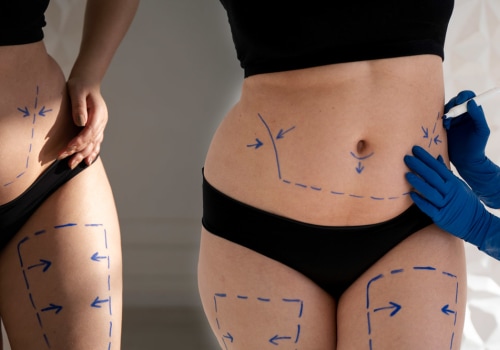
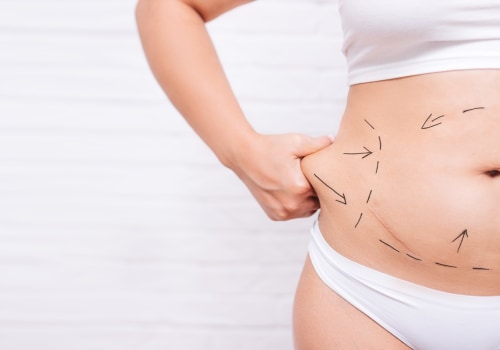
- Incision: Small incisions are made in inconspicuous areas of your body.
These incisions allow the surgeon to insert a cannula, a thin tube used to suction out fat.
- Fat Removal: The surgeon will carefully manipulate the cannula to break up and remove fat cells from both deep and superficial layers. This step is crucial in achieving a smooth contour while minimising trauma to surrounding tissues.
- Closure: Once the desired amount of fat has been removed, the incisions are closed with sutures or adhesive strips. Dressings are applied to protect the surgical sites.
Post-Operative Care
The recovery phase is just as important as the surgery itself. Here’s what you can expect:
- Immediate Recovery: After surgery, you will be monitored in a recovery area until the effects of anesthesia wear off.
You may experience swelling, bruising, and discomfort, which can be managed with prescribed pain medication.
- Follow-Up Appointments: Regular follow-up visits with your surgeon are essential to monitor healing and address any concerns that may arise during recovery.
- Activity Restrictions: It is crucial to follow your surgeon's guidelines regarding physical activity. Typically, light activities can resume within a few days, but strenuous exercise should be avoided for several weeks.
- Lymphatic Massage: Some surgeons recommend lymphatic drainage massages post-surgery to help reduce swelling and promote healing.
Risks and Complications of Aggressive Liposuction
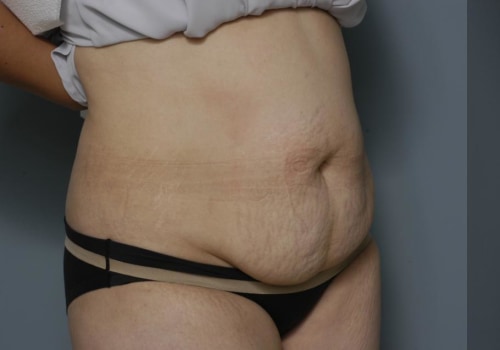
Undergoing aggressive liposuction can lead to a range of potential risks and complications that patients should be acutely aware of before making their decision. While the procedure is designed to achieve significant fat removal and body contouring, it is not without its drawbacks.One of the most concerning issues associated with aggressive liposuction is the risk of skin irregularities.These irregularities can manifest as:
- Dimpling: Small indentations in the skin that can occur when fat is removed unevenly.
- Peaks and Valleys: Noticeable lumps or depressions that disrupt the smooth contour of the skin.
- Hollow Areas: Regions where fat has been excessively removed, leading to an unnatural appearance.
This can result in longer recovery times compared to less invasive methods. Patients should also be aware that swelling may persist for several weeks, obscuring the final results of the procedure until healing is complete.Another critical aspect to consider is the potential for seromas , which are fluid collections that can form under the skin after surgery. These may require additional interventions to drain and can complicate the healing process further.Ultimately, understanding these risks and complications is vital for anyone considering aggressive liposuction. Informed decision-making, guided by thorough consultations with experienced surgeons, can help mitigate these risks and lead to more satisfactory outcomes.
Comparing Aggressive Liposuction with Other Techniques
When considering body contouring options, it is essential to understand the differences between aggressive liposuction and other fat removal techniques.Each method has its unique advantages and disadvantages, which can significantly influence a patient's decision based on their individual needs and goals.
Understanding Aggressive Liposuction
Aggressive liposuction is characterised by the removal of larger volumes of fat in a single procedure. This technique is often favoured by individuals seeking dramatic changes in their body shape. However, the intensity of this method can lead to increased risks, including skin irregularities and longer recovery times.Traditional Liposuction
Traditional liposuction, while still effective, typically involves less aggressive fat removal. This method focuses on contouring specific areas rather than removing large amounts of fat at once.The benefits of traditional liposuction include:
- Reduced Risk: With less fat being removed, there is a lower chance of complications such as skin irregularities.
- Shorter Recovery Time: Patients often experience less swelling and bruising, leading to a quicker return to normal activities.
- Better Skin Elasticity Preservation: By leaving some fat intact, traditional liposuction can help maintain skin elasticity.
Non-Surgical Alternatives
In recent years, non-surgical fat removal methods have gained popularity. Techniques such as CoolSculpting, TruSculpt, and SculpSure offer patients options that do not require incisions or anaesthesia. These methods work by freezing or heating fat cells, which are then naturally eliminated by the body. The advantages include:- No Downtime: Most patients can resume their daily activities immediately after treatment.
- Pain-Free Experience: Non-invasive procedures typically involve minimal discomfort compared to surgical options.
- Gradual Results: While results may take time to appear, they often look more natural as the body gradually eliminates fat.
Pros and Cons Summary
When comparing these techniques, it is crucial to weigh the pros and cons:- Aggressive Liposuction:
- Pros: Significant fat removal; immediate results.
- Cons: Higher risk of complications; longer recovery time.
- Traditional Liposuction:
- Pros: Lower risk; shorter recovery; better for skin elasticity.
- Cons: Less dramatic results compared to aggressive methods.
- Non-Surgical Methods:
- Pros: No downtime; minimal discomfort; gradual results.
- Cons: May require multiple sessions; less effective for larger fat deposits.
Consulting with a qualified plastic surgeon can provide personalised recommendations tailored to each patient's unique situation.
Choosing the Right Surgeon for Aggressive Liposuction
When considering aggressive liposuction, selecting the right surgeon is paramount to achieving the desired results while minimising risks. The complexity of this procedure necessitates a surgeon with specific qualifications and extensive experience in the field of plastic surgery.When considering aggressive liposuction, selecting the right surgeon is paramount to achieving the desired results while minimising risks. The complexity of this procedure necessitates a surgeon with specific qualifications and extensive experience in the field of plastic surgery.Qualifications for Plastic Surgeons
- Board Certification: Ensure that your surgeon is board-certified by a recognised body, such as the British Association of Aesthetic Plastic Surgeons (BAAPS). This certification indicates that the surgeon has undergone rigorous training and adheres to high standards of practice.
- Specialisation: Look for a surgeon who specialises in liposuction and has a proven track record in performing aggressive techniques. Their focus on this specific area will enhance their skill set and understanding of the nuances involved.
- Hospital Privileges: Verify that your surgeon has privileges to perform liposuction at accredited hospitals.
This is an important indicator of their credibility and the quality of care you can expect.
The Importance of Experience
Experience plays a crucial role in the success of aggressive liposuction. A seasoned surgeon will have encountered various scenarios and complications, equipping them with the knowledge to handle unexpected challenges during the procedure. Here are some factors to consider regarding experience:
- Number of Procedures: Inquire about how many liposuction procedures the surgeon has performed, particularly aggressive techniques. A higher number typically correlates with greater expertise.
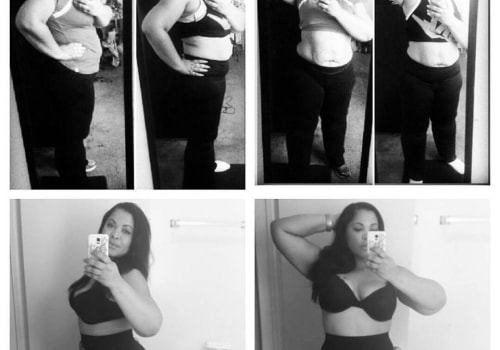
- Before-and-After Photos: Request to see a portfolio of before-and-after photos from previous patients.
This visual evidence can provide insight into the surgeon's aesthetic sensibility and skill level.
- Patient Reviews: Research online reviews and testimonials from past patients. Positive feedback can indicate a surgeon's ability to deliver satisfactory results and maintain good patient relationships.
Post-Operative Care and Recovery Tips
Post-operative care is crucial for a successful recovery following aggressive liposuction. Understanding how to manage your recovery can significantly impact your overall results and comfort level.Here are some essential tips to ensure a smooth healing process.
Pain Management Strategies
It is common to experience discomfort, swelling, and bruising after aggressive liposuction. To manage pain effectively:- Follow your surgeon's instructions: Adhere strictly to the prescribed pain medication regimen. This will help control discomfort and prevent it from becoming overwhelming.
- Use ice packs: Applying ice packs to the treated areas can help reduce swelling and numb the pain. Ensure you wrap the ice pack in a cloth to avoid direct contact with the skin.
- Stay hydrated: Drinking plenty of water aids in flushing out toxins and can help reduce swelling.
Activity Restrictions
After undergoing aggressive liposuction, it is vital to limit physical activity to promote healing:- Avoid strenuous activities: Refrain from heavy lifting, vigorous exercise, or any activity that may strain your body for at least two weeks post-surgery.
- Take short walks: Gentle walking can improve circulation and aid in recovery.
Start with short distances and gradually increase as you feel comfortable.
- Listen to your body: If you experience increased pain or discomfort during any activity, stop immediately and rest.
Promoting Healing
To enhance your recovery and achieve optimal results, consider the following tips:- Wear compression garments: These are essential for reducing swelling and helping your skin conform to its new shape. Follow your surgeon's guidelines on when and how long to wear them.
- Maintain a balanced diet: Eating nutritious foods rich in vitamins and minerals can support healing. Focus on lean proteins, fruits, vegetables, and whole grains.
- Avoid smoking and alcohol: Both can impede the healing process. It is advisable to refrain from these substances for at least a few weeks post-surgery.
Long-Term Results and Maintenance After Liposuction
After undergoing aggressive liposuction, many patients are eager to see the long-term results of their procedure.While immediate changes can be quite dramatic, understanding the sustainability of these results is crucial for anyone considering this type of body contouring.
Long-Term Results of Aggressive Liposuction
The long-term outcomes of aggressive liposuction largely depend on several factors, including the amount of fat removed, the individual’s skin elasticity, and their overall lifestyle post-surgery. Patients can expect a more sculpted appearance in the treated areas, but it is essential to note that liposuction is not a weight-loss solution. Instead, it is designed to target specific fat deposits that are resistant to diet and exercise.Studies indicate that while many patients maintain their results for years, some may experience weight gain if they do not adopt healthier lifestyle habits. This is because liposuction does not prevent new fat from accumulating in other areas of the body.
Therefore, maintaining a stable weight is vital for preserving the aesthetic benefits achieved through surgery.
Maintaining Results After Surgery
To ensure the longevity of your liposuction results, consider implementing the following lifestyle changes:
- Balanced Diet: Focus on a nutritious diet rich in fruits, vegetables, lean proteins, and whole grains. Avoiding processed foods and excessive sugars can help maintain your new shape.
- Regular Exercise: Incorporating both cardiovascular and strength training exercises into your routine can help prevent weight gain and promote overall health. Aim for at least 150 minutes of moderate aerobic activity each week.
- Hydration: Drinking plenty of water aids in metabolism and helps maintain skin elasticity, which is crucial after fat removal.
- Avoiding Smoking: Smoking can impair circulation and skin healing, potentially affecting the appearance of your results.
Lifestyle Changes Post-Liposuction
In addition to dietary adjustments and exercise, it’s important to establish a routine that supports your overall well-being. This may include:
- Regular Check-ups: Follow-up appointments with your surgeon can help monitor your progress and address any concerns regarding your recovery or results.
- Mental Health Awareness: Emotional well-being plays a significant role in how you perceive your body post-surgery.
Consider engaging in activities that boost your self-esteem and confidence.
- Support Systems: Surround yourself with supportive friends or join groups where you can share experiences with others who have undergone similar procedures.
Frequently Asked Questions About Aggressive Liposuction
As the popularity of aggressive liposuction continues to grow, many potential patients find themselves with questions and concerns about the procedure. Below are some of the most frequently asked questions regarding aggressive liposuction, along with clear and informative answers.What is aggressive liposuction?
Aggressive liposuction is a more intensive form of traditional liposuction that aims to remove larger volumes of fat in a single session. This method is often sought after by individuals looking for significant body contouring results, particularly in areas with substantial fat deposits.Is aggressive liposuction safe?
While aggressive liposuction can be performed safely, it is crucial to choose a qualified and experienced surgeon.The risks associated with this procedure include skin irregularities, excessive bruising, and prolonged recovery times. A thorough consultation with your surgeon will help assess your individual risks and determine if this approach is suitable for you.
How does recovery differ from traditional liposuction?
The recovery period for aggressive liposuction can be longer than that of traditional methods due to the increased invasiveness of the procedure. Patients may experience more swelling, bruising, and discomfort, which can last up to two weeks or more. Following post-operative care instructions is essential for a smoother recovery.What are common misconceptions about liposuction?
- Liposuction is a weight-loss solution: Many people mistakenly believe that liposuction is an effective method for losing weight.
In reality, it is designed for body contouring and should not be viewed as a substitute for a healthy lifestyle.
- Aggressive liposuction guarantees perfect results: While aggressive liposuction can yield dramatic changes, it does not guarantee flawless outcomes. Factors such as skin elasticity and individual healing responses play significant roles in the final results.
- All surgeons are equally qualified: Not all plastic surgeons have the same level of expertise or experience with aggressive liposuction. It is vital to research and select a board-certified surgeon who specializes in this procedure.
Can I combine aggressive liposuction with other procedures?
Yes, many patients choose to combine aggressive liposuction with other cosmetic procedures such as tummy tucks or breast augmentations. This approach can enhance overall results; however, it requires careful planning and consideration by your surgical team.If you have further questions or concerns about aggressive liposuction, it is advisable to consult with a qualified plastic surgeon who can provide tailored advice based on your specific needs and goals.Conclusion: Making an Informed Decision About Aggressive Liposuction
In conclusion, the decision to undergo aggressive liposuction is not one to be taken lightly.As we have explored throughout this article, while this procedure can offer significant body contouring benefits, it also comes with a range of risks and considerations that must be carefully weighed.Firstly, it is essential to understand that aggressive liposuction is designed for those seeking more dramatic changes in their body shape. This method involves the removal of larger volumes of fat, which can lead to more pronounced results. However, this increased volume removal also raises the likelihood of complications such as skin irregularities, contour deformities, and prolonged recovery times.Moreover, the quality of the skin plays a crucial role in determining the outcome of the procedure. Patients with less elastic skin may experience more noticeable irregularities post-surgery.
Therefore, a thorough assessment by a qualified surgeon is vital to ensure that the procedure aligns with individual body types and skin conditions.Additionally, it is important to remember that aggressive liposuction should not be viewed as a weight-loss solution but rather as a means of enhancing body contours. Maintaining realistic expectations about the results is crucial for patient satisfaction. Understanding that some degree of subcutaneous fat is necessary for overall health can help patients make informed decisions.Finally, choosing a skilled and experienced surgeon cannot be overstated. The success of aggressive liposuction largely depends on the surgeon's expertise in performing the procedure safely and effectively.
Post-operative care and follow-up are equally important to monitor healing and address any complications that may arise.In summary, making an informed decision about aggressive liposuction involves understanding both its potential benefits and inherent risks. By prioritising safety, realistic expectations, and professional guidance, patients can navigate their options more effectively and achieve their desired outcomes.