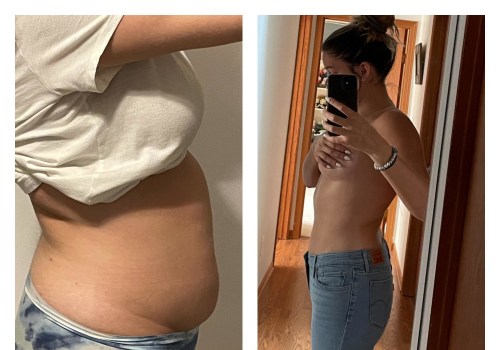
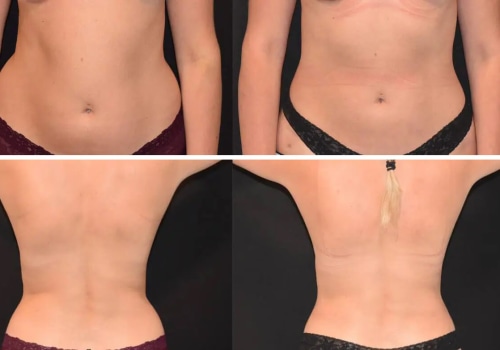
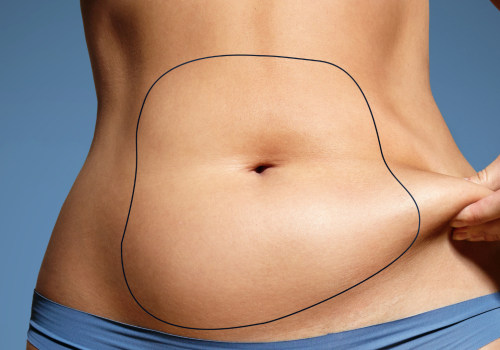
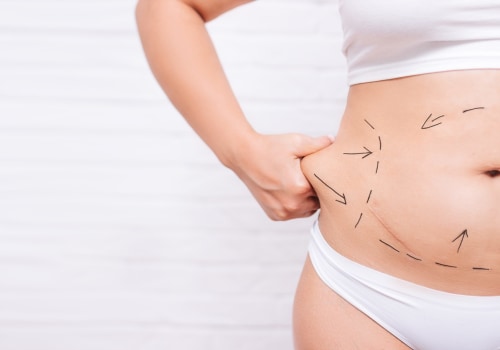
Liposuction is a popular cosmetic procedure designed to remove stubborn fat deposits from specific areas of the body, helping individuals achieve a more contoured and aesthetically pleasing silhouette. Despite its widespread acceptance, many people still harbour misconceptions about what liposuction truly entails. It is essential to understand that liposuction is not a weight loss solution but rather a body sculpting technique aimed at enhancing one’s natural shape.The procedure involves the use of a thin tube, known as a cannula, which is inserted through small incisions in the skin. This cannula is then used to suction out excess fat from targeted areas such as the abdomen, thighs, buttocks, arms, and neck.
The process can be performed under local or general anaesthesia, depending on the extent of the treatment and the patient’s preferences. While many patients seek liposuction to eliminate fat that has proven resistant to diet and exercise, it is crucial to approach this procedure with realistic expectations.One of the primary purposes of liposuction is to reshape and contour the body rather than to achieve significant weight loss. In fact, most patients can expect to lose only a modest amount of weight—typically between two to five pounds—after the procedure. This makes it an ideal option for individuals who are already close to their target weight but wish to refine specific areas where fat accumulation persists.
Understanding these nuances is vital for anyone considering liposuction, as it sets the stage for informed decision-making and realistic outcomes.
Common Myths About Liposuction
Liposuction is often surrounded by a cloud of misconceptions that can lead to unrealistic expectations. Understanding these myths is crucial for anyone considering the procedure. Here, we will explore some of the most common myths about liposuction and provide clarity on what the procedure truly entails.- Myth 1: Liposuction is a Weight Loss Solution
Many people mistakenly believe that liposuction is an effective method for significant weight loss. In reality, liposuction is designed primarily for body contouring rather than weight reduction.The average amount of fat removed during a procedure typically ranges from two to five pounds, which is not substantial enough to result in significant weight loss.
- Myth 2: Liposuction Can Remove Large Amounts of Fat
Another prevalent myth is that liposuction can safely remove large volumes of fat in one session. While advancements in technology have allowed for the removal of up to 5000 ml (or approximately 11 pounds) of fat, this is not advisable for most patients due to increased risks of complications. The safe limit for fat removal is generally around six to eight pounds. - Myth 3: Liposuction is a Quick Fix for Obesity
Liposuction should not be viewed as a quick fix for obesity or as a substitute for a healthy lifestyle. It is most effective for individuals who are already close to their ideal weight but struggle with stubborn fat deposits.Maintaining a balanced diet and regular exercise post-procedure is essential to prevent the remaining fat cells from expanding.
- Myth 4: Liposuction Results are Permanent
While liposuction can lead to long-lasting results, it does not guarantee permanence. If patients do not maintain a healthy lifestyle, they may still gain weight in other areas of the body. The remaining fat cells can still store lipids and expand, potentially reversing the effects of the procedure. - Myth 5: Liposuction is Only for Women
Liposuction is often perceived as a procedure exclusively for women; however, men also seek this treatment to address specific areas of stubborn fat, such as love handles or gynecomastia. The procedure can be tailored to meet the needs of any patient, regardless of gender.
Consulting with a qualified cosmetic surgeon can provide further insights tailored to individual circumstances.
The Liposuction Procedure: What to Expect
Understanding the liposuction procedure is essential for anyone considering this cosmetic surgery. The process can be broken down into three main phases: pre-operative preparations, the surgical procedure itself, and post-operative care. procedure is essential for anyone considering this cosmetic surgery. The process can be broken down into three main phases: pre-operative preparations, the surgical procedure itself, and post-operative care.Pre-Operative Preparations
Before undergoing liposuction, patients will have a thorough consultation with their surgeon. This initial meeting is crucial for discussing the patient's goals, medical history, and any potential risks associated with the procedure. During this consultation, the surgeon will:- Evaluate the patient's overall health and suitability for surgery.
- Discuss the specific areas of fat removal and set realistic expectations.
- Provide instructions on pre-operative care, which may include avoiding certain medications, smoking cessation, and dietary adjustments.
The Surgical Procedure
The actual liposuction procedure typically takes place in a surgical facility or hospital under local or general anaesthesia, depending on the extent of fat removal.The steps involved include:
- Marking the Treatment Areas: The surgeon will mark the areas where fat will be removed to ensure precision during the procedure.
- Administering Anaesthesia: Patients will receive anaesthesia to ensure comfort throughout the surgery.
- Making Incisions: Small incisions are made in inconspicuous locations to minimise scarring. These incisions allow access for the cannula, a thin tube used to suction out fat.
- Suctioning Fat: The surgeon will insert the cannula through the incisions and use it to break up and remove excess fat deposits. This step may involve various techniques, such as tumescent liposuction or ultrasound-assisted liposuction, depending on the patient's needs.
- Closing Incisions: Once the desired amount of fat has been removed, the incisions are closed with sutures or adhesive strips.
Post-Operative Care
After surgery, patients will be monitored in a recovery area before being discharged. It is vital to follow post-operative instructions carefully to ensure a smooth recovery.Key aspects of post-operative care include:
- Managing Discomfort: Patients may experience swelling, bruising, and discomfort in the treated areas. Pain relief medications will be prescribed as needed.
- Wearing Compression Garments: To support healing and reduce swelling, patients are often required to wear compression garments for several weeks following surgery.
- Avoiding Strenuous Activities: It is essential to refrain from heavy lifting or vigorous exercise for at least a few weeks to allow proper healing.
- Follow-Up Appointments: Regular follow-up visits with the surgeon are crucial for monitoring recovery progress and addressing any concerns that may arise.
Who Are the Ideal Candidates for Liposuction?
Determining whether liposuction is the right choice for you involves understanding the characteristics of ideal candidates. While liposuction can be an effective method for body contouring, it is not suitable for everyone.Here are some key factors to consider when assessing your eligibility for this procedure.
Body Mass Index (BMI)Body Mass Index (BMI)
One of the primary indicators of suitability for liposuction is your Body Mass Index (BMI). Ideal candidates typically have a BMI within the range of 18.5 to 30. This range indicates that individuals are generally at or near a healthy weight, which is crucial for achieving optimal results. Those with a BMI above 30 may be better suited for weight loss through diet and exercise before considering liposuction.
Health Status
Your overall health plays a significant role in determining your candidacy for liposuction.
Candidates should be in good health, free from chronic conditions such as diabetes, heart disease, or any other medical issues that could complicate surgery or recovery. A thorough medical evaluation by a qualified surgeon is essential to ensure that you are fit for the procedure.
Specific Fat Deposits
Liposuction is most effective for individuals who have localized pockets of fat that are resistant to diet and exercise. Common areas targeted include:
- Abdomen
- Thighs
- Hips
- Upper arms
- Back
- Chin and neck
Realistic Expectations
Another important aspect to consider is having realistic expectations about the outcomes of the procedure. Liposuction is not a weight-loss solution but rather a body contouring technique.
Candidates should understand that while they may see a change in their body shape, significant weight loss should not be anticipated.In summary, the ideal candidates for liposuction are those who maintain a healthy lifestyle, have localized fat deposits, and possess realistic expectations regarding the results. Consulting with a qualified cosmetic surgeon can provide further insights into your suitability and help you make an informed decision about whether liposuction is right for you.
Liposuction vs. Weight Loss: Understanding the Difference
When considering body transformation, it is essential to understand the fundamental differences between liposuction and traditional weight loss methods. While both aim to improve body aesthetics, they serve distinct purposes and are suited for different individuals.Liposuction
is primarily a cosmetic procedure designed to remove localized fat deposits that are resistant to diet and exercise.
It is not intended as a weight loss solution but rather as a means of body contouring. Patients often seek liposuction to target specific areas such as the abdomen, thighs, or arms, where stubborn fat persists despite a healthy lifestyle.In contrast, traditional weight loss methods focus on reducing overall body weight through caloric deficit achieved by diet and exercise. These methods promote long-term health benefits and are essential for individuals who are overweight or obese. Weight loss typically involves a combination of:
- Balanced Diet: Consuming fewer calories than the body expends while ensuring adequate nutrition.
- Regular Exercise: Engaging in physical activity to burn calories and improve metabolic health.
- Lifestyle Changes: Adopting healthier habits that support sustainable weight management.
Instead, it can complement a healthy lifestyle by enhancing the results of weight loss efforts. For instance, individuals who have successfully lost weight may find that liposuction helps eliminate remaining pockets of fat that do not respond to further dieting or exercise.Moreover, patients considering liposuction should ideally be within a healthy weight range and have realistic expectations about the outcomes. The procedure is most effective for those who have already made significant lifestyle changes but need assistance in achieving their desired body shape.In summary, while both liposuction and weight loss aim to improve physical appearance, they are fundamentally different approaches. Liposuction is a targeted fat removal technique that works best in conjunction with a healthy lifestyle, whereas traditional weight loss focuses on overall health improvement through diet and exercise.
Understanding these differences can help individuals make informed decisions about their body transformation journey.
Potential Risks and Complications of Liposuction
Liposuction, while a popular cosmetic procedure, is not without its potential risks and complications. Understanding these risks is crucial for anyone considering the procedure, as it allows for informed decision-making regarding personal health and safety.One of the most significant risks associated with liposuction is infection. As with any surgical procedure, there is a possibility of bacteria entering the body during the operation, which can lead to serious infections. Patients are advised to follow post-operative care instructions meticulously to minimise this risk.Another concern is fluid accumulation , known as seroma.This occurs when fluid builds up in the spaces left by the removed fat. In some cases, this may require additional procedures to drain the fluid. Additionally, blood clots can form in the legs or lungs, posing a serious health threat. It is essential for patients to be aware of the signs of blood clots and to seek immediate medical attention if they experience symptoms such as swelling or pain in the legs.
Scarring
is another potential complication that can arise from liposuction.
While surgeons strive to make incisions as discreet as possible, some patients may experience noticeable scars post-surgery. The extent of scarring can depend on various factors, including skin type and healing ability.Moreover, there is a risk of asymmetry , where one side of the body may appear different from the other after fat removal. This can be particularly concerning for those seeking a balanced body contour. In some cases, additional procedures may be necessary to correct asymmetries.Lastly, it’s important to consider the psychological impact of liposuction.
Some patients may have unrealistic expectations about the results, leading to dissatisfaction or emotional distress post-procedure. A thorough consultation with a qualified surgeon can help set realistic goals and expectations.To ensure a safe liposuction experience, it is vital to choose a board-certified surgeon with extensive experience in performing the procedure. Patients should also discuss their medical history and any medications they are taking during their consultation. Following all pre-operative and post-operative instructions will further enhance safety and reduce complications.In conclusion, while liposuction can offer significant aesthetic benefits, it is essential to be aware of the potential risks and complications involved.
By being informed and taking appropriate precautions, patients can make better decisions regarding their cosmetic surgery journey.
Post-Operative Care: Ensuring Optimal Results
After undergoing liposuction, the journey to achieving your desired body shape continues with proper post-operative care. This phase is crucial for ensuring optimal results and enhancing your overall satisfaction with the procedure. Here are some essential tips for recovery and maintaining the results of your liposuction.1.Follow Your Surgeon’s Instructions
Your surgeon will provide specific post-operative guidelines tailored to your individual needs. Adhering to these instructions is vital for a smooth recovery.This may include advice on medication, activity levels, and follow-up appointments.
2.Manage Pain and Discomfort
It is common to experience some pain and discomfort after the procedure. Your surgeon may prescribe pain relief medication to help manage this. Ensure you take medications as directed and do not hesitate to contact your healthcare provider if you have concerns about your pain levels.3.Wear Compression Garments
Wearing a compression garment as recommended by your surgeon is essential for reducing swelling and helping your skin conform to its new contours. These garments should be worn for the duration specified by your surgeon, typically for several weeks post-surgery.4.Stay Hydrated and Eat Well
Maintaining a balanced diet and staying hydrated can significantly impact your recovery process.Focus on consuming nutrient-rich foods that promote healing, such as:
- Fruits and vegetables: Rich in vitamins and antioxidants.
- Lean proteins: Essential for tissue repair.
- Whole grains: Provide energy and support overall health.
5.Gradually Resume Physical Activity
While it’s important to rest after surgery, gradually reintroducing physical activity can aid in recovery. Start with light activities, such as walking, to improve circulation without straining your body. Avoid strenuous exercise until cleared by your surgeon.6.Monitor Your Body
Keep an eye on any changes in your body during the recovery period. Swelling is normal, but if you notice excessive swelling, unusual pain, or signs of infection (such as fever or discharge), contact your healthcare provider immediately.7.Maintain a Healthy Lifestyle
The results of liposuction can be long-lasting if you commit to a healthy lifestyle post-surgery.This includes:
- A balanced diet: Continue eating healthily to prevent weight gain.
- Regular exercise: Incorporate both cardio and strength training into your routine.
- Avoiding smoking: Smoking can hinder healing and affect skin elasticity.
Frequently Asked Questions About Liposuction
When considering liposuction, potential patients often have numerous questions. Addressing these queries can help demystify the procedure and provide clarity on what to expect. Below are some of the most frequently asked questions about liposuction.What is liposuction?
Liposuction is a cosmetic surgical procedure designed to remove excess fat from specific areas of the body.It is not a weight loss solution but rather a method for contouring and reshaping the body by targeting stubborn fat deposits that do not respond to diet and exercise.
Who is an ideal candidate for liposuction?
The best candidates for liposuction are individuals who are close to their ideal body weight, typically within 30% of a healthy weight range. They should have good skin elasticity and be in overall good health. It is essential that candidates have realistic expectations about the results.How much fat can be removed during liposuction?
During a single liposuction procedure, surgeons can safely remove approximately 4 to 5 litres (around 8 to 11 pounds) of fat. However, it is crucial to note that the amount removed varies based on individual circumstances and the areas being treated.Is liposuction a weight loss procedure?
No, liposuction is not intended for significant weight loss.While some patients may experience a slight reduction in weight, the primary goal of the procedure is to enhance body contours by removing localized fat deposits.
What are the risks associated with liposuction?
As with any surgical procedure, liposuction carries certain risks, including infection, scarring, and complications related to anaesthesia. It is vital for patients to discuss these risks with their surgeon during the consultation.What should I expect during recovery?
Recovery from liposuction varies by individual but generally involves swelling, bruising, and discomfort in the treated areas. Patients are usually advised to wear compression garments for several weeks post-surgery to aid in healing and contouring. Most individuals can return to light activities within a week but should avoid strenuous exercise for several weeks.If you have more questions or concerns about liposuction, it’s advisable to consult with a qualified cosmetic surgeon who can provide tailored information based on your specific needs and goals.Conclusion: The Realities of Liposuction Revealed
In conclusion, understanding the realities of liposuction is crucial for anyone considering this cosmetic procedure.Throughout this article, we have explored various myths and misconceptions surrounding liposuction, clarifying its true purpose and limitations. It is essential to recognise that liposuction is not a weight loss solution but rather a body contouring technique designed to target specific areas of stubborn fat.One of the most significant takeaways is that while liposuction can effectively remove fat, the amount removed is typically modest, averaging between two to five pounds. This highlights the importance of setting realistic expectations before undergoing the procedure. Many patients may experience a reduction in inches rather than a dramatic change on the scale, which can be a vital aspect of achieving a more sculpted appearance.Moreover, we discussed the importance of maintaining a healthy lifestyle post-procedure.
Liposuction does not prevent future weight gain; therefore, adopting a balanced diet and regular exercise regimen is essential for sustaining the results. The remaining fat cells in the body can still expand if not managed properly, potentially reversing the benefits achieved through surgery.It is also worth noting that advancements in technology have improved the safety and effectiveness of liposuction techniques. However, potential candidates should always consult with qualified professionals who can provide personalised advice based on individual health conditions and aesthetic goals.Ultimately, informed decision-making is key when considering liposuction. By understanding what the procedure can and cannot achieve, individuals can approach their body contouring journey with confidence and clarity.
If you are contemplating liposuction, take the time to research thoroughly and engage in discussions with experienced practitioners to ensure you are making the best choice for your body and overall well-being.