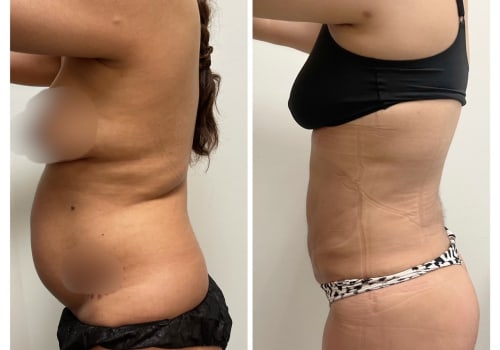
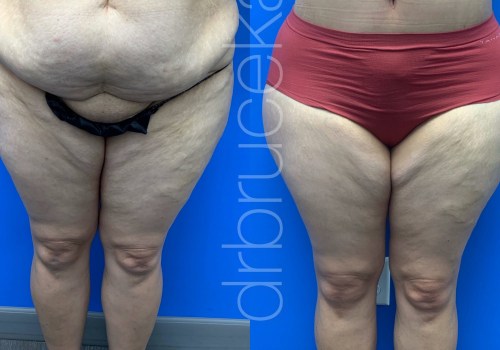
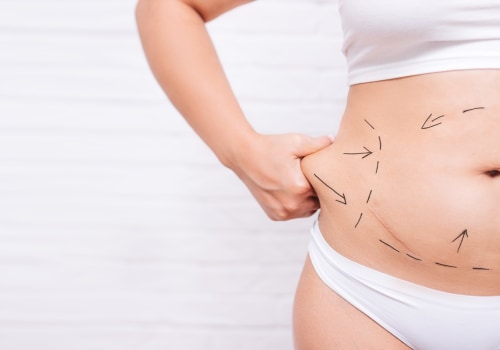
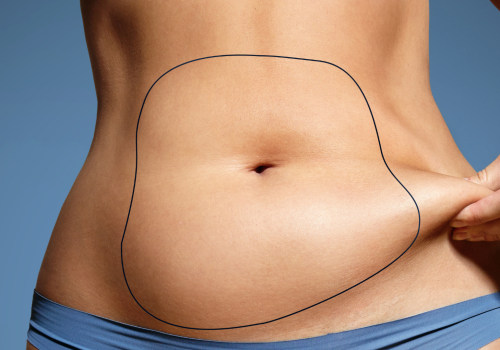
Liposuction is a popular cosmetic surgical procedure designed to remove excess fat from specific areas of the body, helping individuals achieve a more contoured and defined physique. This technique is particularly effective for targeting stubborn fat deposits that are resistant to diet and exercise, making it an appealing option for those looking to enhance their body shape. While many people may associate liposuction solely with weight loss, its primary purpose is to sculpt the body rather than serve as a weight-loss solution.The liposuction procedure typically involves the use of a thin tube called a cannula, which is inserted through small incisions in the skin. The surgeon then uses this cannula to suction out fat from the targeted areas.
Depending on the specific technique employed, such as tumescent liposuction or ultrasound-assisted liposuction, the process may vary slightly. Tumescent liposuction involves injecting a solution that contains saline, lidocaine, and epinephrine into the treatment area, which helps to numb the area and reduce bleeding during the procedure. This method not only enhances patient comfort but also aids in achieving optimal results.Understanding how Depending on the specific technique employed, such as tumescent liposuction or ultrasound-assisted liposuction, the process may vary slightly. Tumescent liposuction involves injecting a solution that contains saline, lidocaine, and epinephrine into the treatment area, which helps to numb the area and reduce bleeding during the procedure. This method not only enhances patient comfort but also aids in achieving optimal results.Understanding how liposuction works is crucial for anyone considering this procedure. The process begins with a thorough consultation where the surgeon evaluates the patient's medical history, discusses their aesthetic goals, and determines if they are a suitable candidate for liposuction.
Once the decision is made to proceed, patients are typically advised on pre-operative preparations, which may include avoiding certain medications and maintaining a healthy lifestyle leading up to the surgery. Post-operative care is equally important, as it involves following specific guidelines to ensure proper healing and maximise results.In summary, liposuction offers individuals an opportunity to reshape their bodies by removing unwanted fat deposits. However, it is essential to approach this procedure with realistic expectations and an understanding of its purpose and limitations. As we delve deeper into the pros and cons of liposuction in this article, it will become clear how this procedure can impact both physical appearance and overall well-being.
The Benefits of Liposuction
Liposuction offers a range of benefits that can significantly enhance an individual's quality of life.Understanding these advantages is essential for anyone considering this procedure.
1.Improved Body Contouring
One of the primary benefits of liposuction is its ability to reshape and contour the body. This procedure targets stubborn fat deposits that are often resistant to diet and exercise, allowing for a more sculpted appearance. Common areas treated include the abdomen, thighs, hips, arms, and neck. By removing excess fat, patients can achieve a more balanced and proportionate figure, which can lead to a more aesthetically pleasing silhouette.
2.Enhanced Self-Esteem
Many individuals who undergo liposuction report a significant boost in self-esteem and confidence.
The transformation in body shape can lead to improved body image, making patients feel more comfortable in their own skin. This newfound confidence often extends beyond physical appearance; it can positively impact social interactions and personal relationships.
3.Motivation for a Healthier Lifestyle
For some, the results of liposuction serve as a catalyst for adopting healthier habits. After experiencing the positive changes in their bodies, many patients feel inspired to maintain their results through regular exercise and a balanced diet. This motivation can lead to long-term health benefits, including weight management and improved overall well-being.
4.Potential Health Benefits
In addition to aesthetic improvements, liposuction may offer certain health benefits.
Excess fat, particularly visceral fat that accumulates around internal organs, is associated with various health risks such as heart disease and diabetes. By reducing fat deposits through liposuction, patients may lower their risk of developing these conditions. However, it is important to note that liposuction should not be viewed as a weight-loss solution but rather as a method for body contouring.
5.Quick Recovery Time
Advancements in liposuction techniques have led to quicker recovery times compared to traditional surgical methods. Many patients can return to their daily activities within a few days post-procedure, especially when local anesthesia is used.
This allows individuals to enjoy their results sooner without prolonged downtime.In conclusion, the benefits of liposuction extend beyond mere aesthetics; they encompass emotional well-being and potential health improvements as well. For those considering this procedure, understanding these advantages can help in making an informed decision about whether liposuction is the right choice for them.
Potential Drawbacks of Liposuction
While liposuction can offer significant aesthetic benefits, it is essential to consider the potential drawbacks and risks associated with the procedure. Understanding these factors can help individuals make informed decisions about whether liposuction is the right choice for them.One of the primary concerns regarding liposuction is the risk of complications. As with any surgical procedure, there are inherent risks involved.Some of the most common complications include:
- Infection: Post-operative infections can occur, leading to prolonged recovery times and additional medical treatment.
- Bleeding: Excessive bleeding during or after the procedure may necessitate further intervention.
- Fluid accumulation: Seromas, or pockets of fluid, can develop under the skin, requiring drainage.
- Nerve damage: Temporary or permanent changes in sensation may occur in the treated areas.
- Pain and discomfort: Patients often experience pain in the treated areas, which can be managed with medication but may still affect daily activities.
- Swelling and bruising: These are common post-operative symptoms that can take time to resolve, impacting the overall appearance during recovery.
- Scarring: Although incisions are typically small, there is still a risk of visible scarring, which may be a concern for some individuals.
Therefore, individuals should have realistic expectations about the results and understand that maintaining a healthy lifestyle post-procedure is vital for preserving outcomes.Lastly, there is a psychological aspect to consider. While many patients report increased confidence after liposuction, others may experience dissatisfaction if their expectations are not met. It is essential for candidates to engage in thorough discussions with their surgeon about desired outcomes and potential limitations of the procedure.In conclusion, while liposuction can provide transformative results for many individuals, it is accompanied by various risks and side effects that must be carefully weighed. Consulting with a qualified surgeon and understanding both the benefits and drawbacks will empower patients to make informed choices regarding their body and health.
Who is a Suitable Candidate for Liposuction?
Determining whether you are a suitable candidate for liposuction involves several factors, including your overall health, body type, and specific aesthetic goals.Understanding these criteria can help you make an informed decision about whether this procedure is right for you.
Age Considerations
While there is no strict age limit for undergoing liposuction, most candidates are typically adults aged 18 and older. Younger individuals may still be considered if they have reached physical maturity. However, it is essential to note that skin elasticity plays a significant role in the outcome of the procedure. As we age, our skin loses elasticity, which can affect how well the skin conforms to the new body contours post-surgery.
Therefore, older candidates may need to consider additional procedures, such as a tummy tuck, to achieve optimal results.Therefore, older candidates may need to consider additional procedures, such as a tummy tuck, to achieve optimal results.
Health Status
Good health is a critical factor in determining candidacy for liposuction. Ideal candidates should:
- Be non-smokers or willing to quit smoking prior to surgery.
- Have no underlying medical conditions that could complicate surgery or recovery, such as heart disease, diabetes, or blood clotting disorders.
- Be at or near their target weight, as liposuction is not intended for significant weight loss but rather for contouring specific areas of the body.
Body Type and Fat Distribution
The most suitable candidates for liposuction typically have localized fat deposits that are resistant to diet and exercise. This means that even with a healthy lifestyle, certain areas may not respond as desired. Common areas targeted include:
- Abdomen
- Thighs
- Hips
- Arms
- Back
- Chin and neck
Liposuction can enhance body contours but does not replace a healthy lifestyle or serve as a weight-loss solution.
Mental Preparedness
A suitable candidate should also be mentally prepared for the changes that come with liposuction. This includes understanding the recovery process and being committed to maintaining results through a balanced diet and regular exercise post-surgery.In summary, if you are considering liposuction, it is crucial to evaluate your age, health status, body type, and mental readiness. Consulting with a qualified plastic surgeon can provide personalized insights into your suitability for this transformative procedure.
Liposuction Techniques: An Overview
Liposuction has evolved significantly over the years, leading to the development of various techniques that cater to different patient needs and body types. Understanding these techniques is crucial for anyone considering the procedure, as they can greatly influence the outcome and recovery process.Tumescent Liposuction
Tumescent liposuction is one of the most commonly performed techniques today.This method involves injecting a large volume of a saline solution mixed with local anaesthetic and epinephrine into the targeted fat areas before the actual suctioning occurs. The solution causes the fat cells to swell, making them easier to remove while also minimising blood loss and post-operative pain.One of the primary advantages of tumescent liposuction is that it can be performed under local anaesthesia, which reduces the risks associated with general anaesthesia. Patients often experience a quicker recovery time and less discomfort compared to traditional methods. Additionally, this technique allows for precise contouring, making it ideal for areas such as the abdomen, thighs, and arms.
Ultrasound-Assisted Liposuction (UAL)
Ultrasound-assisted liposuction employs sound waves to liquefy fat cells before they are removed from the body.This technique is particularly beneficial for fibrous areas of fat that are more challenging to treat with traditional methods. The ultrasound energy breaks down the fat cells, allowing for easier extraction through a cannula.UAL can be advantageous for patients who have previously undergone liposuction or those with denser fat deposits. However, it is essential to note that this technique may involve a longer recovery period due to potential swelling and bruising caused by the ultrasound energy.
Other Techniques
- Laser-Assisted Liposuction: This method uses laser energy to melt fat before suctioning it out. It can also promote skin tightening due to the heat generated by the laser.
- Power-Assisted Liposuction (PAL): In this technique, a vibrating cannula is used to break up fat cells, making them easier to remove.
This can lead to less trauma and quicker recovery times.
- SmartLipo: A form of laser-assisted liposuction that targets smaller areas with precision while also promoting skin tightening.
Recovery Process After Liposuction
Understanding the recovery process after liposuction is crucial for anyone considering this procedure. While many patients are eager to see their new contours, it’s important to remember that recovery takes time and care. Here’s what you can expect during your recovery journey.Initial Recovery Phase
Immediately following the procedure, patients will typically experience some swelling, bruising, and discomfort in the treated areas.This is a normal part of the healing process. Most individuals can expect to return home on the same day as their surgery, although some may require an overnight stay for monitoring.The first few days post-surgery are critical. Patients are advised to:
- Rest as much as possible to allow the body to heal.
- Keep the treated areas elevated to reduce swelling.
- Follow prescribed pain management protocols, which may include over-the-counter pain relievers or prescribed medications.
Compression Garments
Wearing a compression garment is essential during the recovery phase. This garment helps to minimise swelling and supports the newly contoured areas.Patients are usually required to wear it continuously for several weeks, only removing it for bathing or as directed by their surgeon.
Timeline for Recovery
The timeline for recovery can vary significantly from person to person, but here’s a general outline:- First Week: Most swelling and bruising will peak within the first week. Patients should avoid strenuous activities and heavy lifting during this time.
- Two Weeks: Many individuals can return to work and light activities after about two weeks, depending on their job requirements and how they feel.
- Four to Six Weeks: By this time, most of the swelling should subside, and patients can gradually resume more intense physical activities.
- Three Months: Final results may not be fully visible until three months post-surgery as the body continues to heal and adjust.
Post-Operative Care Tips
To ensure a smooth recovery, consider these post-operative care tips:- Stay Hydrated: Drinking plenty of water aids in recovery and helps reduce swelling.
- Avoid Smoking: Smoking can impede healing; it’s best to refrain from smoking during your recovery period.
- Follow-Up Appointments: Attend all scheduled follow-up appointments with your surgeon to monitor your progress and address any concerns.
- Listen to Your Body: If you experience excessive pain or unusual symptoms, contact your surgeon immediately.
Maintaining Results After Liposuction
Undergoing liposuction can be a transformative experience, but the journey does not end once the procedure is complete. To truly benefit from the reshaping and fat removal achieved through liposuction, it is essential to adopt a lifestyle that supports and maintains these results. Here are some effective strategies to help you preserve your new physique.Embrace a Balanced Diet
A nutritious diet plays a pivotal role in maintaining the results of liposuction.After your recovery period, focus on incorporating a variety of whole foods into your meals:
- Fruits and Vegetables: Aim for at least five portions of fruits and vegetables daily. These foods are rich in vitamins, minerals, and antioxidants that support overall health.
- Lean Proteins: Include sources such as chicken, fish, beans, and legumes to help build muscle and keep you feeling full.
- Whole Grains: Opt for whole grains like brown rice, quinoa, and whole wheat bread instead of refined grains to maintain energy levels and promote digestive health.
- Healthy Fats: Incorporate sources of healthy fats such as avocados, nuts, and olive oil to support heart health and satiety.
Stay Active
Regular physical activity is crucial for maintaining your liposuction results. Aim for at least 150 minutes of moderate aerobic exercise each week. Consider the following:- Cardiovascular Exercise: Activities like walking, cycling, or swimming can help burn calories and improve cardiovascular health.
- Strength Training: Incorporate strength training exercises at least twice a week to build muscle mass, which can boost metabolism.
- Flexibility and Balance: Practices such as yoga or Pilates can enhance flexibility and core strength while promoting relaxation.
Hydration is Key
Staying well-hydrated is essential for overall health and can aid in weight management.Drinking plenty of water helps control hunger and supports metabolic processes. Aim for at least eight glasses of water a day, adjusting based on your activity level.
Avoiding Weight Fluctuations
While liposuction removes fat cells from specific areas, it does not prevent new fat cells from forming if weight is gained post-surgery. To avoid weight fluctuations:- Monitor Your Weight: Regularly check your weight to catch any changes early on.
- Avoid Crash Diets: Extreme dieting can lead to rapid weight loss followed by regain; instead, focus on gradual changes.
- Set Realistic Goals: Establish achievable fitness and dietary goals that promote long-term success rather than quick fixes.
Cost Considerations for Liposuction
When contemplating liposuction, understanding the financial implications is essential.The cost of liposuction in the UK can vary significantly based on several factors, making it crucial for potential patients to be well-informed before proceeding.
Factors Affecting Liposuction Price
- Geographic Location: The cost of liposuction can differ depending on the region. Major cities like London typically have higher prices due to increased demand and operational costs.
- Surgeon’s Experience: The qualifications and experience of the surgeon play a significant role in pricing. Highly experienced surgeons may charge more, but their expertise can lead to better outcomes.
- Type of Procedure: There are various techniques for liposuction, such as tumescent, ultrasound-assisted, or laser-assisted liposuction. Each method has different costs associated with it, often reflecting the technology and expertise required.
- Areas Treated: The number of areas being treated will also influence the overall cost.
Treating multiple areas will naturally increase the price compared to a single area.
- Anesthesia Fees: Depending on whether local or general anesthesia is used, costs can vary. Local anesthesia is generally less expensive and may reduce overall surgical fees.
- Facility Fees: The type of facility where the procedure is performed can impact costs. Accredited surgical centres may charge more than outpatient clinics.
Average Costs
The average cost of liposuction in the UK ranges from £2,000 to £7,000, depending on the factors mentioned above. It’s important to note that this price often includes pre-operative consultations, post-operative care, and follow-up appointments.
Financing Options for Liposuction
Many clinics offer financing options to help patients manage the costs associated with liposuction.
These may include:
- Payment Plans: Some clinics provide flexible payment plans that allow patients to spread the cost over several months or years.
- Medical Loans: Patients can consider applying for medical loans specifically designed for cosmetic procedures, which often come with competitive interest rates.
- Credit Cards: Using a credit card can be an option for some patients, but it’s essential to be mindful of interest rates and repayment terms.
Frequently Asked Questions About Liposuction
When considering liposuction, many individuals have questions and concerns that can influence their decision-making process. Addressing these frequently asked questions can help demystify the procedure and provide clarity.What is liposuction?
Liposuction is a cosmetic surgical procedure designed to remove excess fat from specific areas of the body. It targets stubborn fat deposits that are resistant to diet and exercise, allowing for body contouring and reshaping.Who is a good candidate for liposuction?
Ideal candidates for liposuction are those who are at or near their target weight but struggle with localized fat deposits.Candidates should be in good overall health, have realistic expectations, and understand that liposuction is not a weight-loss solution but rather a body sculpting procedure.
What areas can be treated with liposuction?
- Abdomen
- Thighs
- Hips
- Arms
- Back
- Chin and neck
Is liposuction safe?
Like any surgical procedure, liposuction carries risks, including infection, scarring, and complications related to anesthesia. However, when performed by a qualified and experienced surgeon, the risks are significantly minimized. It is essential to follow pre-operative and post-operative instructions to ensure safety.What are some common myths about liposuction?
- Liposuction is a weight-loss method: This is a common misconception. Liposuction is intended for body contouring rather than significant weight loss.
- Liposuction results are permanent: While the fat cells removed during the procedure do not return, new fat can develop if a healthy lifestyle is not maintained.
- Liposuction can eliminate cellulite: Liposuction does not address skin texture issues like cellulite; it primarily removes fat.
Always consult with a certified plastic surgeon to discuss individual circumstances and receive tailored advice.
Conclusion: Making an Informed Decision on Liposuction
In conclusion, the decision to undergo liposuction is a significant one that requires careful consideration of both its advantages and disadvantages. As we have explored throughout this article, liposuction can offer remarkable benefits, including enhanced body contouring, increased self-esteem, and the potential for a more youthful appearance. Many patients report feeling more confident in their bodies and enjoying improved clothing fit after the procedure.However, it is equally important to acknowledge the potential drawbacks associated with liposuction. The procedure is surgical in nature, which inherently carries risks such as complications from anesthesia, infection, and the need for a recovery period that may involve discomfort and the use of compression garments.Furthermore, liposuction is not a weight-loss solution; it is designed to target specific areas of stubborn fat that resist diet and exercise.Before making a decision, prospective patients should consider the following key points:
- Realistic Expectations: Understand that while liposuction can reshape your body, it is not a substitute for a healthy lifestyle. Maintaining a balanced diet and regular exercise is crucial for preserving results.
- Consultation with a Qualified Surgeon: Seek out a board-certified plastic surgeon with extensive experience in performing liposuction. A thorough consultation will help you understand what to expect and whether you are a suitable candidate.
- Post-Operative Care: Be prepared for the recovery process, which may include wearing compression garments and adhering to post-operative instructions to ensure optimal healing.
- Long-Term Commitment: Consider your long-term health goals and how liposuction fits into your overall wellness journey.
By doing so, you can ensure that your choice aligns with your personal goals and expectations, leading to a satisfying outcome.