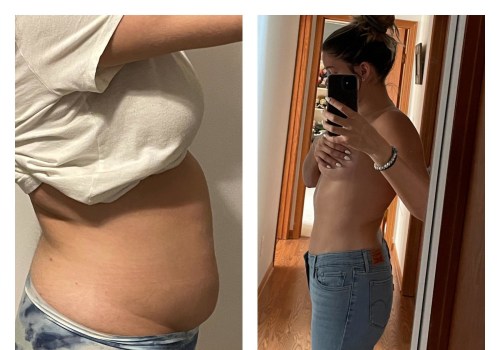
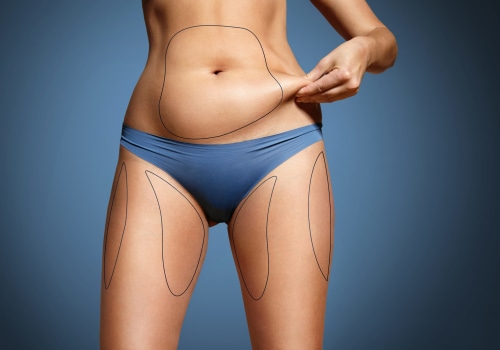
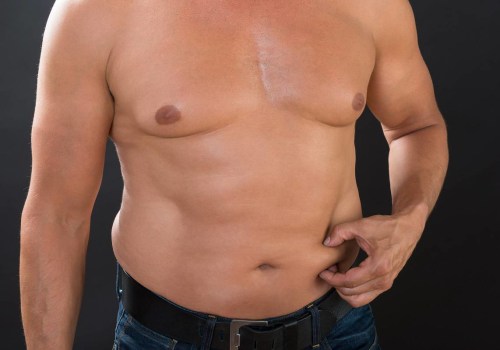
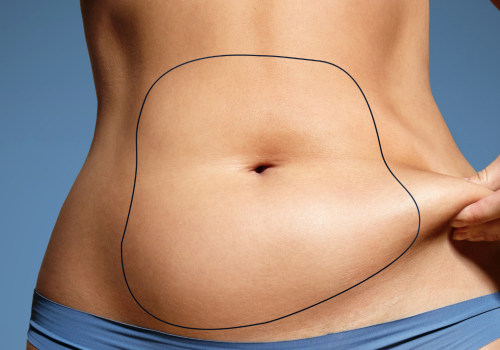
Liposuction is often misunderstood as a straightforward solution for weight loss, but its true purpose lies in body contouringbody contouring. This cosmetic procedure is designed to target and remove stubborn fat deposits that resist diet and exercise, allowing individuals to achieve a more sculpted appearance. While many people seek liposuction with the hope of shedding pounds, it is crucial to recognise that this procedure is not a substitute for a healthy lifestyle or a comprehensive weight management plan.One of the most prevalent misconceptions surrounding liposuction is the belief that it can lead to significant weight loss. In reality, liposuction typically removes only a limited amount of fat—often between 5 to 10 pounds—depending on the individual and the areas being treated.
This means that while patients may notice a change in their body shape and proportions, they may not see a dramatic decrease on the scale. Understanding this distinction is vital for setting realistic expectations and ensuring satisfaction with the results.Moreover, the journey does not end once the procedure is complete. Post-operative weight management plays a critical role in maintaining the results achieved through liposuction. Patients must be aware that while fat cells are permanently removed from the treated areas, the remaining fat cells in the body can still expand if weight is gained after surgery.
This highlights the importance of adopting a balanced diet and regular exercise regimen to support long-term success and prevent unwanted weight gain.In summary, liposuction serves as an effective method for enhancing body contours by eliminating localized fat deposits. However, it should be viewed as part of a broader approach to health and wellness rather than a quick fix for weight loss. By understanding the realities of liposuction and its implications for weight management, individuals can make informed decisions and set themselves up for lasting success.
What is Liposuction?
Liposuction is a popular cosmetic procedure designed to reshape and contour the body by removing excess fat deposits. It is essential to understand that liposuction is not a weight-loss solution; rather, it targets specific areas where fat tends to accumulate despite a healthy diet and regular exercise.This procedure can enhance body proportions and improve self-esteem for many individuals.The liposuction procedure typically involves the use of a thin tube called a cannula, which is inserted through small incisions in the skin. The surgeon then uses this cannula to suction out unwanted fat from the targeted areas. The procedure can be performed under local or general anaesthesia, depending on the extent of fat removal and the patient's comfort level.
Types of Liposuction
There are several techniques available for liposuction, each with its unique advantages:- Tumescent Liposuction: This is the most common technique, where a solution containing saline, anaesthetic, and epinephrine is injected into the treatment area. This solution helps to numb the area, reduce bleeding, and make fat removal easier.
- Ultrasound-Assisted Liposuction (UAL): In this method, ultrasound energy is used to liquefy fat cells before they are suctioned out.
This technique can be particularly effective for fibrous areas of the body, such as the back or male breast tissue.
- Laser-Assisted Liposuction (LAL): This technique employs laser energy to melt fat cells before removal. The heat from the laser also promotes skin tightening, which can enhance the overall results.
- Power-Assisted Liposuction (PAL): This method uses a mechanised cannula that vibrates to help break up fat cells, making it easier for the surgeon to remove them. This technique can lead to quicker recovery times and less trauma to surrounding tissues.
Understanding the different types of liposuction and how they work can help individuals make informed decisions about their cosmetic goals.
The Science Behind Weight Gain After Liposuction
Understanding the biological mechanisms behind weight gain after liposuction is crucial for anyone considering this procedure. Liposuction is designed to remove fat cells from specific areas of the body, leading to a more contoured appearance. However, it is essential to grasp how the body responds post-surgery, particularly regarding fat cell behaviour and distribution.When liposuction is performed, a significant number of fat cells are permanently removed from the targeted areas. This reduction in fat cells means that those specific regions will have a lower capacity to store fat compared to untreated areas.However, the remaining fat cells in the body can still expand if there is an increase in overall body weight. This phenomenon occurs because the body strives to maintain homeostasis, or balance, in its fat distribution.After liposuction, if a patient gains weight, the remaining fat cells can increase in size. This is particularly noticeable if the weight gain exceeds a modest amount. For instance, gaining 5-10 pounds may not significantly alter the appearance of the treated areas due to the reduced number of fat cells there.
However, if a patient gains more substantial weight—such as 10% or more of their body weight—the remaining fat cells may expand enough to affect the overall contour.Moreover, it’s important to consider how fat distribution works in the body. Fat does not accumulate uniformly; instead, it tends to concentrate in certain areas based on genetic predisposition and hormonal influences. For example, some individuals may notice that weight gain after liposuction leads to increased fat deposits in areas that were not treated during the procedure. This can create an imbalance in body proportions and may lead to dissatisfaction with results.Additionally, hormonal changes can play a role in how and where fat is stored post-liposuction.
Factors such as stress, diet, and lifestyle choices can influence hormone levels, which in turn affect fat storage patterns. For instance, elevated cortisol levels due to stress can lead to increased abdominal fat accumulation.In summary, while liposuction effectively removes fat cells from specific areas of the body, it does not prevent future weight gain or dictate how remaining fat cells will respond to changes in body weight. Maintaining a healthy lifestyle through balanced nutrition and regular exercise is vital for preserving the results of liposuction and preventing unwanted weight gain.
Common Misconceptions About Liposuction and Weight Gain
Liposuction is often surrounded by a cloud of misconceptions that can lead to unrealistic expectations and confusion among potential patients. One of the most prevalent myths is that liposuction is a weight-loss procedure.In reality, liposuction is primarily a body contouring technique designed to remove stubborn fat deposits from specific areas of the body, such as the abdomen, thighs, and arms. It is not intended for significant weight reduction.Many individuals mistakenly believe that undergoing liposuction will allow them to eat whatever they want without consequences. This misconception can be particularly dangerous, as it may lead to poor lifestyle choices post-surgery. While liposuction effectively removes fat cells from targeted areas, it does not prevent future weight gain if a healthy diet and exercise regimen are not maintained.
The remaining fat cells in the body can still expand if caloric intake exceeds energy expenditure.Another common myth is that liposuction results in permanent weight loss. While the fat cells removed during the procedure do not regenerate, it is crucial to understand that the body can still gain weight in untreated areas or through the expansion of existing fat cells. Therefore, patients may notice changes in their body shape if they gain weight after the procedure, particularly if they do not adhere to a balanced lifestyle.Furthermore, some people believe that liposuction can target specific areas for fat loss without affecting overall body weight. This notion is misleading; while liposuction can sculpt and enhance certain body parts, it does not guarantee a uniform distribution of weight loss across the entire body.
The results depend on various factors, including genetics, metabolism, and lifestyle choices.In summary, understanding the true purpose of liposuction is essential for anyone considering this procedure. It is not a substitute for healthy living or a solution for obesity but rather a method to enhance body contours by removing localized fat deposits. By dispelling these myths and focusing on realistic outcomes, patients can make informed decisions about their cosmetic surgery options.
Factors Influencing Weight Gain After Liposuction
Understanding the factors that can lead to weight gain after liposuction is crucial for anyone considering this procedure. While liposuction effectively removes fat cells from specific areas, it does not guarantee permanent weight stability.Several elements can influence post-operative weight changes, including lifestyle choices, hormonal fluctuations, and psychological factors.
Lifestyle Choices
One of the most significant contributors to weight gain after liposuction is the lifestyle adopted by the patient post-surgery. Key aspects include:- Diet: After liposuction, maintaining a balanced diet is essential. Consuming high-calorie, low-nutrient foods can lead to weight gain, as the body may store excess calories in remaining fat cells. A diet rich in fruits, vegetables, lean proteins, and whole grains can help maintain results.
- Exercise: Regular physical activity is vital for sustaining weight loss.
Engaging in a consistent exercise routine helps burn calories and prevents fat accumulation. However, patients should wait until they have fully healed and received clearance from their surgeon before resuming intense workouts.
Hormonal Influences
Hormones play a significant role in regulating body weight and fat distribution. After liposuction, hormonal changes can occur due to various factors:- Metabolism: The removal of fat cells can alter metabolic rates. If the body’s metabolism slows down post-surgery, it may lead to weight gain if caloric intake remains unchanged.
- Stress Hormones: Increased stress levels can elevate cortisol production, which is linked to fat accumulation, particularly around the abdomen.
Managing stress through relaxation techniques or therapy can be beneficial.
Psycho-Emotional Factors
The psychological aspect of undergoing liposuction cannot be overlooked. Emotional well-being significantly impacts eating habits:- Binge Eating: Some individuals may resort to emotional eating as a coping mechanism after surgery, leading to weight gain.
- Body Image Issues: Patients may struggle with their body image post-liposuction, which can affect their motivation to maintain a healthy lifestyle.
How Much Weight Can You Gain After Liposuction?
Understanding the potential for weight gain after liposuction is crucial for anyone considering this procedure. While liposuction effectively removes fat cells from specific areas of the body, it does not prevent future weight gain entirely.Patients often wonder about the limits of weight gain they might experience following surgery.Typically, patients can expect to see some fluctuations in their weight post-surgery. It is common to gain between 5 to 10 pounds shortly after the procedure due to factors such as fluid retention and the body's natural healing process. This initial weight gain is usually temporary and should not be a cause for concern.However, it is essential to differentiate between minor fluctuations and significant weight gain. Gaining more than 10% of your body weight —for instance, if you weigh 150 pounds, this would mean gaining over 15 pounds—can lead to noticeable changes in the treated areas.
This is because while liposuction removes fat cells, the remaining fat cells can still expand if excess weight is gained.
Factors Influencing Weight Gain After Liposuction
- Dietary Choices: Post-surgery eating habits play a significant role in weight management. A balanced diet rich in nutrients can help maintain results.
- Physical Activity: Regular exercise is vital for preventing weight gain. Engaging in physical activity helps burn calories and maintain muscle mass.
- Body's Natural Response: The body may initially retain fluid as part of the healing process, which can contribute to temporary weight gain.
Safe Weight Gain After Liposuction
If you find yourself gaining weight after liposuction, aim for gradual increases rather than rapid fluctuations.
A safe approach involves maintaining a healthy lifestyle that includes:
- A balanced diet with appropriate portion sizes.
- Regular physical activity tailored to your recovery stage.
- Avoiding drastic changes in diet or exercise routines that could lead to rapid weight changes.
Maintaining Results: Tips for Preventing Weight Gain Post-Liposuction
After undergoing liposuction, many patients are eager to maintain their newly contoured bodies. While the procedure effectively removes fat cells from specific areas, it is crucial to adopt a proactive approach to prevent weight gain and ensure long-lasting results. Here are some actionable tips to help you maintain your results post-liposuction.1.Embrace a Balanced Diet
Nutrition plays a vital role in maintaining your weight after liposuction.Focus on a balanced diet that includes:
- Fruits and Vegetables: Aim for a variety of colours to ensure you receive essential vitamins and minerals.
- Lean Proteins: Incorporate sources like chicken, fish, beans, and legumes to support muscle recovery and satiety.
- Whole Grains: Choose whole grains over refined options to provide sustained energy and fibre.
- Healthy Fats: Include sources such as avocados, nuts, and olive oil in moderation.
2.Establish a Regular Exercise Routine
Once you have received clearance from your surgeon, gradually reintroducing physical activity is crucial. Consider the following:- Start Slow: Begin with low-impact activities such as walking or swimming to ease back into exercise.
- Incorporate Strength Training: Building muscle can help boost your metabolism. Aim for two to three sessions per week focusing on all major muscle groups.
- Add Cardiovascular Workouts: Engage in moderate-intensity cardio exercises like cycling or jogging for at least 150 minutes per week.
3.Monitor Your Weight
Regularly tracking your weight can help you stay accountable.Consider weighing yourself weekly at the same time of day to monitor any fluctuations. If you notice an increase, take proactive steps to adjust your diet or exercise routine accordingly.
4.Prioritise Mental Well-being
Your mental health can significantly impact your physical health. Engage in stress-reducing activities such as yoga, meditation, or hobbies that bring you joy. A positive mindset can help you stay motivated on your journey towards maintaining your results.5.Seek Support
If you're struggling to maintain your weight post-liposuction, consider seeking support from professionals such as nutritionists or personal trainers who specialise in post-operative care.They can provide tailored advice and encouragement to help you stay on track.In conclusion, while liposuction can provide significant improvements in body contouring, maintaining those results requires commitment to a healthy lifestyle. By focusing on balanced nutrition, regular exercise, weight monitoring, mental well-being, and seeking support when needed, you can enjoy the benefits of your procedure for years to come.
The Role of Emotional Well-being in Post-Liposuction Weight Management
Undergoing liposuction can be a transformative experience, not just physically but also emotionally. The journey towards achieving a desired body shape often brings with it a host of psychological challenges that can significantly impact weight management post-surgery. Understanding the role of emotional well-being in this context is crucial for long-term success.One of the most significant emotional aspects following liposuction is the body image perception.Many patients anticipate feeling more confident and satisfied with their appearance after the procedure. However, this expectation can sometimes lead to disappointment if the results do not meet their idealised vision. This dissonance can trigger feelings of inadequacy or dissatisfaction, which may, in turn, affect their motivation to maintain a healthy lifestyle.Moreover, the psychological factors influencing weight management are multifaceted. For instance, individuals who struggle with emotional eating may find it challenging to adhere to a balanced diet after liposuction.
The emotional highs and lows that accompany recovery can lead some to seek comfort in food, undermining their efforts to maintain their new body shape.To combat these challenges, it is essential for patients to prioritise their mental health. Engaging in therapy or support groups can provide a safe space to discuss feelings and experiences related to body image and self-esteem. Such support systems can help individuals develop healthier coping mechanisms and reinforce positive body image.Additionally, practising mindfulness and self-compassion can be beneficial. Techniques such as meditation or journaling can help individuals process their emotions and foster a more positive relationship with their bodies.
Recognising that recovery is a journey filled with ups and downs can alleviate some of the pressure to achieve perfection immediately.In conclusion, addressing emotional well-being is vital for those who have undergone liposuction. By acknowledging the psychological factors at play and seeking appropriate support, individuals can enhance their chances of successful weight management and cultivate a healthier self-image in the long run.
FAQs About Weight Gain After Liposuction
When considering liposuction, many potential patients have questions regarding the possibility of weight gain following the procedure. Here, we address some of the most frequently asked questions to help clarify common concerns.1.Can I gain weight after liposuction?
Yes, it is possible to gain weight after undergoing liposuction. While the procedure removes fat cells from specific areas, it does not prevent future weight gain.If you gain weight post-surgery, the remaining fat cells in your body can expand, potentially affecting your overall body shape.
2.How much weight can I expect to gain after the procedure?
Many patients may experience a temporary weight increase of about 5 to 10 pounds immediately after liposuction due to fluid retention and swelling. This is typically not a cause for concern as it usually resolves within a few weeks. However, if you gain more than this amount, it could indicate that fat is being redistributed in your body.3.Will my treated areas look different if I gain weight?
If you gain a small amount of weight (around 5 pounds), the treated areas may not show significant changes because those fat cells have been permanently removed. However, gaining a larger percentage of your body weight can lead to noticeable changes in the treated areas as remaining fat cells may expand.4.What factors contribute to weight gain after liposuction?
- Diet: Consuming high-calorie foods can lead to weight gain.
- Lack of exercise: A sedentary lifestyle can contribute to increased body fat.
- Hormonal changes: Factors such as pregnancy or hormonal imbalances can affect weight.
5.How can I prevent weight gain after liposuction?
To maintain your results and prevent weight gain, consider the following:- Adopt a balanced diet: Focus on whole foods, including fruits, vegetables, lean proteins, and whole grains.
- Regular exercise: Engage in physical activity that you enjoy and can sustain long-term.
- Stay hydrated: Drinking plenty of water can help manage appetite and support overall health.
Conclusion: Embracing Your New Body After Liposuction
In conclusion, the journey following liposuction is as significant as the procedure itself.Understanding the realities of weight management post-liposuction is crucial for anyone considering this body contouring option. While liposuction effectively removes fat cells from targeted areas, it is essential to recognise that it is not a definitive solution for weight loss. Instead, it serves as a tool to enhance body shape and boost confidence.As discussed, gaining a small amount of weight after the procedure is common and can be attributed to various factors, including fluid retention and the natural redistribution of fat cells. It is vital to maintain realistic expectations regarding your body’s response post-surgery.
Embracing your new body shape means acknowledging that while some changes may occur, the overall improvement in your silhouette will remain visible.To maximise the benefits of liposuction and maintain your results, adopting a healthy lifestyle is paramount. This includes:
- Balanced Diet: Focus on consuming nutrient-rich foods that support your body’s needs. Incorporate plenty of fruits, vegetables, lean proteins, and whole grains into your meals.
- Regular Exercise: Engage in physical activity that you enjoy. Whether it’s walking, swimming, or yoga, find a routine that keeps you active and motivated.
- Hydration: Drink plenty of water to help flush out toxins and maintain skin elasticity.
- Avoiding Yo-Yo Dieting: Steer clear of extreme diets that can lead to rapid weight fluctuations, which may affect your results.
Pregnancy can significantly alter body shape and fat distribution, potentially impacting the results achieved through surgery.Ultimately, embracing your new body after liposuction involves a combination of self-acceptance and proactive health management. Celebrate the changes you have made and focus on nurturing your body with care and respect. Remember that every individual’s journey is unique; what matters most is how you feel in your skin and the confidence you carry forward into your life.