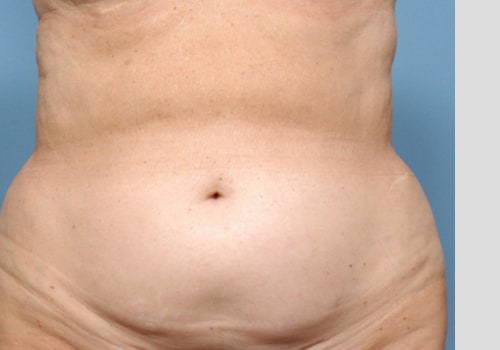
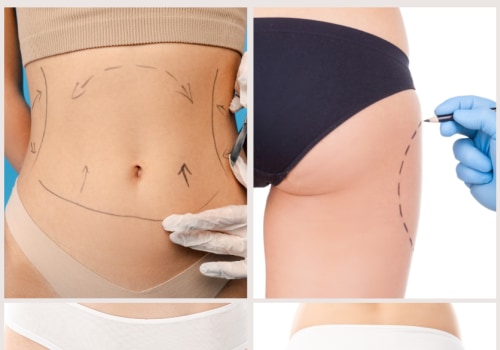
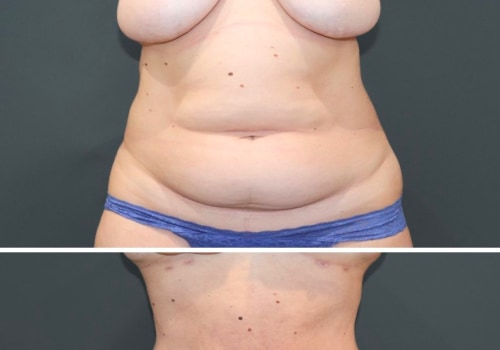
Liposuction is a popular cosmetic surgical procedure designed to remove excess fat from specific areas of the body, helping individuals achieve a more contoured and sculpted appearance. This technique involves the use of a suction method to extract fat cells from areas that are often resistant to diet and exercise, such as the abdomen, thighs, buttocks, and arms. While many people associate liposuction with weight loss, it is essential to understand that this procedure is not intended as a primary method for shedding pounds. Instead, it serves as a body contouring solution for those who are already close to their ideal weight but struggle with stubborn fat deposits.The process of liposuction typically begins with a consultation where a qualified plastic surgeon evaluates the patient's overall health, body mass index (BMI), and specific areas of concern. Liposuction is a popular cosmetic surgical procedure designed to remove excess fat from specific areas of the body, helping individuals achieve a more contoured and sculpted appearance. This technique involves the use of a suction method to extract fat cells from areas that are often resistant to diet and exercise, such as the abdomen, thighs, buttocks, and arms. While many people associate liposuction with weight loss, it is essential to understand that this procedure is not intended as a primary method for shedding pounds. Instead, it serves as a body contouring solution for those who are already close to their ideal weight but struggle with stubborn fat deposits.The process of liposuction typically begins with a consultation where a qualified plastic surgeon evaluates the patient's overall health, body mass index (BMI), and specific areas of concern. evaluates the patient's overall health, body mass index (BMI), and specific areas of concern. Liposuction is a popular cosmetic surgical procedure designed to remove excess fat from specific areas of the body, helping individuals achieve a more contoured and sculpted appearance. This technique involves the use of a suction method to extract fat cells from areas that are often resistant to diet and exercise, such as the abdomen, thighs, buttocks, and arms. While many people associate liposuction with weight loss, it is essential to understand that this procedure is not intended as a primary method for shedding pounds. Instead, it serves as a body contouring solution for those who are already close to their ideal weight but struggle with stubborn fat deposits.The process of liposuction typically begins with a consultation where a qualified plastic surgeon evaluates the patient's overall health, body mass index (BMI), and specific areas of concern.
During the procedure, small incisions are made in the skin, through which a thin tube called a cannula is inserted. The surgeon then uses this cannula to break up and suction out the unwanted fat. The result is a smoother and more defined silhouette, which can significantly boost an individual's self-esteem and body image.For individuals who are overweight or have a higher BMI, the question of whether liposuction is an appropriate option often arises. While some may consider this procedure as a quick fix for weight issues, it is crucial to recognise that liposuction is not a substitute for healthy lifestyle changes.
In fact, candidates for liposuction are generally advised to be within 30% of their ideal body weight to ensure optimal results and minimise potential complications. Therefore, understanding the role of liposuction in the broader context of weight management and body aesthetics is vital for anyone contemplating this procedure.
What is Liposuction?
Liposuction
is a popular cosmetic surgical procedure designed to remove excess fat from specific areas of the body, helping to create a more contoured and sculpted appearance. It is important to note that liposuction is not a weight-loss solution; rather, it is intended for individuals who are close to their ideal body weight but struggle with stubborn fat deposits that do not respond to diet and exercise.The procedure involves the use of a thin tube called a cannula , which is inserted through small incisions in the skin. The cannula is connected to a vacuum device that gently suctions out fat cells from targeted areas, such as the abdomen, thighs, buttocks, arms, and neck.
This process not only reduces fat but also helps to improve body proportions and enhance overall aesthetics.
How Liposuction Works
Liposuction typically begins with a consultation where the surgeon evaluates the patient’s health, discusses their goals, and determines the most suitable technique. The procedure can be performed under local or general anaesthesia, depending on the extent of fat removal and the areas being treated.Once anaesthesia is administered, the surgeon makes small incisions in discreet locations. The cannula is then inserted into these incisions, allowing for precise fat removal. The surgeon carefully manoeuvres the cannula to break up fat cells before suctioning them out.This meticulous approach helps to ensure smooth contours and minimise trauma to surrounding tissues.
Types of Liposuction
There are several techniques of liposuction available, each with its unique advantages:- Tumescent Liposuction: This is the most common method, where a solution containing saline, anaesthetic, and epinephrine is injected into the treatment area. This solution helps to numb the area and constrict blood vessels, reducing bleeding and swelling.
- Ultrasound-Assisted Liposuction (UAL): This technique uses ultrasound energy to liquefy fat cells before they are removed. UAL can be particularly effective for fibrous areas of the body.
- Laser-Assisted Liposuction (LAL): In this method, laser energy is used to melt fat cells, making them easier to suction out. LAL may also promote skin tightening due to the heat generated during the procedure.
Who is a Suitable Candidate for Liposuction?
Determining whether you are a suitable candidate for liposuction involves several critical factors, including your body mass index (BMI), overall health, and skin elasticity.Understanding these criteria can help you make an informed decision about whether this procedure is right for you.
Body Mass Index (BMI)
Your BMI is a key indicator of your overall health and weight status. Generally, candidates for liposuction should have a BMI of less than 30. Those with a BMI above this threshold may be considered overweight or obese, which can complicate the procedure and its outcomes. While liposuction is not a weight-loss solution, it is most effective for individuals who are close to their ideal body weight but struggle with stubborn fat deposits that resist diet and exercise.
Overall Health
Before undergoing liposuction, it is essential to assess your overall health.
Candidates should be in good physical condition, without any underlying medical conditions that could increase the risk of complications during or after the surgery. Conditions such as diabetes, heart disease, or clotting disorders may disqualify you from being a suitable candidate. A thorough consultation with a board-certified plastic surgeon will help evaluate your health status and determine if you are fit for the procedure.
Skin Elasticity
The condition of your skin plays a significant role in the success of liposuction. Ideal candidates typically have firm, elastic skin that can retract well after fat removal.
If your skin has lost elasticity due to age or significant weight loss, you may experience sagging post-procedure, which could necessitate additional surgeries such as a tummy tuck to achieve the desired results.
Realistic Expectations
Another important aspect of being a suitable candidate for liposuction is having realistic expectations about the outcomes. Liposuction can enhance body contours but is not a substitute for healthy lifestyle choices or a comprehensive weight-loss plan. Candidates should understand that while liposuction can remove fat from specific areas, maintaining results requires ongoing commitment to diet and exercise.In summary, suitable candidates for liposuction are typically those who:
- Have a BMI under 30
- Are in good overall health
- Possess good skin elasticity
- Have realistic expectations about the procedure's outcomes
Can Overweight Individuals Have Liposuction?
Liposuction is often perceived as a quick fix for unwanted fat, but it is essential to understand that it is not a weight-loss solution. For individuals who are overweight, the suitability of liposuction can be a complex issue.While some may consider this procedure as a way to enhance their body shape, there are significant factors to consider before proceeding.Firstly, candidates for liposuction are typically those who are close to their ideal body weight but struggle with specific areas of fat that are resistant to diet and exercise. If you are classified as overweight or have a high body mass index (BMI), it is crucial to evaluate whether liposuction is the right choice for you.One of the primary concerns for overweight individuals considering liposuction is the risk of complications. The procedure involves the removal of fat cells through suction, which can lead to various health risks, especially in those with higher BMI levels. These risks include:
- Increased surgical risks: Overweight patients may face higher chances of complications during and after surgery, such as infections, blood clots, and adverse reactions to anesthesia.
- Skin elasticity issues: Individuals with excess weight often have less elastic skin, which can result in sagging or irregular contours post-surgery.
This can diminish the aesthetic results that liposuction aims to achieve.
- Potential for uneven results: The removal of fat from specific areas may not yield the desired smooth and contoured appearance if the surrounding skin does not respond well.
The Importance of Weight Management Before Liposuction
Before considering liposuction, it is crucial to understand the significance of achieving a stable weight through a combination of diet and exercise.While liposuction can effectively remove stubborn fat deposits, it is not a substitute for a healthy lifestyle or a weight-loss solution. Candidates who are overweight or obese may find that they can achieve better results and overall health improvements by focusing on weight management prior to undergoing any surgical procedure.One of the primary reasons for this emphasis on weight management is that liposuction is designed to contour the body rather than serve as a weight-loss method. Individuals with a higher body mass index (BMI) may not only face increased risks during surgery but may also experience less satisfactory results. Therefore, it is advisable to aim for a BMI within the recommended range before considering liposuction.
Effective Weight Management Strategies
- Balanced Diet: Adopting a nutritious diet rich in fruits, vegetables, lean proteins, and whole grains can significantly aid in weight loss.
Reducing processed foods and sugars will also help in managing your weight effectively.
- Regular Exercise: Incorporating both cardiovascular and strength-training exercises into your routine can enhance fat loss and improve muscle tone. Aim for at least 150 minutes of moderate aerobic activity each week, along with two days of strength training.
- Hydration: Drinking plenty of water is essential for overall health and can help control hunger. Staying hydrated can also improve your energy levels, making it easier to maintain an active lifestyle.
- Setting Realistic Goals: Establish achievable weight loss goals to keep yourself motivated. Aim for gradual weight loss of about 1-2 pounds per week, which is considered safe and sustainable.
- Consulting Professionals: Working with a registered dietitian or a personal trainer can provide tailored advice and support, helping you stay accountable and focused on your goals.
Many individuals find that as they lose weight, their confidence increases, which can positively impact their decision-making regarding cosmetic procedures like liposuction.Ultimately, achieving a stable weight through dedicated efforts in diet and exercise not only enhances the potential outcomes of liposuction but also contributes to long-term health benefits. By prioritising weight management before considering surgery, candidates can ensure they are making informed decisions that align with their overall wellness goals.
Alternatives to Liposuction for Overweight Individuals
For individuals who are overweight and may not qualify for liposuction, there are several alternative procedures that can effectively aid in weight loss and improve overall health. These alternatives focus on reducing body weight through different mechanisms, often leading to significant lifestyle changes.One of the most common alternatives is gastric bypass surgerygastric bypass surgery. This procedure involves creating a small pouch from the stomach and connecting it directly to the small intestine.By doing so, it limits the amount of food that can be consumed and reduces calorie absorption. Patients typically experience rapid weight loss following this surgery, which can lead to improvements in obesity-related conditions such as type 2 diabetes and hypertension.Another option is the sleeve gastrectomy. This procedure involves removing a large portion of the stomach, resulting in a sleeve-like structure. Similar to gastric bypass, it restricts food intake and promotes hormonal changes that help reduce appetite.
Many patients find that they feel fuller faster, which aids in adhering to a healthier diet post-surgery.When considering these surgical options, it is essential to weigh the benefits against potential risks. Both gastric bypass and sleeve gastrectomy require a commitment to lifestyle changes, including dietary adjustments and regular physical activity, to maintain long-term weight loss success.In contrast to liposuction, which primarily targets specific areas of fat without addressing overall weight issues, these surgical interventions are designed for individuals with a higher body mass index (BMI) who need to lose significant amounts of weight. It is crucial for candidates to consult with healthcare professionals who can provide tailored advice based on their unique health profiles.Ultimately, while liposuction can sculpt the body by removing stubborn fat deposits, alternatives like gastric bypass and sleeve gastrectomy offer comprehensive solutions for those struggling with obesity. Each option has its own set of advantages and considerations, making it vital for individuals to explore all avenues before making a decision.
Frequently Asked Questions About Liposuction and Weight Management
Liposuction is a popular cosmetic procedure, but many individuals have questions and concerns, especially regarding its suitability for those who are overweight.Below are some frequently asked questions that can help clarify common misconceptions and provide valuable insights.
- Can I have liposuction if I am overweight?
While liposuction can be performed on individuals who are overweight, it is not recommended as a primary method for weight loss. The procedure is designed to target specific areas of stubborn fat rather than to serve as a weight-loss solution. Candidates with a Body Mass Index (BMI) over 30 may be advised to pursue weight loss through diet and exercise before considering liposuction. - What is the ideal BMI for liposuction?
Most surgeons prefer candidates with a BMI under 30, as this typically indicates that the individual is closer to their ideal body weight. However, each case is unique, and a thorough consultation with a qualified surgeon will provide the best guidance. - Will liposuction help me lose weight?
Liposuction is not intended for significant weight loss.Instead, it aims to sculpt and contour the body by removing localized fat deposits. For those looking to lose a substantial amount of weight, lifestyle changes or other surgical options may be more appropriate.
- What should I expect after the procedure?
Post-operative recovery varies by individual but generally includes swelling, bruising, and discomfort in the treated areas. Patients are often fitted with compression garments to aid in healing and contouring. It’s essential to follow your surgeon's aftercare instructions for optimal results. - Are there risks associated with liposuction for overweight individuals?
Yes, there are increased risks for those who are overweight, including complications during surgery and recovery.It’s crucial to discuss your medical history and any concerns with your surgeon during the consultation process.
Conclusion: Making an Informed Decision About Liposuction
In conclusion, the decision to undergo liposuction is a significant one that requires careful consideration and thorough understanding of the procedure, especially for those who are overweight. Throughout this article, we have explored various aspects of liposuction, including its suitability for different body types and the importance of realistic expectations.It is crucial to remember that liposuction is not a weight-loss solution but rather a body contouring procedure designed to remove stubborn fat deposits that resist diet and exercise. For individuals who are overweight or obese, the best approach is often to focus on achieving a healthier weight through lifestyle changes such as improved diet and regular physical activity.This not only enhances overall health but also prepares the body for potential surgical interventions in the future.Moreover, candidates considering liposuction should be aware of the potential risks involved, particularly if they have a higher body mass index (BMI). Consulting with a board-certified plastic surgeon is essential to assess individual circumstances and determine the most appropriate course of action. A qualified professional can provide insights into whether liposuction is suitable or if alternative options, such as weight-loss surgery, may be more beneficial.Additionally, it’s important to discuss any concerns regarding skin elasticity and the possibility of sagging skin post-procedure. Those who have lost significant weight may require additional procedures, such as a tummy tuck, to achieve optimal results.Ultimately, making an informed decision about liposuction involves understanding both the benefits and limitations of the procedure.
Engaging in open discussions with healthcare providers can help clarify doubts and ensure that individuals are well-prepared for their journey towards body transformation.In summary, while liposuction can be an effective tool for body sculpting, it is vital to approach it with realistic expectations and a commitment to overall health. By prioritising informed choices and professional guidance, individuals can navigate their options confidently.