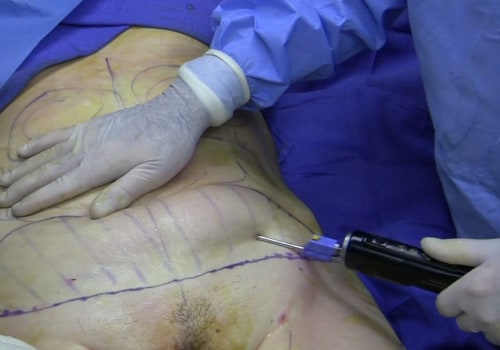
Liposuction is a popular cosmetic procedure designed to remove stubborn fat deposits from various areas of the body, helping individuals achieve a more contoured and sculpted appearance. This surgical technique is not intended as a weight loss solution but rather as a means to enhance body shape by targeting specific areas where fat tends to accumulate, such as the abdomen, thighs, buttocks, and arms. Understanding the intricacies of liposuction is essential for anyone considering this procedure, as it can help dispel common misconceptions and set realistic expectations.The liposuction procedure involves the use of a thin tube called a cannula, which is inserted through small incisions in the skin. The surgeon then uses this cannula to suction out excess fat from the targeted areas.
The process typically begins with the administration of anaesthesia to ensure patient comfort during the operation. Depending on the extent of fat removal and the areas being treated, liposuction can be performed under local or general anaesthesia. Once the fat is removed, patients can often see immediate results, although final outcomes may take several weeks to fully manifest as swelling subsides.One of the key aspects of liposuction is its ability to reshape and redefine body contours rather than simply reduce weight. It works best for individuals who are already close to their ideal body weight but struggle with localized fat deposits that do not respond to diet and exercise.
This makes liposuction an effective option for those looking to enhance their physique and boost their confidence. However, it is crucial for potential candidates to have a thorough understanding of how liposuction works and what it entails before making a decision.
The Purpose of Liposuction
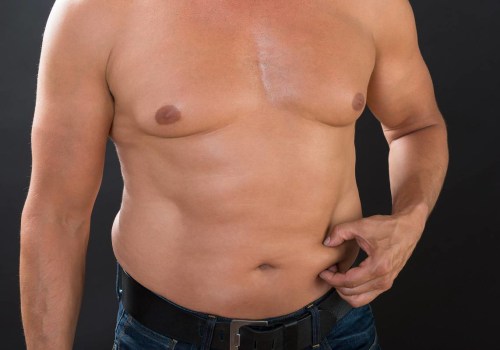
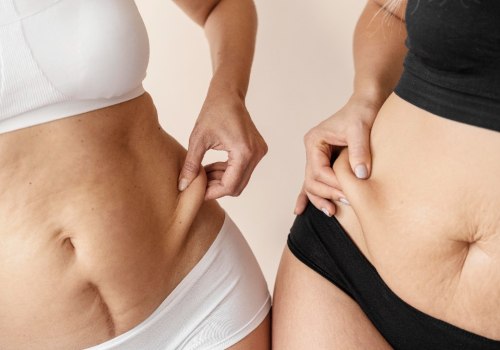
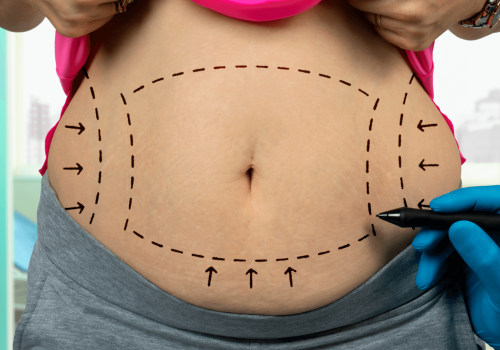
Liposuction is often misunderstood as a straightforward method for weight loss, but its true purpose lies in body sculptingbody sculpting. This cosmetic surgery procedure is designed to target specific areas of stubborn fat that resist diet and exercise, allowing individuals to achieve a more contoured and aesthetically pleasing physique.One of the primary goals of liposuction is to enhance body proportions. Many people struggle with localized fat deposits, which can be frustrating even for those who maintain a healthy lifestyle.Liposuction effectively removes these pockets of fat, helping to create a balanced silhouette. Common areas treated include the abdomen, thighs, hips, arms, and neck.It is essential to understand that liposuction is not a substitute for a healthy lifestyle or a weight loss program. While it can remove fat, it does not address the underlying issues related to weight management. Therefore, candidates for liposuction should ideally be at or near their target weight before undergoing the procedure.
This ensures that the results are both satisfying and sustainable.Moreover, liposuction can significantly boost self-esteem and confidence. Many patients report feeling more comfortable in their skin after the procedure, which can lead to improved social interactions and overall quality of life. The psychological benefits of achieving a desired body shape should not be underestimated.In addition to aesthetic improvements, liposuction can also have practical benefits. For instance, removing excess fat from certain areas can alleviate discomfort caused by friction or chafing.
This is particularly relevant for individuals with larger body types who may experience physical limitations due to excess weight.Ultimately, the purpose of liposuction extends beyond mere fat removal; it is about enhancing one’s natural shape and promoting a positive body image. By setting realistic expectations and understanding the true capabilities of this procedure, patients can make informed decisions that align with their personal goals.
Is There a Weight Limit for Liposuction?
When considering liposuction, many potential patients often wonder about the weight limit associated with the procedure. It is crucial to understand that liposuction is not primarily a weight loss method; rather, it is a body contouring technique designed to remove stubborn fat deposits that resist diet and exercise. Therefore, the concept of a strict weight limit can be somewhat misleading.The safe amount of fat that can be removed during a single liposuction procedure typically ranges from six to eight pounds , which translates to approximately three to four litres.Exceeding this limit can significantly increase the risk of complications, such as fluid imbalance, infection, and prolonged recovery times. Most surgeons adhere to this guideline to ensure patient safety and optimal results.In addition to the general limits on fat removal, individual factors play a significant role in determining how much fat can be safely extracted. These factors include:
- Body Mass Index (BMI):Body Mass Index (BMI): Surgeons often use BMI as a guideline to assess a patient's overall health and suitability for liposuction. A higher BMI may indicate that a patient has more fat to remove, but it also suggests potential health risks that need to be considered.
- Overall Health: A patient’s medical history and current health status are critical in determining the safe amount of fat removal.
Conditions such as diabetes, heart disease, or obesity can affect surgical outcomes.
- Treatment Area: The specific areas targeted for liposuction can influence how much fat can be removed. For instance, larger areas may allow for more fat extraction compared to smaller, more delicate regions.
- Additional Procedures: If liposuction is performed alongside other surgical procedures, this may also impact the maximum amount of fat that can be safely removed.
Consulting with a qualified plastic surgeon will provide tailored advice and help determine the most appropriate approach for each patient’s unique situation.Consulting with a qualified plastic surgeon will provide tailored advice and help determine the most appropriate approach for each patient’s unique situation.
Factors Influencing Liposuction Eligibility
When considering liposuction, it is essential to understand the various factors that influence a patient's eligibility for the procedure. These factors not only determine whether a patient is a suitable candidate but also play a significant role in achieving optimal results.Body Mass Index (BMI)
One of the primary criteria for liposuction eligibility is the patient's Body Mass Index (BMI). BMI is a numerical value derived from an individual's height and weight, providing an estimate of body fat. Generally, candidates with a BMI between 30 and 40 are considered for liposuction, although those with a BMI above 40 may be advised to pursue weight loss through other means before considering surgery.A lower BMI often correlates with better surgical outcomes, as it indicates less excess fat and a healthier overall body composition.
Overall Health
A patient's overall health is another critical factor in determining eligibility for liposuction. Candidates should be in good physical condition, free from chronic illnesses or conditions that could complicate surgery or recovery. Conditions such as diabetes, heart disease, or respiratory issues can increase the risk of complications during and after the procedure. A thorough medical evaluation, including blood tests and a review of medical history, is typically conducted to assess health status.Body Composition
Beyond BMI and general health, body composition plays a vital role in liposuction candidacy.This refers to the distribution of fat and muscle within the body. Patients with localized fat deposits that are resistant to diet and exercise are often ideal candidates for liposuction. However, those with significant amounts of visceral fat or an overall high body fat percentage may not achieve the desired results from the procedure alone.
Age and Skin Elasticity
Age can also influence eligibility for liposuction. Younger patients typically have better skin elasticity, which can lead to smoother results post-surgery.As individuals age, skin may lose its elasticity, making it more challenging to achieve optimal outcomes. Therefore, surgeons often consider age alongside other factors when evaluating candidates.In conclusion, understanding these factors—BMI , overall health, body composition, and age—can help potential patients assess their suitability for liposuction. Consulting with a qualified surgeon will provide personalized insights and recommendations based on individual circumstances.
Preparing for Liposuction: What You Need to Know
Preparing for liposuction is a crucial step that can significantly influence the outcome of your procedure. Understanding the necessary preparations can help you achieve the best possible results and ensure a smoother recovery process.Here are some essential tips and guidelines to consider before undergoing liposuction.
1.Achieving Your Ideal Weight
Before considering liposuction, it is vital to be as close to your ideal weight as possible. Surgeons typically recommend that patients be within 30 pounds of their target weight. This is because liposuction is not a weight-loss solution but rather a body sculpting procedure designed to remove stubborn fat deposits that resist diet and exercise.2.Healthy Lifestyle Changes
Adopting a healthy lifestyle in the weeks leading up to your surgery can enhance your results:- Balanced Diet: Focus on consuming a nutritious diet rich in fruits, vegetables, lean proteins, and whole grains. This will not only help you reach your ideal weight but also improve your overall health.
- Regular Exercise: Incorporate regular physical activity into your routine.
Aim for at least 150 minutes of moderate aerobic exercise each week, along with strength training exercises twice a week.
- Avoid Alcohol and Smoking: Both alcohol and smoking can hinder your body’s healing process. It is advisable to eliminate these habits at least four weeks before your surgery.
3.Pre-Surgery Guidelines
Your surgeon will provide specific pre-operative instructions tailored to your individual needs. Common guidelines include:- Medications: Inform your surgeon about any medications or supplements you are taking. Certain medications, such as blood thinners, may need to be paused prior to surgery.
- Hydration: Staying well-hydrated before your procedure can aid in recovery.
Drink plenty of water in the days leading up to your surgery.
- Arrange Post-Operative Care: Plan for someone to assist you after the surgery, as you may experience discomfort and will need help with daily activities.
Post-Procedure Expectations and Recovery
After undergoing liposuction, patients often have numerous questions regarding the recovery process and what to expect in the days and weeks following their procedure. Understanding the recovery timeline and adhering to post-operative care instructions is crucial for achieving optimal results.Immediately after the surgery, patients may experience swelling, bruising, and discomfort in the treated areas. These symptoms are normal and typically subside within a few days.However, it is essential to follow your surgeon's advice regarding pain management, which may include prescribed medications or over-the-counter pain relievers.
Initial Recovery Phase
During the first week post-surgery, patients are advised to:- Rest: Limit physical activity to allow your body to heal. Avoid strenuous exercise or heavy lifting for at least two weeks.
- Wear Compression Garments: These garments help reduce swelling and support the healing process. Your surgeon will provide specific instructions on how long to wear them.
- Stay Hydrated: Drinking plenty of water aids in recovery and helps flush out toxins from the body.
- Follow Dietary Recommendations: A balanced diet rich in vitamins and minerals can promote healing. Your surgeon may suggest specific foods to include or avoid.
Long-Term Recovery Expectations
As you progress beyond the initial recovery phase, it is important to maintain realistic expectations regarding your results.While some changes may be visible immediately, final results can take several months to fully materialise as swelling continues to diminish.Patients should also be aware that maintaining a healthy lifestyle post-liposuction is vital for sustaining results. Regular exercise and a nutritious diet will not only enhance your new body shape but also contribute to overall well-being.If you notice any unusual symptoms during your recovery, such as excessive swelling, persistent pain, or signs of infection (like fever or discharge), it is crucial to contact your surgeon promptly. Following all post-operative care instructions diligently will significantly impact your recovery experience and the success of your liposuction.In conclusion, while the recovery process after liposuction can vary from person to person, understanding what to expect can help alleviate concerns and ensure a smoother healing journey. By prioritising self-care and adhering to medical advice, patients can look forward to enjoying their enhanced body contours with confidence.
Common Misconceptions About Liposuction
Liposuction is often surrounded by a cloud of misconceptions that can lead to unrealistic expectations and misunderstandings about the procedure.It is essential to clarify these myths to ensure potential patients have a comprehensive understanding of what liposuction can and cannot achieve.
Myth 1: Liposuction is a Weight Loss Solution
One of the most prevalent misconceptions is that liposuction serves as a quick fix for weight loss. In reality, liposuction is not designed for significant weight reduction. Instead, it is a body sculpting procedure aimed at removing stubborn fat deposits that resist diet and exercise. The ideal candidates for liposuction are those who are close to their target weight but struggle with specific areas of fat accumulation.
Myth 2: Liposuction Removes All Fat from the Body
Another common myth is that liposuction can eliminate all unwanted fat from the body.
This is far from the truth. The procedure has limitations on the amount of fat that can be safely removed in one session, typically around six to eight pounds. Moreover, liposuction does not prevent future weight gain; maintaining a healthy lifestyle post-procedure is crucial for long-term results.
Myth 3: Liposuction Results are Immediate and Permanent
Many individuals believe that the results of liposuction are immediate and will last forever. While some changes may be visible shortly after the procedure, it can take several weeks or even months for swelling to subside and the final results to become apparent.
Additionally, the longevity of these results depends significantly on the patient’s commitment to a healthy lifestyle, including regular exercise and a balanced diet.
Myth 4: Anyone Can Undergo Liposuction
It is also a misconception that anyone can qualify for liposuction regardless of their health status. In fact, candidates must meet specific health criteria to ensure safety during the procedure. Factors such as overall health, body mass index (BMI), and skin elasticity play critical roles in determining whether an individual is suitable for liposuction.In conclusion, understanding the truth about liposuction is vital for anyone considering this procedure. By debunking these common myths, potential patients can approach their consultations with realistic expectations and a clearer understanding of how liposuction can fit into their overall health and wellness journey.
Consultation with a Plastic Surgeon: What to Expect
When considering liposuction, the initial consultation with a plastic surgeon is a crucial step in the journey towards achieving your desired body shape.This meeting serves as an opportunity for you to gather information, express your concerns, and understand the procedure in detail.During the consultation, you can expect the surgeon to conduct a thorough assessment of your medical history and current health status. This evaluation helps determine if you are a suitable candidate for liposuction. The surgeon will likely ask about:
- Your overall health and any pre-existing medical conditions.
- Previous surgeries or procedures you have undergone.
- Your lifestyle habits, including diet and exercise routines.
- Your goals and expectations regarding the outcome of the procedure.
- What is your experience with liposuction? Inquire about the surgeon's qualifications, training, and how many liposuction procedures they have performed.
- What techniques do you use? Understanding the different methods available can help you gauge which might be best suited for your needs.
- What are the potential risks and complications? Every surgical procedure carries risks; knowing them upfront can help you make an informed decision.
- What results can I realistically expect? Discussing expected outcomes will help align your goals with what is achievable through liposuction.
- What is the recovery process like? Understanding the timeline for recovery and any post-operative care required is vital for planning your return to daily activities.
This information will assist the surgeon in making a more accurate assessment of your candidacy for liposuction.Ultimately, this consultation is not just about assessing your physical suitability for liposuction; it’s also an opportunity to build rapport with your surgeon. A good surgeon-patient relationship is essential for ensuring that you feel comfortable and confident throughout the process. Take this time to express any concerns or anxieties you may have, as addressing these early on can lead to a more positive experience overall.
Conclusion: Making Informed Decisions About Liposuction
In conclusion, understanding the realities of liposuction is crucial for anyone considering this procedure. Throughout this article, we have explored various aspects of liposuction, including its purpose, the amount of fat that can be safely removed, and the importance of setting realistic expectations.It is essential to remember that liposuction is not a weight loss solution; rather, it is a body sculpting technique designed to enhance your natural shape.As we have discussed, the safe limit for fat removal during a single liposuction procedure typically ranges from six to eight pounds, or three to four litres. Exceeding this limit can significantly increase the risk of complications, which is why it is vital to consult with a qualified surgeon who can assess your individual circumstances. Factors such as your overall health, body mass index (BMI), and specific treatment areas will all play a role in determining how much fat can be safely removed.Moreover, achieving your ideal weight before undergoing liposuction is highly recommended. This ensures that the procedure complements your existing efforts towards a healthier lifestyle.
Patients should focus on maintaining a balanced diet and engaging in regular physical activity to optimise their results. Liposuction can be an effective tool for those who struggle with stubborn fat deposits despite their best efforts, but it should not replace healthy habits.Ultimately, making informed decisions about liposuction involves thorough research and open discussions with your healthcare provider. Consider your personal goals and expectations carefully, and ensure that you are fully aware of what the procedure entails. By doing so, you will be better equipped to make choices that align with your health objectives and aesthetic desires.In summary, while liposuction can offer transformative results for many individuals, it is essential to approach it with realistic expectations and a commitment to maintaining a healthy lifestyle post-procedure.
This holistic approach will not only enhance the outcomes of liposuction but also contribute to long-term well-being.