Liposuction is a widely recognised cosmetic procedure designed to remove stubborn fat deposits from various areas of the body. It is often sought after by individuals who struggle with specific fat pockets that do not respond to traditional weight loss methods such as diet and exercise. This surgical technique can significantly enhance body contours, leading to improved self-esteem and body image for many patients.The liposuction procedure involves the use of a thin tube, known as a cannula, which is inserted through small incisions in the skin. The surgeon then uses this cannula to suction out excess fat from targeted areas, which may include the abdomen, thighs, buttocks, arms, and even the neck.
The procedure can be performed under local or general anaesthesia, depending on the extent of fat removal and the patient's comfort level.One of the key aspects of liposuction is its ability to sculpt the body rather than simply reduce weight. It is important to note that liposuction is not a weight-loss solution; rather, it is intended for individuals who are already at or near their ideal weight but wish to refine their physique. The results can be quite dramatic, providing a more toned appearance and enhancing natural body proportions.As with any surgical procedure, understanding the risks and benefits associated with liposuction is crucial. While it is generally considered safe when performed by qualified professionals, potential complications can arise.
Therefore, thorough consultations with experienced plastic surgeons are essential to ensure that candidates have realistic expectations and are well-informed about what the procedure entails.
The Different Types of Liposuction Techniques
Liposuction has evolved significantly over the years, leading to the development of various techniques tailored to meet the unique needs of patients. Understanding these different types of liposuction can empower individuals to make informed decisions about their body contouring options.Tumescent Liposuction
Tumescent liposuction is one of the most commonly performed techniques. This method involves injecting a large volume of a saline solution mixed with local anaesthetic and epinephrine into the targeted fat areas before the actual suctioning process begins. The solution causes the fat cells to swell and become firm, making them easier to remove.This technique not only minimizes pain during the procedure but also reduces blood loss, leading to a quicker recovery time.
Laser-Assisted Liposuction
Another innovative approach is laser-assisted liposuction, often referred to as SmartLipo. This technique utilizes laser energy to liquefy fat cells before they are removed through a cannula. The heat generated by the laser also promotes collagen production, which can enhance skin tightening in the treated areas. Patients often appreciate this method for its minimally invasive nature and reduced downtime compared to traditional liposuction.Ultrasound-Assisted Liposuction
Ultrasound-assisted liposuction (UAL) employs ultrasonic waves to break down fat cells, making them easier to extract.This technique is particularly effective for larger volumes of fat and can be beneficial in areas where traditional methods may struggle, such as the back or male breast tissue. UAL can also help in achieving smoother results by reducing the risk of irregularities in the skin surface.
Choosing the Right Technique
When considering liposuction, it is crucial to consult with a qualified plastic surgeon who can assess your individual needs and recommend the most suitable technique. Factors such as your body type, desired outcomes, and overall health will play a significant role in determining which method is best for you.In summary, understanding the various types of liposuction techniques—tumescent, laser-assisted, and ultrasound-assisted—can help potential patients navigate their options more effectively. Each method has its unique advantages and considerations, making it essential to engage in thorough discussions with your surgeon to ensure optimal results.Who is an Ideal Candidate for Liposuction?
Determining whether you are an ideal candidate for liposuction involves several key factors that can significantly influence the outcome of the procedure.Understanding these criteria is essential for anyone considering this cosmetic surgery.
1.Weight Stability
One of the most critical aspects of being a suitable candidate for liposuction is achieving a stable weight. Candidates should ideally be within 30% of their target weight and have maintained this weight for at least six months prior to the procedure. This stability is crucial because liposuction is not intended as a weight-loss solution; rather, it is designed to contour specific areas of the body by removing stubborn fat deposits that do not respond to diet and exercise.
2.Skin Elasticity
Another important factor is skin elasticity. Individuals with good skin elasticity tend to achieve better results from liposuction, as their skin can retract and conform to the new body contours after fat removal.
Those with loose or sagging skin may not see the desired results, as their skin may not tighten adequately post-procedure. In such cases, additional procedures, such as a tummy tuck or skin tightening treatments, may be recommended to achieve optimal outcomes.
3.Overall Health
Good overall health is essential for any surgical procedure, including liposuction. Candidates should be free from serious medical conditions that could complicate surgery or recovery, such as heart disease, diabetes, or blood clotting disorders. A thorough medical evaluation by a qualified plastic surgeon will help determine if you are healthy enough for the procedure.
4.Realistic Expectations
Having realistic expectations about the results of liposuction is vital.
While many patients experience significant improvements in their body shape and self-esteem, it is important to understand that liposuction cannot address issues such as cellulite or stretch marks. Candidates should approach the procedure with a positive mindset and an understanding of what it can and cannot achieve.
5.Age Considerations
While there is no strict age limit for liposuction, candidates should be aware that younger individuals typically have better skin elasticity and healing capabilities. However, older adults in good health can also benefit from the procedure if they meet other eligibility criteria.In summary, an ideal candidate for liposuction is someone who has achieved a stable weight, possesses good skin elasticity, maintains overall health, has realistic expectations about the outcomes, and falls within an appropriate age range. Consulting with a qualified plastic surgeon will provide further insights into your eligibility and help you make an informed decision about whether liposuction is right for you.
Common Misconceptions About Liposuction
Liposuction is often surrounded by a cloud of misconceptions that can lead to unrealistic expectations and confusion about the procedure.Understanding these myths is crucial for anyone considering liposuction, as it helps to clarify what the procedure can and cannot achieve.One of the most prevalent myths is that liposuction is a weight-loss solution. Many people mistakenly believe that undergoing this procedure will allow them to shed significant pounds. In reality, liposuction is designed for body contouring rather than weight loss. It effectively removes localized fat deposits that are resistant to diet and exercise, but it is not a substitute for a healthy lifestyle.
Ideal candidates are typically at or near their target weight, seeking to enhance specific areas of their body.Another common misconception is that liposuction is only suitable for women. This belief could not be further from the truth. Men can also benefit from liposuction, particularly in areas such as the abdomen, love handles, and chest. In fact, the demand for male liposuction has been steadily increasing as more men seek to achieve a toned and sculpted physique.Some individuals fear that liposuction will result in excessive pain or long recovery times.
While any surgical procedure carries some level of discomfort, advancements in techniques and anaesthesia have made liposuction relatively safe and minimally invasive. Most patients experience only mild discomfort post-surgery, which can be managed with prescribed pain relief.Additionally, there is a misconception that liposuction leads to significant skin sagging. While it is true that skin elasticity plays a role in the outcome of the procedure, many patients enjoy smooth results without sagging skin. Those with good skin elasticity are more likely to achieve optimal results, but even individuals with some degree of loose skin can benefit from liposuction.Lastly, some people believe that once fat cells are removed through liposuction, they cannot gain weight again.
This is misleading; while liposuction permanently removes fat cells from targeted areas, it does not prevent new fat cells from forming if a person does not maintain a healthy lifestyle post-procedure. Therefore, it is essential for patients to commit to regular exercise and a balanced diet to preserve their results.In summary, debunking these myths about liposuction is vital for setting realistic expectations. By understanding what liposuction can truly offer and who it is designed for, potential candidates can make informed decisions about their body contouring journey.
The Risks and Benefits of Liposuction
Liposuction is often viewed as a transformative procedure, offering individuals the chance to reshape their bodies and enhance their self-esteem. However, like any surgical intervention, it comes with its own set of risks and benefits that must be carefully considered.Benefits of Liposuction
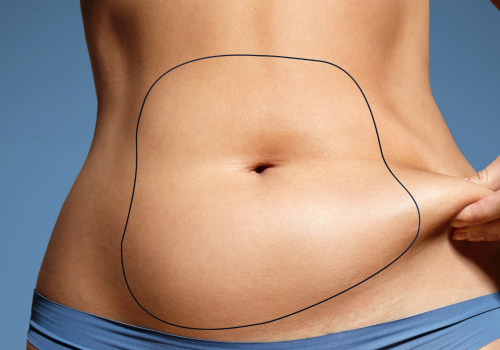
One of the primary advantages of liposuction is its ability to target specific areas of fat that are resistant to diet and exercise.This can lead to a more contoured and aesthetically pleasing physique. Here are some notable benefits:
- Improved Body Contour: Liposuction can effectively remove stubborn fat deposits from areas such as the abdomen, thighs, hips, and arms, resulting in a more balanced body shape.
- Boosted Self-Confidence: Many patients report a significant increase in self-esteem following the procedure, as they feel more comfortable in their own skin.
- Long-Lasting Results: Once fat cells are removed through liposuction, they do not return. However, maintaining a healthy lifestyle is crucial to preserving results.
- Minimally Invasive: Compared to traditional surgical methods, liposuction is less invasive and often involves smaller incisions, leading to quicker recovery times.
Risks of Liposuction
Despite its benefits, liposuction is not without risks. Understanding these potential complications is essential for anyone considering the procedure:- Surgical Risks: As with any surgery, there are inherent risks such as infection, bleeding, and adverse reactions to anesthesia.
- Uneven Results: If not performed by an experienced surgeon, liposuction can lead to uneven contours or irregularities in the skin surface.
- Fluid Accumulation: Post-operative fluid accumulation can occur in the treated areas, necessitating further procedures to drain excess fluid.
- Nerve Damage: Although rare, there is a possibility of nerve damage during the procedure, which can result in temporary or permanent numbness.
Consulting with a qualified plastic surgeon can help individuals make informed decisions tailored to their unique circumstances.
Post-Operative Care and Recovery After Liposuction
Recovering from liposuction is a critical phase that can significantly influence the overall results of the procedure. Understanding what to expect during this time and how to care for oneself post-operatively is essential for a smooth recovery.Immediately after the surgery, patients may experience swelling, bruising, and discomfort in the treated areas. These symptoms are normal and typically subside within a few weeks. However, it is important to follow specific post-operative care instructions provided by your surgeon to facilitate healing.Initial Recovery Phase
During the first few days following liposuction, patients are advised to:- Rest: Prioritising rest is crucial.
Avoid strenuous activities and allow your body to heal.
- Wear Compression Garments: These garments help reduce swelling and support the healing process. They should be worn as directed by your surgeon.
- Manage Pain: Pain relief medications may be prescribed. It’s important to take them as directed to manage discomfort effectively.
Long-Term Care and Considerations
As you progress in your recovery, typically within a week or two, you can gradually resume light activities. However, full recovery may take several weeks, depending on the extent of the procedure and individual healing rates.Here are some additional care tips:
- Stay Hydrated: Drinking plenty of water aids in recovery and helps reduce swelling.
- Follow-Up Appointments: Attend all scheduled follow-up visits with your surgeon to monitor your healing process and address any concerns.
- Avoid Smoking: Smoking can impede healing; it’s advisable to refrain from smoking during the recovery period.
Maintaining Results After Liposuction: Lifestyle Changes
Undergoing liposuction can be a transformative experience, but the journey does not end once the procedure is complete. To truly enjoy the benefits of your new physique, it is essential to adopt a healthy lifestyle that supports the maintenance of your results.This section delves into the critical aspects of diet and exercise that play a pivotal role in preserving the outcomes of liposuction.
Understanding the Importance of Lifestyle Changes
Liposuction effectively removes fat cells from targeted areas, but it does not prevent the formation of new fat cells. Therefore, maintaining a stable weight post-procedure is crucial. A commitment to a balanced diet and regular physical activity can help ensure that the results achieved through liposuction are long-lasting.
Dietary Considerations
A well-rounded diet is fundamental in maintaining your liposuction results. Here are some key dietary tips:- Focus on Whole Foods: Incorporate plenty of fruits, vegetables, whole grains, and lean proteins into your meals.
These foods are nutrient-dense and can help you feel full while providing essential vitamins and minerals.
- Limit Processed Foods: Reduce your intake of processed foods high in sugars and unhealthy fats. These can contribute to weight gain and negate the benefits of liposuction.
- Stay Hydrated: Drinking adequate water is vital for overall health and can aid in weight management by promoting satiety.
- Portion Control: Be mindful of portion sizes to avoid overeating. Using smaller plates or measuring servings can help you maintain control over your food intake.
The Role of Exercise
In addition to dietary changes, regular exercise is essential for maintaining your liposuction results. Here are some recommendations:- Aim for Consistency: Establish a regular exercise routine that includes both cardiovascular activities (like walking, running, or cycling) and strength training exercises (such as weight lifting or resistance bands).
- Set Realistic Goals: Start with achievable fitness goals and gradually increase intensity and duration as your fitness level improves.
- Incorporate Variety: Mixing different types of workouts can keep you engaged and motivated while also working various muscle groups.
- Listen to Your Body: Pay attention to how your body responds to exercise.
Rest when needed and avoid pushing yourself too hard, especially in the initial recovery phase after liposuction.
The Psychological Aspect
Maintaining results after liposuction is not solely about physical changes; it also involves psychological well-being. Cultivating a positive body image and self-esteem can significantly impact your motivation to adhere to a healthy lifestyle. Consider engaging in activities that promote mental health, such as mindfulness practices or joining support groups with others who have undergone similar experiences.In conclusion, while liposuction can provide significant aesthetic improvements, the key to enjoying those results lies in adopting sustainable lifestyle changes. By focusing on a balanced diet and regular exercise, you can maintain your new shape and enhance your overall health for years to come.
Patient Satisfaction: Do People Regret Liposuction?
Understanding patient satisfaction in the context of liposuction is crucial for anyone considering this procedure.Numerous studies have been conducted to gauge how satisfied individuals are with their results and whether they experience any regret post-surgery. A significant finding from a study published in the Aesthetic Surgery Journal indicates that approximately 80% of patients express satisfaction with their outcomes, highlighting that the majority of individuals feel positively about their decision to undergo liposuction.However, it is essential to delve deeper into the factors influencing these satisfaction rates. Many patients report that their overall happiness with the results is closely tied to their expectations prior to the procedure. Those who enter the process with realistic goals and a clear understanding of what liposuction can achieve tend to report higher satisfaction levels.
Conversely, individuals who have unrealistic expectations may find themselves disappointed, leading to feelings of regret.Moreover, emotional well-being plays a significant role in patient experiences. For many, liposuction is not merely about physical transformation; it is also about enhancing self-esteem and body image. Patients often share stories of how the procedure has positively impacted their lives, allowing them to wear clothes they previously avoided or engage in social activities with renewed confidence.Despite the high satisfaction rates, it is important to acknowledge that some individuals do experience regret after undergoing liposuction. Factors contributing to this sentiment can include:
- Post-operative complications: While rare, complications such as infection or uneven results can lead to dissatisfaction.
- Weight fluctuations: Although liposuction removes fat cells, it does not prevent future weight gain.
Patients who do not maintain a healthy lifestyle may find themselves unhappy with their bodies later on.
- Body image issues: Some individuals may still struggle with body image concerns even after surgery, leading to feelings of regret.
Choosing the Right Surgeon for Your Liposuction Procedure
When considering liposuction, one of the most critical steps is selecting a qualified plastic surgeon. The right surgeon can significantly influence the outcome of your procedure, ensuring not only aesthetic satisfaction but also your safety throughout the process. Here are some essential factors to consider when choosing a surgeon for your liposuction.1.Verify Credentials and Experience
- Ensure that the surgeon is board-certified in plastic surgery.
This certification indicates that they have undergone rigorous training and adhere to high standards of practice.
- Look for a surgeon with extensive experience specifically in performing liposuction. Ask how many procedures they have completed and their success rates.
- Research their hospital affiliations. A reputable surgeon should be associated with accredited medical facilities that meet stringent safety standards.
2.Review Before-and-After Photos
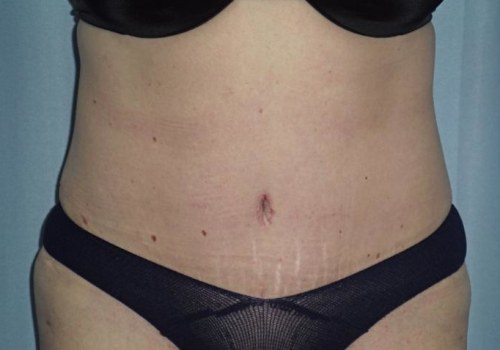
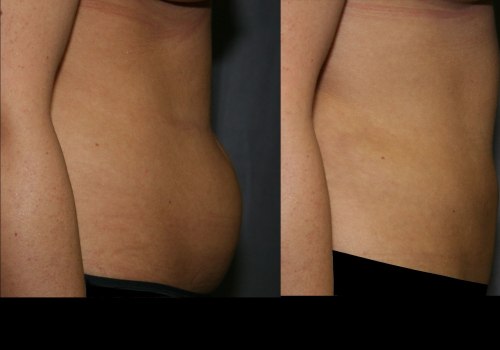
Most qualified surgeons will have a portfolio of before-and-after photos from previous patients. Reviewing these images can provide insight into the surgeon's skill and the types of results you can expect.
Pay attention to patients with similar body types and concerns as yours.
3.Schedule a Consultation
A face-to-face consultation is an excellent opportunity to gauge the surgeon's approach and expertise. During this meeting, consider asking the following questions:
- What is your experience with liposuction? Inquire about their specific training and how many procedures they perform annually.
- What techniques do you use? Understanding whether they employ traditional liposuction, tumescent techniques, or newer methods like laser-assisted liposuction can help you assess their approach.
- What are the potential risks and complications? A good surgeon will be transparent about the risks involved and how they mitigate them.
- What is your post-operative care plan? Knowing what kind of follow-up care you will receive is crucial for a smooth recovery.
- Can you provide references from past patients? Speaking to previous patients can give you valuable insights into their experiences and satisfaction levels.
4.Trust Your Instincts
Your comfort level with the surgeon is paramount. Pay attention to how they communicate, whether they listen to your concerns, and if they provide clear answers to your questions. A good rapport can enhance your overall experience and contribute to a successful outcome.In conclusion, choosing the right plastic surgeon for your liposuction procedure requires careful consideration and research.
By verifying credentials, reviewing past work, asking pertinent questions during consultations, and trusting your instincts, you can make an informed decision that aligns with your aesthetic goals and ensures your safety throughout the process.
Conclusion: The Realities of Liposuction Revealed
In summary, the journey through understanding liposuction reveals a complex interplay of expectations, realities, and individual experiences. As we have explored, this cosmetic procedure is not merely a tool for weight loss but rather a method for sculpting the body and enhancing self-image. It is essential to approach liposuction with a clear understanding of what it entails and what it can realistically achieve.Key takeaways from our discussion include:- Liposuction is not a weight-loss solution: It is designed for individuals who are close to their ideal weight but struggle with stubborn fat deposits that resist diet and exercise.
- Candidate suitability: Good candidates typically possess stable body weight and good skin elasticity. Those with significant weight fluctuations or loose skin may not achieve the desired results.
- Post-procedure expectations: While liposuction removes fat cells permanently, maintaining results requires a commitment to a healthy lifestyle, including balanced nutrition and regular physical activity.
- Safety and satisfaction: When performed by a qualified surgeon, liposuction is generally safe.
Studies indicate that a significant majority of patients report satisfaction with their outcomes.
- Misinformation: Many myths surround liposuction, including its exclusivity to women and perceptions of pain or danger. In reality, both men and women can benefit from this procedure, and advancements in techniques have made it less invasive than ever before.
A holistic approach that combines surgical options with lifestyle changes often yields the best long-term results. As you contemplate this procedure, remember that knowledge is power—equipping yourself with the right information will lead to more satisfying outcomes.