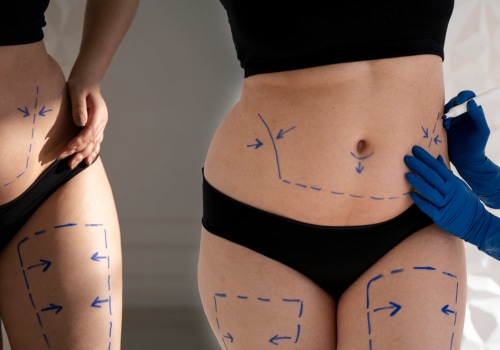
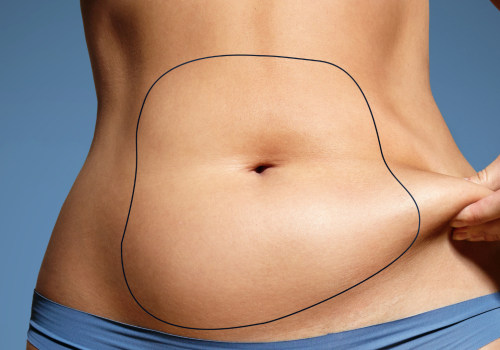
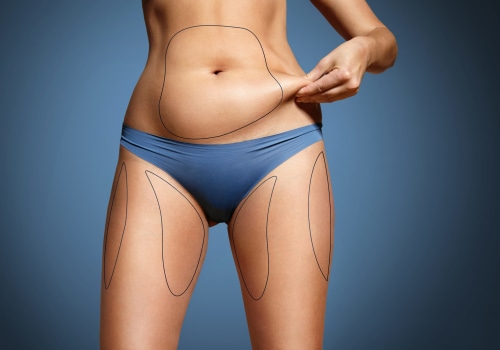
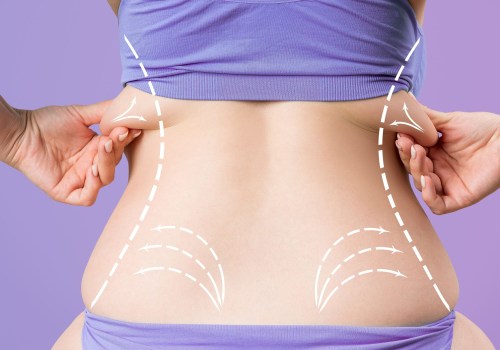
Liposuction, often referred to as lipoplasty, is a popular cosmetic surgical procedure designed to remove excess fat deposits from specific areas of the body. This technique is not merely a weight-loss solution; rather, it is intended for individuals who are close to their ideal body weight but struggle with stubborn fat that resists diet and exercise. By targeting these localized fat pockets, liposuction can help enhance body contours and improve overall appearance.The liposuction procedure involves the use of a thin, hollow tube called a cannula, which is inserted through small incisions in the skin. The surgeon then uses this cannula to suction out unwanted fat from the targeted areas.
Common sites for liposuction include the abdomen, thighs, buttocks, arms, and neck. The procedure can be performed under local or general anaesthesia, depending on the extent of fat removal and the patient's comfort level.Understanding how liposuction works is essential for anyone considering this procedure. During the operation, the surgeon carefully manoeuvres the cannula to break up fat cells before suctioning them away. This method not only removes fat but also helps to sculpt and shape the body, providing a more aesthetically pleasing silhouette.
Recovery times can vary, but many patients return to their normal activities within a few weeks, making it a relatively quick option for those looking to enhance their physique.Ultimately, liposuction serves as a powerful tool in body contouring, allowing individuals to achieve their desired look when traditional methods fall short. However, it is crucial for potential candidates to have realistic expectations and understand that liposuction is not a substitute for a healthy lifestyle or weight management.
Who is an Ideal Candidate for Liposuction?
Determining whether you are a suitable candidate for liposuction involves a comprehensive evaluation of various factors, including your overall health, skin quality, and lifestyle choices. Understanding these criteria can help you make an informed decision about whether this procedure is right for you. involves a comprehensive evaluation of various factors, including your overall health, skin quality, and lifestyle choices. Understanding these criteria can help you make an informed decision about whether this procedure is right for you.Physical Health
- To be considered an ideal candidate for liposuction, you should be in good physical health. This means having no serious medical conditions that could complicate the surgery or recovery process.
Conditions such as heart disease, diabetes, or respiratory issues may disqualify you from undergoing the procedure.
- Your body mass index (BMI) is also a significant factor. While there is no strict BMI limit, candidates with a BMI between 30 and 40 are often considered for liposuction, provided they have realistic expectations about the results.
Skin Quality
- The quality of your skin plays a crucial role in determining your candidacy for liposuction. Ideal candidates typically have firm, elastic skin that can retract after fat removal. If your skin has lost its elasticity due to age or significant weight loss, you may experience sagging post-procedure.
- Individuals with poor skin quality or those who have stretch marks in the targeted areas may not achieve the desired aesthetic results from liposuction.
Lifestyle Factors
- Your lifestyle choices significantly impact your eligibility for liposuction.
Candidates who maintain a stable weight and follow a healthy diet are more likely to achieve satisfactory results. Frequent weight fluctuations can lead to complications and diminish the effectiveness of the procedure.
- Regular exercise is also essential. Those who lead an active lifestyle are generally better candidates, as they are more likely to maintain their results long-term.
- Additionally, smoking can hinder your candidacy. Smokers face higher risks of complications during and after surgery, including delayed healing and increased scarring.
It is advisable to quit smoking at least four weeks before the procedure.
Health Considerations Before Undergoing Liposuction
Before considering liposuction, it is essential to understand the various health factors that can influence your suitability for the procedure. A thorough health assessment is crucial, as certain medical conditions may pose significant risks during and after surgery.Medical Conditions That May Affect Eligibility
- Cardiovascular Issues: Individuals with heart disease, hypertension, or other cardiovascular conditions may face increased risks during surgery. The stress of the procedure can exacerbate these issues, making it vital to disclose any heart-related concerns to your surgeon.
- Respiratory Problems: Conditions such as asthma or chronic obstructive pulmonary disease (COPD) can complicate anaesthesia and recovery.
Patients with compromised lung function may not be suitable candidates for liposuction.
- Diabetes: Those with diabetes must manage their blood sugar levels effectively before undergoing surgery. Poorly controlled diabetes can lead to complications such as delayed healing and increased risk of infection.
- Obesity: While liposuction is not a weight-loss solution, individuals with a high body mass index (BMI) may not be ideal candidates. Excess weight can increase surgical risks and affect the overall outcome.
- Skin Quality: Patients with poor skin elasticity or significant sagging may not achieve the desired results from liposuction. The procedure removes fat but does not tighten skin, which can lead to undesirable aesthetic outcomes.
The Importance of Pre-Surgery Health Assessment
A comprehensive pre-surgery health assessment is vital for identifying any underlying conditions that could disqualify you from undergoing liposuction.
During your consultation, your surgeon will evaluate your medical history, perform a physical examination, and may request additional tests such as blood work or imaging studies.This assessment allows the surgeon to:
- Identify potential risks associated with the procedure.
- Develop a tailored surgical plan that considers your unique health profile.
- Provide guidance on lifestyle changes that may improve your candidacy for liposuction.
The Role of Body Mass Index (BMI) in Liposuction Candidacy
When considering liposuction, one of the key factors that plastic surgeons evaluate is the patient's Body Mass Index (BMI). BMI is a numerical value derived from an individual's weight and height, providing a simple method to assess whether a person is underweight, normal weight, overweight, or obese. This measurement plays a significant role in determining candidacy for liposuction, as it helps to gauge overall health and suitability for surgery.Generally, candidates with a BMI between 18.5 and 24.9 are considered to be within a healthy weight range.Those with a BMI of 25 to 29.9 are classified as overweight, while individuals with a BMI of 30 or above fall into the obese category. While liposuction can be performed on patients with higher BMIs, it is essential to understand that the best results are typically achieved in individuals who are closer to their ideal body weight.
Why is BMI Important?
- Health Risks: A higher BMI often correlates with increased health risks, including heart disease, diabetes, and complications during surgery. These factors can affect recovery and overall surgical outcomes.
- Surgical Considerations: Patients with elevated BMIs may experience more significant challenges during the procedure, such as longer recovery times and increased likelihood of complications.
- Realistic Expectations: Understanding your BMI can help set realistic expectations for the results of liposuction. Those with lower BMIs may see more dramatic changes in body contour compared to those who are overweight or obese.
This not only enhances eligibility but also contributes to better surgical outcomes and recovery experiences. If you find yourself outside the recommended BMI range, it may be beneficial to focus on achieving a healthier weight through diet and exercise prior to considering liposuction.During your consultation, your surgeon will discuss your BMI and its implications for your candidacy. They will also consider other factors such as skin elasticity, overall health, and lifestyle habits. By addressing these elements comprehensively, you can work together with your surgeon to create a tailored plan that aligns with your aesthetic goals while prioritising your health.
Lifestyle Factors That Influence Liposuction Suitability
When considering liposuction, it is essential to understand how your lifestyle choices can significantly impact your suitability for the procedure and the overall results.Factors such as diet, exercise habits, and smoking can play a crucial role in determining whether you are an ideal candidate for liposuction.
Diet and Nutrition
A balanced diet is fundamental not only for maintaining a healthy weight but also for ensuring that your body is in optimal condition for surgery. Prior to undergoing liposuction, it is advisable to adopt a nutritious eating plan that includes:- Fruits and Vegetables: Rich in vitamins and minerals, these foods can help boost your immune system and promote healing.
- Lean Proteins: Foods such as chicken, fish, and legumes support muscle maintenance and recovery post-surgery.
- Whole Grains: These provide essential energy and help regulate blood sugar levels, which is vital for overall health.
Exercise Habits
Regular physical activity is another critical component of a healthy lifestyle that influences your candidacy for liposuction. Engaging in consistent exercise can:- Improve Cardiovascular Health: A strong heart and lungs are essential for undergoing any surgical procedure safely.
- Enhance Muscle Tone: Building muscle can help create a more sculpted appearance post-liposuction.
- Aid in Weight Management: Maintaining a stable weight reduces the risk of complications during surgery.
Aim for a mix of cardiovascular workouts and strength training to prepare your body effectively.
The Impact of Smoking
Smoking poses significant risks when it comes to surgical procedures, including liposuction. Nicotine can impair blood flow, which is crucial for healing after surgery. Smokers may experience:- Increased Risk of Complications: This includes infections, delayed healing, and poor scarring.
- Higher Likelihood of Anesthesia Issues: Smoking affects lung function, which can complicate anesthesia administration during surgery.
Not only does this preparation improve your overall health, but it also sets the stage for achieving the best possible results from the procedure.
Consultation Process: What to Expect
When considering liposuction, the consultation process is a crucial first step that allows potential candidates to gather essential information and assess their suitability for the procedure. During this initial meeting, you will have the opportunity to discuss your goals, medical history, and any concerns you may have with a qualified plastic surgeon.What to Expect During Your Consultation
- Medical History Review: Your surgeon will begin by reviewing your medical history, including any pre-existing conditions, medications you are taking, and previous surgeries. This information is vital in determining your eligibility for liposuction.
- Physical Examination: A thorough physical examination will be conducted to assess your body composition and skin quality. The surgeon will evaluate the areas you wish to target for fat removal and discuss realistic outcomes based on your unique anatomy.
- Discussion of Goals: You will be encouraged to share your aesthetic goals and expectations.
This dialogue helps the surgeon understand what you hope to achieve and allows them to provide tailored advice on the best approach for your needs.
- Explanation of the Procedure: The surgeon will explain the liposuction technique that is most suitable for you, including details about the procedure itself, recovery time, and potential risks involved.
- Cost and Financing Options: The consultation is also an opportunity to discuss the cost of the procedure and any financing options available. Understanding the financial aspect can help you make an informed decision.
Questions to Ask Your Surgeon
To ensure you have all the necessary information, consider asking your surgeon the following questions during your consultation:
- What are your qualifications and experience with liposuction?
- Can you show me before-and-after photos of previous patients?
- What type of anaesthesia will be used during the procedure?
- What are the potential risks and complications associated with liposuction?
- How long is the expected recovery time, and when can I return to normal activities?
- What should I do to prepare for surgery?
Common Misconceptions About Liposuction Candidates
When considering liposuction, many individuals are often influenced by prevalent myths and misconceptions regarding who qualifies as a suitable candidate.Addressing these misunderstandings is crucial for ensuring that potential patients have accurate information before making decisions about their bodies.
Myth 1: Liposuction is a Weight Loss Solution
One of the most common misconceptions is that liposuction serves as a primary method for weight loss. In reality, liposuction is designed to target specific areas of stubborn fat that do not respond to diet and exercise. It is not intended for significant weight reduction or as a substitute for a healthy lifestyle. Ideal candidates are typically within 30% of their target weight and have realistic expectations about the procedure's outcomes.
Myth 2: Anyone Can Get Liposuction
Another prevalent myth is that anyone can undergo liposuction regardless of their health status.
This is far from the truth. Candidates must be in good overall health, free from serious medical conditions such as heart disease, diabetes, or respiratory issues. Additionally, individuals with poor skin elasticity may not achieve the desired results, as liposuction does not improve skin quality.
Myth 3: Liposuction Eliminates Cellulite
Many people believe that liposuction can effectively eliminate cellulite. However, this is misleading.
While liposuction can remove fat deposits, it does not address the underlying causes of cellulite, which include factors like skin structure and connective tissue. Therefore, those seeking to reduce the appearance of cellulite may need to explore other treatment options.
Myth 4: Recovery from Liposuction is Quick and Easy
Some individuals assume that recovery from liposuction is a straightforward process with minimal downtime. In reality, recovery can vary significantly based on the extent of the procedure and individual healing rates. Patients should expect some swelling, bruising, and discomfort post-surgery, which may require time off work and regular follow-up appointments with their surgeon.
Myth 5: Liposuction is Only for Women
Lastly, there is a misconception that liposuction is exclusively for women.
In truth, men also seek this procedure to contour their bodies and remove unwanted fat in areas such as the abdomen and love handles. The desire for body confidence transcends gender, making liposuction a viable option for anyone looking to enhance their physique.In conclusion, understanding these common myths surrounding liposuction candidacy can help individuals make informed decisions about their options. Consulting with a qualified plastic surgeon will provide tailored advice based on personal health and aesthetic goals.
Post-Procedure Expectations and Recovery
After undergoing liposuction, it is essential for patients to have a clear understanding of the recovery process and what to expect in the days and weeks following the procedure. Recovery can vary significantly from person to person, influenced by factors such as the extent of the surgery, individual health conditions, and adherence to post-operative care instructions.Initial Recovery Phase
In the immediate aftermath of liposuction, patients may experience swelling, bruising, and discomfort in the treated areas.These symptoms are normal and typically subside within a few days. It is advisable to wear a compression garment as recommended by your surgeon, as this helps reduce swelling and supports the healing process.
Managing Discomfort
Pain management is an important aspect of recovery. Your surgeon will likely prescribe pain relief medication to help manage any discomfort. It is crucial to follow the prescribed dosage and not to exceed it.Additionally, staying hydrated and resting adequately can aid in a smoother recovery.
Activity Restrictions
During the first week post-surgery, patients are generally advised to limit physical activity. Light walking is encouraged to promote circulation, but strenuous activities or heavy lifting should be avoided for at least two weeks. Gradually reintroducing exercise can help maintain results and improve overall well-being.Long-Term Results
While some results may be visible shortly after the procedure, it can take several months for swelling to fully subside and for the final results to become apparent. It is important to maintain realistic expectations during this time.The body will continue to adjust as healing progresses, leading to improved contours.
Post-Surgery Care Tips
- Follow-Up Appointments: Attend all scheduled follow-up visits with your surgeon to monitor your recovery.
- Hydration: Drink plenty of water to aid in healing and reduce swelling.
- Healthy Diet: Maintain a balanced diet rich in vitamins and minerals to support recovery.
- Avoid Smoking: Refrain from smoking during the recovery period, as it can hinder healing.
- Listen to Your Body: Pay attention to any unusual symptoms or excessive pain and contact your surgeon if needed.
Conclusion: Is Liposuction Right for You?
In conclusion, determining whether liposuction is the right choice for you involves a comprehensive understanding of your individual health status, lifestyle, and aesthetic goals. Throughout this article, we have explored various factors that contribute to candidacy for this popular cosmetic procedure.Firstly, it is essential to recognise that good health is a fundamental prerequisite for anyone considering liposuction. Individuals with chronic medical conditions such as heart disease, diabetes, or respiratory issues may face increased risks during and after the surgery.Therefore, a thorough medical evaluation is crucial to identify any potential complications that could arise.Moreover, lifestyle choices play a significant role in your suitability for liposuction. For instance, those who smoke or use tobacco products are at a higher risk of complications, including delayed healing and infections. Quitting smoking at least four weeks prior to the procedure can significantly improve your chances of a successful outcome.Another critical aspect to consider is your skin quality. Patients with firm and elastic skin tend to achieve better results post-surgery, as their skin can retract more effectively after fat removal.
Conversely, individuals with loose or sagging skin may not experience the desired aesthetic improvements.It is also vital to have realistic expectations regarding the results of liposuction. This procedure is not a weight-loss solution but rather a method to contour specific areas of the body by removing stubborn fat deposits. Understanding this distinction can help you set achievable goals and avoid disappointment.Ultimately, the best way to determine if you are a suitable candidate for liposuction is to consult with a qualified and experienced plastic surgeon. During your consultation, they will assess your overall health, discuss your medical history, and evaluate your aesthetic desires.
This personalised approach ensures that you receive tailored advice and treatment options that align with your unique needs.If you are considering liposuction as part of your journey towards achieving your ideal body shape, take the first step by scheduling a consultation with a board-certified plastic surgeon today. Their expertise will guide you through the decision-making process and help you understand all aspects of the procedure.