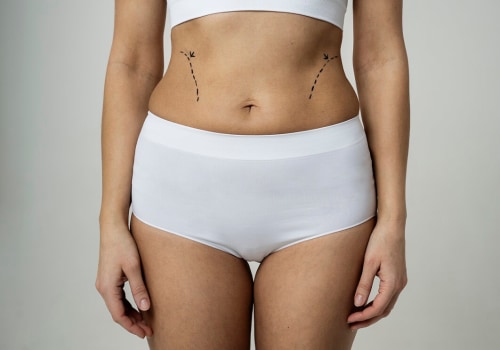
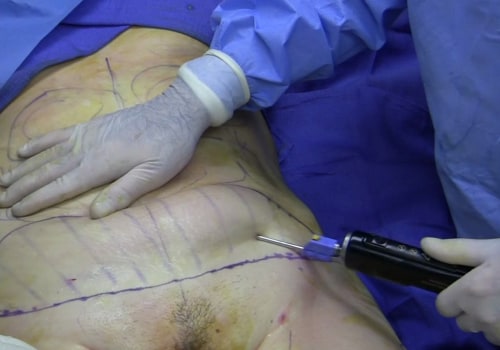
Liposuction is a widely sought-after cosmetic procedure that aims to sculpt the body by removing stubborn fat deposits that often resist diet and exercise. Many individuals turn to liposuction as a solution for achieving their desired body shape, particularly in areas such as the abdomen, thighs, and arms. However, a common concern among potential patients is the possibility of weight gain following the procedure and how it may impact their overall results.Understanding the relationship between liposuction and weight management is crucial for anyone considering this surgery. While liposuction effectively eliminates fat cells from targeted areas, it does not prevent future weight gain.
This leads to questions about whether it is more challenging to regain weight after the procedure and how any potential weight gain might affect body composition. The reality is that while liposuction permanently removes fat cells from specific regions, the remaining fat cells in the body can still expand if a person gains weight.Moreover, the way our bodies respond to weight fluctuations can vary significantly from person to person. Some may find that after undergoing liposuction, any subsequent weight gain is distributed more evenly across their body, while others may develop new problem areas that were not previously an issue. This phenomenon can be attributed to the body's natural tendency to defend its fat stores, which can complicate post-liposuction weight management.As we delve deeper into this topic, we will explore how liposuction affects body shape and composition, the implications of weight gain after the procedure, and strategies for maintaining long-term results.
By understanding these factors, individuals can make informed decisions about their cosmetic surgery options and develop effective plans for managing their weight post-liposuction.
What is Liposuction?
Liposuction
is a widely sought-after cosmetic surgery designed to remove stubborn fat deposits from various areas of the body. This procedure is particularly appealing to individuals who struggle with localized fat that does not respond to traditional weight loss methods such as diet and exercise. By understanding the intricacies of liposuction, patients can make informed decisions about their body and the potential for weight gain post-procedure.The liposuction procedure typically involves the use of a tumescent solution, which is injected into the targeted area to facilitate fat removal. This solution contains a mixture of saline, local anaesthetic, and epinephrine, which helps to minimise bleeding and discomfort during the procedure. typically involves the use of a tumescent solution, which is injected into the targeted area to facilitate fat removal. This solution contains a mixture of saline, local anaesthetic, and epinephrine, which helps to minimise bleeding and discomfort during the procedure.
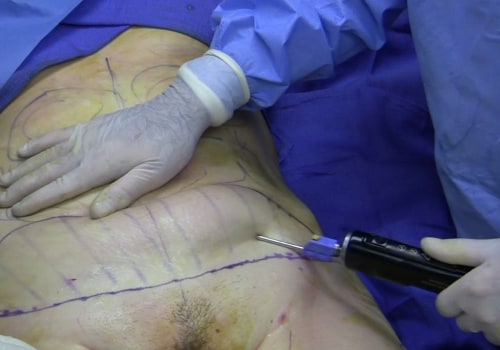
Once the area is adequately numbed, a thin tube called a cannula is inserted through small incisions in the skin. The cannula is then used to suction out excess fat, sculpting the body into a more desired shape.
Types of Liposuction Techniques
- Tumescent Liposuction: This is the most common technique, where large volumes of tumescent fluid are injected into the fat layer before suctioning.
- Ultrasound-Assisted Liposuction (UAL): This method uses ultrasound energy to liquefy fat cells, making them easier to remove.
- Laser-Assisted Liposuction (LAL):Laser-Assisted Liposuction (LAL): Similar to UAL, this technique employs laser energy to melt fat before it is suctioned out.
- Suction-Assisted Liposuction (SAL): A traditional method that relies solely on suction to remove fat without additional techniques.
- Abdomen
- Thighs
- Hips
- Arms
- Back
- Neck and chin
How Liposuction Affects Fat Cells
Liposuction is a surgical procedure that effectively removes fat cells from specific areas of the body, leading to a more contoured appearance.One of the most significant aspects of this procedure is its impact on fat cells and how they influence overall body composition .During liposuction, a surgeon uses a cannula to suction out fat from targeted regions, such as the abdomen, thighs, or arms. This process results in a permanent reduction of fat cells in those areas. Unlike other weight loss methods, which may shrink fat cells but do not eliminate them, liposuction removes them entirely. This means that once the fat cells are gone, they cannot return to that specific area.However, it is essential to understand that while liposuction reduces the number of fat cells in treated areas, it does not prevent weight gain in the future.
If a patient gains weight after the procedure, the remaining fat cells in the body can still expand. This can lead to changes in body shape and distribution of fat. For instance, individuals may notice that new areas of concern develop, as the body compensates for the loss of fat cells in treated regions.The biological aspect of fat cell regeneration plays a crucial role in understanding post-liposuction weight gain. Research indicates that the human body has a natural tendency to defend its fat stores.
When weight is lost—whether through diet, exercise, or surgical intervention—the body may respond by increasing appetite or altering metabolism to regain lost weight. This phenomenon can be particularly pronounced after liposuction since the body may attempt to restore balance by redistributing fat.Moreover, studies suggest that while liposuction patients may experience less dramatic weight gain in treated areas compared to untreated ones, they are still susceptible to gaining weight overall. The remaining fat cells can enlarge significantly if lifestyle choices do not support maintaining a stable weight. Therefore, it is crucial for individuals who have undergone liposuction to adopt healthy habits post-surgery.In summary, liposuction permanently removes fat cells from targeted areas, which can lead to improved body contours.
However, understanding how fat distribution and body composition are affected by future weight gain is vital for maintaining long-term results. Patients should focus on a balanced diet and regular exercise to ensure that their new physique remains intact.
Can Fat Return After Liposuction?
One of the most frequently asked questions by individuals considering liposuction is whether fat can return to the areas that have been treated. The answer is nuanced and depends on several factors, including lifestyle choices, body composition, and the biological processes that govern fat storage.After undergoing liposuction, the fat cells in the targeted areas are permanently removed. This means that those specific cells cannot regenerate.However, it is essential to understand that the body still contains numerous fat cells in other regions. If a person gains weight after the procedure, these remaining fat cells can expand, leading to an overall increase in body fat. This can result in changes to body shape, as new problem areas may emerge where fat was not previously a concern.Research indicates that while liposuction effectively reduces fat in treated areas, it does not prevent future weight gain. In fact, studies suggest that individuals who gain weight post-liposuction may experience a more even distribution of fat across their bodies compared to those who have not had the procedure.
This is because the total number of fat cells has decreased, but the remaining cells can still enlarge.Moreover, hormonal and genetic factors play a significant role in how and where our bodies store fat. For instance, women may find that their bodies tend to defend their fat stores more aggressively than men’s bodies do. This biological tendency can make it challenging to maintain weight loss achieved through liposuction if one does not adopt a healthy lifestyle.To mitigate the risk of regaining weight after liposuction, it is crucial for patients to commit to a balanced diet and regular exercise. Maintaining a stable weight is vital for preserving the results of the procedure.
If a patient gains a small amount of weight—say 5 to 10 pounds—they may not notice significant changes in their appearance. However, substantial weight gain could necessitate further surgical intervention to address new areas of concern.In summary, while liposuction removes fat cells from specific areas, it does not provide immunity against future weight gain. Understanding how body composition changes post-procedure and adopting healthy habits are essential for maintaining the desired results.
The Impact of Weight Gain on Liposuction Results
Gaining weight after undergoing liposuction can significantly impact the results of the procedure, often leading to changes in body shape that may not align with the patient’s expectations. While liposuction effectively removes fat cells from targeted areas, it does not prevent future weight gain or the expansion of remaining fat cells.Understanding how weight gain affects liposuction results is crucial for maintaining a desired physique.When a patient gains weight post-liposuction, the remaining fat cells in the treated areas can enlarge. This means that although the number of fat cells in those specific areas has decreased, the potential for weight gain still exists. As a result, patients may notice that their body shape changes in ways they did not anticipate. For instance, new problem areas may emerge in regions that were previously unaffected by excess fat.
New Problem Areas
One of the most common concerns for individuals who gain weight after liposuction is the development of new problem areas.Since liposuction permanently removes fat cells from specific locations, any subsequent weight gain may lead to disproportionate fat accumulation in other parts of the body. This can create an imbalance in body proportions, where certain areas appear fuller while others remain slim.
- Genetic Factors: Genetics play a significant role in how and where our bodies store fat. After liposuction, if a patient gains weight, they may find that their body begins to store fat in areas that were not previously problematic.
- Body Composition Changes: Weight gain can alter overall body composition, leading to an increase in body fat percentage even if muscle mass remains stable.
- Psychological Impact: The emergence of new problem areas can lead to dissatisfaction with one’s appearance, potentially affecting self-esteem and body image.
- Regular Exercise: Engaging in a consistent exercise routine can help maintain a healthy weight and improve overall body composition.
- Balanced Diet: A nutritious diet rich in whole foods can prevent excessive weight gain and support long-term health.
- Regular Check-ins: Monitoring weight regularly can help patients stay aware of any changes and take action before significant weight gain occurs.
By managing their weight through healthy lifestyle choices, individuals can enjoy their new physique and minimise the risk of unwanted changes over time.
Factors Influencing Weight Gain After Liposuction
Understanding the factors that contribute to weight gain after liposuction is essential for anyone considering the procedure. While liposuction effectively removes fat cells from targeted areas, it does not prevent future weight gain. Several lifestyle choices and biological factors can influence how your body responds post-surgery.Dietary Choices
Your diet plays a pivotal role in maintaining your weight after liposuction. Consuming a balanced diet rich in nutrients can help you sustain your results.Here are some dietary considerations:
- Caloric Intake: After liposuction, it’s crucial to monitor your caloric intake. Consuming more calories than your body needs can lead to weight gain, even in areas that were not treated.
- Quality of Food: Focus on whole foods such as fruits, vegetables, lean proteins, and whole grains. Processed foods high in sugar and unhealthy fats can contribute to weight gain.
- Hydration: Staying hydrated is vital for overall health and can help control hunger. Sometimes, thirst is mistaken for hunger, leading to unnecessary snacking.
Exercise Importance
Regular physical activity is another critical factor in maintaining weight after liposuction.Engaging in a consistent exercise routine helps burn calories and build muscle, which can enhance your overall body composition. Consider the following:
- Aerobic Exercise: Activities such as walking, running, cycling, or swimming can help you burn calories effectively. Aim for at least 150 minutes of moderate aerobic activity each week.
- Strength Training: Incorporating strength training exercises at least twice a week can help build muscle mass, which increases your resting metabolic rate and aids in weight management.
- Consistency: Establishing a regular exercise routine is key. Sporadic workouts may not yield the desired results; consistency is essential for long-term success.
By focusing on a balanced diet and regular exercise, you can minimise the risk of weight gain and enjoy the benefits of your procedure for years to come.
Tips for Maintaining Your Results Post-Liposuction
After undergoing liposuction, many patients are eager to maintain their newly sculpted physique. While the procedure effectively removes fat cells from targeted areas, it is crucial to adopt a proactive approach to ensure lasting results. Here are some practical tips for maintaining your results post-liposuction:1.Embrace a Balanced Diet
Nutrition plays a vital role in sustaining your liposuction results. Focus on a balanced diet rich in whole foods, including:- Fruits and vegetables: These are low in calories and high in essential nutrients.
- Lean proteins: Incorporate sources like chicken, fish, beans, and legumes to support muscle maintenance.
- Whole grains: Opt for brown rice, quinoa, and whole-grain bread to provide sustained energy.
- Healthy fats: Include avocados, nuts, and olive oil in moderation for overall health.
2.Stay Hydrated
Drinking plenty of water is essential for overall health and can help control hunger.Aim for at least 2 litres of water daily to keep your body hydrated and functioning optimally.
3.Regular Exercise
Incorporating a consistent exercise routine is crucial for maintaining your results. Aim for a mix of cardiovascular exercises and strength training:- Cardio: Activities like walking, running, cycling, or swimming can help burn calories and improve cardiovascular health.
- Strength training: Building muscle through weight lifting or resistance exercises can boost metabolism and help maintain your new shape.
4.Monitor Your Weight
Regularly checking your weight can help you stay accountable. If you notice any significant fluctuations, take action early by adjusting your diet or increasing your physical activity.5.Prioritise Sleep and Stress Management
Adequate sleep and effective stress management are often overlooked but are essential for maintaining a healthy weight. Aim for 7-9 hours of quality sleep each night and consider practices such as yoga or meditation to manage stress levels.By following these tips and adopting a healthy lifestyle, you can significantly enhance the longevity of your liposuction results and enjoy the confidence that comes with your new body.FAQs About Weight Gain After Liposuction
When considering liposuction, many patients have questions about the potential for weight gain after the procedure.Understanding these concerns can help individuals make informed decisions and set realistic expectations. Here are some frequently asked questions regarding weight gain post-liposuction:
Can I gain weight in the treated areas after liposuction?
While liposuction permanently removes fat cells from the targeted areas, it does not prevent weight gain entirely. If you gain weight after the procedure, the remaining fat cells in those areas can expand. However, because there are fewer fat cells in the treated regions, any weight gain may be less pronounced compared to untreated areas.How does weight gain affect my liposuction results?
Weight gain can alter your body shape and may lead to new problem areas.If you maintain a stable weight, your results are likely to remain more consistent. However, significant weight gain can diminish the aesthetic benefits of liposuction, making it essential to adopt a healthy lifestyle post-surgery.
Is it harder to lose weight after liposuction?
Some patients report that losing weight after liposuction can be more challenging. This is partly due to the body's natural tendency to defend its fat stores. After removing fat cells, the body may adjust its metabolism and appetite regulation, making it crucial to maintain a balanced diet and regular exercise.What lifestyle changes should I consider after liposuction?
- Healthy Eating: Focus on a balanced diet rich in fruits, vegetables, lean proteins, and whole grains.
- Regular Exercise: Incorporate both cardiovascular and strength training exercises into your routine.
- Hydration: Drink plenty of water to support overall health and metabolism.
- Avoiding Yo-Yo Dieting: Steer clear of extreme diets that can lead to rapid weight fluctuations.
Conclusion: Navigating Weight Management After Liposuction
In conclusion, understanding the dynamics of weight management after liposuction is crucial for anyone considering this transformative procedure.While liposuction effectively removes stubborn fat cells from targeted areas, it does not provide immunity against future weight gain. The body’s natural tendency to defend its fat stores means that if a patient gains weight post-surgery, it may not be distributed evenly, potentially leading to new problem areas.It is essential to recognise that the fat cells in the treated areas are permanently reduced; however, the remaining fat cells in the body can still expand with weight gain. This biological reality underscores the importance of maintaining a stable weight after undergoing liposuction. Patients who adopt healthy lifestyle habits are more likely to enjoy long-lasting results and a more proportionate body shape.To navigate weight management effectively after liposuction, consider the following strategies:
- Adopt a Balanced Diet: Focus on a nutritious diet rich in whole foods, including fruits, vegetables, lean proteins, and whole grains.
Avoiding processed foods and excessive sugars can help maintain your ideal weight.
- Regular Exercise: Incorporate both cardiovascular and strength training exercises into your routine. Regular physical activity not only helps burn calories but also builds muscle, which can enhance your overall physique.
- Stay Hydrated: Drinking plenty of water is vital for overall health and can help control hunger levels, making it easier to manage your weight.
- Monitor Your Weight: Keep track of your weight regularly to identify any gradual changes. Early detection of weight gain can prompt timely adjustments to your diet and exercise regimen.
- Seek Support: Consider joining a support group or working with a nutritionist or personal trainer who can provide guidance tailored to your needs.