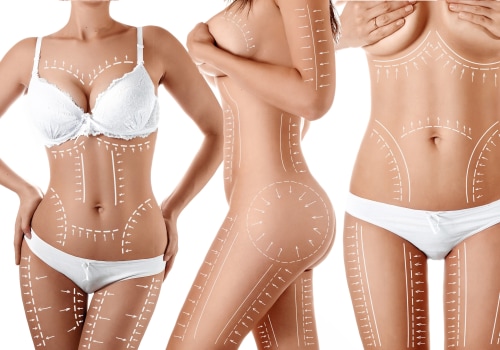
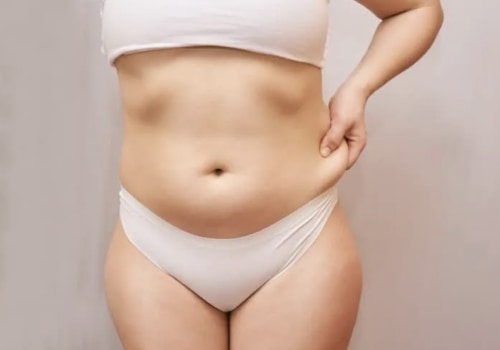
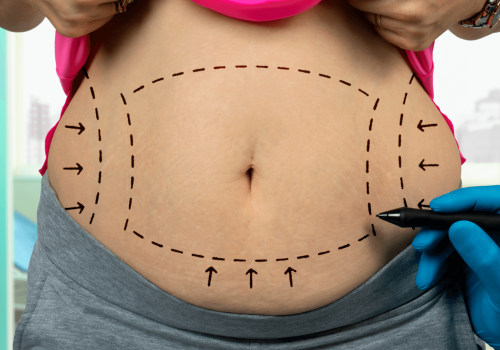
Liposuction is a widely recognised cosmetic procedure that has transformed the lives of many individuals seeking to enhance their body contours. At its core, liposuction is designed to remove stubborn fat deposits that are resistant to diet and exercise, allowing for a more sculpted appearance. This surgical technique involves the use of a suction method to extract fat from specific areas of the body, such as the abdomen, thighs, buttocks, arms, and neck. By targeting these problem areas, liposuction can help individuals achieve their desired body shape and boost their self-confidence.The procedure itself typically begins with a consultation where the surgeon evaluates the patient’s health, discusses their goals, and determines the most suitable approach.
During the surgery, small incisions are made in the skin through which a thin tube called a cannula is inserted. This cannula is then used to break up and suction out the fat cells. The entire process can vary in duration depending on the amount of fat being removed and the number of areas being treated, but it generally lasts between one to several hours.One of the key aspects of liposuction is its ability to provide immediate results. Patients often notice a significant change in their body shape shortly after the procedure, although final results may take several weeks to fully manifest as swelling subsides.
It’s important to note that while liposuction can effectively remove fat cells, it is not a weight-loss solution; rather, it is intended for those who are close to their ideal weight but struggle with specific areas of fat accumulation.In summary, understanding what liposuction entails is crucial for anyone considering this procedure. It offers a targeted approach to fat removal that can lead to lasting changes in body shape when combined with a healthy lifestyle. As we delve deeper into this article, we will explore various facets of liposuction, including its benefits, risks, and common misconceptions that surround this popular cosmetic surgery.
The Liposuction Procedure: What to Expect
Understanding the liposuction procedure is crucial for anyone considering this cosmetic surgery. The process can be broken down into three main phases: pre-operative preparations, the surgical procedure itself, and post-operative care.Pre-Operative Preparations
Before undergoing liposuction, patients will have a thorough consultation with their plastic surgeon.Before undergoing liposuction, patients will have a thorough consultation with their plastic surgeon.This initial meeting is essential for discussing your goals, medical history, and any concerns you may have. During this consultation, the surgeon will:
- Evaluate your overall health and suitability for the procedure.
- Discuss the specific areas you wish to target for fat removal.
- Explain the different techniques available, such as tumescent liposuction or ultrasound-assisted liposuction.
- Provide pre-operative instructions, which may include avoiding certain medications and smoking cessation.
The Surgical Procedure
The day of the surgery typically begins with the patient arriving at the surgical facility. After checking in, you will be prepared for the procedure:- Anesthesia: Depending on the extent of the liposuction, either local or general anesthesia will be administered to ensure your comfort during the surgery.
- Incisions: Small incisions are made in discreet locations to minimise visible scarring. The surgeon will then insert a thin tube called a cannula through these incisions.
- Fat Removal: The cannula is used to suction out excess fat deposits from targeted areas.
This process can take several hours depending on how much fat is being removed.
Post-Operative Care
The recovery phase is just as important as the surgery itself. Patients can expect some swelling, bruising, and discomfort in the treated areas. Here are some key points regarding post-operative care:- Compression Garments: You will likely be required to wear a compression garment to help reduce swelling and support your healing body.
- Pain Management: Your surgeon may prescribe pain relief medication to manage discomfort during recovery.
- Follow-Up Appointments: Regular follow-up visits with your surgeon are essential to monitor your healing progress and address any concerns.
- Activity Restrictions: It’s important to avoid strenuous activities for several weeks post-surgery to allow your body adequate time to heal.
Who is a Good Candidate for Liposuction?
Determining whether you are a suitable candidate for liposuction involves several factors, including your overall health, body type, and personal goals. Understanding these criteria can help you make an informed decision about whether this procedure is right for you.1.Age Considerations
While there is no strict age limit for undergoing liposuction, most candidates are typically adults aged 18 and older.
Younger individuals should have completed their physical development before considering the procedure. Conversely, older candidates may experience decreased skin elasticity, which can affect the final results. A thorough consultation with a qualified surgeon can help assess whether your age may impact your candidacy.
2.Health Status
Your overall health plays a crucial role in determining your eligibility for liposuction. Ideal candidates should:
- Be in good physical health without any underlying medical conditions that could complicate surgery.
- Have a stable weight, ideally within 30% of their ideal body weight.
- Avoid smoking and excessive alcohol consumption, as these habits can hinder recovery and increase risks.
3.Body Type and Fat Distribution
Liposuction is most effective for individuals with specific areas of stubborn fat that do not respond to diet and exercise.
Ideal candidates often:
- Have localized fat deposits in areas such as the abdomen, thighs, hips, or arms.
- Maintain a healthy lifestyle but struggle with certain fat pockets.
- Have realistic expectations about the outcomes of the procedure.
4.Psychological Readiness
Candidates should also be psychologically prepared for the changes that liposuction can bring. This includes having a positive body image and understanding that while liposuction can enhance body contours, it is not a solution for emotional or psychological issues related to body image.
5.Commitment to Post-Operative Care
Finally, successful liposuction results depend on your commitment to post-operative care and maintaining a healthy lifestyle. Candidates should be willing to follow their surgeon's advice regarding recovery and long-term weight management to ensure lasting results.In summary, good candidates for liposuction are those who are healthy, at or near their ideal weight, have specific areas of fat they wish to target, and possess realistic expectations about the procedure's outcomes. Consulting with a qualified plastic surgeon will provide tailored advice based on your individual circumstances.
Common Misconceptions About Liposuction
When considering liposuction, it is essential to separate fact from fiction.Numerous myths and misconceptions can cloud the understanding of this procedure, leading to unrealistic expectations and potential disappointment. Here, we will address some of the most common misunderstandings surrounding liposuction.
- Myth 1: Liposuction is a weight loss solution. Many people mistakenly believe that liposuction is a quick fix for weight loss. In reality, it is designed to target specific areas of stubborn fat that do not respond to diet and exercise. It is not a substitute for a healthy lifestyle.
- Myth 2: Only overweight individuals can benefit from liposuction. This is a common misconception.
Liposuction can be effective for individuals of various body types, including those who are at a healthy weight but struggle with localized fat deposits.
- Myth 3: Liposuction results are obvious and unnatural. When performed by a qualified surgeon, liposuction can yield natural-looking results that enhance the body's contours. The goal is to create a balanced appearance rather than an exaggerated one.
- Myth 4: Recovery from liposuction is extremely painful. While some discomfort and bruising are normal, advancements in techniques have made liposuction a relatively safe and minimally invasive procedure. Most patients report manageable pain levels during recovery.
- Myth 5: Liposuction is only for women. This misconception overlooks the fact that men also seek liposuction, particularly for areas like the abdomen and chest. The procedure can effectively address concerns such as gynecomastia in men.
- Myth 6: You will need multiple procedures to achieve desired results. While some individuals may opt for additional sessions, many achieve satisfactory results with just one procedure, provided they maintain a stable weight and follow post-operative care instructions.
- Myth 7: Liposuction is only cosmetic. Although primarily viewed as a cosmetic procedure, liposuction can also have medical applications, such as removing benign fatty tumours or treating certain conditions like lipodystrophy.
- Myth 8: Liposuction provides instant results. It’s important to understand that while some changes may be visible shortly after the procedure, final results can take several months to fully materialise as swelling subsides and the body heals.
Understanding the truth about this procedure allows individuals to make educated decisions regarding their body and health. If you are considering liposuction, consult with a qualified plastic surgeon who can provide personalised advice based on your unique circumstances.
Liposuction Techniques: Different Approaches Explained
Liposuction has evolved significantly over the years, with various techniques developed to enhance safety, effectiveness, and recovery time. Understanding these different approaches can empower individuals considering this procedure to make informed choices that align with their goals.Tumescent Liposuction
Tumescent liposuction is one of the most commonly performed techniques today. This method involves the injection of a large volume of a saline solution mixed with local anaesthetic and epinephrine into the targeted fat areas before the actual suctioning process begins.The solution causes the fat cells to swell and become firm, making them easier to remove.
- Benefits: The primary advantage of tumescent liposuction is that it significantly reduces pain and bleeding during and after the procedure. The local anaesthetic allows patients to remain awake, which can be less intimidating than general anaesthesia.
- Recovery: Patients typically experience a quicker recovery time compared to traditional methods, as the technique is less invasive.
Ultrasound-Assisted Liposuction (UAL)
Ultrasound-assisted liposuction employs sound waves to liquefy fat cells before they are suctioned out. This technique can be particularly effective for fibrous areas of the body, such as the back or male breast tissue.- Process: During UAL, a small probe emits ultrasound energy that breaks down fat cells, making them easier to remove. This method can be combined with tumescent liposuction for enhanced results.
- Advantages: One of the key benefits of UAL is its ability to target stubborn fat deposits that may not respond well to traditional liposuction techniques.
Additionally, it can lead to less trauma to surrounding tissues.
Other Techniques
In addition to tumescent and ultrasound-assisted methods, there are other liposuction techniques worth mentioning:- Suction-Assisted Liposuction (SAL): This traditional method uses a vacuum-like device to remove fat directly from the body. While effective, it may involve more discomfort and longer recovery times compared to newer techniques.
- Power-Assisted Liposuction (PAL): This technique utilises a mechanised device that helps break up fat cells before suctioning them out, reducing the physical effort required by the surgeon and potentially leading to quicker procedures.
Risks and Complications of Liposuction
While liposuction is a widely performed cosmetic procedure with many satisfied patients, it is essential to understand that, like any surgical intervention, it carries certain risks and complications. Being informed about these potential issues can help you make a more educated decision regarding your body and health.Common Risks Associated with Liposuction
Some of the most common risks associated with liposuction include:- Infection: As with any surgical procedure, there is a risk of infection at the incision sites.
Proper aftercare and hygiene are crucial to minimise this risk.
- Bleeding: Excessive bleeding during or after the procedure can occur, which may require additional medical intervention.
- Scarring: Although liposuction incisions are small, there is still a possibility of scarring. The extent of scarring can vary based on individual healing processes.
- Fluid Accumulation: After surgery, fluid may accumulate in the treated areas, leading to swelling and discomfort. This condition may require drainage.
- Nerve Damage: In rare cases, nerve damage can occur, resulting in temporary or permanent changes in sensation in the treated areas.
Serious Complications
While rare, serious complications can arise from liposuction. These include:- Fat Embolism: This occurs when fat particles enter the bloodstream and block blood vessels, potentially leading to severe complications such as respiratory distress or stroke.
- Pulmonary Complications: Issues such as pneumonia or blood clots in the lungs can arise post-surgery, particularly if patients do not mobilise quickly after the procedure.
- Anesthesia Risks: Reactions to anaesthesia can occur, ranging from mild to severe.
It is vital to discuss your medical history with your surgeon to mitigate these risks.
Ensuring Safety During Liposuction
The safety of liposuction largely depends on several factors:- Qualified Surgeon: Choosing a board-certified plastic surgeon with extensive experience in liposuction is crucial for minimising risks.
- Pre-operative Assessment: A thorough evaluation of your health status and medical history will help identify any potential risks before surgery.
- Post-operative Care: Following your surgeon's post-operative instructions diligently can significantly reduce the likelihood of complications.
Post-Operative Care: Ensuring Optimal Results
After undergoing liposuction, the journey does not end with the procedure itself. Proper post-operative care is crucial to ensure optimal results and to facilitate a smooth recovery. Here are some essential guidelines and tips to help you navigate the recovery phase effectively.Immediate Post-Operative Care
In the first few days following your liposuction procedure, it is vital to follow your surgeon's specific instructions.Here are some general recommendations:
- Rest: Allow your body ample time to heal. Avoid strenuous activities and heavy lifting for at least two weeks.
- Compression Garments: Wear the prescribed compression garments as directed. These help reduce swelling and support your new contours.
- Hydration: Drink plenty of water to stay hydrated, which aids in recovery and helps flush out toxins.
- Pain Management: Take prescribed pain medications as needed, but avoid over-the-counter medications like aspirin that can increase bleeding.
Managing Swelling and Bruising
Swelling and bruising are common after liposuction. To manage these symptoms effectively:- Cold Compresses: Apply cold compresses to the affected areas for short periods to reduce swelling.
- Elevation: Keep the treated areas elevated when resting to minimise swelling.
- Avoid Heat: Steer clear of hot baths, saunas, or any heat treatments until your surgeon gives you the green light.
Long-Term Care for Maintaining Results
Once you have recovered from the initial post-operative phase, maintaining your results becomes a priority.Here are some strategies to consider:
- Healthy Diet: Adopt a balanced diet rich in fruits, vegetables, lean proteins, and whole grains. Avoid processed foods high in sugar and fat.
- Regular Exercise: Incorporate regular physical activity into your routine. Aim for at least 150 minutes of moderate aerobic exercise each week, along with strength training exercises twice a week.
- Weight Management: Maintain a stable weight. While the fat cells removed during liposuction do not return, weight gain can occur in other areas if not managed properly.
- Follow-Up Appointments: Attend all scheduled follow-up appointments with your surgeon to monitor your progress and address any concerns.
Remember that every individual's recovery process is unique; therefore, always consult with your healthcare provider for personalised advice tailored to your specific situation.
Liposuction vs. Other Weight Loss Methods: A Comparison
When considering options for weight loss, it is essential to understand the differences between liposuction and other methods such as diet and exercise, as well as surgical alternatives like bariatric surgery. Each approach has its own advantages and limitations, making it crucial to choose the one that aligns with your personal goals and health needs.Liposuction vs. Diet and Exercise
Liposuction is often misunderstood as a quick fix for weight loss.However, it is important to note that this procedure is not a substitute for a healthy lifestyle. While diet and exercise are fundamental for overall health and weight management, liposuction specifically targets stubborn fat deposits that may not respond to traditional weight loss methods.Diet and exercise can lead to significant weight loss and improved health markers, but they require commitment and time. Many individuals find it challenging to maintain a consistent routine or achieve their desired body shape through these methods alone. In contrast, liposuction can provide immediate results in contouring specific areas of the body, such as the abdomen, thighs, or arms.
Alternatives to Liposuction
For those who are not candidates for liposuction or prefer non-surgical options, there are several alternatives available:- Cryolipolysis: Also known as fat freezing, this non-invasive procedure targets fat cells by cooling them to a temperature that triggers their natural death.
- Ultrasound therapy: This method uses sound waves to break down fat cells without damaging surrounding tissues.
- Radiofrequency treatments: These treatments use energy waves to heat fat cells, leading to their reduction while also tightening the skin.
- Weight loss medications: Prescription medications can assist in weight loss by suppressing appetite or increasing feelings of fullness.
Liposuction vs.
Bariatric SurgeryBariatric surgery is another surgical option for weight loss, typically recommended for individuals with severe obesity or those who have not succeeded with other methods. Unlike liposuction, which focuses on fat removal from specific areas, bariatric surgery alters the digestive system to promote long-term weight loss by restricting food intake or nutrient absorption.While both procedures can lead to significant changes in body composition, they cater to different needs. Liposuction is ideal for those looking to enhance their body contours after achieving a stable weight, whereas bariatric surgery is more suited for individuals needing substantial weight loss due to obesity-related health issues.In conclusion, understanding the distinctions between liposuction, diet and exercise, and other surgical options is vital in making an informed decision about your weight loss journey. Each method has its unique benefits and considerations, so consulting with a qualified healthcare professional can help determine the best approach tailored to your individual circumstances.
Real Patient Experiences: Testimonials and Case Studies
Understanding the impact of liposuction on real patients can provide invaluable insights for those considering the procedure.Here, we share a selection of testimonials and case studies that highlight the diverse experiences and outcomes of individuals who have undergone liposuction.
Testimonial 1: Sarah's Journey to Confidence
Sarah, a 34-year-old mother of two, struggled with stubborn fat deposits around her abdomen and thighs despite maintaining a healthy lifestyle. "I felt like I was doing everything right—eating well and exercising regularly—but those areas just wouldn’t budge. I decided to explore liposuction after seeing a friend’s incredible results," she shares.After her procedure, Sarah noticed a significant change not only in her body but also in her self-esteem. "I couldn’t believe how much my body transformed! I felt more confident in my clothes and even started wearing outfits I had avoided for years.Liposuction gave me the boost I needed to embrace my body again," she adds.
Testimonial 2: Mark's Transformation
Mark, a 45-year-old businessman, had been dealing with gynecomastia for most of his adult life. "I was embarrassed to take my shirt off at the beach or even in front of my partner. It affected my confidence deeply," he explains. After consulting with a plastic surgeon, Mark opted for liposuction to address the issue."The results were life-changing.I finally felt comfortable in my own skin. I can wear fitted shirts without feeling self-conscious, and it has positively impacted my relationships and social life," he reflects. Mark’s experience underscores how liposuction can address specific concerns beyond general fat removal.
Case Study: Emily's Comprehensive Approach
Emily, a 29-year-old fitness enthusiast, sought liposuction after losing a significant amount of weight through diet and exercise but was left with excess skin and stubborn fat pockets. Her case involved a combination of liposuction and skin tightening procedures."I was thrilled with the results! The combination of treatments helped me achieve the toned look I had worked so hard for.My surgeon was fantastic in guiding me through the process and setting realistic expectations," Emily states.This case illustrates that liposuction can be part of a broader strategy for body contouring, especially for those who have experienced dramatic weight loss.These testimonials and case studies reflect the varied experiences of individuals who have undergone liposuction. Each story highlights not only the physical transformations but also the emotional benefits that can accompany such procedures. For anyone considering liposuction, hearing from real patients can provide reassurance and clarity about what to expect on their journey.
<strong>Conclusion</strong>: Key Takeaways About Liposuction
As we conclude our exploration of liposuction, it is essential to recap the vital points that potential patients should consider before embarking on this journey. Understanding the nuances of this procedure can empower individuals to make informed decisions that align with their personal goals and expectations.Summary of Liposuction
- Liposuction is not a weight loss solution: It is primarily a body contouring procedure aimed at removing stubborn fat deposits that resist diet and exercise.
- Targeted fat removal: This procedure can be performed on various areas of the body, including the abdomen, thighs, hips, arms, and neck, allowing for tailored results based on individual needs.
- Not just for women: Liposuction is increasingly popular among men as well, particularly for addressing conditions like gynecomastia.
- Realistic expectations are crucial: While liposuction can yield significant improvements in body shape, it is not a quick fix and requires a commitment to maintaining a healthy lifestyle post-procedure.
- Safety and advancements: Modern techniques have made liposuction safer and less invasive than ever before, with many patients reporting minimal discomfort during recovery.
Final Thoughts on Liposuction
Liposuction can be a transformative experience for those who have struggled with stubborn fat deposits.
However, it is vital to approach this procedure with a clear understanding of its limitations and potential outcomes. Consulting with a qualified plastic surgeon is essential to discuss your specific goals, assess your suitability for the procedure, and develop a comprehensive treatment plan tailored to your needs.Ultimately, the decision to undergo liposuction should be based on personal motivations rather than societal pressures or trends. By prioritising your health and well-being, you can achieve results that not only enhance your physical appearance but also boost your confidence and self-esteem.In summary, liposuction offers a viable option for those looking to refine their body contours. With proper research, realistic expectations, and professional guidance, you can navigate this journey successfully and enjoy the benefits of your decision for years to come.