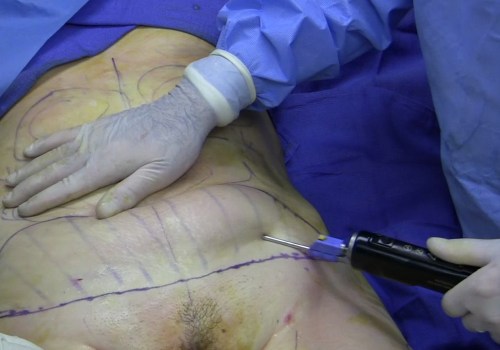
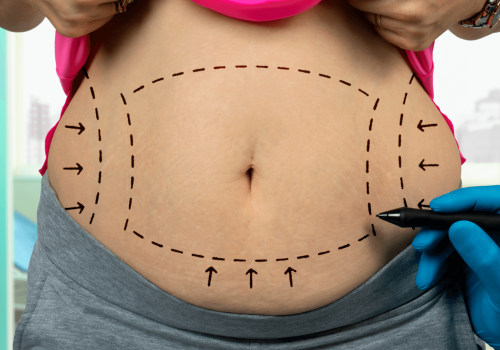
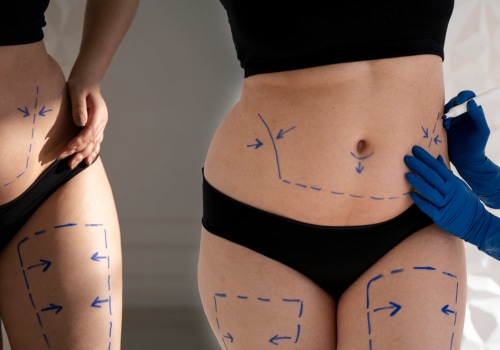
Liposuction has emerged as one of the most sought-after cosmetic procedures in recent years, captivating individuals who wish to enhance their body contours and achieve a more sculpted appearance. This surgical technique is primarily designed for fat removal , targeting stubborn areas of fat that often resist diet and exercise. While many people associate liposuction with significant weight loss , it is essential to understand that its primary purpose is not to serve as a weight-loss solution but rather to refine and reshape the body.The procedure involves the use of a thin tube, known as a cannula, which is inserted through small incisions in the skin. The surgeon then carefully removes excess fat deposits, allowing for a more balanced and aesthetically pleasing silhouette.
Popular treatment areas include the abdomen, thighs, buttocks, arms, and neck. As a result, liposuction can dramatically improve body proportions and boost self-confidence, making it an appealing option for many.Despite its popularity, there are common misconceptions surrounding liposuction, particularly regarding the amount of weight one can expect to lose. Many individuals believe that liposuction can help them shed large amounts of weight quickly; however, this is not the case. The procedure is best suited for those who are already close to their ideal weight but struggle with localized fat deposits.
Understanding the realistic outcomes of liposuction is crucial for anyone considering this transformative procedure.In this article, we will delve deeper into the intricacies of liposuction, exploring its benefits, potential risks, and what patients can realistically expect in terms of weight loss and body contouring results. By providing comprehensive insights into this popular cosmetic surgery, we aim to equip readers with the knowledge they need to make informed decisions about their body image goals.
What is Liposuction?
Liposuction is a popular cosmetic procedure designed to remove stubborn fat deposits from various areas of the body. It is not a weight-loss solution but rather a body-contouring technique that helps individuals achieve a more sculpted appearance. The procedure involves the surgical removal of fat cells through a process known as suction-assisted lipectomy.The liposuction procedure typically begins with a consultation where the surgeon evaluates the patient’s health, discusses their goals, and determines the most suitable technique.There are several methods of liposuction, including:
- Tumescent Liposuction: This is the most common technique, where a saline solution mixed with local anaesthetic and epinephrine is injected into the target area. This solution helps to numb the area and reduce bleeding. This is the most common technique, where a saline solution mixed with local anaesthetic and epinephrine is injected into the target area. This solution helps to numb the area and reduce bleeding.
- Ultrasound-Assisted Liposuction (UAL): This method uses ultrasound waves to liquefy fat cells before they are suctioned out, making it easier to remove larger volumes of fat. This method uses ultrasound waves to liquefy fat cells before they are suctioned out, making it easier to remove larger volumes of fat.
- Laser-Assisted Liposuction (LAL): In this technique, laser energy is used to melt fat cells, which are then removed through suction. This method can also promote skin tightening.
- Suction-Assisted Liposuction (SAL): The traditional method where a cannula is inserted through small incisions to physically remove fat from the body.
A thin tube called a cannula is inserted through these incisions to break up and suction out the fat cells. The surgeon carefully sculpts the area to ensure a smooth and natural-looking result.After liposuction, patients can expect some swelling and bruising in the treated areas, which typically subsides over time. While immediate results may be visible, final outcomes can take several months as swelling decreases and skin adjusts to its new contours. It’s important for patients to maintain a healthy lifestyle post-procedure to preserve their results.In summary, liposuction is an effective way to target specific areas of fat that are resistant to diet and exercise.
Understanding the procedure and its techniques can help individuals make informed decisions about their body contouring options.
How Much Weight Can You Lose with Liposuction?
Liposuction is often misconceived as a weight-loss solution, but its primary purpose is to sculpt and contour the body by removing stubborn fat deposits. Understanding how much weight can realistically be lost through this procedure is crucial for setting appropriate expectations.On average, patients can expect to lose between 5 to 10 pounds of fat during a single liposuction session. However, this figure can vary significantly based on several factors:- Body Type: Individuals with a higher body mass index (BMI) may have more fat available for removal, while those with a lower BMI may not see as significant a change.
- Treatment Area: The amount of fat that can be safely removed also depends on the area being treated. For instance, larger areas like the abdomen or thighs may allow for more fat extraction compared to smaller areas like the arms or chin.
- Surgeon’s Expertise: The skill and experience of the surgeon play a vital role in determining how much fat can be removed safely.
A qualified surgeon will adhere to safety guidelines that limit the volume of fat extracted in one session.
- Patient’s Health: Overall health and medical history can influence the procedure's outcome. Patients with certain health conditions may not be ideal candidates for extensive fat removal.
Therefore, if a patient desires more extensive fat removal, it is advisable to consider multiple procedures spaced out over time.Ultimately, while liposuction can lead to noticeable changes in body shape and size, it should not be viewed as a primary method for weight loss. Instead, it serves as an effective tool for enhancing body contours when combined with a healthy lifestyle.
Liposuction vs. Traditional Weight Loss Methods
When considering weight loss options, many individuals find themselves weighing the benefits of liposuction against traditional methods such as diet and exercise. Each approach has its unique advantages and limitations, making it essential to understand how they differ in terms of effectiveness and long-term results.Liposuction: A Targeted Approach
Liposuction is primarily a cosmetic procedure designed to remove stubborn fat deposits from specific areas of the body.Unlike traditional weight loss methods, which focus on overall body fat reduction, liposuction targets localized fat that may not respond to diet or exercise. This makes it an appealing option for individuals who are already at or near their ideal weight but struggle with particular problem areas.
Diet and Exercise: The Foundation of Weight Management
On the other hand, traditional weight loss methods such as diet and exercise promote a holistic approach to health. These methods not only help in reducing body weight but also improve overall fitness and well-being. A balanced diet combined with regular physical activity can lead to sustainable weight loss by creating a calorie deficit, which is essential for shedding pounds.Comparative Effectiveness
While liposuction can result in immediate changes in body shape, it does not address the underlying lifestyle factors that contribute to weight gain.For instance:
- Liposuction: Provides quick results in terms of body contouring but does not prevent future weight gain if unhealthy habits persist.
- Diet and Exercise: Require time and commitment but foster long-term lifestyle changes that can lead to sustained weight management.
The Role of Maintenance
Post-liposuction, patients are encouraged to maintain their results through a healthy lifestyle. Without proper diet and exercise, there is a risk of gaining weight in other areas of the body where fat cells remain. In contrast, those who adopt a consistent exercise routine and balanced diet can achieve lasting results without surgical intervention.In conclusion, while liposuction offers a viable solution for targeted fat removal, it is not a comprehensive solution for weight loss. Traditional methods like diet and exercise remain fundamental for achieving and maintaining overall health and wellness.Who is an Ideal Candidate for Liposuction?
Liposuction is a popular cosmetic procedure designed to remove stubborn fat deposits from specific areas of the body.However, not everyone is a suitable candidate for this treatment. Understanding the characteristics of ideal candidates can help individuals make informed decisions about whether liposuction is right for them.
Health Considerations
- Overall Health: Candidates should be in good overall health, free from serious medical conditions that could complicate surgery or recovery. Conditions such as heart disease, diabetes, or blood clotting disorders may disqualify an individual from undergoing liposuction.
- Stable Weight: Ideal candidates typically have a stable weight, meaning they are not significantly overweight or underweight. Liposuction is not a weight-loss solution; rather, it is intended for those who are close to their ideal weight but struggle with localized fat deposits.
- Non-Smoker: Smoking can impede healing and increase the risk of complications during and after surgery.
Therefore, non-smokers or those willing to quit smoking prior to the procedure are preferred candidates.
Body Types and Fat Distribution
- Localized Fat Deposits: Individuals with specific areas of fat that are resistant to diet and exercise are often ideal candidates. Common areas include the abdomen, thighs, hips, and arms.
- Skin Elasticity: Good skin elasticity is crucial for achieving optimal results. Candidates with firm skin are more likely to experience better contouring post-surgery as their skin can adapt to the new body shape.
- Aging Considerations: While liposuction can be performed on various age groups, younger individuals tend to have better skin elasticity and may achieve more satisfactory results.
Mental and Emotional Readiness
- Realistic Expectations: Candidates should have realistic expectations regarding the outcomes of liposuction. Understanding that it is not a substitute for weight loss or a solution for obesity is essential.
- Mental Preparedness: Individuals should be mentally prepared for the changes that come with surgery, including recovery time and potential lifestyle adjustments post-procedure.
Consulting with a qualified surgeon can provide further insights into whether liposuction aligns with individual goals and circumstances.
Risks and Considerations of Liposuction
Liposuction, while often viewed as a straightforward solution for body contouring, carries a range of risks and complications that potential patients must consider. Understanding these factors is crucial for making an informed decision about whether to proceed with the procedure.One of the primary risks associated with liposuction is the possibility of complications during or after surgery. These can include:- Infection: As with any surgical procedure, there is a risk of infection at the incision sites. Proper aftercare and adherence to post-operative instructions can help mitigate this risk.
- Bleeding: Excessive bleeding during or after the procedure can occur, leading to the need for further medical intervention.
- Fluid accumulation: Seromas, or pockets of fluid, may develop under the skin post-surgery, requiring drainage.
- Nerve damage: Although rare, there is a potential for nerve injury, which can result in numbness or changes in sensation in the treated areas.
- Scarring: While surgeons aim to make incisions as discreet as possible, scarring is an inevitable part of any surgical procedure.
The procedure should only be performed by a qualified and experienced surgeon in an accredited facility. Patients should thoroughly research their surgeon's credentials and ensure they have a solid track record in performing liposuction. Additionally, discussing any pre-existing health conditions with the surgeon is essential, as certain medical issues can increase the risk of complications.Moreover, it’s important to have realistic expectations regarding the outcomes of liposuction. While it can effectively remove stubborn fat deposits, it is not a substitute for a healthy lifestyle or weight loss.
Patients should understand that maintaining results requires ongoing commitment to diet and exercise.In conclusion, while liposuction can offer significant aesthetic benefits, it is not without its risks. A thorough understanding of these risks and careful consideration of personal health factors are vital steps in making an informed decision about undergoing this procedure.
Post-Procedure Expectations and Recovery
Recovering from liposuction is a crucial phase that significantly impacts the overall results of the procedure. Understanding what to expect during this time can help patients prepare mentally and physically for their journey towards a more contoured body.Immediately after the surgery, patients may experience swelling, bruising, and discomfort in the treated areas. These symptoms are normal and typically subside within a few weeks.However, it is essential to follow the surgeon's post-operative care instructions closely to ensure a smooth recovery.
Healing Timeline
The healing process varies from person to person, but most patients can expect to return to light activities within a week. Full recovery may take several weeks, during which the body will gradually adjust to its new shape. Here’s a general timeline:- First 24-48 hours: Rest is vital. Patients should have someone assist them during this period.
- Week 1: Most swelling and bruising will peak and then begin to decrease.
Patients may be advised to wear compression garments to support healing.
- Weeks 2-4: Many patients can resume normal activities, but high-impact exercises should be avoided until cleared by the surgeon.
- 1-3 months: Final results will start becoming visible as swelling continues to diminish.
Post-Operative Care
Proper post-operative care is essential for optimal results. Here are some key aspects:- Compression Garments: Wearing these as directed helps reduce swelling and supports the healing tissues.
- Pain Management: Over-the-counter pain relief or prescribed medications can help manage discomfort.
- Hydration and Nutrition: Staying hydrated and maintaining a balanced diet aids in recovery.
- Avoiding Strenuous Activities: Patients should refrain from heavy lifting or vigorous exercise for at least four weeks.
Maintaining Results After Liposuction
Undergoing liposuction can be a transformative experience, but the journey does not end once the procedure is complete.To truly benefit from the results, it is crucial to adopt a lifestyle that supports and maintains your new body shape. Here are some essential strategies to help you sustain your weight loss after liposuction.
Embrace a Balanced Diet
Post-liposuction, your body will require proper nutrition to heal and maintain its new contours. Focus on a balanced diet rich in:- Fruits and Vegetables: These are packed with vitamins, minerals, and antioxidants that promote healing and overall health.
- Lean Proteins: Incorporate sources like chicken, fish, beans, and legumes to support muscle repair and growth.
- Whole Grains: Opt for whole grains such as brown rice, quinoa, and whole wheat bread to provide sustained energy.
- Healthy Fats: Include sources like avocados, nuts, and olive oil to support cellular health.
Stay Active
Regular physical activity is vital for maintaining your results. Aim for at least 150 minutes of moderate aerobic exercise each week.Consider activities such as:
- Walking or Jogging: Simple yet effective ways to keep your metabolism active.
- Strength Training: Incorporate resistance exercises at least twice a week to build muscle mass, which can help burn more calories at rest.
- Flexibility Exercises: Activities like yoga or Pilates can improve your overall body tone and flexibility.
Monitor Your Progress
Keeping track of your weight and measurements can help you stay accountable. Regularly check in with yourself to ensure you are maintaining your desired body shape. If you notice any changes, reassess your diet and exercise routine accordingly.Stay Hydrated
Drinking plenty of water is essential for overall health and can aid in weight maintenance. Aim for at least eight glasses of water a day, as hydration helps control hunger and supports metabolic processes.In conclusion, while liposuction can significantly enhance your body shape, the key to long-term success lies in adopting healthy lifestyle changes.By focusing on a balanced diet, staying active, monitoring your progress, and maintaining hydration, you can enjoy the benefits of your procedure for years to come.
Frequently Asked Questions about Liposuction
Liposuction is a popular cosmetic procedure, yet many people still have questions and misconceptions about it. Below, we address some of the most frequently asked questions to help clarify what liposuction can and cannot do.What is liposuction?
Liposuction is a surgical procedure designed to remove excess fat from specific areas of the body. It is not a weight-loss solution but rather a body contouring technique that targets stubborn fat deposits that are resistant to diet and exercise.Can liposuction help me lose 50 pounds?
No, liposuction is not intended for significant weight loss. While it can remove fat, the average amount of fat removed in a single session is between 5 to 8 pounds.For those looking to lose a substantial amount of weight, a combination of diet, exercise, and possibly other medical interventions may be more appropriate.
Is liposuction safe?
Like any surgical procedure, liposuction carries risks. However, when performed by a qualified and experienced surgeon, it is generally considered safe. Potential risks include infection, scarring, and complications related to anaesthesia. It’s crucial to discuss these risks with your surgeon during the consultation.Who is an ideal candidate for liposuction?
The best candidates for liposuction are individuals who are close to their ideal weight but have specific areas of fat that they wish to target.Good candidates should also be in good overall health and have realistic expectations about the results.
What are some common myths about liposuction?
- Liposuction is a quick fix for obesity: This is false; liposuction is not a substitute for a healthy lifestyle.
- You can undergo liposuction anywhere on your body: While many areas can be treated, there are limitations based on safety and effectiveness.
- Liposuction results are permanent: Although the fat cells removed do not return, new fat can develop if lifestyle changes are not maintained.
Conclusion: Is Liposuction Right for You?
In conclusion, while liposuction can be an effective procedure for body contouring and fat removal, it is essential to understand its limitations and the context in which it should be considered. This surgical option is not a substitute for a healthy lifestyle or a weight-loss solution for those looking to shed significant pounds. Instead, it is best suited for individuals who are already close to their ideal weight but struggle with stubborn fat deposits that resist diet and exercise.As discussed, the average fat loss from liposuction typically ranges from 5 to 10 pounds, depending on various factors such as the patient's body type, the areas being treated, and the volume of fat removed.It is crucial to note that while some patients may experience a more significant change in their appearance, the primary goal of liposuction is to enhance body shape rather than achieve substantial weight loss.Before deciding on liposuction, potential candidates should consider the following:
- Health Status: Ensure you are in good health and discuss any medical conditions with your surgeon.
- Realistic Expectations: Understand that liposuction will not result in dramatic weight loss and should not be viewed as a quick fix.
- Post-Procedure Commitment: Be prepared to maintain a healthy lifestyle post-surgery to achieve and sustain the best results.
- Consultation with Professionals: Seek advice from qualified plastic surgeons who can provide insights tailored to your specific needs and goals.