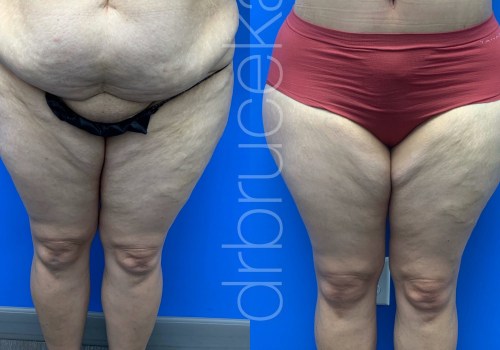
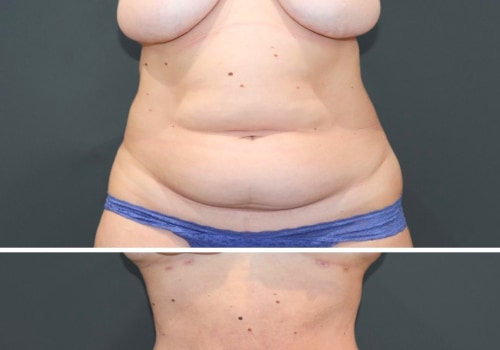
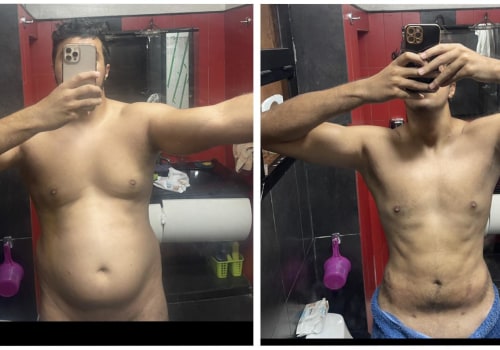
Liposuction is a popular cosmetic procedure designed to reshape and contour the body by removing excess fat deposits. Unlike traditional weight loss methods, which focus on overall body mass reduction, liposuction specifically targets stubborn fat areas that are resistant to diet and exercise. This makes it an appealing option for individuals looking to enhance their body shape and achieve a more toned appearance.The procedure involves the use of a thin, hollow tube known as a cannula, which is inserted through small incisions in the skin. The surgeon then uses this cannula to suction out fat cells from specific areas, such as the abdomen, thighs, buttocks, arms, and neck. Liposuction is a popular cosmetic procedure designed to reshape and contour the body by removing excess fat deposits. Unlike traditional weight loss methods, which focus on overall body mass reduction, liposuction specifically targets stubborn fat areas that are resistant to diet and exercise. This makes it an appealing option for individuals looking to enhance their body shape and achieve a more toned appearance.The procedure involves the use of a thin, hollow tube known as a cannula, which is inserted through small incisions in the skin. The surgeon then uses this cannula to suction out fat cells from specific areas, such as the abdomen, thighs, buttocks, arms, and neck.
The result is a more sculpted silhouette that can significantly boost self-confidence and improve one’s overall aesthetic appeal.It is essential to understand that liposuction is not a weight-loss solution but rather a body contouring technique. It is most effective for individuals who are already at or near their ideal weight but struggle with localized fat deposits. By removing these fat cells, liposuction can create smoother lines and enhance the body's natural curves.As we delve deeper into the topic of liposuction, it is crucial to address common misconceptions surrounding the procedure, particularly regarding fat retention and the long-term effects on body composition. Understanding how liposuction works and its implications for future weight management will provide valuable insights for anyone considering this transformative procedure.
How Liposuction Works
Liposuction is a sophisticated surgical procedure designed to remove excess fat from specific areas of the body, enhancing overall body contour.Understanding how liposuction works is crucial for anyone considering this treatment, as it involves several steps and techniques that contribute to its effectiveness.The procedure typically begins with a thorough consultation, where the surgeon evaluates the patient’s medical history, discusses aesthetic goals, and determines the most suitable technique for fat removal. There are various methods of liposuction, including:
- Tumescent Liposuction: This is the most common technique, where a solution containing saline, lidocaine, and epinephrine is injected into the targeted area. This solution helps to numb the area and constrict blood vessels, reducing bleeding and swelling during the procedure.
- Ultrasound-Assisted Liposuction (UAL): This method uses ultrasound energy to liquefy fat cells before they are removed. The ultrasound waves break down the fat, making it easier to suction out while minimizing damage to surrounding tissues.
- Laser-Assisted Liposuction (LAL): Similar to UAL, this technique employs laser energy to melt fat cells.
The laser also promotes skin tightening by stimulating collagen production.
- Abdomen
- Thighs
- Hips
- Arms
- Back
- Chin and neck
By understanding how liposuction works—from initial consultation through to recovery—patients can make informed decisions about their body contouring options.
The Science Behind Fat Cells and Liposuction
To understand the implications of liposuction on fat cells, it is essential to first grasp the biology of these cells. Fat cells, or adipocytes, are specialized cells that store energy in the form of fat. They play a crucial role in regulating metabolism and maintaining energy balance within the body. Each individual has a fixed number of fat cells, which can expand or shrink in size depending on various factors such as diet, exercise, and hormonal changes.During a liposuction procedure, a plastic surgeon employs a technique that involves the use of a thin, hollow tube known as a cannula.This cannula is inserted through small incisions in the skin and is used to break apart and suction out fat cells from targeted areas of the body. The process is designed to be precise, allowing for the removal of fat while preserving surrounding tissues.Once fat cells are removed during liposuction, they are permanently eliminated from the body. This is a significant aspect of the procedure; unlike weight loss through diet or exercise, which merely reduces the size of existing fat cells, liposuction actually decreases their number. As adults, we do not generate new fat cells; therefore, the removed adipocytes do not regenerate.However, it is important to note that while liposuction effectively removes fat cells from specific areas, it does not prevent future weight gain.
If a patient gains weight after the procedure, the remaining fat cells—both in treated and untreated areas—can still expand in size. This can lead to changes in body contour and may diminish the aesthetic results achieved through liposuction.In summary, understanding how fat cells function and how they are affected by liposuction is vital for anyone considering this procedure. The removal of fat cells is permanent; however, maintaining a healthy lifestyle post-surgery is crucial to ensure that any remaining fat cells do not increase in size, thereby preserving the desired body shape.
Can Fat Come Back After Liposuction?
One of the most frequently asked questions regarding liposuction is whether fat can return after the procedure. To address this concern, it is essential to understand how liposuction works and the nature of fat cells in the body.Liposuction is designed to remove fat cells from specific areas, providing a more contoured appearance.Once these fat cells are removed, they do not regenerate. This means that the fat cells that were eliminated during the procedure are permanently gone. However, this does not imply that a patient is immune to weight gain or that fat cannot accumulate in other areas of the body.When a person gains weight after liposuction, the remaining fat cells—both in treated and untreated areas—can expand in size. This expansion occurs because while liposuction reduces the number of fat cells, it does not eliminate all of them.
Therefore, if a patient does not maintain a healthy lifestyle post-procedure, they may notice changes in their body shape as the remaining fat cells increase in volume.It is also a common misconception that new fat cells will develop in the areas where liposuction was performed. Research indicates that adults have a fixed number of fat cells; thus, once removed, those specific cells cannot grow back. However, if significant weight gain occurs, the body can still store excess fat in other locations, leading to an uneven distribution of body fat.To ensure long-lasting results after liposuction, patients should focus on maintaining a balanced diet and regular exercise regimen. Engaging in physical activity not only helps manage weight but also promotes overall health and well-being.
Additionally, understanding that liposuction is not a substitute for weight loss but rather a tool for body contouring can help set realistic expectations.In summary, while the fat cells removed during liposuction do not return, it is crucial for patients to be aware that weight gain can still occur through the expansion of remaining fat cells. Maintaining a healthy lifestyle is key to preserving the results achieved through this procedure.
Maintaining Results: The Importance of Lifestyle Choices
After undergoing liposuction, many patients are eager to enjoy their newly contoured bodies. However, the journey does not end with the procedure; maintaining the results is crucial and largely depends on lifestyle choices. This section delves into the essential aspects of diet, exercise, and other factors that play a significant role in preserving the outcomes of liposuction.The Role of Diet
A balanced diet is fundamental in maintaining weight after liposuction.While the procedure removes fat cells from specific areas, it does not prevent future weight gain. Therefore, adopting a nutritious eating plan is vital. Here are some dietary tips:
- Focus on Whole Foods: Incorporate plenty of fruits, vegetables, whole grains, and lean proteins into your meals. These foods are nutrient-dense and can help you feel full longer.
- Limit Processed Foods: Reduce your intake of sugary snacks, fast food, and high-calorie beverages.
These can contribute to weight gain and negate the benefits of liposuction.
- Stay Hydrated: Drinking sufficient water aids in digestion and can help control hunger. Aim for at least eight glasses a day.
The Importance of Regular Exercise
In addition to a healthy diet, regular physical activity is crucial for maintaining your results post-liposuction. Exercise helps to burn calories, build muscle, and improve overall health. Consider the following:- Cardiovascular Activities: Engage in aerobic exercises such as walking, running, cycling, or swimming at least 150 minutes per week to help manage weight.
- Strength Training: Incorporate strength training exercises at least twice a week.
Building muscle can increase your metabolism and help maintain your body shape.
- Stay Active: Look for opportunities to be active throughout the day—take the stairs instead of the lift or go for short walks during breaks.
Other Factors Influencing Long-Term Outcomes
Beyond diet and exercise, several other factors can influence how well you maintain your liposuction results:- Stress Management: High stress levels can lead to emotional eating and weight gain. Practice stress-reducing techniques such as yoga, meditation, or deep breathing exercises.
- Sufficient Sleep: Aim for 7-9 hours of quality sleep each night. Poor sleep can disrupt hormones that regulate appetite and metabolism.
- Avoiding Smoking and Excessive Alcohol: Both smoking and heavy drinking can negatively impact your health and body composition.
Common Misconceptions About Liposuction
Liposuction is often surrounded by a cloud of misconceptions that can lead to unrealistic expectations and misunderstandings about the procedure.It is crucial to address these myths to ensure that potential patients have a clear understanding of what liposuction can and cannot achieve.
Myth 1: Liposuction is a Weight Loss Solution
One of the most prevalent misconceptions is that liposuction is a method for significant weight loss. In reality, liposuction is primarily a body contouring procedure designed to remove localized fat deposits that are resistant to diet and exercise. While it can lead to a modest reduction in weight, it is not intended for those looking to lose large amounts of weight. Candidates for liposuction should ideally be at or near their target weight, as the procedure is meant to enhance body shape rather than serve as a primary weight loss strategy.
Myth 2: Fat Will Come Back After Liposuction
Another common belief is that fat will inevitably return after undergoing liposuction.
While it is true that the fat cells removed during the procedure are permanently eliminated, the remaining fat cells can still expand if a patient gains weight post-surgery. This means that while the treated areas will not regain fat in the same way, overall body weight management remains essential for maintaining results.
Myth 3: Liposuction Can Target Specific Areas for Weight Loss
Many people think that liposuction can selectively target areas for weight loss, but this is misleading. The procedure removes fat from specific areas, but it does not prevent fat accumulation in other parts of the body. Therefore, if a patient does not maintain a healthy lifestyle after surgery, they may find that they gain weight in areas not treated by liposuction.
Myth 4: Liposuction is a Quick Fix
Liposuction should not be viewed as a quick fix for body image issues.
It requires careful consideration, planning, and commitment to post-operative care and lifestyle changes. Patients must understand that achieving and maintaining their desired results involves ongoing effort beyond the surgical procedure itself.In conclusion, debunking these common myths about liposuction is vital for setting realistic expectations. Understanding the true nature of this procedure can help individuals make informed decisions about their body contouring options and encourage them to adopt healthier lifestyle choices post-surgery.
Combining Liposuction with Other Procedures
Liposuction is often viewed as a standalone procedure, but it can be effectively combined with other cosmetic surgeries to achieve more comprehensive results. By integrating liposuction with additional procedures, patients can enhance their overall body contouring outcomes, address multiple concerns simultaneously, and reduce recovery time.One of the most popular combinations is liposuction and tummy tuckliposuction and tummy tuck (abdominoplasty).This pairing is particularly beneficial for individuals who have experienced significant weight loss or pregnancy, resulting in excess skin and stubborn fat deposits around the abdomen. While liposuction targets and removes fat from specific areas, a tummy tuck not only eliminates excess skin but also tightens the underlying abdominal muscles. Together, these procedures can create a flatter, more toned midsection.
Benefits of Combining Liposuction with a Tummy Tuck
- Enhanced Results: The combination allows for a more sculpted appearance, as both fat removal and skin tightening are addressed.
- Single Recovery Period: Patients benefit from undergoing both procedures at once, leading to a shorter overall recovery time compared to having them done separately.
- Improved Confidence: Many patients report higher satisfaction levels when both fat and skin issues are resolved simultaneously, leading to improved self-esteem.
This fat can then be transferred to the breasts for a natural augmentation effect. Conversely, for those seeking breast reduction, liposuction can help remove fat from the breasts while also contouring surrounding areas.
Other Popular Combinations
- Liposuction and Facelift: This combination addresses both body and facial aesthetics, providing a more youthful appearance overall.
- Liposuction and Body Lift: Ideal for post-bariatric patients, this pairing helps remove excess skin while contouring the body.
- Liposuction and Thigh Lift: For those struggling with thigh fat and sagging skin, this combination can create smoother, firmer thighs.
FAQs About Liposuction and Fat Retention
When considering liposuction, many individuals have questions regarding the procedure and its implications for fat retention.Below are some of the most frequently asked questions that can help clarify common concerns.
1.Can fat return after liposuction?
While liposuction effectively removes fat cells from specific areas of the body, it does not prevent future weight gain. If a patient gains weight after the procedure, the remaining fat cells can expand, leading to changes in body contour. However, the fat cells that were removed during liposuction are permanently eliminated and will not grow back.2.How long do the results of liposuction last?
The longevity of liposuction results largely depends on the individual's lifestyle choices post-procedure. Maintaining a balanced diet and regular exercise can help preserve the results for years.If a patient adopts unhealthy habits, such as overeating or a sedentary lifestyle, they may experience weight gain in untreated areas.
3.Is liposuction a weight loss solution?
No, liposuction is primarily a body contouring procedure rather than a weight loss method. It is designed to target stubborn fat deposits that do not respond to diet and exercise. Ideal candidates are typically at or near their target weight but wish to refine specific areas.4.Are there any risks associated with liposuction?
As with any surgical procedure, there are risks involved with liposuction, including infection, scarring, and complications from anesthesia. It is crucial to consult with a qualified plastic surgeon to discuss these risks and ensure that you are a suitable candidate for the procedure.5.Can I combine liposuction with other procedures?
Yes, many patients choose to combine liposuction with other cosmetic procedures, such as tummy tucks or breast augmentations, to achieve more comprehensive results.This approach can enhance overall body contouring and improve aesthetic outcomes.Understanding these common questions about liposuction can help potential patients make informed decisions about their body contouring journey. Always consult with a qualified professional to address any specific concerns you may have.
Conclusion: The Key Takeaways on Liposuction and Fat Retention
In summary, understanding the implications of liposuction is crucial for anyone considering this body contouring procedure. While liposuction effectively removes fat cells from targeted areas, it is essential to grasp that it is not a weight loss solution. The procedure permanently eliminates fat cells, but it does not prevent the remaining fat cells from expanding if a patient gains weight.Here are the key takeaways regarding liposuction and fat retention:- Liposuction is a body contouring procedure: It is designed to reshape specific areas of the body by removing excess fat, rather than serving as a method for significant weight loss.
- Permanently removed fat cells: The fat cells that are extracted during the procedure do not return.
Once they are gone, they cannot grow back, which means that the treated areas will maintain their new contour as long as weight is stable.
- Weight maintenance is vital: To preserve the results of liposuction, patients must commit to a healthy lifestyle. Gaining weight after the procedure can lead to the expansion of remaining fat cells in both treated and untreated areas, potentially altering body shape.
- Misconceptions about new fat cell growth: A common myth is that new fat cells will develop in the treated areas post-surgery. This is inaccurate; however, weight gain can still affect overall body composition.
- Liposuction does not prevent future weight gain: While it can enhance body contours, it does not eliminate the risk of gaining weight in other areas of the body.
By understanding these principles, individuals can make informed decisions and set realistic expectations for their post-liposuction journey.