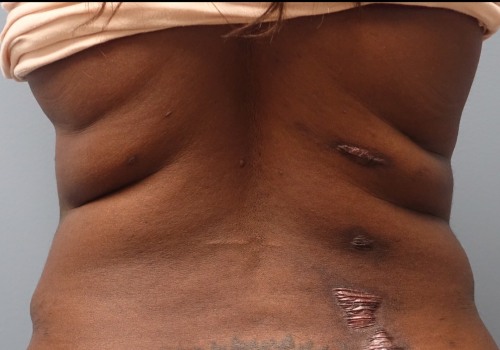
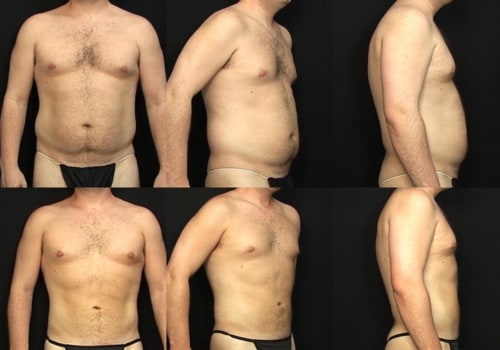
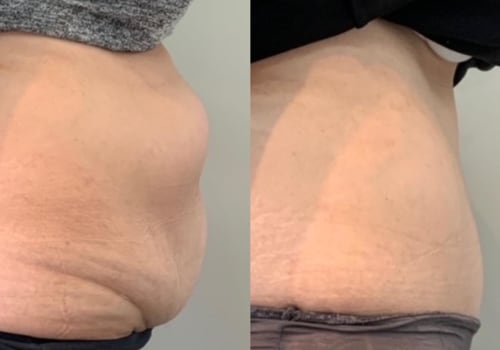
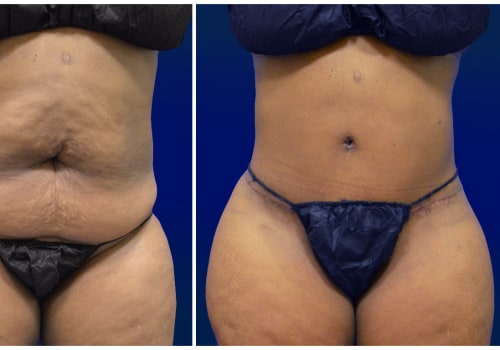
Liposuction is a popular cosmetic procedure that has gained significant attention over the years for its ability to sculpt and contour the body by removing stubborn fat deposits. This surgical technique is not merely a weight-loss solution; rather, it is designed to target specific areas where fat tends to accumulate despite a healthy lifestyle. Understanding what liposuction entails, how the procedure is performed, and its intended purpose is crucial for anyone considering this option.The liposuction procedure involves the use of a thin tube called a cannula, which is inserted through small incisions in the skin. This cannula is connected to a vacuum device that gently suctions out excess fat from the targeted areas.
Common sites for liposuction include the abdomen, thighs, buttocks, arms, and neck. The procedure can be performed under local or general anaesthesia, depending on the extent of fat removal and the patient's comfort level. It typically lasts between one to several hours, depending on the number of areas being treated.One of the key aspects of liposuction is its ability to provide immediate results. Once the fat is removed, patients often notice a significant change in their body shape and contour.
However, it is essential to understand that liposuction does not prevent future weight gain or eliminate existing health issues related to obesity. Instead, it serves as a tool for enhancing body aesthetics and boosting self-confidence.In summary, liposuction is an effective method for removing unwanted fat from specific areas of the body, helping individuals achieve their desired physique. As we delve deeper into this topic, we will explore whether liposuction offers a permanent solution to fat removal and what factors influence long-term results.
The Mechanics of Liposuction
Liposuction is a sophisticated surgical procedure that employs various techniques to effectively remove unwanted fat from specific areas of the body. Understanding the different liposuction techniques is crucial for anyone considering this procedure, as each method has its unique advantages and applications.Tumescent Liposuction
Tumescent liposuction is one of the most commonly used techniques.Tumescent liposuction is one of the most commonly used techniques.It involves the injection of a large volume of a saline solution mixed with local anaesthetic and epinephrine into the targeted fat area. This solution causes the fat to swell and become firm, making it easier to remove. The benefits of tumescent liposuction include:
- Reduced pain: The local anaesthetic minimizes discomfort during and after the procedure.
- Less bleeding: The epinephrine constricts blood vessels, reducing blood loss.
- Faster recovery: Patients often experience a quicker recovery time compared to traditional methods.
Ultrasound-Assisted Liposuction (UAL)
This technique uses ultrasound energy to liquefy fat cells before they are suctioned out. A small probe emits ultrasound waves that break down the fat, making it easier to remove.UAL is particularly effective for areas with denser fat deposits, such as the back or male breasts. Key advantages include:
- Precision: The ultrasound energy allows for more targeted fat removal.
- Less trauma: The process is less invasive, leading to reduced swelling and bruising.
Laser-Assisted Liposuction (LAL)
Laser-assisted liposuction employs laser technology to melt fat before it is extracted. A thin laser fiber is inserted through a small incision, delivering energy that liquefies the fat cells. This method not only facilitates easier fat removal but also promotes skin tightening due to the heat generated by the laser.Benefits of LAL include:
- Skin tightening: The heat stimulates collagen production, enhancing skin elasticity.
- Minimal downtime: Patients often experience less swelling and bruising compared to traditional liposuction.
Is Liposuction a Permanent Solution?
When considering liposuction, many individuals are eager to understand whether the results are permanent.The procedure is designed to remove fat cells from specific areas of the body, and while it does achieve this goal, the permanence of the results is contingent upon several factors.Firstly, it is essential to recognise that liposuction effectively eliminates fat cells from the targeted regions. Once these cells are removed, they do not regenerate. This means that the fat in those areas will not return as long as you maintain a stable weight. However, this does not imply that liposuction is a foolproof solution for weight management.After undergoing liposuction, if a patient gains weight, the remaining fat cells in their body can expand, leading to an increase in overall body fat.
Additionally, new fat cells can develop in other areas, which may alter the body’s contours and negate the aesthetic benefits achieved through surgery. Therefore, while liposuction can provide a more sculpted appearance by removing stubborn fat deposits, it is not a substitute for a healthy lifestyle.To ensure that the results of liposuction last over time, patients must commit to maintaining a balanced diet and regular exercise regimen. This commitment is crucial because fluctuations in weight can significantly impact the outcome of the procedure. For instance, individuals who adopt a sedentary lifestyle or indulge in unhealthy eating habits post-surgery may find that their bodies do not reflect the results they initially achieved.Moreover, it is important to note that liposuction does not address issues such as cellulite or skin laxity.
While it can remove fat deposits, it does not tighten skin or improve texture. Therefore, patients should have realistic expectations regarding what liposuction can achieve and understand that additional treatments may be necessary for comprehensive body contouring.In summary, while liposuction permanently removes fat cells from specific areas of the body, maintaining those results requires ongoing effort and lifestyle management. It is not a one-time fix but rather part of a broader commitment to health and wellness.
Factors Influencing Liposuction Results
Understanding the factors that influence the results of liposuction is crucial for anyone considering this procedure. While liposuction can effectively remove stubborn fat, the longevity of its results largely depends on several key elements, including weight management, dietary choices, exercise habits, and individual physiological responses.Weight Management
One of the most significant factors affecting the permanence of liposuction results is how well a patient manages their weight post-procedure.
After undergoing liposuction, patients must commit to maintaining a stable weight. If a patient gains weight after the surgery, the remaining fat cells in their body can expand, leading to a return of unwanted fat in both treated and untreated areas. Therefore, it is essential to adopt a proactive approach to weight management.
Dietary Choices
The role of diet cannot be overstated when it comes to maintaining liposuction results. A balanced diet rich in nutrients can help prevent weight gain and support overall health.
Patients should focus on:
- Whole foods: Incorporating fruits, vegetables, whole grains, and lean proteins into daily meals.
- Portion control: Being mindful of portion sizes to avoid overeating.
- Hydration: Drinking plenty of water to stay hydrated and support metabolic processes.
Exercise Habits
Regular physical activity is another critical component in maintaining the results of liposuction. Engaging in a consistent exercise routine helps burn calories, build muscle, and improve overall body composition. Patients are encouraged to incorporate both cardiovascular exercises and strength training into their weekly schedules. Activities such as:
- Walking or jogging: Great for cardiovascular health and calorie burning.
- Weight lifting: Helps build muscle mass and boost metabolism.
- Yoga or Pilates: Improves flexibility and core strength.
Individual Body Responses
Lastly, it’s important to acknowledge that each individual’s body responds differently to liposuction.
Factors such as genetics, age, hormonal changes, and metabolism can all play a role in how fat is distributed and retained after surgery. Some individuals may find it easier to maintain their results than others due to these inherent differences.In conclusion, while liposuction can provide significant aesthetic improvements by removing unwanted fat, achieving lasting results requires a commitment to a healthy lifestyle. By focusing on effective weight management strategies, making informed dietary choices, engaging in regular exercise, and understanding personal body responses, patients can enhance the longevity of their liposuction outcomes.
Liposuction vs. Weight Loss: Understanding the Difference
When considering body transformation options, many individuals often confuse liposuction with traditional weight loss methods.It is crucial to understand that while both aim to improve body appearance, they serve different purposes and are suited for different situations.
Liposuction
is primarily a cosmetic procedure designed to target and remove stubborn fat deposits that are resistant to diet and exercise. It is not intended as a weight loss solution. Instead, it focuses on contouring specific areas of the body, such as the abdomen, thighs, arms, and neck. This procedure is ideal for individuals who are already at or near their ideal weight but wish to enhance their body shape by eliminating localized fat.In contrast, traditional weight loss methods, including diet and exercise, aim to reduce overall body weight.
These methods involve creating a caloric deficit through healthy eating habits and physical activity. While effective for many, they may not always yield the desired results in terms of body shape and fat distribution. For instance, some people may lose weight but still struggle with areas of stubborn fat that do not respond to their efforts.Moreover, there are surgical options specifically designed for significant weight loss, such as gastric bypass or sleeve gastrectomy. These procedures alter the digestive system to promote substantial weight reduction.
Unlike liposuction, which removes fat cells from specific areas, these surgeries focus on reducing the overall size of the stomach or altering nutrient absorption.It is essential to note that liposuction does not prevent future weight gain. If a patient does not maintain a healthy lifestyle post-procedure, there is a risk of gaining weight in other areas of the body where fat cells remain. Therefore, individuals considering liposuction should be committed to a balanced diet and regular exercise to sustain their results.In summary, while liposuction can effectively sculpt the body by removing stubborn fat deposits, it is not a substitute for comprehensive weight loss strategies. Understanding this distinction is vital for anyone contemplating their options for achieving their desired physique.
Common Misconceptions About Liposuction
Liposuction is often surrounded by a cloud of misconceptions that can lead to unrealistic expectations among potential patients.Understanding the truth behind these myths is essential for anyone considering this procedure.
Myth 1: Liposuction is a Weight Loss Solution
One of the most prevalent misconceptions is that liposuction serves as a quick fix for obesity. In reality, liposuction is not designed for weight loss; rather, it targets specific areas of stubborn fat that resist diet and exercise. The procedure is most effective for individuals who are already at or near their ideal weight but wish to refine their body contours.
Myth 2: Liposuction Eliminates Cellulite
Another common belief is that liposuction can effectively remove cellulite. Unfortunately, this is not the case.
Cellulite is caused by structural changes in the skin and underlying fat, and while liposuction can remove fat, it does not address the fibrous bands that contribute to the dimpled appearance of cellulite. Patients seeking to improve the appearance of cellulite may need to explore other treatment options.
Myth 3: Results Are Immediate and Permanent
Many people assume that once the fat is removed, they will instantly achieve their desired body shape and that these results will last indefinitely. While liposuction does provide immediate results, it is crucial to understand that maintaining these results requires a commitment to a healthy lifestyle. If a patient gains weight after the procedure, remaining fat cells can expand, leading to a return of unwanted fat in other areas.
Myth 4: Liposuction Is a Simple Procedure
Some individuals underestimate the complexity of liposuction, viewing it as a minor cosmetic procedure.
However, it is a surgical operation that requires careful planning and execution by a qualified surgeon. Potential risks and complications exist, and patients should be fully informed about what to expect during recovery.
Myth 5: Anyone Can Get Liposuction
Lastly, there is a misconception that liposuction is suitable for everyone. In reality, candidates must meet specific health criteria to ensure safety during the procedure. Factors such as overall health, skin elasticity, and realistic expectations play significant roles in determining whether someone is an appropriate candidate for liposuction.In conclusion, debunking these myths surrounding liposuction is vital for setting realistic expectations.
By understanding what liposuction can and cannot do, individuals can make informed decisions about their body contouring options.
Recovery After Liposuction: What to Expect
Recovering from liposuction is a crucial phase that can significantly influence the overall results of the procedure. Understanding what to expect during this time can help patients prepare mentally and physically for their journey to recovery.Typically, the initial recovery period lasts about one to two weeks. During this time, patients may experience swelling, bruising, and discomfort in the treated areas. These symptoms are normal and should gradually subside as the body begins to heal.However, it is essential to follow your surgeon's post-operative care instructions closely to ensure a smooth recovery.
Post-Operative Care for Liposuction
Effective post-operative care is vital for optimal healing after liposuction. Here are some key aspects to consider:- Rest: Allow your body ample time to recover. Avoid strenuous activities and heavy lifting for at least two weeks.
- Compression Garments: Wearing a compression garment as advised by your surgeon helps reduce swelling and supports the healing process.
- Hydration: Staying well-hydrated aids in recovery. Drink plenty of water and avoid alcohol during the initial healing phase.
- Medication: Take prescribed pain medications as directed to manage discomfort effectively.
- Follow-Up Appointments: Attend all scheduled follow-up visits with your surgeon to monitor your progress and address any concerns.
Healing After Liposuction
The healing process varies from person to person, but most individuals can expect significant improvements within a few weeks.Swelling may persist for several months, but it will gradually diminish, revealing the final results of the procedure. It is important to be patient during this time, as full recovery can take up to six months or longer.During the healing phase, some patients may notice changes in sensation around the treated areas, such as numbness or tingling. These sensations are typically temporary and should resolve as healing progresses. However, if any unusual symptoms arise, such as excessive pain or signs of infection (like fever or increased redness), it is crucial to contact your surgeon immediately.In summary, understanding the recovery timeline and adhering to post-operative care guidelines are essential for achieving the best possible outcomes after liposuction.
By prioritising rest and following medical advice, patients can enhance their healing process and enjoy their new contours with confidence.
Long-Term Care and Maintenance After Liposuction
After undergoing liposuction, many patients are eager to maintain their newly contoured appearance. However, achieving long-lasting results requires a commitment to long-term care and lifestyle adjustments. Here are some essential strategies to help you keep unwanted fat at bay after your procedure.Dietary Recommendations
Your diet plays a crucial role in maintaining the results of your liposuction. Here are some dietary tips to consider:- Balanced Nutrition: Focus on a well-rounded diet rich in fruits, vegetables, whole grains, lean proteins, and healthy fats.
This will provide your body with the nutrients it needs to heal and function optimally.
- Portion Control: Be mindful of portion sizes to avoid overeating. Using smaller plates can help you manage your portions effectively.
- Hydration: Drink plenty of water throughout the day. Staying hydrated can help control hunger and support overall health.
- Avoid Processed Foods: Limit your intake of sugary snacks, fast food, and processed items that can contribute to weight gain.
Exercise Routines
Incorporating regular physical activity into your routine is vital for maintaining your liposuction results. Consider the following:- Start Slowly: After your recovery period, gradually reintroduce exercise.
Begin with low-impact activities such as walking or swimming.
- Aim for Consistency: Strive for at least 150 minutes of moderate aerobic activity each week, combined with strength training exercises at least twice a week.
- Mix It Up: Engage in a variety of exercises to keep things interesting and work different muscle groups. This can include yoga, cycling, or group fitness classes.
Lifestyle Changes
Beyond diet and exercise, certain lifestyle changes can significantly impact your ability to maintain your results:- Avoid Smoking: If you smoke, consider quitting. Smoking can hinder healing and negatively affect your skin's elasticity.
- Manage Stress: High-stress levels can lead to emotional eating. Practice stress-reduction techniques such as meditation, deep breathing exercises, or engaging in hobbies you enjoy.
- Regular Check-Ins: Schedule follow-up appointments with your surgeon to monitor your progress and address any concerns you may have.
By adopting these dietary recommendations, exercise routines, and lifestyle changes, you can enhance the longevity of your results and enjoy a healthier lifestyle overall.
Consultation with a Cosmetic Surgeon: What to Ask?
Preparing for a consultation with a cosmetic surgeon is a crucial step in your journey towards liposuction. This meeting is your opportunity to gather information, clarify doubts, and set realistic expectations about the procedure. To make the most of your consultation, consider the following key questions to ask your surgeon:- What qualifications and experience do you have? It’s essential to ensure that your surgeon is board-certified and has extensive experience specifically in performing liposuction.
- What techniques do you use for liposuction? Different techniques, such as tumescent, ultrasound-assisted, or laser-assisted liposuction, may be employed. Understanding the method used can help you gauge its suitability for your needs.
- What are the potential risks and complications? Every surgical procedure carries risks.
Ask about specific complications related to liposuction, such as infection, scarring, or uneven results.
- What results can I realistically expect? Discuss your goals and ask to see before-and-after photos of previous patients. This will help you understand what is achievable.
- How much fat can be safely removed? Understanding the limits of fat removal is vital. Your surgeon should explain how much fat can be taken out safely based on your body type and health status.
- What is the recovery process like? Inquire about the expected recovery time, post-operative care, and any restrictions on activities after surgery.
- Will I need follow-up appointments? Regular follow-ups are important for monitoring your recovery and addressing any concerns that may arise.
- Gathering medical history: Be ready to discuss your medical history, including any previous surgeries, medications you are taking, and any allergies.
- Setting realistic goals: Think about what you want to achieve with liposuction and be open to discussing whether those goals are attainable.
- Bringing a list of questions: Write down any additional questions or concerns you may have so that you don’t forget to address them during the consultation.
Ultimately, this decision should be made with careful consideration and confidence in your chosen surgeon.
Conclusion: The Reality of Liposuction as a Solution
In summary, the journey through understanding liposuction reveals a nuanced reality that goes beyond the allure of immediate body transformation. While this surgical procedure is indeed effective in removing stubborn fat deposits and sculpting the body, it is essential to grasp that it is not a standalone solution for weight management or overall health.One of the most critical takeaways is that liposuction permanently eliminates fat cells from targeted areas. However, this does not equate to a guarantee of lasting results. The body’s remaining fat cells can still expand if weight is gained post-surgery, leading to a potential return of unwanted fat in other areas.Therefore, maintaining a stable weight is paramount for preserving the aesthetic benefits achieved through the procedure.Moreover, it is vital to recognise that liposuction should not be viewed as a substitute for a healthy lifestyle. It is designed to complement efforts made through diet and exercise rather than replace them. Patients must commit to ongoing healthy habits, including balanced nutrition and regular physical activity, to ensure that their results endure over time.Additionally, while liposuction can enhance body contours, it does not address issues such as cellulite , which may persist regardless of the procedure. This limitation underscores the importance of setting realistic expectations and understanding that liposuction is just one tool in the broader context of body image and self-esteem.Ultimately, those considering liposuction should engage in thorough discussions with qualified professionals to understand both the benefits and limitations of the procedure.
By doing so, they can make informed decisions that align with their personal goals and lifestyle choices.In conclusion, while liposuction can be an effective method for achieving a more contoured appearance, it requires dedication to maintaining results through healthy living. Embracing this holistic approach will not only enhance the outcomes of the surgery but also contribute to overall well-being and satisfaction with one’s body.