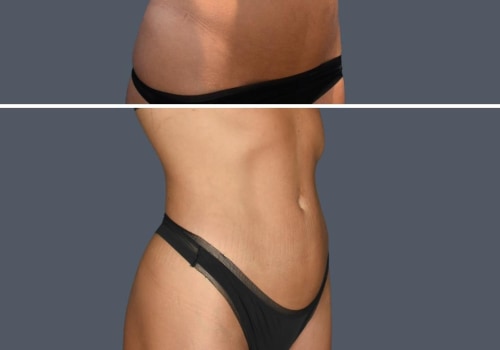
Liposuction is a popular cosmetic procedure designed to remove stubborn fat deposits from various areas of the body, helping individuals achieve a more sculpted and contoured appearance. This surgical technique is not intended for weight loss but rather for body shaping, targeting specific areas where fat tends to accumulate despite diet and exercise efforts. Commonly treated areas include the abdomen, thighs, buttocks, arms, and neck. By understanding what liposuction entails, potential candidates can make informed decisions about whether this procedure aligns with their aesthetic goals.The liposuction procedure typically begins with a consultation where the surgeon evaluates the patient's health, discusses their goals, and determines if they are a suitable candidate.
During the surgery itself, a local or general anaesthetic is administered to ensure comfort. The surgeon then makes small incisions in the targeted areas and inserts a thin tube called a cannula. This cannula is used to suction out excess fat through a vacuum-like device. The entire process usually lasts between one to three hours, depending on the extent of fat removal required.Understanding how liposuction works is crucial for anyone considering this procedure.
The technique involves breaking up fat cells before they are removed, which can be achieved through various methods such as tumescent liposuction, ultrasound-assisted liposuction (UAL), or laser-assisted liposuction (LAL). Each method has its unique advantages and may be chosen based on the patient's specific needs and the surgeon's expertise. Ultimately, liposuction can provide significant improvements in body shape and self-confidence when performed by a qualified professional.
The Benefits of Liposuction
Liposuction offers a range of benefits that extend beyond mere aesthetic improvements. For many individuals, the procedure serves as a transformative experience, enhancing both physical appearance and emotional well-being.1.Effective Body Contouring
One of the primary advantages of liposuction is its ability to sculpt and contour the body.
Unlike traditional weight loss methods, which may result in a uniform reduction in size, liposuction targets specific areas where fat tends to accumulate. This allows for a more tailored approach to body shaping, enabling patients to achieve a more balanced and proportionate figure. Common areas treated include:
- Abdomen
- Thighs
- Hips
- Arms
- Back
- Chin and neck
2.Boosted Self-Confidence
The psychological impact of liposuction can be profound. Many patients report a significant boost in self-esteem following the procedure.
By removing stubborn fat deposits that have resisted diet and exercise, individuals often feel more comfortable in their own skin. This newfound confidence can lead to:
- Improved social interactions
- Increased motivation to maintain a healthy lifestyle
- A greater willingness to engage in physical activities
3.Potential Health Improvements
While liposuction is primarily an aesthetic procedure, it can also contribute to health improvements for some individuals. By reducing excess fat, particularly visceral fat that surrounds internal organs, patients may experience:
- Lower blood pressure
- Improved cholesterol levels
- Reduced risk of obesity-related conditions such as diabetes and heart disease
4.Long-Lasting Results
Another significant benefit of liposuction is the permanence of its results. Once fat cells are removed from targeted areas, they do not return.
However, it is essential for patients to maintain a healthy lifestyle post-procedure to prevent new fat accumulation in other areas.
5.Versatility of the Procedure
Liposuction techniques have evolved significantly over the years, offering various methods tailored to individual needs. Options such as tumescent liposuction, ultrasound-assisted liposuction (UAL), and laser-assisted liposuction provide flexibility in treatment approaches, ensuring optimal results for different body types and fat distributions.In summary, the benefits of liposuction extend far beyond cosmetic enhancement. From effective body contouring and increased self-confidence to potential health improvements and long-lasting results, this procedure can be a worthwhile investment for those seeking to enhance their physical appearance and overall quality of life.
The Risks and Drawbacks of Liposuction
While liposuction can offer significant aesthetic benefits, it is crucial to consider the risks and drawbacks associated with the procedure. Understanding these potential complications can help individuals make informed decisions about whether liposuction is the right choice for them.One of the primary concerns surrounding liposuction is the possibility of complications.Although rare, some patients may experience:
- Infection: As with any surgical procedure, there is a risk of infection at the incision sites. Proper aftercare and following your surgeon's instructions can help mitigate this risk.
- Bleeding: Excessive bleeding during or after the procedure can occur, leading to the need for further medical intervention.
- Fluid accumulation: Seromas, or pockets of fluid, may develop under the skin, requiring drainage.
- Nerve damage: In some cases, patients may experience numbness or changes in sensation in the treated areas due to nerve injury.
- Scarring: While surgeons aim to make incisions as discreet as possible, scarring is an inevitable part of any surgical procedure.
It is essential to allow adequate time for healing and to follow your surgeon's guidelines regarding activity restrictions. Many patients find that they need to take time off work and limit physical activities during their recovery period.Moreover, unrealistic expectations can lead to disappointment. Liposuction is not a weight-loss solution; it is designed for body contouring. Patients should understand that while liposuction can remove stubborn fat deposits, it does not guarantee a perfect body shape or eliminate all imperfections.
Maintaining a healthy lifestyle post-procedure is vital for achieving and sustaining desired results.In conclusion, while liposuction can be an effective method for enhancing body contours, it is essential to weigh these potential risks and drawbacks carefully. Consulting with a qualified plastic surgeon can provide valuable insights into whether this procedure aligns with your goals and expectations.Maintaining a healthy lifestyle post-procedure is vital for achieving and sustaining desired results.In conclusion, while liposuction can be an effective method for enhancing body contours, it is essential to weigh these potential risks and drawbacks carefully. Consulting with a qualified plastic surgeon can provide valuable insights into whether this procedure aligns with your goals and expectations.
Is Liposuction Worth the Investment?
When considering liposuction, one of the most pressing questions is whether the financial investment is justified by the benefits it offers. The cost of liposuction can vary significantly based on several factors, including the surgeon's experience, the geographical location of the clinic, and the specific areas being treated. On average, patients can expect to pay anywhere from £3,000 to £7,000 for the procedure.This price typically includes pre-operative consultations, the surgery itself, and post-operative follow-ups.It’s essential to understand that liposuction is not merely a cosmetic enhancement; it can lead to profound changes in a person's self-image and confidence. Many patients report feeling more comfortable in their skin and more motivated to maintain a healthy lifestyle following the procedure. This psychological benefit can be invaluable and may justify the initial financial outlay.However, potential candidates should also consider the long-term value of their investment. Liposuction permanently removes fat cells from targeted areas, which means that as long as a healthy lifestyle is maintained, the results can be lasting.
This contrasts with other weight-loss methods that may require ongoing costs for diet plans or gym memberships.For those concerned about upfront costs, many clinics offer financing options that allow patients to pay for their procedure in manageable monthly installments. This can make liposuction more accessible for individuals who may not have the full amount available at once. Additionally, some health insurance plans may cover part of the costs if liposuction is deemed medically necessary due to conditions such as lipodystrophy.Ultimately, whether liposuction is worth the investment depends on individual circumstances and expectations. It’s crucial to consult with a qualified plastic surgeon who can provide a detailed breakdown of costs and help set realistic goals for what liposuction can achieve.
By weighing both the financial implications and potential benefits, individuals can make an informed decision that aligns with their personal health and aesthetic objectives.
Who is an Ideal Candidate for Liposuction?
Determining whether liposuction is the right choice for you involves understanding the characteristics of ideal candidates. While liposuction can be a transformative procedure, it is essential to assess your individual circumstances to ensure that you are a suitable candidate.General Health Considerations
- Good Overall Health: Candidates should be in good general health, free from serious medical conditions that could complicate surgery or recovery. Conditions such as heart disease, diabetes, or blood clotting disorders may disqualify individuals from undergoing the procedure.
- Stable Weight: Ideal candidates typically have a stable weight and are not significantly overweight. Liposuction is not a weight-loss solution; rather, it is designed for body contouring.
A body mass index (BMI) within the normal range is often recommended.
- No Smoking: Smoking can impede healing and increase the risk of complications. Candidates are usually advised to quit smoking several weeks before and after the procedure.
Body Type and Fat Distribution
- Localized Fat Deposits: Individuals with specific areas of stubborn fat that do not respond to diet and exercise are prime candidates for liposuction. Common areas include the abdomen, thighs, hips, arms, and neck.
- Skin Elasticity: Good skin elasticity is crucial for achieving optimal results. Candidates with firm skin are more likely to experience better contouring outcomes post-surgery.
- Aging Considerations: While age alone is not a disqualifying factor, older candidates may have less skin elasticity.
This can affect the results of liposuction, making it essential to consult with a qualified surgeon about individual expectations.
Psychological Readiness
- Realistic Expectations: Candidates should have realistic expectations regarding the results of liposuction. Understanding that it enhances body shape rather than creating a perfect figure is vital for satisfaction post-procedure.
- Mental Preparedness: Being mentally prepared for the changes in body image and lifestyle post-surgery is crucial. Candidates should be ready to commit to maintaining a healthy lifestyle after the procedure.
Liposuction vs Other Weight Loss Methods
When considering body contouring options, it is essential to understand how liposuction compares to traditional weight loss methods such as diet and exercise.Each approach has its unique benefits and limitations, making it crucial to evaluate them in the context of your personal health goals.
Liposuction vs Diet
Dieting is often the first step for individuals looking to lose weight. A well-balanced diet can lead to significant weight loss over time, but it requires commitment and lifestyle changes. While dieting can help reduce overall body fat, it may not effectively target specific areas where fat is stubbornly resistant. This is where liposuction comes into play.
It is designed to remove localized fat deposits that do not respond to dietary changes, providing a more sculpted appearance.However, it’s important to note that liposuction is not a substitute for a healthy diet. Patients who undergo the procedure must maintain a balanced diet post-surgery to prevent new fat accumulation in other areas of the body.
Liposuction vs Exercise
Exercise is another cornerstone of weight management. Regular physical activity not only aids in weight loss but also improves overall health and fitness levels. While exercise can help tone muscles and improve body composition, it may not always eliminate stubborn fat pockets.
Liposuction can complement an exercise regimen by removing these resistant areas, allowing individuals to achieve their desired body shape more effectively.Nevertheless, relying solely on liposuction without incorporating exercise into one’s lifestyle can lead to unsatisfactory long-term results. Maintaining an active lifestyle is crucial for sustaining the benefits of liposuction.
Alternatives to Liposuction
If you are hesitant about undergoing surgery, there are non-invasive alternatives available that can help with fat reduction. These include:
- Cryolipolysis: This method freezes fat cells, causing them to die off gradually without harming surrounding tissues.
- Ultrasound therapy: Utilises sound waves to break down fat cells, which are then naturally eliminated by the body.
- Radiofrequency treatments: These procedures use heat to target and reduce fat while also tightening the skin.
Post-Procedure Care and Maintenance
After undergoing liposuction, the journey does not end with the procedure itself.Proper post-procedure care is crucial for ensuring optimal results and maintaining the new body shape. Here are some essential guidelines to follow during your recovery period:
Immediate Post-Operative Care
In the days following your liposuction, it is vital to adhere to your surgeon's specific instructions. Common recommendations include:- Rest: Allow your body ample time to heal. Avoid strenuous activities and heavy lifting for at least a few weeks.
- Compression Garments: Wear the prescribed compression garments as directed.
These help reduce swelling and support the healing process.
- Hydration: Drink plenty of water to stay hydrated, which aids in recovery and helps flush out toxins.
- Pain Management: Take prescribed pain medications as needed, but consult your surgeon if you experience severe discomfort.
Long-Term Maintenance of Results
To ensure that the results of your liposuction are long-lasting, consider implementing the following lifestyle changes:- Healthy Diet: Focus on a balanced diet rich in fruits, vegetables, lean proteins, and whole grains. Avoid processed foods high in sugar and unhealthy fats.
- Regular Exercise: Incorporate a consistent exercise routine that includes both cardiovascular and strength training exercises. Aim for at least 150 minutes of moderate aerobic activity each week.
- Weight Management: Maintain a stable weight. Significant weight fluctuations can affect the results of your liposuction.
- Avoid Smoking and Excessive Alcohol: Both can hinder healing and negatively impact your overall health.
Monitoring Your Progress
Regularly check in with your surgeon during follow-up appointments to monitor your recovery progress.They can provide valuable insights and adjustments to your care plan if necessary. Additionally, keep an eye on any changes in your body shape or weight, as early intervention can help address any concerns before they become significant issues.By following these post-procedure care tips and committing to a healthy lifestyle, you can maximise the benefits of your liposuction procedure and enjoy lasting results that enhance your confidence and well-being.
Conclusion: Weighing the Pros and Cons of Liposuction
In conclusion, the decision to undergo liposuction is one that requires careful consideration of both its advantages and disadvantages. As we have explored throughout this article, liposuction can offer significant benefits for individuals seeking to enhance their body contours and eliminate stubborn fat deposits that resist diet and exercise. However, it is equally important to acknowledge the potential drawbacks and limitations associated with the procedure.Pros of Liposuction:
- Effective Fat Removal: Liposuction is renowned for its ability to permanently remove fat cells from targeted areas, leading to a more sculpted appearance.
- Boost in Confidence: Many patients report a marked improvement in self-esteem and body image following the procedure, which can positively impact various aspects of their lives.
- Customisable Procedure: The technique can be tailored to meet individual needs, allowing for precise targeting of specific problem areas.
- Long-Lasting Results: When combined with a healthy lifestyle, the results of liposuction can be maintained over time.
Cons of Liposuction:
- Surgical Risks: As with any surgical procedure, there are inherent risks involved, including complications from anaesthesia, infection, and scarring.
- Not a Weight Loss Solution: Liposuction is not intended for weight loss; it is a body contouring procedure best suited for individuals close to their ideal weight.
- Potential for Uneven Results: If not performed by a skilled surgeon, there is a risk of uneven contours or irregularities in the skin.
- Recovery Time: Patients may experience swelling, bruising, and discomfort post-surgery, necessitating time off work and activities.
It is crucial for potential candidates to have realistic expectations about the outcomes and understand that maintaining a healthy lifestyle post-procedure is essential for achieving lasting results. By weighing the pros and cons carefully, individuals can make an informed choice that aligns with their personal goals and circumstances.