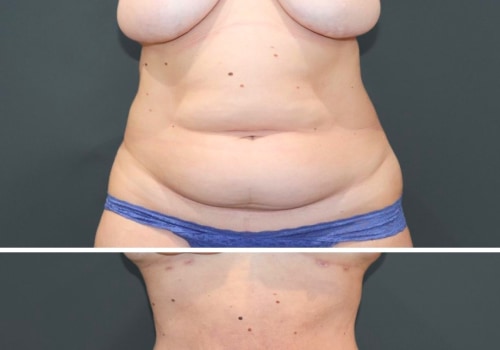
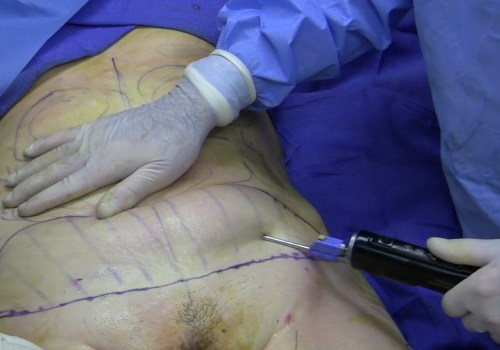
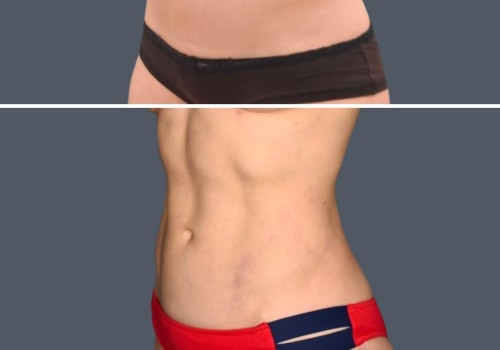
Liposuction is a surgical procedure designed to remove excess fat from specific areas of the body, including the abdomen, thighs, buttocks, and arms. This technique has gained immense popularity over the years as a method for achieving a more contoured physique. By targeting stubborn fat deposits that are resistant to diet and exercise, liposuction offers individuals a chance to enhance their body shape and boost their self-confidence. However, it is essential to understand that liposuction is not a weight-loss solution but rather a body contouring procedure.The process involves the use of a thin tube called a cannula, which is inserted through small incisions in the skin.
The surgeon then uses this cannula to suction out fat cells from the targeted areas. The procedure can be performed under local or general anaesthesia, depending on the extent of fat removal and the patient's preference. Recovery times vary, but many patients can return to their normal activities within a few weeks, making it an appealing option for those looking to improve their appearance without extensive downtime.When considering belly fat treatment optionsbelly fat treatment options, it is crucial to weigh the benefits and limitations of liposuction. While it can effectively remove localized fat deposits, it does not address underlying issues such as poor diet or lack of exercise.
Therefore, individuals seeking this procedure should have realistic expectations and understand that maintaining a healthy lifestyle post-surgery is vital for long-term results. In the following sections, we will delve deeper into how liposuction works specifically for belly fat and explore alternative treatments available for those looking to achieve their desired body shape.
The Popularity of Liposuction
Liposuction has witnessed a remarkable surge in popularity over the past few decades, becoming one of the most sought-after cosmetic procedures worldwide. According to the American Society of Plastic Surgeons, liposuction consistently ranks among the top five cosmetic surgical procedures performed annually, with over 250,000 procedures carried out in the United States alone in recent years. This trend is not limited to the U.Liposuction has witnessed a remarkable surge in popularity over the past few decades, becoming one of the most sought-after cosmetic procedures worldwide. According to the American Society of Plastic Surgeons, liposuction consistently ranks among the top five cosmetic surgical procedures performed annually, with over 250,000 procedures carried out in the United States alone in recent years. This trend is not limited to the U.S.; globally, the demand for liposuction has increased significantly, reflecting a broader cultural shift towards body positivity and aesthetic enhancement.Several factors contribute to the growing popularity of liposuction:
- Increased Awareness: The rise of social media platforms has played a pivotal role in raising awareness about cosmetic procedures. Influencers and celebrities often share their experiences with liposuction, normalising the conversation around body contouring and encouraging others to consider it as an option.
- Technological Advancements: Innovations in liposuction techniques, such as tumescent liposuction and laser-assisted methods, have made the procedure safer and more effective. These advancements have reduced recovery times and improved results, making it a more appealing choice for individuals looking to enhance their physique.
- Changing Beauty Standards: As societal norms evolve, there is an increasing acceptance of cosmetic surgery as a means to achieve desired body shapes. Many individuals now view liposuction not just as a luxury but as a viable option for achieving their ideal appearance.
- Desire for Quick Results: In our fast-paced world, many people seek immediate solutions to their body concerns.
Liposuction offers a relatively quick way to remove stubborn fat deposits that may not respond to diet and exercise alone, making it an attractive option for those looking for rapid transformation.
How Liposuction Works
Liposuction is a surgical procedure designed to remove excess fat from specific areas of the body, including the abdomen, thighs, buttocks, arms, and neck.Understanding how liposuction works is crucial for anyone considering this option for body contouring.The procedure typically begins with a consultation where the surgeon evaluates the patient’s health, discusses their goals, and determines if they are a suitable candidate for liposuction. During this initial meeting, patients should feel free to ask questions about the procedure, recovery time, and potential risks.On the day of the surgery, patients are usually given either local anaesthesia or general anaesthesia, depending on the extent of the procedure and the areas being treated. Once anaesthesia is administered, the surgeon makes small incisions in the targeted area. These incisions are strategically placed to minimise visible scarring.There are several techniques used in liposuction:
- Tumescent Liposuction: This is the most common technique where a solution containing saline, anaesthetic, and epinephrine is injected into the fatty tissue.
This solution helps to numb the area and reduce bleeding.
- Ultrasound-Assisted Liposuction (UAL): This method uses ultrasound waves to liquefy fat cells before they are removed. This can be particularly effective in areas with denser fat.
- Laser-Assisted Liposuction (LAL): Similar to UAL, this technique employs laser energy to melt fat cells, making them easier to suction out.
Recovery times vary; however, many individuals can return to light activities within a few days. Full recovery may take several weeks, during which it’s essential to follow post-operative care instructions provided by the surgeon.In summary, liposuction is a detailed procedure that requires careful planning and execution. By understanding how it works and what to expect during and after surgery, patients can make informed decisions about their body contouring journey.
Is Liposuction Effective for Belly Fat?
Liposuction has gained a reputation as a go-to solution for those seeking to eliminate stubborn belly fat. However, its effectiveness can vary significantly based on several factors.Understanding these factors is crucial for anyone considering this procedure.Firstly, it’s important to note that liposuction is not a weight-loss method. Instead, it is designed to sculpt and contour the body by removing localized fat deposits. For individuals who are already at or near their ideal weight but struggle with excess abdominal fat, liposuction can be particularly effective. Studies indicate that patients who maintain a healthy lifestyle post-procedure often experience satisfactory results.Another critical factor influencing the success of liposuction for belly fat is the patient’s skin elasticity.
Those with good skin elasticity may find that their skin retracts well after fat removal, leading to a smoother appearance. Conversely, individuals with loose or sagging skin may not achieve the desired results, as the skin may not conform properly to the new body contours.Moreover, the technique used during the procedure can also impact outcomes. There are various liposuction techniques available, such as tumescent liposuction and ultrasound-assisted liposuction, each with its own advantages and potential drawbacks. Consulting with a qualified plastic surgeon can help determine which method is best suited for your specific needs.Success rates for liposuction targeting belly fat are generally high, with many patients reporting significant improvements in their abdominal profile.
However, it’s essential to have realistic expectations. While liposuction can effectively remove fat cells from the abdomen, it does not prevent future weight gain in that area. Therefore, maintaining a balanced diet and regular exercise regimen post-surgery is vital for sustaining results.In conclusion, while liposuction can be an effective option for those struggling with stubborn belly fat, it is not a one-size-fits-all solution. Factors such as body weight, skin elasticity, and the chosen technique play significant roles in determining the overall effectiveness of the procedure.
Prospective patients should engage in thorough discussions with their surgeons to ensure they have a comprehensive understanding of what to expect from liposuction.
Recovery Process After Liposuction
Recovering from liposuction is a crucial phase that significantly impacts the overall results of the procedure. Understanding the recovery timeline and adhering to post-operative care guidelines can enhance healing and ensure optimal outcomes.Typically, the initial recovery period lasts about one to two weeks. During this time, patients may experience swelling, bruising, and discomfort in the treated areas. These symptoms are normal and should gradually subside as the body heals.Here’s a breakdown of what to expect:
- First 24-48 hours: Patients are advised to rest and limit physical activity. Pain medication may be prescribed to manage discomfort.
- Week 1: Most swelling peaks during this week. Patients should wear compression garments as instructed to help reduce swelling and support the healing process.
- Week 2: Many individuals return to light activities, but strenuous exercise should still be avoided. Follow-up appointments with the surgeon are essential to monitor progress.
- Weeks 3-6: As healing continues, patients can gradually resume normal activities.
However, high-impact exercises should be approached with caution until cleared by the surgeon.
- Follow your surgeon's instructions: Adhering to specific guidelines regarding medication, activity levels, and follow-up visits is crucial.
- Stay hydrated: Drinking plenty of water aids in recovery and helps reduce swelling.
- Maintain a balanced diet: Eating nutritious foods can support healing and overall well-being.
- Avoid smoking and alcohol: Both can hinder the healing process and increase complications.
Cost of Liposuction: What to Expect
When considering liposuction for belly fat, understanding the financial implications is crucial.The cost of liposuction in the UK can vary significantly based on several factors, and being informed can help you budget effectively for this procedure.On average, the price of liposuction in the UK ranges from £3,000 to £7,000. However, this figure can fluctuate based on various elements:
- Geographical Location: The cost of living in different regions can affect pricing. For instance, procedures in London tend to be more expensive than those in smaller towns or cities.
- Surgeon’s Experience: Highly experienced and reputable surgeons may charge more for their expertise. It’s essential to consider the surgeon’s qualifications and track record when evaluating costs.
- Type of Liposuction: There are various techniques available, such as tumescent liposuction, ultrasound-assisted liposuction, and laser-assisted liposuction.
Each method has its own cost structure based on the technology and expertise required.
- Extent of Treatment: The amount of fat being removed and the number of areas being treated will influence the overall price. More extensive procedures naturally incur higher costs.
- Facility Fees: The type of facility where the procedure is performed can also impact costs. Accredited surgical centres may charge more than outpatient clinics.
- Anesthesia Costs: Depending on whether local or general anesthesia is used, this can add to the total expense of the procedure.
Always consult with a qualified surgeon to get a detailed quote tailored to your specific needs and circumstances.
Frequently Asked Questions About Liposuction
When considering liposuction, many potential patients have a myriad of questions and concerns. Addressing these frequently asked questions can help demystify the procedure and provide clarity for those contemplating this body contouring option.- What is liposuction?
Liposuction is a cosmetic surgical procedure designed to remove excess fat deposits from specific areas of the body, including the abdomen, thighs, buttocks, and arms. It is not a weight-loss solution but rather a method to enhance body contours. - Is liposuction safe?
Like any surgical procedure, liposuction carries risks. However, when performed by a qualified and experienced surgeon, it is generally considered safe.Potential risks include infection, scarring, and complications related to anaesthesia. It’s crucial to discuss these risks with your surgeon during the consultation.
- Who is a good candidate for liposuction?
Ideal candidates are those who are at or near their target weight but struggle with stubborn fat deposits that do not respond to diet and exercise. Good skin elasticity and overall health are also important factors. - How long is the recovery period?
Recovery times can vary based on the extent of the procedure and individual healing rates. Generally, patients can expect to return to light activities within a few days but may need several weeks before resuming more strenuous activities. - Will the fat come back after liposuction?
While liposuction removes fat cells from targeted areas, it does not prevent new fat from accumulating if lifestyle changes are not maintained.A balanced diet and regular exercise are essential for sustaining results.
- Are there any myths about liposuction?
Yes, several myths surround liposuction. One common misconception is that it is a weight-loss method; however, it is intended for body contouring rather than significant weight reduction. Another myth is that liposuction can eliminate cellulite; in reality, it does not address skin texture issues.
Conclusion: Making an Informed Decision About Liposuction for Belly Fat
In conclusion, the decision to undergo liposuction for belly fat is not one to be taken lightly.Throughout this article, we have explored various facets of the procedure, including its effectiveness, potential risks, and the importance of setting realistic expectations. It is crucial to remember that while liposuction can significantly enhance body contours and remove stubborn fat deposits, it is not a substitute for a healthy lifestyle.Before making a decision, consider the following key points:
- Understanding the Procedure: Liposuction involves the surgical removal of fat cells through suction. It is essential to consult with a qualified plastic surgeon who can explain the process in detail and assess your suitability for the procedure.
- Realistic Expectations: While many patients experience positive outcomes, results can vary. Liposuction is not a weight-loss solution; rather, it is designed for those who are close to their ideal weight but struggle with specific areas of fat.
- Health Considerations: Prior to undergoing liposuction, it is vital to discuss your medical history with your surgeon.
Certain health conditions may increase the risks associated with surgery.
- Post-Operative Care: Recovery from liposuction requires time and adherence to post-operative instructions. Understanding what to expect during recovery can help you prepare mentally and physically.
- Alternative Options: Explore non-surgical alternatives such as diet and exercise or other body contouring procedures that may align better with your goals.