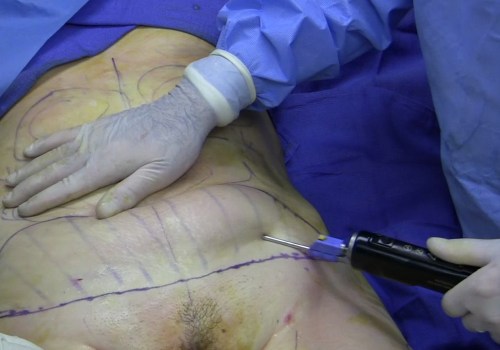
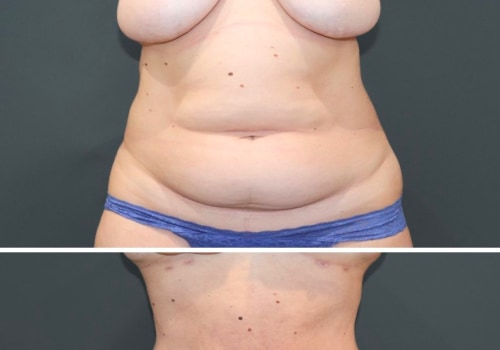
Liposuction has emerged as one of the most sought-after cosmetic procedures in recent years, captivating individuals across various age groups. This surgical technique is designed to remove stubborn fat deposits that resist diet and exercise, allowing patients to achieve a more contoured and aesthetically pleasing body shape. As societal standards of beauty evolve, the demand for liposuction continues to rise, with many people viewing it as a viable option to enhance their physical appearance and boost self-confidence.What makes liposuction particularly appealing is its versatility; it can be performed on multiple areas of the body, including the abdomen, thighs, arms, and even the neck. This adaptability has contributed to its popularity among both younger and older adults.
However, as with any surgical procedure, questions surrounding liposuction safety are paramount. Prospective patients often wonder whether their age might influence the risks associated with the procedure.While liposuction is frequently associated with middle-aged individuals seeking to combat the effects of aging, it is increasingly being considered by younger adults who wish to refine their body contours. This trend raises important discussions about the appropriateness of liposuction for different age demographics. Understanding how age impacts both the safety and effectiveness of liposuction is crucial for anyone contemplating this procedure.In this article, we will delve into the nuances of liposuction safety across various age groups, exploring how factors such as physical health, skin elasticity, and emotional readiness play a significant role in determining whether this popular cosmetic surgery is suitable for you.
By examining these elements closely, we aim to provide a comprehensive overview that empowers individuals to make informed decisions about their body image and surgical options.
What is Liposuction?
Liposuction
is a popular cosmetic surgical procedure designed to remove excess fat from specific areas of the body. It is often sought after by individuals looking to enhance their body contours and achieve a more sculpted appearance. While it is not a weight-loss solution, liposuction can effectively target stubborn fat deposits that are resistant to diet and exercise.The liposuction procedure typically involves the use of a thin tube called a cannula, which is inserted through small incisions in the skin. The surgeon then uses this cannula to suction out unwanted fat from the targeted areas.
The procedure can be performed under local or general anaesthesia, depending on the extent of fat removal and the patient's preference.There are several types of liposuction , each with its unique techniques and benefits:
- Tumescent Liposuction: This is the most common technique, where a solution containing saline, anaesthetic, and epinephrine is injected into the treatment area. This solution helps to numb the area and constrict blood vessels, reducing bleeding and swelling during the procedure.
- Ultrasound-Assisted Liposuction (UAL): This method uses ultrasound energy to liquefy fat cells before they are suctioned out. This technique can be particularly effective for fibrous areas of the body, such as the back or male breast tissue.
- Laser-Assisted Liposuction (LAL): Similar to UAL, this technique employs laser energy to melt fat cells, making them easier to remove. It also promotes skin tightening due to the heat generated by the laser.
- Suction-Assisted Liposuction (SAL): This traditional method involves directly suctioning out fat without any prior liquefaction.
It is effective for larger volumes of fat removal but may result in more bruising and swelling.
- Power-Assisted Liposuction (PAL): In this technique, a power-driven cannula is used to break up fat cells before suctioning them out. This method can reduce the physical effort required by the surgeon and may lead to quicker recovery times.
Age Considerations in Liposuction
When considering liposuction, age plays a significant role in determining both the safety and effectiveness of the procedure.Each age group presents unique challenges and considerations that must be addressed to ensure optimal outcomes.
Considerations for Younger Patients
For individuals in their late teens to early twenties, the decision to undergo liposuction should be approached with caution. While the procedure can yield excellent results due to the natural elasticity of younger skin, it is essential to evaluate whether it is truly necessary. Many young adults may benefit more from lifestyle changes, such as improved diet and exercise, rather than surgical intervention.Moreover, the bodies of younger patients are still developing. This means that undergoing liposuction too early could interfere with natural growth patterns and lead to unsatisfactory results.Therefore, it is generally recommended that patients be at least 18 years old before considering this procedure. In some cases, surgeons may advise waiting until the patient is in their early twenties to ensure that their body has fully matured.
Considerations for Older Patients
On the other end of the spectrum, older adults often face different challenges when contemplating liposuction. While there is no upper age limit for this procedure, older patients may have pre-existing health conditions that could complicate surgery. Conditions such as diabetes, heart disease, or hypertension can increase the risk of complications during and after the procedure.Additionally, older skin tends to lose elasticity over time, which can affect how well it retracts after fat removal.This means that while liposuction can still be effective for older adults, they may need to consider complementary procedures, such as skin tightening treatments or facelifts, to achieve their desired results.
Consultation and Individual Assessment
Regardless of age, a thorough consultation with a qualified plastic surgeon is crucial. During this assessment, the surgeon will evaluate the patient’s overall health, skin condition, and specific aesthetic goals. This personalised approach ensures that each patient receives tailored advice and treatment options that align with their unique circumstances.In conclusion, while liposuction can be performed on individuals across various age groups, it is vital to consider the specific factors associated with each demographic. By understanding these nuances and engaging in open discussions with healthcare professionals, patients can make informed decisions about their body contouring options.Liposuction for Younger Patients
When considering liposuction for younger patients, particularly teenagers and young adults, it is essential to understand the implications of undergoing such a procedure at a formative stage of life.The body undergoes significant changes during adolescence, and these changes can impact the outcomes of surgical interventions like liposuction.
Body Development Concerns
During the teenage years, individuals experience rapid physical development, including changes in body composition and fat distribution. This natural process can lead to fluctuations in weight and shape that may resolve over time without surgical intervention. Therefore, performing liposuction on someone whose body is still developing can be problematic. The removal of fat cells at this stage may not only affect the individual's natural growth patterns but could also lead to uneven results as the body continues to change.
Risks Associated with Liposuction in Young Adults
While liposuction is generally considered safe when performed by qualified professionals, younger patients may face specific risks.
These include:
- Infection: As with any surgical procedure, there is a risk of infection, which can be more pronounced in younger patients who may not fully understand post-operative care.
- Scarring: Younger skin tends to heal differently than older skin, and the potential for visible scarring should be taken into account.
- Changes in Sensitivity: Some patients may experience altered sensation in the treated areas, which can be distressing for younger individuals.
- Psychological Impact: The decision to undergo cosmetic surgery at a young age can have lasting psychological effects, including body image issues or regret.
Alternative Options for Younger Individuals
Before considering liposuction, it is advisable for younger patients to explore alternative methods for managing body weight and shape. These alternatives may include:
- Nutritional Guidance: Consulting with a nutritionist can help establish healthy eating habits that promote sustainable weight management.
- Exercise Regimens: Engaging in regular physical activity tailored to individual preferences can significantly improve body composition without the need for surgery.
- Counselling: For those struggling with body image issues, speaking with a mental health professional can provide support and guidance.
Liposuction for Older Adults
Liposuction can be a viable option for older adults seeking to enhance their body contours, but it is essential to approach the procedure with caution. As we age, our bodies undergo various changes that can impact both the safety and effectiveness of surgical interventions like liposuction.One of the primary considerations for older patients is the presence of pre-existing health conditions.Conditions such as diabetes , hypertension , and cardiovascular diseases can significantly increase the risks associated with surgery. These health issues may affect the body’s ability to heal, leading to complications such as infections or delayed recovery. Therefore, a thorough medical evaluation is crucial before proceeding with liposuction.In addition to health conditions, the skin's elasticity and healing capacity tend to decline with age. Older adults may experience less skin elasticity, which can affect how well the skin retracts after fat removal.
This can lead to a higher likelihood of visible scarring or uneven skin texture post-procedure. It is vital for older patients to have realistic expectations regarding their results and understand that while liposuction can remove stubborn fat deposits, it may not yield the same results as it would in younger individuals.
Recovery Considerations
The recovery process after liposuction can also differ for older adults compared to younger patients. Older individuals may require a longer recovery time due to slower healing processes. It is common for older patients to experience more pronounced swelling and bruising, which can extend the duration of discomfort following the procedure.To facilitate a smoother recovery, older patients should consider:- Pre-operative health optimisation: Engaging in a healthy lifestyle prior to surgery can improve overall health and enhance recovery.
- Post-operative care: Following the surgeon's instructions meticulously regarding rest, activity levels, and wound care is crucial.
- Support systems: Having family or friends available to assist during the initial recovery phase can be beneficial.
Consulting with a board-certified plastic surgeon who has experience working with older patients is essential for ensuring a safe and successful procedure.
Common Risks and Complications of Liposuction
Liposuction, while a popular cosmetic procedure, is not without its risks and potential complications. Understanding these risks is crucial for anyone considering the procedure, regardless of their age. Below are some of the common risks associated with liposuction:- Infection: As with any surgical procedure, there is a risk of infection at the incision sites. Proper post-operative care and hygiene are essential to minimise this risk.
- Scarring: Liposuction involves making incisions in the skin, which can lead to scarring.
The extent of scarring can vary based on individual healing processes and the skill of the surgeon.
- Fluid Accumulation: After liposuction, fluid can accumulate in the spaces where fat was removed, leading to seromas. These may require drainage if they become problematic.
- Changes in Sensation: Some patients may experience temporary or permanent changes in skin sensation in the treated areas. This can include numbness or heightened sensitivity.
- Uneven Results: Liposuction aims to create a smooth contour, but uneven fat removal can lead to irregularities in body shape. This may necessitate further procedures to correct.
- Blood Clots: There is a risk of developing blood clots in the legs (deep vein thrombosis) after surgery, which can be serious if they travel to the lungs (pulmonary embolism).
- Fat Embolism: In rare cases, fat particles can enter the bloodstream and cause blockages in blood vessels, leading to serious complications.
During the initial consultation, patients should discuss their medical history and any pre-existing conditions that could increase their risk of complications. Surgeons often take several safety measures to ensure a successful outcome:
- Pre-operative Assessment: A thorough evaluation of the patient's health status helps identify any potential risks before surgery.
- Anesthesia Monitoring: Continuous monitoring during the procedure ensures that any adverse reactions are promptly addressed.
- Post-operative Care Instructions: Patients receive detailed guidelines on how to care for their incisions and manage pain or discomfort after surgery.
Consultation: The First Step Towards Safe Liposuction
Before embarking on the journey of liposuction, it is crucial to understand that a comprehensive consultation is the first and most significant step towards ensuring a safe and successful procedure. This initial meeting serves as an opportunity for both the patient and the surgeon to discuss expectations, assess health conditions, and establish a tailored treatment plan.During the consultation, patients can expect a thorough evaluation of their medical history, including any pre-existing conditions, medications, and previous surgeries.This information is vital as it helps the surgeon determine if the patient is a suitable candidate for liposuction. Additionally, the surgeon will assess the areas of concern and discuss the patient's aesthetic goals.It is essential for patients to come prepared with questions to ensure they fully understand the procedure and its implications. Here are some important questions to consider asking:
- What qualifications do you have? Inquire about the surgeon's credentials, experience, and board certification in plastic surgery.
- What techniques do you recommend for my situation? Understanding the different types of liposuction techniques available can help patients make informed decisions.
- What are the potential risks and complications? Knowing what to expect in terms of risks can help patients weigh their options more effectively.
- What will my recovery process look like? Recovery times can vary significantly; understanding this can help patients plan accordingly.
- How many procedures have you performed? A surgeon's experience can greatly influence outcomes, so it's important to know their track record.
This relationship is essential for addressing any post-operative concerns and ensuring ongoing support throughout the recovery journey.
Realistic Expectations: What Liposuction Can Achieve
When considering liposuction, it is crucial for patients to have a clear understanding of what the procedure can realistically achieve. While liposuction is an effective method for removing stubborn fat deposits and enhancing body contours, it is not a miracle solution for weight loss or a substitute for a healthy lifestyle.One of the primary goals of liposuction is to sculpt the body by targeting specific areas where fat tends to accumulate. Common treatment areas include the abdomen, thighs, hips, arms, and neck. However, patients should understand that the results can vary significantly based on individual factors such as body type, skin elasticity, and overall health.Understanding Results
Patients often seek liposuction with the hope of achieving a slimmer silhouette.It is important to note that while liposuction can effectively remove fat cells, it does not guarantee a specific weight loss outcome. The amount of fat that can be safely removed during a single procedure is limited, typically ranging from 1 to 10 litres depending on the patient's health and the area being treated.Moreover, the final results of liposuction may take time to become fully apparent. Swelling and bruising are common post-operative effects that can obscure the initial results. Most patients will begin to see improvements within a few weeks, but optimal results may take several months as the body continues to heal and adjust.
Setting Realistic Expectations
To ensure satisfaction with the outcome, patients should engage in open discussions with their surgeon about their goals and expectations.Here are some key points to consider:
- Liposuction is not a weight-loss procedure: It is designed for body contouring rather than significant weight reduction.
- Skin elasticity matters: Younger patients with good skin elasticity may experience better results as their skin can more easily conform to new body shapes.
- Post-operative care: Following the surgeon's aftercare instructions is vital for achieving the best possible results.
- Realistic goals: Patients should aim for achievable changes rather than perfection; understanding that liposuction enhances but does not create an ideal body.
Alternatives to Liposuction: When Is It Not Suitable?
While liposuction is a popular choice for those looking to remove stubborn fat deposits, it is not always the most suitable option for everyone. There are various circumstances where individuals may want to consider alternatives to liposuction, particularly if they are seeking non-surgical methods or if their health conditions do not permit surgical intervention.Non-Surgical Fat Reduction Options
For those who prefer to avoid surgery, several non-invasive fat reduction techniques have gained popularity. These methods can effectively target unwanted fat without the need for anaesthesia or lengthy recovery times.Some of the most common alternatives include:
- Cryolipolysis (CoolSculpting) : This technique involves freezing fat cells, which then gradually die off and are naturally eliminated by the body. It is particularly effective for small areas of stubborn fat.
- Ultrasound Fat Reduction : This method uses ultrasound technology to break down fat cells. It is non-invasive and can be used on various body parts.
- Radiofrequency Treatments : These treatments use radiofrequency energy to heat and destroy fat cells while also tightening the skin. This dual action can improve body contouring results.
- Injection Lipolysis (Kybella) : This involves injecting a substance that dissolves fat cells in targeted areas, such as under the chin.
It is a minimally invasive option that requires no downtime.
When Liposuction May Not Be Suitable
There are specific scenarios where liposuction may not be the best choice:- Health Conditions : Individuals with certain medical conditions, such as cardiovascular disease, diabetes, or autoimmune disorders, may face increased risks during surgery. A thorough medical evaluation is essential before considering liposuction.
- Age Considerations : Younger patients may still be developing physically, making it crucial to assess whether their bodies are ready for such a procedure. Conversely, older patients may have skin that does not heal as well, leading to complications.
- Weight Management Goals : Liposuction is not a weight loss solution but rather a body contouring procedure. Those who are significantly overweight or have not yet achieved a stable weight through diet and exercise may be advised against it.
- Skin Elasticity : Patients with poor skin elasticity may not achieve optimal results from liposuction, as their skin may not retract properly after fat removal.
Consulting with a qualified plastic surgeon can help determine the most appropriate approach for achieving desired aesthetic goals.
Conclusion: Is Liposuction Safe for All Ages?
In summary, the question of whether liposuction is safe for individuals of all ages is complex and multifaceted. Throughout this article, we have explored various aspects of liposuction, including its suitability for different age groups, the importance of individual health assessments, and the potential risks and benefits associated with the procedure.It is clear that while liposuction can be performed on patients across a wide age spectrum, from young adults to seniors, several critical factors must be taken into account. For younger patients, particularly those under 18, the developmental stage of their bodies plays a significant role in determining whether they are suitable candidates for the procedure. In many cases, lifestyle changes such as improved diet and increased physical activity may yield better long-term results without the need for surgery.For older adults, while there is no upper age limit for undergoing liposuction, it is essential to consider their overall health status.Conditions such as diabetes, heart disease, and hypertension can increase the risk of complications during and after surgery. Additionally, older skin may not heal as effectively as that of younger individuals, which can lead to more noticeable scarring.Ultimately, the key takeaway is that liposuction should not be viewed merely as a quick fix for weight loss but rather as a body contouring option that requires careful consideration. Each patient’s unique circumstances—including their age, health history, and aesthetic goals—must be thoroughly evaluated by a qualified plastic surgeon.Before making any decisions regarding liposuction, it is advisable to engage in an open dialogue with a board-certified surgeon who can provide tailored advice based on individual needs. This professional guidance is crucial in ensuring that patients have realistic expectations and understand both the potential outcomes and risks involved.In conclusion, while liposuction can be a safe option for many individuals across different ages, it is imperative to approach this decision with caution and informed awareness.
With proper assessment and care, liposuction can indeed help individuals achieve their desired body shape and enhance their self-confidence.