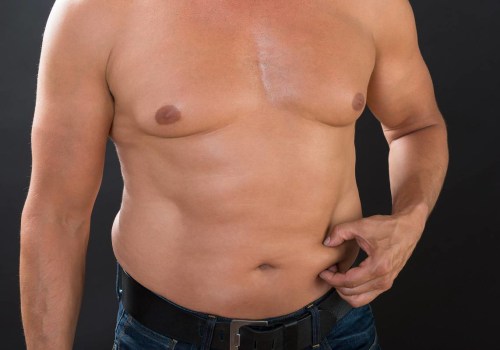
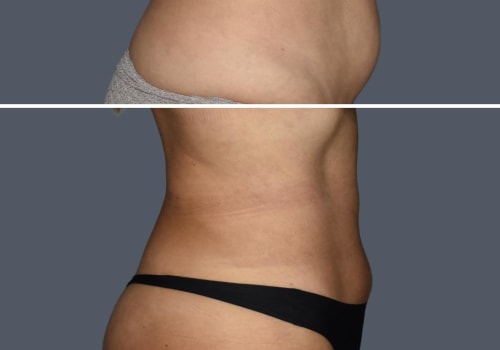
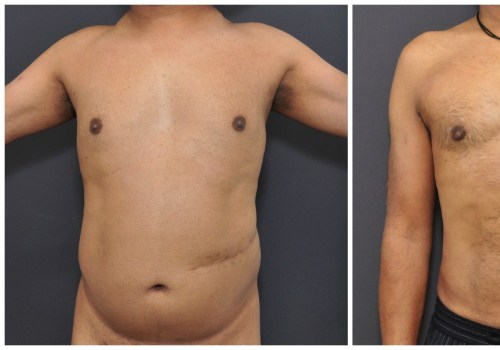
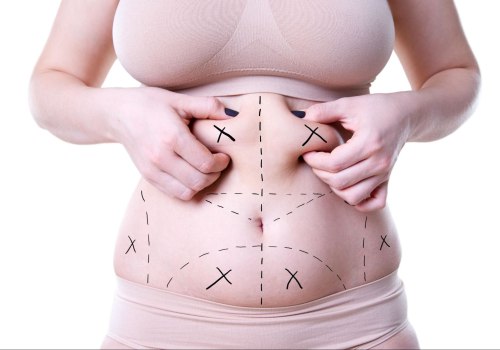
Liposuction, often referred to as lipoplasty or suction-assisted lipectomy, is a popular cosmetic surgical procedure designed to remove excess fat deposits from specific areas of the body. This technique is not merely a weight-loss solution; rather, it serves as a method for Liposuction, often referred to as lipoplasty or suction-assisted lipectomy, is a popular cosmetic surgical procedure designed to remove excess fat deposits from specific areas of the body. This technique is not merely a weight-loss solution; rather, it serves as a method for body contouring, allowing individuals to achieve a more sculpted appearance by targeting stubborn fat that resists diet and exercise. Understanding the intricacies of liposuction is essential for anyone considering this procedure, as it encompasses various techniques, potential benefits, and important considerations.The procedure typically involves the use of a thin tube called a cannula, which is inserted through small incisions in the skin. The cannula is then used to loosen and suction out fat from the underlying tissues. Liposuction, often referred to as lipoplasty or suction-assisted lipectomy, is a popular cosmetic surgical procedure designed to remove excess fat deposits from specific areas of the body. This technique is not merely a weight-loss solution; rather, it serves as a method for body contouring, allowing individuals to achieve a more sculpted appearance by targeting stubborn fat that resists diet and exercise. Understanding the intricacies of liposuction is essential for anyone considering this procedure, as it encompasses various techniques, potential benefits, and important considerations.The procedure typically involves the use of a thin tube called a cannula, which is inserted through small incisions in the skin. The cannula is then used to loosen and suction out fat from the underlying tissues.
Depending on the technique employed, liposuction can be performed under local or general anaesthesia, and advancements in technology have led to the development of methods such as tumescent liposuction, ultrasound-assisted liposuction (UAL), and laser-assisted liposuction (LAL). Each of these techniques offers unique advantages and may be more suitable for different body types and fat distribution patterns.While many people seek liposuction to enhance their physical appearance, it is crucial to approach this procedure with realistic expectations. Liposuction is not intended as a weight-loss strategy but rather as a means to refine body contours. Ideal candidates are typically those who are close to their target weight but struggle with localized fat deposits that do not respond to traditional weight loss methods.
As with any surgical intervention, understanding the risks and benefits associated with liposuction is vital for making an informed decision.
The Different Types of Liposuction Procedures
Liposuction has evolved significantly over the years, leading to the development of various techniques tailored to meet different patient needs and preferences. Understanding these types of liposuctiontypes of liposuction can help individuals make informed decisions about which method may be most suitable for their body contouring goals.Tumescent Liposuction
Tumescent liposuction is one of the most commonly performed techniques today. This method involves injecting a large volume of a saline solution mixed with local anaesthetic and epinephrine into the targeted fat areas before the actual suctioning process begins. The solution causes the fat cells to swell and become firm, making them easier to remove.This technique not only minimizes pain during the procedure but also reduces blood loss, leading to a quicker recovery time.
Ultrasound-Assisted Liposuction (UAL)
Ultrasound-assisted liposuction employs sound waves to liquefy fat cells before they are suctioned out. This technique is particularly effective for removing larger volumes of fat and is often used in areas that are more fibrous, such as the back or male breast tissue. The ultrasound energy helps break down the fat, making it easier to extract while also minimizing damage to surrounding tissues. Patients may experience a slightly longer recovery period compared to tumescent liposuction due to the additional energy used during the procedure.Laser Liposuction
Laser liposuction, also known as laser-assisted lipolysis, utilizes laser energy to melt away fat before it is removed.This method is less invasive than traditional liposuction and can be performed under local anaesthesia. The laser not only helps in fat removal but also promotes skin tightening by stimulating collagen production in the treated area. Patients often report less bruising and swelling with this technique, leading to a faster recovery time. However, it is essential to note that laser liposuction may not be suitable for larger areas of fat removal.Each type of liposuction has its unique advantages and considerations.
When choosing a method, it is crucial for patients to consult with a qualified plastic surgeon who can assess their individual needs and recommend the most appropriate technique based on their body type, desired outcomes, and overall health.When choosing a method, it is crucial for patients to consult with a qualified plastic surgeon who can assess their individual needs and recommend the most appropriate technique based on their body type, desired outcomes, and overall health.
Common Myths and Misconceptions About Liposuction
When considering liposuction, it is essential to navigate through the myriad of myths and misconceptions that often cloud public perception. Understanding the truth behind these beliefs can help potential patients make informed decisions about their body contouring options.Myth 1: Liposuction is a Weight Loss Solution
One of the most prevalent misconceptions is that liposuction serves as a primary method for weight loss. In reality, liposuction is not designed for significant weight reduction. Instead, it is a body sculpting procedure aimed at removing stubborn fat deposits that resist diet and exercise.
Ideal candidates are typically at or near their target weight but struggle with specific areas of fat accumulation.
Myth 2: Liposuction is Extremely Painful
Another common myth is that the procedure itself is excruciatingly painful. While some discomfort is expected during recovery, advancements in techniques and anaesthesia have significantly reduced pain levels associated with liposuction. Many patients report that the discomfort is manageable and often less than anticipated.
Myth 3: Liposuction Results are Permanent
Many believe that once fat is removed through liposuction, it will never return. However, this is misleading.
While the fat cells removed during the procedure do not regenerate, remaining fat cells can still expand if a healthy lifestyle is not maintained. Therefore, it is crucial for patients to adopt a balanced diet and regular exercise regimen post-surgery to sustain their results.
Myth 4: Anyone Can Get Liposuction
Liposuction may not be suitable for everyone. Individuals with certain health conditions or those who are significantly overweight may face increased risks during surgery. A thorough consultation with a qualified plastic surgeon will help determine if one is a good candidate for the procedure.
Myth 5: Liposuction Can Eliminate Cellulite
Many people mistakenly believe that liposuction can effectively treat cellulite.
However, cellulite is caused by structural changes in the skin and underlying tissue, which liposuction does not address. Alternative treatments specifically targeting cellulite may be more appropriate for those seeking to improve its appearance.By debunking these myths, individuals can approach liposuction with realistic expectations and a clearer understanding of what the procedure entails. It’s vital to consult with a certified plastic surgeon who can provide accurate information tailored to individual needs and goals.
Is Liposuction Safe? Understanding the Risks
When considering liposuction, one of the foremost concerns for potential patients is safety. Understanding the risks associated with this procedure is crucial for making an informed decision.While liposuction is generally regarded as a safe surgical option when performed by a qualified professional, it is not without its potential complications.One of the primary risks of liposuction includes infection. As with any surgical procedure, there is a possibility of bacteria entering the body during the operation, which can lead to serious complications if not addressed promptly. To mitigate this risk, it is essential to choose a surgeon who adheres to strict hygiene protocols and to follow all pre-operative and post-operative care instructions diligently.Another concern is the possibility of seroma , which is a collection of fluid that can accumulate in the area where fat was removed. This condition may require additional treatment or drainage.
Additionally, patients may experience numbness or altered sensation in the treated areas, which can be temporary or, in rare cases, permanent.
Scarring
is also a consideration; while surgeons strive to make incisions as discreet as possible, some degree of scarring is inevitable. The extent and visibility of scars can vary based on individual healing processes and the surgeon's technique.Moreover, if too much fat is removed during the procedure, it can lead to irregularities in skin texture, such as bumps or dents. This highlights the importance of having realistic expectations and understanding that liposuction is not a weight-loss solution but rather a body contouring procedure.To ensure safety during liposuction, selecting a board-certified plastic surgeon with extensive experience in performing this specific procedure is paramount. A thorough consultation will allow you to discuss your medical history, any underlying health conditions, and your aesthetic goals.
This dialogue will help your surgeon determine whether you are a suitable candidate for liposuction.In conclusion, while liposuction carries certain risks, many of these can be effectively managed through careful planning and by choosing a qualified surgeon. By adhering to post-operative care instructions and maintaining open communication with your healthcare provider, you can significantly enhance your safety and overall satisfaction with the procedure.
Who is a Good Candidate for Liposuction?
Determining whether you are a suitable candidate for liposuction involves understanding various factors that contribute to the overall success of the procedure. While liposuction can be an effective method for body contouring, it is not a universal solution for everyone. Here, we will explore the characteristics of ideal candidates and discuss factors that may disqualify individuals from undergoing this procedure.Ideal Candidates for Liposuction
- Stable Weight: Candidates should ideally be within 30% of their target weight.
Liposuction is not intended as a weight-loss method but rather as a means to remove stubborn fat deposits that resist diet and exercise.
- Good Skin Elasticity: Individuals with firm, elastic skin tend to achieve better results. If the skin has lost its elasticity due to age or significant weight loss, it may not retract properly after fat removal, leading to sagging.
- Realistic Expectations: A good candidate understands what liposuction can and cannot achieve. They should have realistic goals regarding body contouring and be aware that results may vary.
- Overall Health: Candidates should be in good health, without underlying medical conditions that could complicate surgery or recovery. Conditions such as heart disease, diabetes, or clotting disorders may disqualify individuals from being suitable candidates.
- No Smoking: Smoking can impede healing and increase the risk of complications.
Candidates are often advised to quit smoking several weeks before and after the procedure.
Factors That May Disqualify Individuals
- Obesity: Individuals who are significantly overweight may not be suitable candidates for liposuction. In such cases, weight loss through diet and exercise is typically recommended before considering surgical options.
- Poor Skin Quality: Those with loose or inelastic skin may not achieve the desired results, as the skin may not conform well to the new body contours.
- Uncontrolled Medical Conditions: Conditions that are not well-managed can pose serious risks during surgery. It is crucial for candidates to have any chronic conditions under control before considering liposuction.
- Pregnancy: Women who are pregnant or planning to become pregnant should postpone liposuction until after they have completed their family, as future pregnancies can alter the results.
The Recovery Process After Liposuction
Understanding the recovery processrecovery process after liposuction is crucial for anyone considering this procedure.While the results can be transformative, the journey to achieving those results involves a period of healing that varies from person to person. Here’s what you can expect during your recovery phase.
Initial Recovery Phase
Immediately following your liposuction procedure, you will likely experience some swelling, bruising, and discomfort in the treated areas. This is a normal part of the healing process. Most patients are advised to wear a compression garment for several weeks post-surgery, which helps reduce swelling and supports the healing tissues.Timeline for Healing
- First Week: During the first week, you may feel tired and sore.
It’s essential to rest and avoid strenuous activities. Pain medication prescribed by your surgeon can help manage discomfort.
- Two Weeks Post-Op: By this time, many patients return to light activities and work, depending on their job's physical demands. Swelling will begin to subside, but some residual swelling may persist.
- One Month: Most bruising should have faded significantly, and you may start to see the initial results of your liposuction. However, complete healing can take several months.
- Three to Six Months: The final results of liposuction become more apparent as swelling continues to diminish.
It’s important to maintain a healthy lifestyle during this time to enhance and sustain your results.
Post-Operative Care Tips
To ensure a smooth recovery, consider the following tips:- Follow Your Surgeon’s Instructions: Adhering to post-operative care guidelines is vital for optimal healing.
- Stay Hydrated: Drinking plenty of water aids in recovery and helps reduce swelling.
- Avoid Smoking: Smoking can impede blood flow and delay healing; it’s best to refrain from smoking during your recovery period.
- Gentle Movement: While rest is important, gentle walking can promote circulation and help prevent blood clots.
Liposuction vs. Other Body Contouring Options
When considering body contouring options, it is essential to understand how liposuction compares to other procedures, such as tummy tucks and non-surgical alternatives. Each method has its unique benefits and limitations, making it crucial for individuals to choose the right approach based on their specific needs and goals.Liposuction vs.
Tummy TuckLiposuction primarily focuses on removing stubborn fat deposits from various areas of the body, including the abdomen, thighs, and arms. It is particularly effective for individuals who are close to their ideal weight but struggle with localized fat that does not respond to diet and exercise.In contrast, a tummy tuck, or abdominoplasty, is designed to remove excess skin and fat from the abdominal area while also tightening the underlying muscles. This procedure is often recommended for individuals who have experienced significant weight loss or pregnancy, resulting in loose skin and weakened abdominal muscles.
- Fat Removal: Liposuction excels in fat removal, while a tummy tuck addresses skin laxity and muscle tone.
- Recovery Time: Recovery from liposuction is generally quicker than that of a tummy tuck, which may require a longer healing period due to the more invasive nature of the surgery.
- Scarring: Liposuction typically results in smaller scars compared to a tummy tuck, which involves a larger incision across the abdomen.
Non-Surgical Alternatives
For those hesitant about surgical options, there are several non-surgical body contouring treatments available. These include:- Cryolipolysis (CoolSculpting): This technique freezes fat cells, causing them to die off gradually.
It is non-invasive and requires no downtime but may not provide as dramatic results as liposuction.
- Ultrasound Therapy: This method uses sound waves to target and break down fat cells without surgery. It is suitable for those looking for subtle improvements.
- Radiofrequency Treatments: These treatments heat the skin's deeper layers to stimulate collagen production while reducing fat. They can improve skin texture but may not significantly reduce fat volume.
Real Patient Experiences: Testimonials and Results
When considering liposuction, many potential patients find it helpful to hear from those who have undergone the procedure.Real patient experiences can provide insight into the transformative effects of liposuction, as well as the emotional and physical journeys involved.
Sarah's Journey: From Self-Doubt to Confidence
At 34, Sarah had struggled with her body image for years. Despite maintaining a healthy lifestyle, she found herself frustrated by stubborn fat deposits on her abdomen and thighs. After extensive research and consultations, she decided to proceed with liposuction."The decision was not easy, but I felt empowered after my consultation with my surgeon. They explained the process thoroughly and addressed all my concerns," Sarah recalls.
Post-surgery, she experienced some discomfort but was pleasantly surprised by how manageable it was. "I was back to my normal routine within a few weeks, and the results were beyond what I had hoped for!"Sarah's before and after photos showcase a remarkable transformation, highlighting her newly contoured figure. "I feel like a new person; my confidence has soared!" she adds.
James's Experience: A New Lease on Life
James, a 45-year-old father of two, had always been active but found it increasingly difficult to shed weight in his midsection. After discussing his options with a plastic surgeon, he opted for liposuction to target his love handles and abdomen."I was nervous at first, but the staff made me feel comfortable throughout the entire process," James shares.
He noted that the recovery period was quicker than he anticipated. "I was back at work in no time, and I could see the changes almost immediately!"The results were life-changing for James. He reports feeling more energetic and engaged with his family activities. "Liposuction gave me the boost I needed to embrace a healthier lifestyle," he explains.
Emily's Testimonial: Embracing Change
Emily, 29, had always been self-conscious about her thighs.
After years of feeling uncomfortable in her own skin, she decided to explore liposuction as a solution. "I wanted to wear shorts without feeling embarrassed," she states.After her procedure, Emily was amazed at how quickly she saw results. "It was like magic! I could finally wear what I wanted without feeling insecure." Her journey didn't just stop at physical changes; it also sparked a newfound passion for fitness and self-care.These testimonials illustrate that liposuction can be more than just a cosmetic procedure; it can be a catalyst for personal transformation. Each patient's experience is unique, but common themes of empowerment and renewed confidence emerge from their stories.
If you are considering liposuction, hearing from those who have walked this path can provide valuable perspective as you embark on your own journey towards body positivity and self-acceptance.
Frequently Asked Questions About Liposuction
When considering liposuction, many individuals have questions that can significantly influence their decision-making process. Below are some of the most frequently asked questions regarding this popular cosmetic procedure.What is liposuction?
Liposuction is a surgical procedure designed to remove excess fat from specific areas of the body, such as the abdomen, thighs, buttocks, arms, and neck. It is not a weight-loss solution but rather a method for body contouring and sculpting.Who is a suitable candidate for liposuction?
Ideal candidates for liposuction are those who are at or near their target weight but struggle with stubborn fat deposits that do not respond to diet and exercise. Candidates should also be in good overall health, have realistic expectations, and be non-smokers.What are the different types of liposuction?
- Tumescent liposuction: This is the most common technique, where a solution containing saline, lidocaine, and epinephrine is injected into the treatment area to minimise pain and bleeding.
- Ultrasound-assisted liposuction (UAL): This method uses ultrasound waves to liquefy fat before it is removed, making it easier to extract.
- Laser-assisted liposuction (LAL): A laser is used to melt fat cells, which are then suctioned out.
This technique may also promote skin tightening.
What can I expect during recovery?
Recovery from liposuction varies by individual and the extent of the procedure. Generally, patients can expect some swelling, bruising, and discomfort in the treated areas. Most individuals can return to light activities within a few days but should avoid strenuous exercise for several weeks. Your surgeon will provide specific post-operative care instructions to ensure optimal healing.Are there any risks associated with liposuction?
As with any surgical procedure, there are risks involved with liposuction.Potential complications include infection, scarring, fluid accumulation, and changes in skin sensation. Choosing a qualified and experienced surgeon can help mitigate these risks.
How long do the results last?
The results of liposuction can be long-lasting if patients maintain a healthy lifestyle through proper diet and regular exercise. However, significant weight gain after the procedure can affect the results.If you have more questions about liposuction, it’s essential to consult with a qualified plastic surgeon who can provide personalised information based on your unique circumstances.Conclusion: The Realities of Liposuction Revealed
In conclusion, the journey through the world of liposuction reveals a complex interplay of facts and myths that can significantly influence an individual's decision-making process. Throughout this article, we have explored various aspects of liposuction, from its safety and effectiveness to the common misconceptions that often cloud public perception.It is essential to recognise that while liposuction can be a powerful tool for body contouring, it is not a magic solution for weight loss.The procedure is designed to target stubborn fat deposits that resist diet and exercise, making it an ideal option for those who are already at or near their ideal weight but wish to enhance their body shape. Understanding this distinction is crucial for setting realistic expectations.Moreover, the safety of liposuction cannot be overstated. When performed by a qualified and experienced plastic surgeon, the risks associated with the procedure are minimal. However, potential candidates must engage in thorough consultations to discuss their medical history and any underlying health issues that may affect their suitability for surgery.As we have discussed, common fears surrounding pain and recovery time are often exaggerated.
Advances in surgical techniques have made liposuction a more comfortable experience than many anticipate. Patients should be prepared for some discomfort during recovery, but with proper post-operative care and guidance from their surgeon, most individuals find the process manageable.Ultimately, informed decision-making is paramount when considering liposuction. Prospective patients should conduct comprehensive research, seek multiple opinions, and consult with reputable surgeons to ensure they are making choices that align with their health goals and personal circumstances.In summary, liposuction can offer transformative results for those who approach it with realistic expectations and a clear understanding of the procedure's implications. By separating fact from fiction, individuals can empower themselves to make choices that enhance not only their appearance but also their overall well-being.