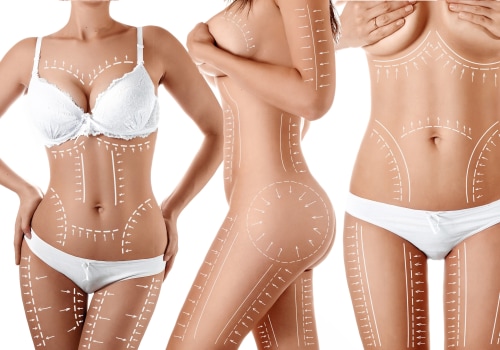
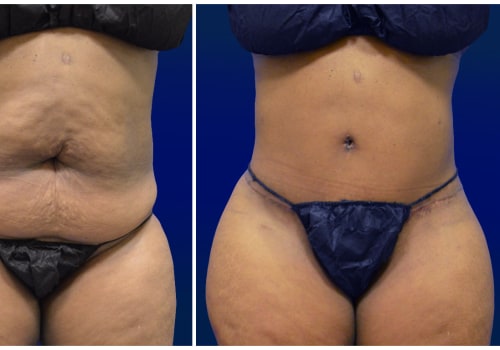
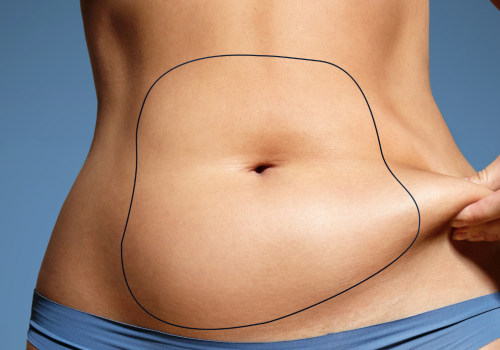
Liposuction is a popular cosmetic surgical procedure designed to remove stubborn fat deposits from specific areas of the body, helping individuals achieve a more contoured and aesthetically pleasing silhouette. Often referred to as lipoplasty or body contouring, this procedure is not intended for weight loss but rather for enhancing body shape by targeting localized fat that is resistant to diet and exercise. Understanding the fundamentals of liposuction is crucial for anyone considering this option, as it lays the groundwork for dispelling common myths and misconceptions surrounding the treatment.The liposuction procedure involves the use of a thin tube known as a cannula , which is inserted through small incisions in the skin. This cannula is then used to break up and suction out fat cells from the targeted areas, such as the abdomen, thighs, hips, arms, or neck.
The technique can vary depending on the specific method employed, including tumescent liposuction, ultrasound-assisted liposuction, or laser-assisted liposuction. Each method has its own advantages and may be chosen based on the patient's unique needs and desired outcomes.One of the key aspects of liposuction is its ability to provide immediate results that can significantly enhance an individual's self-image and confidence. However, it is essential to approach this procedure with realistic expectations. While liposuction can effectively reshape certain areas of the body, it does not serve as a substitute for a healthy lifestyle or a comprehensive weight loss plan.
Instead, it should be viewed as a complementary procedure that can help individuals refine their appearance after they have achieved their weight loss goals.In summary, liposuction is a targeted fat removal procedure that offers individuals the opportunity to sculpt their bodies in ways that may not be achievable through traditional weight loss methods alone. By understanding what liposuction entails and how it works, potential patients can make informed decisions about whether this procedure aligns with their aesthetic goals and overall health objectives.
Common Misconceptions About Liposuction
When considering liposuction, it is essential to separate fact from fiction. Many individuals harbour misconceptions that can lead to unrealistic expectations and potential disappointment. Here, we will explore some of the most prevalent myths surrounding liposuction.Myth 1: Liposuction is a Weight Loss Solution
One of the most common misconceptions is that liposuction serves as a method for significant weight loss.
In reality, liposuction is designed for body contouring rather than weight reduction. It effectively targets specific areas of stubborn fat that do not respond to diet and exercise. Therefore, it is not suitable for those who are significantly overweight or seeking to lose a large amount of weight.
Myth 2: Liposuction Can Eliminate Cellulite
Another widespread belief is that liposuction can remove cellulite. While liposuction can improve the overall appearance of certain areas, it does not specifically target cellulite.
Cellulite is caused by structural changes in the skin and underlying fat, which liposuction does not address. Patients looking to reduce the appearance of cellulite may need to consider other treatments.
Myth 3: Liposuction is Only for Women
Many people assume that liposuction is primarily a female procedure. However, this is far from the truth. Men also seek liposuction to address areas such as love handles, abdominal fat, and gynecomastia (enlarged male breast tissue).
The procedure can be beneficial for anyone looking to enhance their body shape, regardless of gender.
Myth 4: Results are Immediate and Permanent
While patients may notice changes soon after the procedure, it can take several weeks for swelling to subside and the final results to become apparent. Additionally, while the fat cells removed during liposuction do not return, maintaining a healthy lifestyle is crucial. If a patient gains weight after the procedure, remaining fat cells can expand, potentially altering the results.
Myth 5: Liposuction is a Quick Fix
Liposuction should not be viewed as a shortcut to achieving a healthy lifestyle. It is vital for patients to understand that this procedure complements a balanced diet and regular exercise rather than replacing them.
Long-term success relies on commitment to healthy habits post-surgery.By debunking these myths, potential patients can make informed decisions about whether liposuction aligns with their goals and expectations. Understanding the realities of this procedure is crucial for achieving satisfactory outcomes and enhancing overall well-being.
Who is a Suitable Candidate for Liposuction?
Determining whether you are a suitable candidate for liposuction involves several factors, including your overall health, body type, and specific aesthetic goals. Understanding these criteria can help you make an informed decision about whether this procedure is right for you.Age Considerations
While there is no strict age limit for undergoing liposuction, most candidates are typically adults aged 18 and older. Younger individuals may still be considered if they have reached physical maturity and have specific areas of stubborn fat that do not respond to diet and exercise.Conversely, older adults can also benefit from liposuction, provided they are in good health and have realistic expectations about the results.
Health Status
Your overall health plays a crucial role in determining your eligibility for liposuction. Ideal candidates should:- Be at or near their target weight, as liposuction is not a weight-loss solution.
- Have no underlying medical conditions that could complicate surgery, such as heart disease, diabetes, or blood clotting disorders.
- Be non-smokers or willing to quit smoking prior to the procedure, as smoking can impede healing.
Body Type and Fat Distribution
Liposuction is most effective for individuals with specific areas of localized fat that are resistant to diet and exercise. Ideal candidates often have:- A stable weight with minimal fluctuations over time.
- Good skin elasticity, which helps achieve smoother results post-surgery.
- A positive body image and realistic expectations regarding the outcomes of the procedure.
By understanding these criteria, you can better assess your own suitability for this popular cosmetic procedure.
The Liposuction Procedure: What to Expect
Understanding the liposuction procedure is crucial for anyone considering this cosmetic surgery. The journey begins with a comprehensive consultation, where the surgeon evaluates the patient’s medical history, discusses their aesthetic goals, and determines if they are a suitable candidate for the procedure.During the consultation, patients should expect to discuss:- Medical History: Any pre-existing conditions, medications, or allergies that could affect the surgery.
- Aesthetic Goals: Specific areas of concern and desired outcomes.
- Realistic Expectations: Understanding what liposuction can achieve and its limitations.
- Pre-Operative Instructions: Patients may be advised to avoid certain medications, smoking, or alcohol in the weeks leading up to surgery.
- Lab Tests: Blood tests or other evaluations to ensure safety during the procedure.
- Anesthesia: Patients are given either local or general anesthesia to ensure comfort throughout the procedure.
- Incision: Small incisions are made in discreet locations near the targeted fat deposits.
- Cannula Insertion: A thin tube called a cannula is inserted through the incisions.
The surgeon uses this tool to break up and suction out fat cells.
- Suctioning Fat: The surgeon carefully removes fat while sculpting the area for a more contoured appearance.
- Closing Incisions: Once the desired amount of fat is removed, incisions are closed with sutures or adhesive strips.
- Post-Operative Care: Following specific care instructions provided by the surgeon is essential for optimal healing.
- Activity Restrictions: Patients are usually advised to limit physical activity for a few weeks to allow proper healing.
- Follow-Up Appointments: Regular check-ups with the surgeon to monitor recovery progress and address any concerns.
Understanding these steps can help demystify the liposuction process and prepare potential patients for their journey towards achieving their body goals.
Liposuction Techniques: Different Methods Explained
Liposuction has evolved significantly over the years, leading to the development of various techniques that cater to different patient needs and preferences. Understanding these methods can empower individuals to make informed decisions about their body contouring journey.Tumescent Liposuction
Tumescent liposuction is one of the most commonly performed techniques today. This method involves the injection of a large volume of a saline solution mixed with local anaesthetic and epinephrine into the targeted fat areas before the actual suctioning process begins. The solution causes the fat cells to swell, making them easier to remove while minimising blood loss and post-operative pain.- Benefits: The primary advantages of tumescent liposuction include reduced discomfort during and after the procedure, lower risk of complications, and a quicker recovery time.
Patients often experience less bruising and swelling compared to traditional methods.
Ultrasound-Assisted Liposuction (UAL)
Ultrasound-assisted liposuction employs sound wave technology to liquefy fat cells before they are suctioned out. This technique is particularly effective for fibrous areas of the body, such as the back or male breast tissue, where traditional liposuction may struggle.- Benefits: UAL can lead to more precise fat removal and is often associated with less trauma to surrounding tissues. This results in a smoother contour and potentially less downtime for patients.
Power-Assisted Liposuction (PAL)
Power-assisted liposuction utilises a vibrating cannula that helps break up fat cells more efficiently. This technique allows for quicker fat removal and can be particularly beneficial in larger areas or when treating multiple zones in one session.- Benefits: The main advantage of PAL is its ability to reduce the physical effort required by the surgeon, which can lead to improved precision and reduced fatigue during lengthy procedures.
Laser-Assisted Liposuction (LAL)
Laser-assisted liposuction uses laser energy to melt fat before it is removed.This method can also stimulate collagen production, which may enhance skin tightening in the treated areas.
- Benefits: LAL is known for its minimal invasiveness and quicker recovery times. Patients often report less pain and swelling compared to traditional liposuction techniques.
Potential Risks and Complications of Liposuction
While liposuction is a popular cosmetic procedure, it is essential for potential patients to be aware of the risks and complications that may arise. Understanding these factors can help individuals make informed decisions about their body and health.One of the primary risks associated with liposuction is the possibility of infection.As with any surgical procedure, there is a chance that bacteria can enter the body through incisions made during the operation. Patients should be vigilant about post-operative care and follow their surgeon's instructions to minimise this risk.Another significant concern is the potential for blood clots. These can form in the legs and may travel to the lungs, leading to serious complications such as a pulmonary embolism. To reduce this risk, surgeons often recommend early mobilisation after surgery and may prescribe blood thinners.
Fluid accumulation
, or seroma, is another complication that can occur post-liposuction.
This happens when fluid builds up in the spaces where fat was removed. In some cases, this fluid may need to be drained by a healthcare professional.
Uneven results
are also a possibility. While liposuction aims to create a smooth and contoured appearance, there are instances where the results may not meet expectations due to uneven fat removal or skin elasticity issues. This can lead to irregularities in body shape, which may require additional procedures to correct.
Nerve damage
is another risk that patients should consider.
Although rare, it can occur during the procedure, leading to temporary or permanent changes in sensation in the treated areas.Additionally, some patients may experience skin necrosis , where skin tissue dies due to insufficient blood supply. This condition can lead to further complications and may require surgical intervention.To ensure a safe liposuction experience, it is crucial for patients to choose a qualified and experienced surgeon. They should also engage in thorough pre-operative consultations to discuss their medical history, expectations, and any concerns they may have.In conclusion, while liposuction can offer significant aesthetic benefits, it is vital for individuals to weigh these against the potential risks and complications. By being well-informed and taking necessary precautions, patients can enhance their chances of achieving satisfactory results while minimising adverse outcomes.
Maintaining Results After Liposuction
After undergoing liposuction, many patients are eager to maintain their newly contoured appearance.While the procedure effectively removes stubborn fat, it is essential to adopt a proactive approach to ensure lasting results. Here are some key strategies for maintaining your liposuction results through proper care and lifestyle choices.
Post-Liposuction Care
Immediately following your liposuction procedure, your body will require time to heal. Adhering to your surgeon's post-operative instructions is crucial for optimal recovery. This may include:- Wearing compression garments: These help reduce swelling and support the healing process.
- Avoiding strenuous activities: Refrain from heavy lifting or intense exercise for at least a few weeks.
- Staying hydrated: Drinking plenty of water aids in recovery and helps maintain skin elasticity.
- Regular follow-ups: Attend all scheduled appointments with your surgeon to monitor your progress.
Adopting a Healthy Diet
A balanced diet plays a pivotal role in maintaining the results of liposuction.Consider the following dietary tips:
- Focus on whole foods: Incorporate fruits, vegetables, lean proteins, and whole grains into your meals.
- Limit processed foods: Reduce intake of sugary snacks, fast food, and high-calorie beverages that can contribute to weight gain.
- Control portion sizes: Be mindful of serving sizes to avoid overeating, which can lead to fat accumulation.
- Plan meals: Preparing meals in advance can help you make healthier choices and avoid impulsive eating.
Incorporating Regular Exercise
Physical activity is essential for maintaining your liposuction results. Once you receive clearance from your surgeon, aim to incorporate both cardiovascular and strength-training exercises into your routine:- Cardiovascular exercises: Activities such as walking, jogging, cycling, or swimming can help burn calories and improve overall fitness.
- Strength training: Building muscle through resistance exercises can boost metabolism and help maintain a toned appearance.
- Aim for consistency: Establish a regular workout schedule that fits your lifestyle, aiming for at least 150 minutes of moderate aerobic activity each week.
Liposuction vs. Other Fat Reduction Methods
When considering options for fat reduction, it’s essential to understand the differences between liposuction and other methods such as CoolSculpting, as well as traditional diet and exercise.Each approach has its unique benefits and limitations, making it crucial for individuals to choose the method that aligns best with their goals.
Liposuction
Liposuction is a surgical procedure designed to remove stubborn fat deposits from specific areas of the body. It is particularly effective for individuals who are close to their ideal weight but struggle with localized fat that does not respond to diet or exercise. The procedure involves making small incisions through which a cannula is inserted to suction out fat cells. This method provides immediate results, and while recovery time varies, many patients can return to normal activities within a week.CoolSculpting
In contrast, CoolSculpting is a non-invasive fat reduction technique that employs cryolipolysis, a process that freezes fat cells.This method is ideal for those who prefer to avoid surgery and are looking for a less invasive option. The treatment typically lasts about an hour per session, and patients may require multiple sessions to achieve their desired results. While CoolSculpting does not provide immediate results like liposuction, the body gradually eliminates the frozen fat cells over several weeks, leading to a more natural appearance.
Diet and Exercise
Traditional methods such as diet and exercise remain foundational for overall health and weight management. While these approaches can lead to significant weight loss, they may not effectively target specific areas of stubborn fat.For many individuals, achieving a toned appearance through diet and exercise alone can be challenging, especially in areas like the abdomen or thighs.
Comparative Overview
- Liposuction: Surgical; immediate results; ideal for targeted fat removal.
- CoolSculpting: Non-invasive; gradual results; suitable for those avoiding surgery.
- Diet and Exercise: Non-invasive; foundational for health; may not target specific fat areas effectively.
Real Patient Experiences: Testimonials and Case Studies
Understanding the impact of liposuction goes beyond the clinical facts and figures; it is often best illustrated through the personal experiences of those who have undergone the procedure. Here, we share a selection of real patient testimonials and case studies that highlight both the emotional and physical transformations that can result from liposuction.Patient Testimonial: Sarah's Journey
Sarah, a 34-year-old mother of two, had struggled with stubborn fat deposits on her abdomen for years. Despite her efforts with diet and exercise, she found it challenging to regain her pre-pregnancy figure."I felt like I was doing everything right, but nothing seemed to work. I was frustrated and self-conscious about my body," she recalls.After extensive research and consultations with her surgeon, Sarah decided to proceed with liposuction. "The decision was not easy, but I wanted to feel confident in my skin again," she explains. Post-surgery, Sarah experienced some swelling and bruising, but within weeks, she began to see significant changes.
"I couldn't believe how different I looked! It was like a weight had been lifted off my shoulders—both physically and emotionally." Today, Sarah feels empowered and has embraced a healthier lifestyle, crediting liposuction for giving her the boost she needed.
Case Study: Mark's Transformation
Mark, a 45-year-old man who had battled with gynecomastia for most of his adult life, sought liposuction as a solution. "I was always embarrassed to take my shirt off at the beach or even in front of close friends," he shares. After consulting with a specialist, Mark learned that liposuction could effectively address his condition.The procedure was performed under local anaesthesia, allowing Mark to return home the same day. "The recovery was surprisingly quick; I was back to work in just a few days," he says.The results were life-changing for Mark. "I finally feel comfortable in my own skin. I can wear fitted shirts without feeling self-conscious!" His story illustrates how liposuction can significantly enhance self-esteem and quality of life.
Emotional Outcomes
Many patients report not only physical changes but also profound emotional benefits following their liposuction procedures. For instance, Lisa, a 29-year-old who underwent liposuction on her thighs, stated, "I never realised how much my body image affected my mental health until after the surgery.I feel more confident in social situations and have even started dating again!"These testimonials underscore the importance of considering both the physical and emotional aspects of liposuction. Each patient's journey is unique, but many find that the procedure not only reshapes their bodies but also transforms their lives.
<strong>Conclusion</strong>: The Reality of Liposuction Unveiled
In summary, the journey through the world of liposuction reveals a complex interplay of facts and misconceptions that can significantly influence a person's decision to undergo this procedure. It is crucial to approach liposuction with a well-informed mindset, understanding both its capabilities and limitations.Throughout this article, we have established that liposuction is not a miracle solution for weight loss. Instead, it serves as a targeted approach to eliminate stubborn fat deposits in specific areas of the body.This distinction is vital for potential patients to grasp, as it sets realistic expectations for the outcomes of the procedure.Moreover, we have highlighted that liposuction is not exclusively for women; men can also benefit from this procedure, particularly in addressing conditions like gynecomastia. This broadens the appeal of liposuction and underscores its versatility as a cosmetic option.Another key takeaway is the importance of maintaining a healthy lifestyle post-procedure. While liposuction can yield lasting results, it does not prevent future weight gain or fat accumulation if one does not adhere to a balanced diet and regular exercise. Therefore, patients must commit to ongoing health and wellness practices to sustain their results.Additionally, we discussed the surgical nature of liposuction, including the techniques involved and the recovery process.
Understanding what to expect during recovery can alleviate anxiety and help patients prepare adequately for their post-operative care.Ultimately, the decision to undergo liposuction should be made with careful consideration and consultation with a qualified plastic surgeon. By debunking common myths and presenting factual information, we hope to empower individuals to make informed choices about their bodies.In conclusion, while liposuction can be an effective tool for body contouring, it is essential to approach it with realistic expectations and an understanding of its role within a broader health and wellness framework. With the right mindset and preparation, patients can achieve their desired aesthetic goals while enhancing their overall confidence.