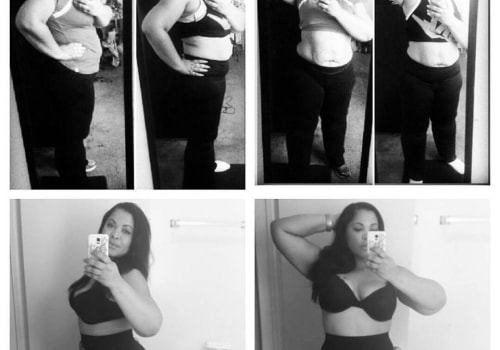
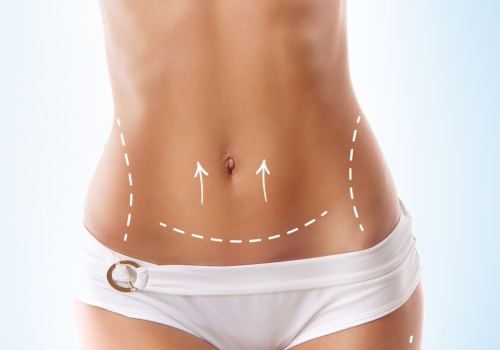
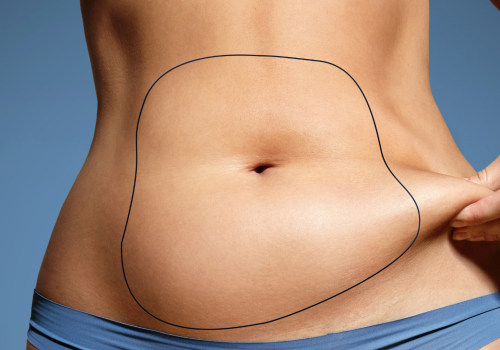
Liposuction is a popular cosmetic procedure designed to reshape and contour the body by removing excess fat deposits. Unlike traditional weight loss methods, such as dieting and exercise, which aim to reduce overall body weight, liposuction specifically targets stubborn fat areas that are resistant to these efforts. This makes it an appealing option for individuals who have achieved a stable weight but wish to enhance their body shape by eliminating localized fat.The liposuction procedure involves the use of a thin tube called a cannula, which is inserted through small incisions in the skin. The surgeon then uses this cannula to suction out fat from specific areas, such as the abdomen, thighs, buttocks, arms, and neck.
The procedure can be performed under local or general anaesthesia, depending on the extent of fat removal and the patient's preferences. Recovery times vary, but many patients can return to their normal activities within a few weeks.It is essential to understand that liposuction is not a weight-loss solution but rather a body contouring technique. While it can lead to a slimmer appearance and improved proportions, it does not address underlying lifestyle habits that contribute to weight gain. Therefore, individuals considering this procedure should have realistic expectations and be committed to maintaining a healthy lifestyle post-surgery.
This commitment is crucial for achieving long-lasting results and ensuring that the benefits of liposuction are not undone by future weight gain.
How Liposuction Works: The Science Behind the Procedure
Liposuction is a popular cosmetic procedure designed to remove excess fat from specific areas of the body, helping individuals achieve a more contoured appearance. Understanding how liposuction works is essential for anyone considering this treatment, as it involves various techniques and a detailed fat removal process.At its core, liposuction involves the use of a cannula, a thin tube that is inserted through small incisions in the skin. This cannula is used to suction out fat deposits from targeted areas. The procedure typically begins with the administration of anaesthesia, which can be local or general, depending on the extent of the treatment and the patient's preference.Different Techniques of Liposuction
There are several techniques employed in liposuction, each with its unique advantages:- Tumescent Liposuction:Tumescent Liposuction: This is the most common technique, where a solution containing saline, anaesthetic, and epinephrine is injected into the fatty tissue.
This solution helps to numb the area and constrict blood vessels, reducing bleeding and swelling during the procedure.
- Ultrasound-Assisted Liposuction (UAL): In this method, ultrasound energy is used to liquefy fat cells before they are suctioned out. This technique can be particularly effective for removing larger volumes of fat and is often used in areas with denser fat deposits.
- Laser-Assisted Liposuction (LAL): Similar to UAL, this technique uses laser energy to melt fat cells. The liquefied fat can then be easily removed through the cannula. LAL also promotes skin tightening due to the heat generated by the laser.
- Power-Assisted Liposuction (PAL): This technique employs a vibrating cannula that helps break up fat cells more efficiently, making it easier for the surgeon to remove them.
PAL can reduce the overall time of the procedure and improve patient comfort.
The Fat Removal Process
The actual fat removal process begins once the anaesthesia takes effect and the tumescent solution has been administered (if applicable). The surgeon makes small incisions in discreet locations to minimise scarring. The cannula is then inserted into these incisions and moved through the fatty tissue in a controlled manner.As the cannula moves back and forth, it breaks apart fat cells, which are then suctioned out through a connected vacuum device. The surgeon carefully sculpts the area to ensure an even distribution of fat removal, aiming for a natural-looking contour.After sufficient fat has been removed, the incisions are closed with sutures or adhesive strips.In conclusion, understanding how liposuction works—along with its various techniques and processes—can empower patients to make informed decisions about their body contouring options. It’s crucial to consult with a qualified plastic surgeon who can provide tailored advice based on individual needs and goals.After sufficient fat has been removed, the incisions are closed with sutures or adhesive strips.In conclusion, understanding how liposuction works—along with its various techniques and processes—can empower patients to make informed decisions about their body contouring options. It’s crucial to consult with a qualified plastic surgeon who can provide tailored advice based on individual needs and goals.
The Role of Liposuction in Weight Management
Liposuction is often misconceived as a straightforward solution for weight loss, but it is essential to clarify that this procedure primarily serves as a method for body contouring rather than a weight-loss strategy. While it effectively removes stubborn fat deposits from specific areas of the body, it does not fundamentally alter the body's metabolic processes or the way fat is stored and lost.Many individuals considering liposuction may wonder, can you lose weight after liposuction ? The answer is nuanced. Liposuction can help reshape your body by eliminating fat cells in targeted areas, which can enhance your overall appearance and boost self-confidence.However, it does not prevent future weight gain if a healthy lifestyle is not maintained. If a person continues to consume more calories than they expend, they can still gain weight, and this weight may accumulate in areas that were not treated during the procedure.It is crucial to understand that liposuction does not remove all fat cells from the body. Instead, it reduces the number of fat cells in the treated areas. This reduction can lead to a more sculpted appearance, but it does not guarantee that new fat cells will not develop elsewhere if unhealthy habits persist.
Therefore, patients must adopt a balanced diet and regular exercise regimen post-liposuction to manage their weight effectively.Moreover, the role of liposuction in weight management post-liposuction cannot be overstated. After undergoing the procedure, many patients find themselves motivated to maintain their results through healthier lifestyle choices. This motivation can stem from the desire to preserve their newly contoured figure and avoid regaining weight. However, it is vital for patients to approach this with realistic expectations; liposuction should be viewed as a complement to a healthy lifestyle rather than a replacement for it.In summary, while liposuction can significantly enhance body shape and boost confidence, it is not a magic bullet for weight loss.
Understanding its role in body contouring and its limitations regarding weight management is essential for anyone considering this procedure. By combining liposuction with ongoing commitment to healthful living, individuals can achieve lasting results and maintain their desired physique.
Factors Influencing Weight Loss After Liposuction
After undergoing liposuction, several factors can significantly influence your ability to lose weight and maintain your desired body shape. Understanding these factors is crucial for anyone considering the procedure, as they play a vital role in achieving long-term success.Metabolism
Your metabolism is the rate at which your body burns calories. After liposuction, some individuals may experience changes in their metabolic rate.Factors such as age, gender, and genetics can all impact how efficiently your body processes food and converts it into energy. For instance, as we age, our metabolism tends to slow down, making it more challenging to lose weight. Therefore, it is essential to consider how your metabolic rate may affect your weight loss journey post-liposuction.
Dietary Habits
The food you consume plays a pivotal role in weight management after liposuction. While the procedure removes fat cells from specific areas, it does not prevent new fat cells from forming if you consume more calories than you burn.To maintain your results and promote further weight loss, adopting a balanced diet rich in whole foods is vital. Focus on:
- Fruits and Vegetables: These are low in calories and high in nutrients, helping you feel full while providing essential vitamins.
- Lean Proteins: Foods like chicken, fish, beans, and legumes can help build muscle mass and boost metabolism.
- Whole Grains: Incorporating whole grains can provide sustained energy and keep you satiated longer.
Physical Activity Levels
Regular physical activity is another critical component of successful weight loss after liposuction. Engaging in both cardiovascular exercises and strength training can help maintain muscle mass while burning calories. Aim for at least 150 minutes of moderate aerobic activity each week, combined with two days of strength training.This not only helps in managing weight but also improves overall health and well-being.In conclusion, while liposuction can provide a significant boost to your body contouring goals, it is essential to recognise that maintaining a healthy lifestyle through proper diet and regular exercise is crucial for achieving lasting results. By understanding the factors that influence weight loss after the procedure, you can better prepare yourself for a successful journey towards your ideal body.
Psychological Aspects of Weight Loss After Liposuction
Undergoing liposuction can be a transformative experience, not just physically but also psychologically. The psychology of weight loss plays a crucial role in how patients perceive their bodies and their motivation to maintain a healthy lifestyle post-surgery. Understanding these psychological aspects is essential for achieving long-term success after the procedure.One significant factor is the shift in body image that often occurs after liposuction.Many patients report feeling more confident and satisfied with their appearance, which can lead to a positive feedback loop. This newfound confidence may motivate individuals to adopt healthier habits, such as improved diet and regular exercise. However, this is not universally the case; some patients may experience unrealistic expectations about their bodies post-surgery, leading to disappointment if they do not achieve the idealised image they envisioned.
Motivation after liposuction
can be influenced by several psychological factors:
- Expectations: Patients who have realistic expectations about the outcomes of liposuction are more likely to maintain their results. Those who view the procedure as a quick fix may struggle with motivation once the initial excitement fades.
- Support Systems: Having a strong support network can significantly impact a patient’s motivation.
Friends and family who encourage healthy behaviours can help reinforce positive changes.
- Self-Perception: How individuals view themselves post-surgery can affect their willingness to engage in healthy behaviours. A positive self-image can lead to better choices, while negative feelings about one’s body may result in unhealthy coping mechanisms.
By understanding how mindset influences behaviour and body image, patients can better navigate their post-operative journey and enhance their chances of achieving lasting results.
Maintaining Results: Tips for Successful Weight Management Post-Liposuction
After undergoing liposuction, many patients find themselves at a crossroads regarding their weight management. While the procedure can significantly enhance body contours, maintaining those results requires commitment and lifestyle adjustments. Here are some practical tips to help you successfully manage your weight post-liposuction.1.Adopt a Balanced Diet
One of the most effective ways to maintain your results is by adopting a balanced diet. Focus on incorporating:- Fruits and Vegetables: Aim for a variety of colours on your plate, as different fruits and vegetables provide essential vitamins and minerals.
- Whole Grains: Choose whole grains over refined options to increase fibre intake, which aids digestion and keeps you feeling full longer.
- Lean Proteins: Include sources like chicken, fish, beans, and legumes to support muscle maintenance and repair.
- Healthy Fats: Opt for sources such as avocados, nuts, and olive oil, which can help you feel satiated without excess calories.
2.Stay Hydrated
Drinking plenty of water is crucial for overall health and can aid in weight management.Aim for at least 2 litres of water daily. Staying hydrated helps control hunger and supports metabolic processes.
3.Regular Exercise
Incorporating regular physical activity into your routine is vital for maintaining your weight after liposuction. Consider the following:- Aerobic Activities: Engage in activities like walking, jogging, cycling, or swimming at least 150 minutes per week to burn calories effectively.
- Strength Training: Include strength training exercises at least twice a week to build muscle mass, which can increase your resting metabolic rate.
- Flexibility and Balance Exercises: Incorporate yoga or Pilates to improve flexibility and core strength, which can enhance overall fitness.
4.Monitor Your Progress
Keeping track of your weight and dietary habits can help you stay accountable. Consider using a journal or an app to log your meals and exercise routines.Regularly weighing yourself can also provide insight into any fluctuations that may require adjustments in your lifestyle.
5.Set Realistic Goals
Avoid setting overly ambitious weight loss goals post-liposuction. Instead, focus on maintaining your current weight or making gradual changes that promote long-term health. Celebrate small victories along the way to stay motivated.In conclusion, while liposuction can provide a significant boost to your body image, the key to maintaining those results lies in adopting a healthy lifestyle. By focusing on balanced nutrition, regular exercise, hydration, and self-monitoring, you can enjoy the benefits of your procedure for years to come.Common Myths About Weight Loss After Liposuction
When considering liposuction, many individuals are often influenced by various myths and misconceptions that can cloud their understanding of the procedure and its outcomes.It is crucial to debunk these myths to ensure that potential patients have realistic expectations regarding weight loss after liposuction.
- Myth 1: Liposuction is a Weight Loss Solution
One of the most prevalent misconceptions is that liposuction is a method for significant weight loss. In reality, liposuction is primarily a body contouring procedure designed to remove stubborn fat deposits from specific areas of the body. It is not intended for those who are significantly overweight or as a substitute for a healthy diet and exercise. - Myth 2: You Can Eat Whatever You Want After Liposuction
Some believe that after undergoing liposuction, they can return to unhealthy eating habits without consequences. This is far from the truth.While liposuction removes fat cells from targeted areas, it does not prevent new fat cells from forming if caloric intake exceeds expenditure. Maintaining a balanced diet is essential for preserving results.
- Myth 3: Liposuction Results Are Permanent
Another common myth is that the results of liposuction are permanent regardless of lifestyle choices post-procedure. While the fat cells removed during the procedure do not return, it is still possible to gain weight in other areas if one does not maintain a healthy lifestyle. Therefore, ongoing commitment to fitness and nutrition is vital. - Myth 4: Liposuction Can Target Specific Areas of Weight Loss
Many people think that liposuction can selectively reduce weight in specific areas, leading to an overall slimmer appearance.However, liposuction only removes fat from the treated areas; it does not affect overall body weight or fat distribution elsewhere.
Real Patient Experiences: Success Stories and Challenges
Understanding the journey of those who have undergone liposuction can provide invaluable insights into the procedure's potential benefits and challenges. Here, we share real patient experiences that highlight both the successes and the hurdles faced after surgery.Success Stories
Many patients report transformative experiences following their liposuction procedures.For instance, Sarah, a 34-year-old mother of two, shared her story of regaining confidence. After struggling with stubborn fat deposits around her abdomen, she decided to undergo liposuction. "The results were immediate and life-changing. I felt like I had my body back," she said.
Sarah noted that the procedure motivated her to adopt healthier lifestyle choices, including regular exercise and a balanced diet.Another patient, Mark, a 45-year-old fitness enthusiast, had liposuction on his love handles. He expressed satisfaction with the results, stating, "It was the final touch I needed to achieve my ideal physique. I was already working out regularly, but this helped me eliminate fat that wouldn’t budge no matter how hard I tried." Mark’s experience illustrates how liposuction can complement an existing fitness regimen.
Challenges Faced
However, not all experiences are entirely positive. Many patients encounter challenges post-surgery that can affect their overall satisfaction.For example, Lisa, a 29-year-old who underwent liposuction on her thighs, faced unexpected skin elasticity issues. "I didn’t realise how much my skin would sag after the fat was removed," she explained. This experience highlights the importance of discussing skin elasticity with a surgeon prior to the procedure.Additionally, some patients struggle with maintaining their results. Tom, a 50-year-old who had liposuction on his abdomen, admitted that he found it difficult to stick to a healthy diet afterwards.
"I thought I could indulge a bit more since I had liposuction, but I quickly realised that old habits die hard," he shared. This underscores the necessity of a committed lifestyle change following surgery to sustain results.In conclusion, while many patients enjoy significant benefits from liposuction, it is crucial to approach the procedure with realistic expectations and an understanding of potential challenges. Engaging with real patient stories can help prospective candidates prepare for their own journeys.
Consultation with a Plastic Surgeon: What to Discuss Before Liposuction
When considering liposuction, the consultation with a plastic surgeon is a crucial step in the journey towards achieving your desired body shape. This meeting is not just a formality; it is an opportunity for you to gather essential information and for the surgeon to understand your goals and expectations.Here are some key topics to discuss during your consultation:
- Your Goals and Expectations: Clearly articulate what you hope to achieve with liposuction. Discuss specific areas of concern and desired outcomes. This helps the surgeon assess whether your expectations are realistic and achievable.
- Surgeon’s Experience: Inquire about the surgeon's qualifications, experience, and track record with liposuction procedures. Ask how many surgeries they have performed and request to see before-and-after photos of previous patients.
- Procedure Details: Understand the specifics of the liposuction procedure, including the techniques that will be used, the expected duration of surgery, and whether it will be performed under local or general anaesthesia.
- Recovery Process: Discuss what to expect during recovery, including potential side effects, pain management, and how long it will take before you can return to normal activities.
Knowing this information can help you prepare mentally and physically for the post-operative phase.
- Risks and Complications: Every surgical procedure carries risks. Ask your surgeon about potential complications associated with liposuction, such as infection, scarring, or uneven results. Understanding these risks will help you make an informed decision.
- Cost and Financing Options: Liposuction can be a significant financial investment. Discuss the total cost of the procedure, including any additional fees for anaesthesia or facility use.
Inquire about financing options if needed.
- Post-Operative Care: Ask about the follow-up care required after surgery. This includes any necessary appointments for monitoring your recovery and when you should start seeing results.
By engaging in open dialogue with your plastic surgeon, you can ensure that both parties are aligned on expectations and outcomes, ultimately leading to greater satisfaction with your liposuction results.
<strong>Conclusion</strong>: The Path to Successful Weight Management After Liposuction
In conclusion, the journey towards effective weight management after liposuction is multifaceted and requires a commitment to a healthy lifestyle. While liposuction serves as a powerful tool for body contouring, it is crucial to understand that it is not a standalone solution for weight loss. The procedure can remove stubborn fat deposits, enhancing your body shape and boosting your confidence, but it does not eliminate the need for ongoing effort in maintaining a balanced diet and regular exercise.As discussed, one of the primary misconceptions surrounding liposuction is that it guarantees permanent weight loss. In reality, the procedure only reduces the number of fat cells in specific areas.If you do not adopt healthier habits post-surgery, there is a risk of regaining weight, particularly if you consume more calories than you expend. This underscores the importance of viewing liposuction as part of a broader strategy for achieving and maintaining your desired physique.To ensure long-term success after liposuction, consider the following key strategies:
- Set Realistic Goals: Understand that while liposuction can help you achieve your desired shape, it should be complemented by realistic weight management goals.
- Adopt a Balanced Diet: Focus on consuming whole foods rich in nutrients. Incorporate plenty of fruits, vegetables, lean proteins, and whole grains into your meals.
- Engage in Regular Physical Activity: Aim for at least 150 minutes of moderate aerobic activity each week, along with strength training exercises to build muscle and boost metabolism.
- Stay Hydrated: Drinking sufficient water can help control hunger and support overall health.
- Monitor Your Progress: Keep track of your weight and body measurements to stay accountable and make necessary adjustments to your lifestyle.
Remember, achieving your ideal body is not just about the procedure itself; it’s about fostering habits that promote long-term health and well-being.