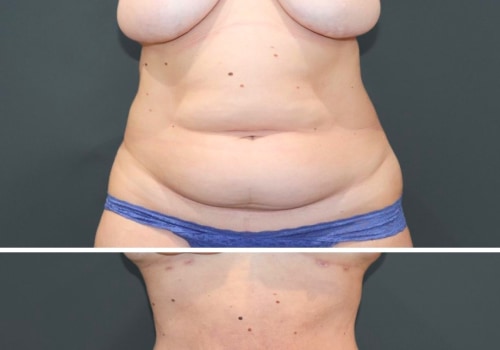
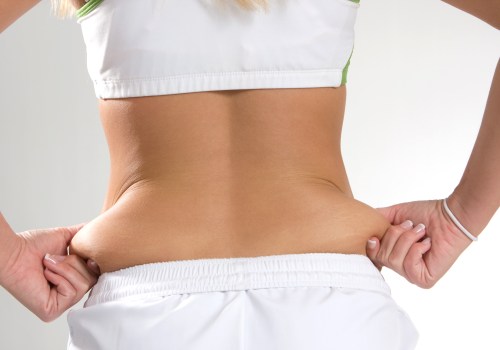
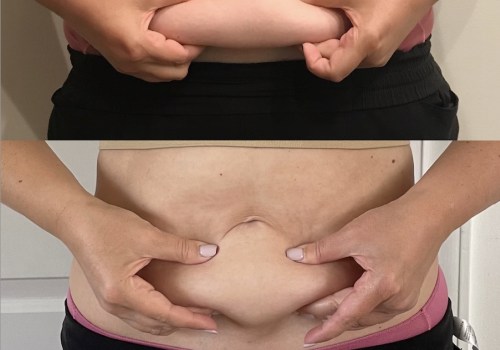
For many individuals, the journey towards achieving their ideal body shape can be fraught with challenges, particularly for plus-size patients. The desire to enhance one’s appearance often leads to the consideration of cosmetic procedures such as tummy tuckstummy tucks and liposuction. These surgical options are designed to address excess skin and stubborn fat deposits, providing a pathway to a more contoured silhouette. However, the landscape of cosmetic surgery is evolving, and it is essential to understand how these procedures can be tailored specifically for those who identify as plus-size.Traditionally, there has been a misconception that only individuals within a certain weight range are suitable candidates for tummy tucks and liposuction.
This belief can deter many from exploring their options. In reality, advancements in surgical techniques and a growing understanding of body diversity have opened doors for plus-size patients seeking these transformative procedures. A tummy tuck, or abdominoplasty, not only removes excess skin but also tightens abdominal muscles, which can be particularly beneficial for those who have experienced significant weight fluctuations.Liposuction, on the other hand, is often viewed as a complementary procedure that can enhance the results of a tummy tuck by targeting specific areas of fat that may not respond to diet and exercise alone. For plus-size patients, liposuction can be performed safely and effectively, allowing for a more sculpted appearance without the need for drastic weight loss beforehand.
Understanding the interplay between these two procedures is crucial for anyone considering body contouring options.As we delve deeper into the specifics of tummy tucks and liposuction for plus-size patients, it is vital to consider not only the physical aspects but also the emotional and psychological impacts of these surgeries. The decision to undergo cosmetic surgery is deeply personal and should be approached with careful consideration and professional guidance. By exploring the benefits, risks, and recovery processes associated with these procedures, plus-size patients can make informed choices that align with their goals and aspirations.
What is a Tummy Tuck?
A tummy tuck, medically known as abdominoplasty, is a cosmetic surgical procedure designed to enhance the appearance of the abdomen. This procedure is particularly beneficial for individuals who have experienced significant weight loss, pregnancy, or aging, which can lead to excess skin and weakened abdominal muscles.The primary purpose of a tummy tuck is to remove excess skin and fat from the abdominal area while tightening the underlying muscles.This results in a flatter, firmer abdomen and can significantly improve body contour. The procedure is not intended as a weight-loss solution but rather as a means to achieve a more toned appearance after substantial changes in body shape.
How is a Tummy Tuck Performed?
The tummy tuck procedure typically involves several key steps:- Consultation: Before the surgery, patients meet with their surgeon to discuss their goals, medical history, and any concerns. This is an essential step to ensure that the patient is a suitable candidate for the procedure.
- Anesthesia: On the day of the surgery, patients are given anesthesia to ensure comfort during the procedure. This may be general anesthesia or local anesthesia with sedation, depending on the complexity of the surgery.
- Incision: The surgeon makes an incision along the lower abdomen, typically from hip to hip.
The exact placement of the incision may vary based on individual anatomy and the extent of correction needed.
- Muscle Repair: If necessary, the surgeon tightens the abdominal muscles by suturing them together. This step helps create a more defined waistline and improves core strength.
- Skin Removal: Excess skin and fat are removed from the abdominal area. The remaining skin is then pulled down and stitched into place.
- Closure: The incisions are closed with sutures or staples, and dressings are applied to aid in healing.
Expected Outcomes and Benefits
The results of a tummy tuck can be transformative. Patients often report feeling more confident in their appearance and are able to wear clothing that they previously avoided due to excess skin or fat.Some of the key benefits include:
- Improved Abdominal Contour: A flatter and more toned abdomen enhances overall body proportions.
- Tightened Muscles: Strengthening of abdominal muscles can lead to better posture and core stability.
- Boosted Self-Esteem: Many patients experience increased confidence and satisfaction with their body image post-surgery.
- Long-Lasting Results: With a healthy lifestyle, results from a tummy tuck can be long-lasting, providing enduring benefits for many years.
Understanding Liposuction: A Complementary Procedure
Liposuction is a popular cosmetic procedure that can significantly enhance the results of a tummy tuck, especially for plus-size patients. This technique involves the removal of excess fat deposits from specific areas of the body, helping to sculpt and contour the physique. Understanding how liposuction works and its benefits can provide valuable insights for those considering a tummy tuck.How Liposuction Works
Liposuction is performed using various techniques, including tumescent liposuction, ultrasound-assisted liposuction (UAL), and laser-assisted liposuction (LAL).
During the procedure, a local anaesthetic is typically administered to ensure patient comfort. A small incision is made in the targeted area, through which a thin tube called a cannula is inserted. The cannula is used to suction out fat cells, resulting in a more contoured appearance.
Benefits of Liposuction for Plus-Size Patients
- Targeted Fat Removal: Liposuction allows for precise fat removal from areas that may be resistant to diet and exercise, such as the abdomen, thighs, and arms. This targeted approach can help create a more balanced body shape.
- Enhanced Tummy Tuck Results: When combined with a tummy tuck, liposuction can improve the overall aesthetic outcome.
By removing excess fat before the tummy tuck procedure, surgeons can achieve a flatter abdomen and smoother contours.
- Boosted Confidence: Many plus-size patients report increased self-esteem and body confidence after undergoing liposuction. The procedure can help individuals feel more comfortable in their skin and enhance their quality of life.
- Minimal Scarring: The incisions made during liposuction are typically small, leading to minimal scarring compared to other surgical procedures. This is particularly beneficial for plus-size patients who may be concerned about visible scars.
Combining Liposuction with a Tummy Tuck
For many plus-size patients, combining liposuction with a tummy tuck can yield transformative results. While a tummy tuck primarily focuses on removing excess skin and tightening abdominal muscles, liposuction complements this by addressing stubborn fat deposits.
This combination not only enhances the overall silhouette but also contributes to a more youthful and toned appearance.In conclusion, liposuction serves as an effective complementary procedure for plus-size patients considering a tummy tuck. By understanding its benefits and how it works, individuals can make informed decisions about their body contouring options and achieve their desired aesthetic goals.
Who is a Good Candidate for a Tummy Tuck?
Determining whether a plus-size patient is a suitable candidate for a tummy tuck involves a comprehensive evaluation of various factors. While many individuals may assume that being overweight disqualifies them from this procedure, the reality is more nuanced. Here are some key criteria that can help assess candidacy:- Overall Health: A thorough medical evaluation is essential.
Candidates should be in good health, with no underlying conditions that could complicate surgery or recovery. Conditions such as diabetes, heart disease, or respiratory issues may require additional consideration.
- Weight Stability: It is crucial for candidates to have maintained a stable weight for at least six months prior to surgery. Significant fluctuations in weight can affect the results of the tummy tuck and increase the risk of complications.
- BMI Considerations: While there is no strict upper limit for Body Mass Index (BMI) regarding tummy tuck eligibility, most surgeons prefer candidates with a BMI below 35. Those with higher BMIs may face increased risks during surgery and recovery.
- Skin Elasticity: The condition of the skin plays a vital role in determining candidacy. Patients with good skin elasticity may achieve better results, as the skin can adapt more effectively after excess fat and skin are removed.
- Realistic Expectations: Candidates should have realistic expectations about the outcomes of the procedure.
A tummy tuck is not a weight-loss solution but rather a body contouring procedure designed to enhance appearance.
- Commitment to Healthy Lifestyle: A commitment to maintaining a healthy lifestyle post-surgery is essential for long-term success. This includes regular exercise and a balanced diet to support overall health and prevent future weight gain.
The Importance of Weight Management Before Surgery
Before undergoing any surgical procedure, particularly a tummy tuck, it is crucial to consider the role of weight managementweight management.Maintaining a healthy weight not only enhances the safety of the surgery but also significantly influences the overall outcomes and recovery process.Excess weight can complicate surgical procedures in various ways. For instance, patients with a higher body mass index (BMI) may face increased risks of complications such as infections, delayed healing, and adverse reactions to anaesthesia. Therefore, achieving a stable and healthy weight prior to surgery can mitigate these risks and lead to a smoother surgical experience.Moreover, studies have shown that patients who engage in pre-surgery weight loss often experience better results. Weight loss can lead to:
- Reduced surgical risks: Lowering your weight can decrease the likelihood of complications during and after surgery.
- Improved healing: A healthier body is more capable of healing efficiently post-surgery, leading to quicker recovery times.
- Enhanced aesthetic results: Achieving a more optimal weight can help surgeons perform the procedure more effectively, resulting in better contouring and overall satisfaction with the results.
This includes:
- Balanced nutrition: Focus on a diet rich in fruits, vegetables, lean proteins, and whole grains. This not only aids in weight management but also provides essential nutrients that support recovery.
- Regular exercise: Incorporating physical activity into your routine can help burn calories and build muscle strength, which is vital for recovery.
- Avoiding harmful habits: Limiting alcohol consumption and quitting smoking can significantly improve surgical outcomes.
Potential Risks and Complications for Plus-Size Patients
When considering a tummy tuck, especially for plus-size patients, it is crucial to be aware of the potential risks and complications that may arise. While many individuals successfully undergo this procedure, understanding the specific challenges faced by plus-size patients can help in making informed decisions.1.Increased Risk of Complications
Plus-size patients often face a higher risk of complications during and after surgery.
These may include:
- Infection: The likelihood of infection can increase due to excess skin folds that may trap bacteria.
- Delayed Healing: Larger body sizes can lead to slower healing processes, which may prolong recovery time.
- Blood Clots: Obesity is a known risk factor for deep vein thrombosis (DVT), which can occur post-surgery.
- Anesthesia Risks: Patients with higher BMI may experience complications related to anesthesia, including respiratory issues.
2.Skin and Tissue Concerns
The quality of skin and underlying tissue can significantly impact surgical outcomes. Plus-size patients may have:
- Thicker Skin: This can complicate the surgical process and affect the final aesthetic results.
- Excess Skin: While a tummy tuck aims to remove excess skin, the amount and elasticity of skin can vary greatly among individuals.
3.Psychological Considerations
The emotional aspect of undergoing surgery should not be overlooked. Plus-size patients may experience:
- Anxiety: Concerns about surgery outcomes and recovery can lead to heightened anxiety levels.
- Body Image Issues: Post-operative results may not always meet expectations, leading to dissatisfaction or regret.
4.Importance of Preoperative Assessment
A thorough preoperative assessment is essential for identifying any potential risks specific to plus-size patients. This includes:
- A comprehensive medical history review
- A physical examination focusing on skin quality and overall health
- A discussion about lifestyle factors that could impact recovery, such as smoking or lack of physical activity
Engaging in open discussions with a qualified plastic surgeon can help mitigate these risks and ensure a safer surgical experience.
Post-Operative Care and Recovery Process
Recovering from a tummy tuck is a crucial phase that significantly impacts the overall success of the procedure. Understanding the post-operative care required can help ensure optimal healing and enhance your results.Immediately after surgery, patients can expect to experience some discomfort, swelling, and bruising in the abdominal area. These symptoms are normal and typically subside within a few weeks. However, following specific recovery tips can facilitate a smoother healing process:- Rest and Relaxation: It is essential to allow your body ample time to heal.
Plan for at least two weeks of rest, avoiding strenuous activities and heavy lifting.
- Follow Your Surgeon’s Instructions: Adhere strictly to the post-operative guidelines provided by your surgeon. This includes taking prescribed medications, attending follow-up appointments, and caring for your incisions.
- Manage Pain Effectively: Use pain relief medications as directed to manage discomfort. If you experience severe pain that does not improve with medication, contact your surgeon.
- Stay Hydrated: Drinking plenty of water aids in recovery. Proper hydration helps reduce swelling and supports overall health.
- Wear Compression Garments: Your surgeon may recommend wearing a compression garment to support your abdomen and reduce swelling.
Ensure it fits well and is worn as instructed.
- Gradual Return to Activity: After the initial recovery period, gradually reintroduce light activities such as walking. This promotes circulation and helps prevent complications.
Liposuction vs. Tummy Tuck: Which is Right for You?
When considering body contouring options, many patients find themselves weighing the benefits of liposuction against those of a tummy tuck.Both procedures serve distinct purposes and can yield impressive results, but understanding their differences is crucial in making an informed decision.
Liposuction
is primarily designed to remove stubborn fat deposits from specific areas of the body. It is particularly effective for individuals who are close to their ideal weight but struggle with localized fat that does not respond to diet and exercise. Common treatment areas include the abdomen, thighs, hips, arms, and neck. The procedure involves suctioning out fat through small incisions, resulting in a more contoured appearance.On the other hand, a tummy tuck , or abdominoplasty, focuses on the abdominal area.
This procedure not only removes excess fat but also addresses loose skin and weakened muscles, often a concern for those who have experienced significant weight loss or pregnancy. A tummy tuck can provide a flatter and firmer abdominal profile by tightening the underlying muscles and removing sagging skin.When deciding between these two options, it is essential to consider your personal goals:
- Fat Removal: If your primary concern is excess fat in specific areas without significant skin laxity, liposuction may be the better choice.
- Skin Tightening: If you have loose skin or abdominal muscle separation (diastasis recti), a tummy tuck will likely provide more comprehensive results.
- Recovery Time: Liposuction typically involves a shorter recovery period compared to a tummy tuck, which may require more downtime due to its invasive nature.
- Long-Term Results: While both procedures can lead to lasting changes, maintaining a healthy lifestyle post-surgery is crucial for sustaining results.
Frequently Asked Questions About Tummy Tucks and Liposuction
When considering a tummy tuck or liposuction, potential patients often have numerous questions.Understanding the procedures, recovery, and outcomes can significantly ease anxiety and help in making informed decisions. Below are some frequently asked questions regarding these cosmetic surgeries.
What is the difference between a tummy tuck and liposuction?
A tummy tuck, or abdominoplasty, primarily focuses on removing excess skin and fat from the abdominal area while tightening the underlying muscles. This procedure is ideal for individuals with loose skin due to weight loss or pregnancy. In contrast, liposuction is a fat removal technique that targets specific areas of the body to sculpt and contour.It is not designed for skin tightening.
Am I a good candidate for a tummy tuck or liposuction?
Good candidates for these procedures are generally those who are at or near their ideal weight and have realistic expectations about the outcomes. For tummy tucks, individuals with significant skin laxity or abdominal muscle separation may benefit most. Liposuction can be performed on patients of various sizes, but it is essential to consult with a qualified surgeon to assess individual health conditions.What can I expect during recovery?
Recovery times vary between procedures. After a tummy tuck, patients may experience swelling and discomfort for several weeks, with most returning to light activities within two weeks.Full recovery can take up to six weeks. Liposuction typically has a shorter recovery period, with many patients resuming normal activities within a week, although some swelling may persist for several months.
Will I have visible scars after surgery?
Both procedures involve incisions that can result in scarring. Tummy tuck scars are usually placed low on the abdomen, often hidden by underwear or swimwear. Liposuction scars are smaller and less noticeable but will still be present at the incision sites.Surgeons often provide guidance on scar management post-surgery to minimise visibility.
How long do the results last?
The results of both tummy tucks and liposuction can be long-lasting, provided that patients maintain a stable weight and healthy lifestyle post-surgery. Weight fluctuations can affect the appearance of the abdomen after either procedure.If you have more questions or concerns about tummy tucks or liposuction, it’s advisable to schedule a consultation with a board-certified plastic surgeon who can provide personalised information based on your unique situation.Conclusion: Making Informed Decisions About Your Body Contouring Journey
As we conclude our exploration of tummy tucks for plus-size patients, it is essential to reflect on the critical aspects discussed throughout this article. The journey towards body contouring is deeply personal and can be transformative, but it is also fraught with considerations that must be carefully evaluated.Firstly, it is vital to understand that liposuction can be a valuable tool in the body contouring arsenal, particularly for those who may not yet be at their ideal weight. While traditionally viewed as a procedure for slimmer individuals, advancements in surgical techniques have made it possible for plus-size patients to benefit from liposuction safely.This procedure can help remove stubborn fat deposits, enhancing the results of a tummy tuck and contributing to a more contoured appearance.Moreover, the significance of maintaining a healthy lifestyle cannot be overstated. Engaging in regular exercise and adopting a balanced diet not only prepares your body for surgery but also plays a crucial role in achieving long-term success post-procedure. A tummy tuck should complement your efforts towards a healthier you, rather than serve as a standalone solution.It is also important to acknowledge that every patient is unique. Factors such as individual health conditions, body composition, and personal goals must be taken into account when considering any surgical intervention.
Consulting with a board-certified plastic surgeon who has experience working with plus-size patients is paramount. They can provide tailored advice and help you navigate the options available to you.In summary, while tummy tucks and liposuction offer promising avenues for body contouring, informed decision-making is crucial. Take the time to research, ask questions, and discuss your concerns with qualified professionals. Your body is your own, and understanding the implications of any procedure will empower you to make choices that align with your health and aesthetic goals.Ultimately, embarking on this journey requires not just physical preparation but also emotional readiness.
Surround yourself with supportive individuals who encourage your aspirations and help you feel confident in your decisions. With the right guidance and commitment to your well-being, you can achieve the results you desire and embrace your body with pride.