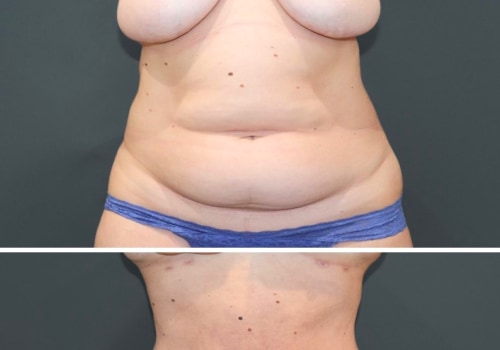
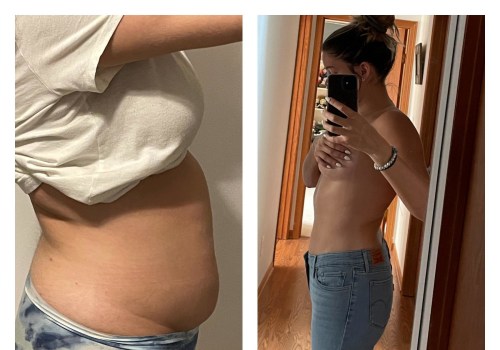
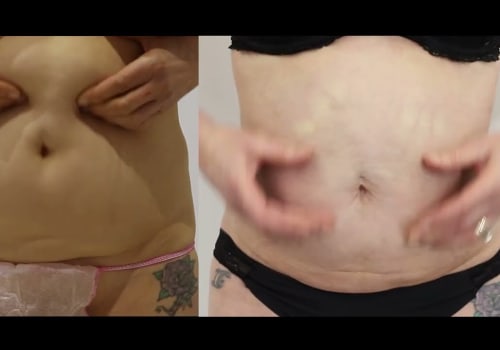
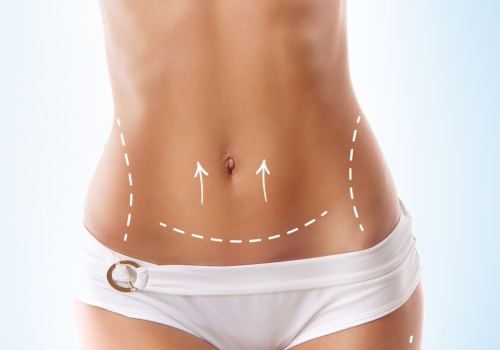
Liposuction is a popular cosmetic procedure designed to remove stubborn fat deposits from specific areas of the body, helping individuals achieve a more contoured and sculpted appearance. Unlike traditional weight loss methods such as diet and exercise, which focus on overall body fat reduction, liposuction targets localized pockets of fat that may be resistant to lifestyle changes. This distinction is crucial for understanding the role of liposuction in body shaping and enhancement.The procedure involves the use of a thin tube called a cannula, which is inserted through small incisions in the skin. The surgeon then uses this cannula to suction out excess fat from the targeted areas.
Common sites for liposuction include the abdomen, thighs, buttocks, arms, and neck. The technique can vary depending on the specific goals of the patient and the surgeon's expertise, with options such as tumescent liposuction, ultrasound-assisted liposuction, and laser-assisted liposuction available to enhance results and recovery times.It is essential to note that while liposuction can lead to a noticeable change in body shape, it is not intended as a weight-loss solution for those who are significantly overweight. Instead, it is best suited for individuals who are close to their ideal weight but struggle with specific areas of fat that do not respond to conventional weight loss efforts. Understanding this fundamental aspect of liposuction helps set realistic expectations for potential candidates and clarifies its purpose as a body contouring tool rather than a primary method for losing weight.
The Common Misconceptions About Liposuction and Weight Loss
When considering liposuction, many individuals are often misled by common misconceptions that equate the procedure with significant weight loss.Understanding these myths is crucial for setting realistic expectations and making informed decisions about body contouring options.One prevalent myth is that liposuction is a solution for obesity or a primary method for losing weight. In reality, liposuction is designed to target specific areas of fat that are resistant to diet and exercise. It is not intended for those who are significantly overweight or seeking to lose large amounts of weight. Instead, it is most effective for individuals who are already close to their ideal weight but wish to refine their body shape.Another misconception is that liposuction results in immediate and dramatic weight loss.
While it is true that fat is removed during the procedure, the actual amount of weight lost is often minimal—typically between 2 to 5 pounds. This can be misleading, as the primary goal of liposuction is to enhance body contours rather than achieve substantial weight reduction.Furthermore, some people believe that liposuction can replace a healthy lifestyle, including proper diet and regular exercise. This notion is fundamentally flawed; liposuction should be viewed as a complement to a healthy lifestyle rather than a substitute. Maintaining a balanced diet and engaging in physical activity are essential for long-term success and overall health.Additionally, there is a misconception that liposuction can eliminate cellulite or stretch marks.
While the procedure can improve body shape, it does not specifically target these skin conditions. Patients should have realistic expectations regarding the outcomes of liposuction and understand that it may not address all aesthetic concerns.In summary, debunking these myths surrounding liposuction helps clarify its role in body contouring. It is essential for potential patients to approach the procedure with an understanding of its limitations and benefits, ensuring they make informed choices aligned with their personal health goals.
Who Are the Ideal Candidates for Liposuction?
When considering liposuction, it is crucial to understand who the ideal candidates are for this procedure. Liposuction is not a one-size-fits-all solution; rather, it is designed for specific individuals who meet certain criteria.Below are the key characteristics that define suitable candidates for liposuction.
- Stable Weight: Ideal candidates should be at or near their target weight. Liposuction is not intended for significant weight loss but rather for contouring the body by removing localized fat deposits. Candidates typically have a body mass index (BMI) within a healthy range, generally between 18.5 and 30.
- Localized Fat Deposits: Those with stubborn areas of fat that do not respond to diet and exercise are prime candidates. Common areas include the abdomen, thighs, hips, buttocks, arms, and neck.
Liposuction effectively targets these pockets of fat to enhance body shape.
- Good Skin Elasticity: Candidates should possess good skin elasticity, as this helps the skin to retract smoothly after fat removal. Individuals with loose or sagging skin may not achieve optimal results from liposuction alone and might require additional procedures such as a tummy tuck or skin tightening.
- Realistic Expectations: It is essential for candidates to have realistic expectations regarding the outcomes of liposuction. While the procedure can significantly improve body contours, it is not a substitute for a healthy lifestyle or a solution for obesity.
- Overall Health: Candidates should be in good overall health without any underlying medical conditions that could complicate surgery or recovery. A thorough medical evaluation is necessary to ensure safety during the procedure.
- Non-Smoker: Smoking can impede healing and increase the risk of complications.
Therefore, non-smokers or those willing to quit smoking prior to surgery are preferred candidates.
The Realities of Weight Loss with Liposuction: What to Expect
When considering liposuction, it is crucial to understand the realistic outcomes associated with this procedure, particularly in terms of weight loss. Many individuals mistakenly believe that liposuction is a solution for significant weight reduction; however, this is not the case. The primary aim of liposuction is to sculpt and contour the body by removing localized fat deposits rather than serving as a comprehensive weight-loss strategy.On average, patients can expect to lose between 2 to 5 pounds of fat during a liposuction procedure.This amount may vary based on several factors, including the individual's body composition, the areas being treated, and the specific techniques employed by the surgeon. For those who are already at or near their ideal weight, the fat removal may only result in a loss of about 1 to 3 pounds. Conversely, individuals who have not yet reached their target weight might see a more substantial reduction, potentially losing up to 10 or 11 pounds .It is essential to note that while liposuction can lead to a noticeable change in body shape and size, it does not equate to significant weight loss on the scale. The results are often more apparent in how clothes fit and how one looks in the mirror rather than what the scale indicates.
This is because liposuction primarily targets stubborn fat pockets that are resistant to diet and exercise.Moreover, advancements in liposuction techniques have allowed for higher volumes of fat removal in some cases. Depending on local regulations and individual health considerations, surgeons may safely remove up to 4000 to 5000 cc of fat during a single session. This could translate into a more considerable weight loss of around 20 to 30 pounds , but such outcomes are typically reserved for patients with higher initial body weights and specific treatment goals.Ultimately, it is vital for prospective patients to have realistic expectations regarding liposuction results. While it can enhance body contours and improve self-image, it should not be viewed as a substitute for a healthy lifestyle or as a primary method for losing large amounts of weight.
Instead, it is best considered as part of a broader approach that includes maintaining a balanced diet and regular exercise.
Liposuction as a Complement to a Healthy Lifestyle
Liposuction is often perceived as a miracle solution for weight loss, but it is crucial to understand that it should be integrated into a broader health strategy. While the procedure can effectively remove stubborn fat deposits, it is not a substitute for a balanced diet and regular exercise. To achieve and maintain optimal results, patients must commit to a healthy lifestyle both before and after the procedure.Understanding the Role of Diet
A nutritious diet plays a pivotal role in enhancing the outcomes of liposuction. Prior to undergoing the procedure, patients are encouraged to adopt healthier eating habits.
This not only helps in achieving a stable weight but also prepares the body for surgery. Post-liposuction, maintaining a balanced diet rich in fruits, vegetables, lean proteins, and whole grains is essential for sustaining the results. Here are some dietary tips:
- Focus on Whole Foods: Incorporate unprocessed foods that are high in nutrients.
- Stay Hydrated: Drinking plenty of water aids in recovery and helps maintain skin elasticity.
- Limit Sugars and Fats: Reducing intake of sugary snacks and unhealthy fats can prevent weight regain.
The Importance of Exercise
Regular physical activity is another cornerstone of a healthy lifestyle that complements liposuction. Engaging in exercise not only helps in maintaining weight but also improves overall well-being.
After the initial recovery period, which typically lasts a few weeks, patients should gradually reintroduce exercise into their routine. Here are some recommended activities:
- Cardiovascular Workouts: Activities like walking, jogging, or cycling can help burn calories and improve heart health.
- Strength Training: Building muscle through resistance training can enhance metabolism and body composition.
- Flexibility Exercises: Incorporating yoga or stretching can improve mobility and aid recovery.
Long-Term Commitment to Health
The journey does not end with liposuction; it marks the beginning of a new chapter in health management. Patients must remain vigilant about their lifestyle choices to prevent the return of unwanted fat. Setting realistic goals and seeking support from healthcare professionals can significantly enhance motivation and accountability.In conclusion, while liposuction can provide significant aesthetic benefits, it should be viewed as part of a comprehensive approach to health and wellness.
By committing to a healthy diet and regular exercise, individuals can maximise their results and enjoy lasting changes in their body shape and overall health.
The Different Types of Liposuction Techniques Available
Liposuction has evolved significantly over the years, leading to the development of various techniques tailored to meet individual patient needs. Understanding these different types of liposuction can help potential candidates make informed decisions about which method may be most suitable for their body contouring goals.Tumescent Liposuction
is one of the most commonly performed techniques. This method involves injecting a sterile solution containing saline, lidocaine, and epinephrine into the targeted fat areas before the actual suctioning process begins. The saline helps to swell and firm the fat, making it easier to remove, while lidocaine provides local anaesthesia, minimising discomfort during the procedure.
Epinephrine constricts blood vessels, reducing bleeding and bruising. This technique is particularly advantageous as it allows for a more precise fat removal with less trauma to surrounding tissues.
Ultrasound-Assisted Liposuction (UAL)
is another innovative technique that utilises ultrasound energy to liquefy fat cells before they are suctioned out. This method is especially effective for removing larger volumes of fat and is often used in areas that are more fibrous, such as the back or male breast tissue. The ultrasound waves break down the fat cells, making them easier to extract while also minimising damage to surrounding tissues.
Patients may experience less swelling and bruising compared to traditional liposuction methods.
Power-Assisted Liposuction (PAL)
employs a vibrating cannula that helps to break up fat cells during the suction process. This technique can enhance efficiency and reduce the physical effort required by the surgeon, allowing for smoother and more uniform results. PAL is particularly beneficial for larger areas or when significant fat removal is desired.
Laser-Assisted Liposuction
, also known as SmartLipo, uses laser energy to melt away fat before it is removed. This method not only facilitates fat extraction but also promotes skin tightening due to the heat generated by the laser.
Patients often report quicker recovery times and less discomfort with this technique.Each of these liposuction techniques has its unique advantages and considerations. When contemplating liposuction, it is crucial to consult with a qualified plastic surgeon who can assess your individual needs and recommend the most appropriate method based on your body type, desired outcomes, and overall health.Patients often report quicker recovery times and less discomfort with this technique.Each of these liposuction techniques has its unique advantages and considerations. When contemplating liposuction, it is crucial to consult with a qualified plastic surgeon who can assess your individual needs and recommend the most appropriate method based on your body type, desired outcomes, and overall health. who can assess your individual needs and recommend the most appropriate method based on your body type, desired outcomes, and overall health.Patients often report quicker recovery times and less discomfort with this technique.Each of these liposuction techniques has its unique advantages and considerations. When contemplating liposuction, it is crucial to consult with a qualified plastic surgeon who can assess your individual needs and recommend the most appropriate method based on your body type, desired outcomes, and overall health.
Potential Risks and Complications of Liposuction
While liposuction can be an effective method for body contouring, it is essential to understand that, like any surgical procedure, it carries certain risks and potential complications. Being informed about these aspects can help individuals make educated decisions regarding their health and aesthetic goals.One of the most common risks associated with liposuction is infection. Although rare, infections can occur at the incision sites, leading to complications that may require additional treatment.Proper pre-operative assessments and post-operative care are crucial in minimising this risk.Another significant concern is the possibility of fluid accumulation , known as seroma. This condition occurs when fluid builds up under the skin after surgery, which may necessitate drainage. Patients should be aware of the signs of seroma and report any unusual swelling or discomfort to their surgeon promptly.
Blood clots
are another serious complication that can arise from liposuction. These clots can form in the legs and may travel to the lungs, resulting in a potentially life-threatening condition known as a pulmonary embolism.
To mitigate this risk, patients are often advised to engage in light movement soon after surgery and follow their surgeon's guidelines regarding activity levels.Additionally, some patients may experience irregularities in skin contour , such as lumps or depressions, due to uneven fat removal or skin elasticity issues. These irregularities can sometimes resolve over time but may require further procedures for correction.
Nerve damage
is another potential complication, which can lead to temporary or permanent changes in sensation in the treated areas. While this is uncommon, it is a risk that should be considered when weighing the benefits of liposuction.Lastly, there is a possibility of experiencing adverse reactions to anaesthesia , which can range from mild to severe. It is vital for patients to discuss their medical history and any previous reactions to anaesthesia with their surgeon prior to the procedure.In conclusion, while liposuction can provide significant aesthetic benefits, it is crucial for prospective patients to consider these potential risks and complications seriously.
Consulting with a qualified plastic surgeon who can provide comprehensive information and guidance tailored to individual circumstances is essential for ensuring a safe and successful outcome.
Post-Operative Care and Recovery After Liposuction
Recovering from liposuction is a crucial phase that significantly impacts the overall results of the procedure. Understanding what to expect during this time can help patients manage their recovery effectively and achieve the best possible outcomes.Immediately after the surgery, patients may experience swelling, bruising, and discomfort in the treated areas. These symptoms are normal and typically subside within a few weeks. However, it is essential to follow specific post-operative care guidelines to facilitate healing and minimise complications.Initial Recovery Period
The first few days following liposuction are critical.Patients are usually advised to:
- Rest: Take ample time off work and avoid strenuous activities for at least a week.
- Wear Compression Garments: These garments help reduce swelling and support the healing process by providing necessary pressure to the treated areas.
- Manage Pain: Over-the-counter pain relief or prescribed medications can help alleviate discomfort. Always follow your surgeon's recommendations regarding medication.
Long-Term Care
As recovery progresses, patients should continue to adhere to their surgeon's advice, which may include:- Hydration: Drinking plenty of water aids in recovery and helps reduce swelling.
- Healthy Diet: Consuming a balanced diet rich in vitamins and minerals supports healing. Focus on foods high in protein, as they are essential for tissue repair.
- Gentle Activity: Gradually reintroducing light activities can promote circulation and aid in recovery. However, avoid high-impact exercises until cleared by your surgeon.
These visits allow for monitoring of the healing process and addressing any concerns that may arise.If any unusual symptoms occur, such as excessive swelling, persistent pain, or signs of infection (like fever or discharge), it is crucial to contact your healthcare provider immediately. Early intervention can prevent complications and ensure a smoother recovery.In summary, understanding the post-operative care required after liposuction is vital for achieving optimal results. By following your surgeon's guidelines and being proactive about your recovery, you can enhance your healing process and enjoy the benefits of your new body contours.
Frequently Asked Questions About Liposuction and Weight Loss
When considering liposuction, many potential patients have questions regarding its effectiveness and how it relates to weight loss. Below are some of the most frequently asked questions that can help clarify these concerns.1.Is liposuction a weight loss solution?
No, liposuction is not primarily a weight loss procedure.It is designed to remove localized fat deposits that are resistant to diet and exercise. While some weight may be lost during the procedure, the main goal is to enhance body contours rather than achieve significant weight reduction.
2.How much fat can be removed during liposuction?
The amount of fat that can be safely removed varies by individual and depends on several factors, including overall health and body composition. Generally, up to 4,000 to 5,000 cc of fat can be extracted in a single session, which may translate to a weight loss of approximately 20 to 30 pounds for some patients.3.Can I expect immediate results after liposuction?
While many patients notice changes in their body shape soon after the procedure, it is important to understand that swelling and bruising can obscure the final results for several weeks. The full effects of liposuction typically become apparent after a few months as the body heals and settles into its new shape.4.Who are the ideal candidates for liposuction?
The best candidates for liposuction are individuals who are close to their ideal weight but have stubborn areas of fat that they wish to target.Candidates should also be in good overall health and have realistic expectations about the outcomes of the procedure.
5.Will I gain back the fat after liposuction?
Liposuction removes fat cells from specific areas of the body; however, it does not prevent future weight gain. If a patient does not maintain a healthy lifestyle post-procedure, they may still gain weight, which could lead to fat accumulation in other areas.6.How does liposuction compare to other weight loss methods?
Liposuction is not a substitute for traditional weight loss methods such as diet and exercise. It is best viewed as a complementary procedure that can help refine body shape after achieving a stable weight through lifestyle changes.Understanding these common questions can help potential patients make informed decisions about whether liposuction is the right choice for them in their journey towards achieving their desired body shape.Conclusion: The Key Takeaways on Liposuction and Weight Loss
In summary, the discussion surrounding liposuction and its role in weight loss has highlighted several critical points that are essential for anyone considering this procedure. While liposuction can effectively remove localized fat deposits, it is crucial to understand that it is not a solution for significant weight loss.Here are the key takeaways:- Liposuction is not a weight-loss procedure: The primary aim of liposuction is to contour the body by eliminating stubborn fat pockets that do not respond to diet and exercise.
It is not designed for substantial weight reduction.
- Realistic expectations are vital: Patients should approach liposuction with a clear understanding of what it can achieve. On average, individuals may lose between 2 to 5 pounds, which may not be reflected on the scale but can lead to noticeable changes in body shape.
- Ideal candidates: The best candidates for liposuction are those who are already close to their ideal weight and have specific areas of concern. This procedure is most effective for individuals within 30% of a healthy weight range.
- Complementary approach: Liposuction should be viewed as a complement to a healthy lifestyle rather than a substitute. Maintaining a balanced diet and regular exercise is essential for long-term results and overall health.
- Consultation is key: A thorough consultation with a qualified plastic surgeon can help set realistic goals and determine if liposuction is the right choice based on individual body composition and aesthetic desires.
Understanding its limitations and potential will empower individuals to make informed decisions about their bodies.