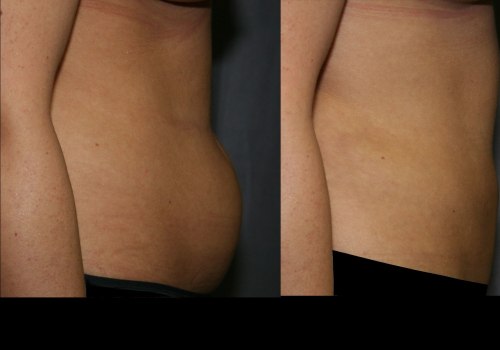
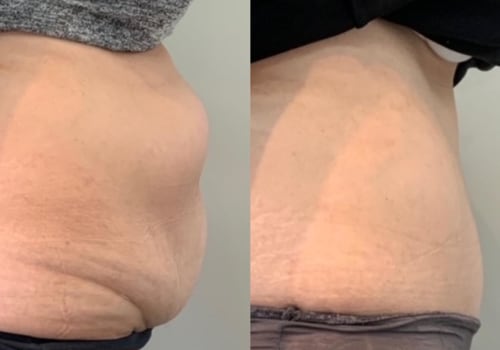
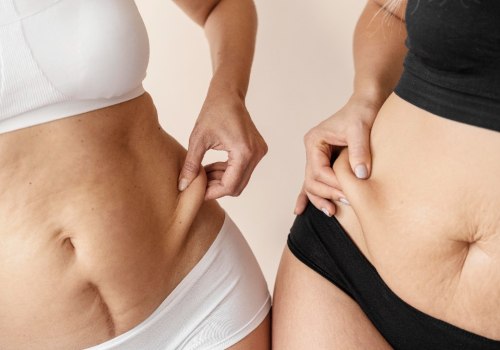
Liposuction is a popular cosmetic surgery procedure designed to remove stubborn fat deposits from specific areas of the body. Unlike traditional weight loss methods such as diet and exercise, which aim to reduce overall body weight, liposuction targets localized fat that may be resistant to these efforts. This distinction is crucial for anyone considering the procedure, as it is not a solution for obesity or a substitute for a healthy lifestyle.The primary goal of liposuction is to enhance body contours and improve aesthetic appearance. It can effectively sculpt areas such as the abdomen, thighs, arms, and neck, providing patients with a more toned and defined silhouette.
However, it is essential to understand that liposuction is not intended for significant weight loss; rather, it is best suited for individuals who are already close to their ideal weight but struggle with specific fat pockets that do not respond to conventional weight loss strategies.Many misconceptions surround liposuction, leading potential patients to believe it is a quick fix for weight issues. In reality, successful outcomes depend on having realistic expectations and understanding the limitations of the procedure. Liposuction should be viewed as a complement to a healthy lifestyle rather than a standalone solution. By clarifying these points, we can better appreciate the role of liposuction in cosmetic surgery and its potential benefits for those seeking body enhancement.
Common Myths About Liposuction
Liposuction is often surrounded by a cloud of misconceptions that can lead to unrealistic expectations and confusion among potential patients.Understanding the truth behind these myths is essential for anyone considering this procedure.
Myth 1: Liposuction is a Weight Loss Solution
One of the most pervasive myths is that liposuction serves as a quick fix for weight loss. In reality, liposuction is not designed for significant weight reduction. It is a cosmetic procedure aimed at removing localized fat deposits that are resistant to diet and exercise. The amount of fat that can be safely removed in a single session typically ranges from 6 to 8 pounds (approximately 3 to 4 litres).
This means that individuals who are significantly overweight should not view liposuction as a substitute for a healthy lifestyle.
Myth 2: Liposuction Can Eliminate Cellulite
Another common misconception is that liposuction can effectively treat cellulite. While liposuction removes fat, it does not address the underlying structural issues that cause the dimpled appearance of cellulite. In fact, in some cases, liposuction may even exacerbate the appearance of cellulite by altering the skin's texture. For those concerned about cellulite, other treatments may be more appropriate.
Myth 3: Liposuction is a Simple Procedure with No Risks
Many people underestimate the complexity and risks associated with liposuction.
Like any surgical procedure, it carries potential complications, including infection, scarring, and fluid accumulation. It is crucial for patients to choose a qualified and experienced surgeon to minimise these risks and ensure safe outcomes.
Myth 4: Recovery from Liposuction is Quick and Easy
While some may believe that recovery from liposuction is straightforward, the reality can be quite different. Most patients require several weeks to fully recover, during which they may experience swelling, bruising, and discomfort. Adhering to post-operative care instructions is vital for optimal healing and results.
Myth 5: Liposuction Results are Permanent
Lastly, it’s important to understand that while liposuction removes fat cells from specific areas, it does not prevent future weight gain.
If a patient does not maintain a healthy lifestyle post-procedure, remaining fat cells can expand or new fat can accumulate in other areas of the body. Therefore, maintaining a balanced diet and regular exercise is essential for preserving the results of liposuction.By debunking these common myths about liposuction, potential patients can make informed decisions about their bodies and expectations regarding this popular cosmetic procedure.
The Liposuction Procedure Explained
The liposuction procedure is a well-established cosmetic surgery designed to remove stubborn fat deposits from various areas of the body. Understanding how liposuction works and the different techniques available can help potential patients make informed decisions about their body contouring options.Typically, the procedure begins with a thorough consultation where the surgeon evaluates the patient’s medical history, discusses their aesthetic goals, and determines if they are a suitable candidate for liposuction. Once cleared for surgery, the patient is given specific pre-operative instructions to follow.During the actual procedure, the surgeon will administer anaesthesia to ensure the patient is comfortable throughout.There are several techniques used in liposuction, each with its unique approach:
- Tumescent Liposuction: This is one of the most common methods. It involves injecting a sterile solution containing saline, anaesthetic, and epinephrine into the targeted fat areas. This solution helps to numb the area and constrict blood vessels, reducing bleeding and swelling. After this preparation, small incisions are made through which a thin tube called a cannula is inserted to suction out the fat.
- VASER Liposuction: VASER stands for Vibration Amplification of Sound Energy at Resonance.
This technique uses ultrasound technology to break down fat cells before they are removed. The ultrasound waves liquefy the fat while preserving surrounding tissues, which can lead to less bruising and quicker recovery times.
- Suction-Assisted Liposuction (SAL): This traditional method uses a vacuum device to remove fat through a cannula. It is effective for larger areas but may result in more trauma to surrounding tissues compared to other techniques.
Generally, it can take anywhere from one to several hours.Post-procedure, patients are typically monitored for a short period before being discharged. Recovery times vary based on individual circumstances and the extent of the procedure but usually involve some swelling and bruising that gradually subsides over weeks.In summary, understanding the liposuction procedure and its various techniques can empower individuals considering this surgery to make educated choices about their body contouring journey.
Who is a Suitable Candidate for Liposuction?
Determining whether you are a suitable candidate for liposuction involves several important factors, including your overall health, body mass index (BMI), and specific areas of fat accumulation. Understanding these criteria can help you assess your eligibility and set realistic expectations for the procedure. involves several important factors, including your overall health, body mass index (BMI), and specific areas of fat accumulation. Understanding these criteria can help you assess your eligibility and set realistic expectations for the procedure.Health Considerations
- General Health: Candidates should be in good overall health, free from serious medical conditions that could complicate surgery or recovery. Conditions such as heart disease, diabetes, or blood clotting disorders may disqualify you from undergoing liposuction.
- Non-Smoker: Smoking can significantly impair healing and increase the risk of complications.
Most surgeons recommend that candidates refrain from smoking for a period before and after the procedure.
- Stable Weight: Ideal candidates are those who have maintained a stable weight for at least six months. Significant fluctuations in weight can affect the results of liposuction.
Body Mass Index (BMI)
Your BMI is a crucial factor in determining your suitability for liposuction. Generally, candidates should have a BMI of less than 30. Those with a higher BMI may not be ideal candidates, as liposuction is not intended as a weight-loss solution but rather as a body contouring procedure.
Target Areas
Liposuction is most effective for individuals with localized fat deposits that are resistant to diet and exercise.
Common areas include:
- Abdomen
- Thighs
- Hips
- Arms
- Back
- Chin and neck
Realistic Expectations
A key aspect of being a suitable candidate is having realistic expectations about what liposuction can achieve. While it can effectively remove stubborn fat deposits, it is not a substitute for a healthy lifestyle or an alternative to weight loss methods such as diet and exercise.Ultimately, the best way to determine your candidacy for liposuction is to consult with a qualified plastic surgeon. They will evaluate your individual circumstances and help you understand the potential risks and benefits associated with the procedure.A key aspect of being a suitable candidate is having realistic expectations about what liposuction can achieve. While it can effectively remove stubborn fat deposits, it is not a substitute for a healthy lifestyle or an alternative to weight loss methods such as diet and exercise.Ultimately, the best way to determine your candidacy for liposuction is to consult with a qualified plastic surgeon. They will evaluate your individual circumstances and help you understand the potential risks and benefits associated with the procedure.
Realistic Expectations: What to Anticipate Post-Procedure
Undergoing liposuction can be an exciting journey towards achieving your desired body shape, but it is crucial to have realistic expectations regarding the results and recovery process. Understanding what to anticipate post-procedure can significantly enhance your satisfaction and overall experience.Understanding Liposuction Results
One of the most common questions patients have is, "How much fat will I lose?" While liposuction can effectively remove stubborn fat deposits, it is not a weight-loss solution.Typically, patients can expect to lose between six to eight pounds of fat in a single session. However, the results may vary based on individual factors such as body type, the area treated, and the amount of fat removed.It is essential to remember that the primary goal of liposuction is to contour the body rather than achieve significant weight loss. Many patients find that their clothes fit better and their body proportions improve, which can lead to enhanced self-esteem and confidence.
Post-Liposuction Recovery Timeline
The recovery period following liposuction varies from person to person but generally takes about four to six weeks. During this time, patients may experience swelling, bruising, and discomfort in the treated areas.These symptoms are normal and typically subside as healing progresses.
- First Week: Most patients take at least one week off work to allow for initial recovery. During this time, it is advisable to rest and avoid strenuous activities.
- Weeks Two to Three: Swelling will begin to decrease, and many patients start to notice changes in their body shape. Light activities can usually be resumed, but high-impact exercises should still be avoided.
- Weeks Four to Six: By this stage, most patients feel significantly better and can return to their regular exercise routines. However, final results may not be fully visible until several months post-procedure as swelling continues to diminish.
Setting Realistic Expectations
To ensure a positive outcome from your liposuction experience, it is vital to set realistic expectations.Understand that while liposuction can enhance your body contours, it is not a substitute for a healthy lifestyle. Maintaining a balanced diet and regular exercise post-procedure will help sustain your results over time.Additionally, discussing your goals with your surgeon during the consultation will provide clarity on what is achievable through liposuction. This open communication helps align your expectations with the potential outcomes of the procedure.In conclusion, having realistic expectations about liposuction results and recovery can lead to greater satisfaction with your transformation. By understanding the process and being patient with your body’s healing journey, you can enjoy the benefits of this cosmetic procedure while embracing a healthier lifestyle.
Potential Risks and Complications of Liposuction
While liposuction is a popular cosmetic procedure aimed at removing stubborn fat deposits, it is crucial to understand that it is not without its risks and potential complications.Being informed about these aspects can help individuals make educated decisions regarding their body and health.
Common Risks Associated with Liposuction
- Infection: As with any surgical procedure, there is a risk of infection at the incision sites. Proper aftercare and hygiene are essential to minimise this risk.
- Bleeding: Some bleeding is expected post-surgery; however, excessive bleeding can lead to complications and may require further medical intervention.
- Fluid Accumulation: Seromas, or pockets of fluid, can develop under the skin after liposuction. These may need to be drained if they become problematic.
- Nerve Damage: Although rare, there is a possibility of nerve damage during the procedure, which can result in temporary or permanent changes in sensation.
- Scarring: While surgeons aim to make incisions in less visible areas, scarring is an inevitable part of the process. The extent of scarring can vary based on individual healing processes.
Serious Complications
- Blood Clots: The formation of blood clots in the legs (deep vein thrombosis) can occur after surgery and may pose serious health risks if they travel to the lungs (pulmonary embolism).
- Anesthesia Risks: Reactions to anaesthesia can occur, leading to complications ranging from mild to severe.
It is essential to discuss any concerns with the anaesthesiologist prior to surgery.
- Organ Damage: In rare cases, liposuction can inadvertently damage internal organs, particularly if performed on larger areas of the body.
Ensuring Safety During Liposuction
To mitigate these risks, it is vital to choose a qualified and experienced plastic surgeon who operates in an accredited facility. During the initial consultation, patients should discuss their medical history, any medications they are taking, and their overall health status. This information will help the surgeon assess individual risks and tailor the procedure accordingly.Moreover, adhering to pre-operative and post-operative instructions provided by the surgeon can significantly enhance safety and recovery outcomes. Understanding that liposuction is not a weight-loss solution but rather a body contouring procedure will also help set realistic expectations and reduce dissatisfaction with results.
Liposuction vs.
Other Weight Loss MethodsWhen considering options for weight loss, it is essential to understand how liposuction compares to other methods, both surgical and non-surgical. Each approach has its own set of advantages and limitations, making it crucial for individuals to choose the method that aligns best with their personal goals and health conditions.
Liposuction vs. Diet
Liposuction
is often mistakenly viewed as a quick fix for weight loss. However, it is important to note that this procedure is not a substitute for a healthy diet or regular exercise.
While liposuction can effectively remove localized fat deposits, it does not address the underlying issues related to weight gain, such as poor dietary habits or lack of physical activity.In contrast, adopting a balanced diet can lead to sustainable weight loss over time. A well-structured diet plan focuses on reducing caloric intake while ensuring adequate nutrition. This method encourages long-term lifestyle changes that can help maintain weight loss and improve overall health.
Surgical Weight Loss Options
Aside from liposuction, there are several other surgical options available for weight loss, including:- Gastric Bypass: This procedure involves creating a small pouch from the stomach and connecting it directly to the small intestine, which limits food intake and nutrient absorption.
- Gastric Sleeve: In this surgery, a large portion of the stomach is removed, resulting in a smaller stomach that holds less food and produces fewer hunger hormones.
- Adjustable Gastric Banding: This involves placing an inflatable band around the upper part of the stomach to create a small pouch that limits food intake.
Non-Surgical Weight Loss Methods
Non-surgical methods for weight loss include:- Dietary Changes: Implementing a calorie-controlled diet rich in fruits, vegetables, lean proteins, and whole grains can lead to effective weight management.
- Exercise Programs: Regular physical activity is crucial for burning calories and improving metabolic health.
Combining aerobic exercises with strength training can enhance results.
- Weight Loss Medications: Prescription medications may be recommended for individuals struggling with obesity when lifestyle changes alone are insufficient.
- Cognitive Behavioural Therapy (CBT): This psychological approach helps individuals change their eating behaviours and develop healthier habits.
Frequently Asked Questions About Liposuction
When considering liposuction, many potential patients have a range of questions and concerns. Addressing these queries can help demystify the procedure and provide clarity on what to expect.What is liposuction?
Liposuction is a cosmetic surgical procedure designed to remove excess fat deposits from specific areas of the body. It is not a weight-loss solution but rather a method to contour and shape the body by targeting stubborn fat that does not respond to diet and exercise.Who is a suitable candidate for liposuction?
Ideal candidates for liposuction are individuals who are at or near their target weight but struggle with localized fat deposits.Candidates should be in good overall health, have realistic expectations, and understand that liposuction is not a substitute for a healthy lifestyle.
What areas can be treated with liposuction?
- Abdomen
- Thighs
- Hips
- Arms
- Back
- Chin and neck
- Calves and ankles
How much fat can be safely removed during the procedure?
The maximum amount of fat that can be safely removed in one session typically ranges from 5 to 10 pounds (approximately 2.5 to 4.5 kilograms). Exceeding this limit can increase the risk of complications.What are the risks associated with liposuction?
As with any surgical procedure, liposuction carries certain risks, including:- Infection
- Scarring
- Fluid accumulation
- Nerve damage
- Uneven contours or asymmetry
What is the recovery process like?
The recovery period after liposuction varies by individual but generally involves swelling, bruising, and discomfort in the treated areas. Most patients can return to normal activities within a week, although full recovery may take several weeks.Will I see immediate results after the procedure?
While some results may be visible immediately post-surgery, it is important to note that swelling can obscure the final outcome. The full results typically become apparent after several months as swelling subsides and the body heals.If you have further questions or concerns about liposuction, it is advisable to consult with a qualified plastic surgeon who can provide personalised information based on your unique situation.Conclusion: Making an Informed Decision About Liposuction
In conclusion, understanding the realities of liposuction is crucial for anyone considering this cosmetic procedure.Throughout this article, we have explored various aspects of liposuction, including its limitations, the amount of fat that can be safely removed, and the importance of setting realistic expectations. It is essential to remember that liposuction is not a weight-loss solution but rather a method to sculpt and enhance specific areas of the body.As we have discussed, the maximum amount of fat that can be safely extracted during a single session typically ranges from six to eight pounds. This limitation underscores the necessity for individuals with significant weight to consider alternative methods for achieving their health and fitness goals. Liposuction should ideally complement a healthy lifestyle rather than serve as a standalone solution.Moreover, the choice of surgeon plays a pivotal role in the success and safety of the procedure.
It is imperative to consult with a board-certified plastic surgeon who has extensive experience in performing liposuction. During your consultation, be open about your goals and concerns, and ensure that you understand the potential risks and benefits associated with the procedure.Before making any decisions, consider asking yourself the following questions:
- Am I at a stable weight and close to my ideal body shape?
- Have I exhausted other options for fat reduction, such as diet and exercise?
- Do I have realistic expectations regarding the outcomes of liposuction?
- Am I prepared for the recovery process and any potential complications?