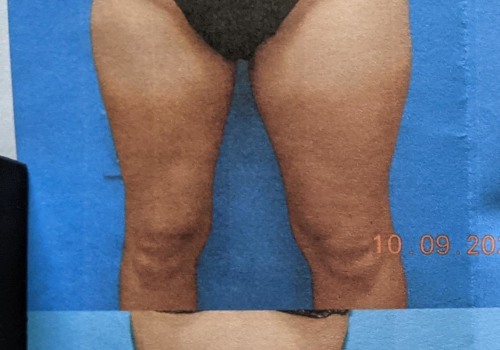
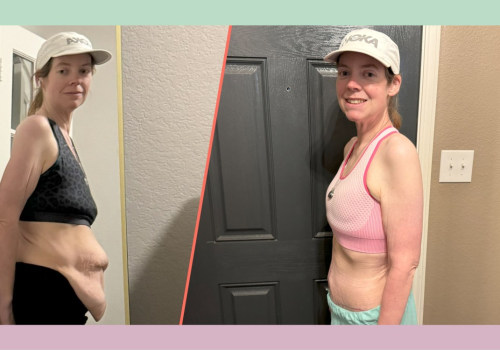
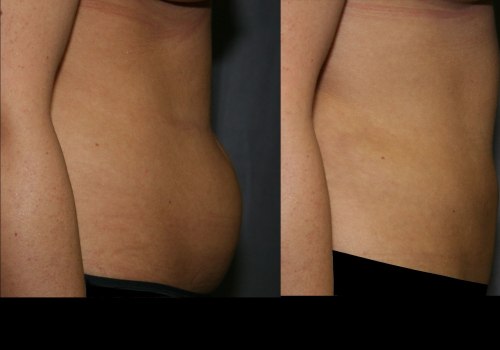
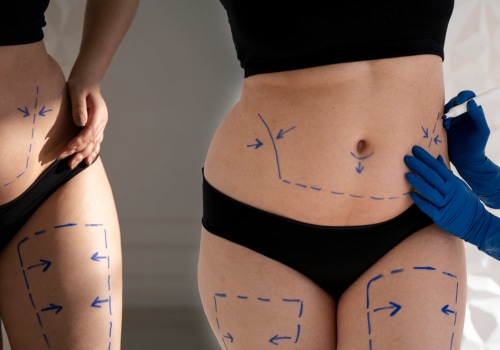
Liposuction is a popular cosmetic procedure designed to reshape and contour the body by removing excess fat from specific areas. Unlike traditional weight loss methods, such as diet and exercise, liposuction is not intended for significant weight reduction. Instead, it targets stubborn fat deposits that often resist conventional weight loss efforts, providing patients with a more sculpted appearance. This distinction is crucial for anyone considering the procedure, as it sets realistic expectations regarding the outcomes.The liposuction procedure involves the use of a thin tube called a cannula, which is inserted through small incisions in the skin.
This cannula is used to suction out fat cells from the targeted areas, such as the abdomen, thighs, buttocks, arms, and neck. The process can be performed using various techniques, including tumescent liposuction, ultrasound-assisted liposuction (UAL), and laser-assisted liposuction (LAL), each offering unique benefits and recovery experiences. Regardless of the method chosen, the goal remains the same: to enhance body contours and improve overall aesthetics.Understanding how liposuction works is essential for potential candidates. During the procedure, local or general anaesthesia is administered to ensure patient comfort.
The surgeon then carefully removes fat cells while preserving surrounding tissues to maintain a natural look. It’s important to note that while liposuction effectively removes fat cells from specific areas, it does not prevent future weight gain or eliminate all fat cells in the body. Therefore, maintaining a healthy lifestyle post-surgery is vital for achieving long-lasting results.
The Science Behind Fat Cells and Liposuction
Understanding the biology of fat cells is crucial when considering the effects of liposuction. Fat cells, or adipocytes, play a significant role in our body’s energy storage and metabolism.In adults, the number of fat cells is generally fixed, meaning that once they are formed during childhood and adolescence, they do not increase in number. Instead, these cells can expand or shrink depending on various factors such as diet, exercise, and overall body weight.When a person undergoes liposuction, the procedure specifically targets and removes these fat cells from designated areas of the body. For instance, if a patient has 1,000 fat cells in a particular region and 300 of those are removed during liposuction, that area will now contain only 700 fat cells. This reduction is permanent; the removed fat cells do not regenerate.
However, it is essential to note that the remaining fat cells can still grow larger if the individual gains weight.Many people wonder: Do fat cells grow back after liposuction? The answer is nuanced. While the specific fat cells that were removed do not return, if a person does not maintain a healthy lifestyle post-surgery, the remaining fat cells can increase in size. This can lead to weight gain in other areas of the body where fat cells still exist. Therefore, maintaining a balanced diet and regular exercise is vital for preserving the results achieved through liposuction.Moreover, it’s important to dispel some common misconceptions surrounding fat cell regeneration.
Some believe that after liposuction, the body compensates for the loss of fat cells by creating new ones. However, research indicates that while new fat cells can form under certain conditions—such as significant weight gain—this process does not occur as a direct response to liposuction itself.In summary, liposuction effectively reduces the number of fat cells in targeted areas without causing them to grow back. The key to long-lasting results lies in maintaining a healthy lifestyle to prevent the remaining fat cells from enlarging.
What Happens to Fat Cells After Liposuction?
After undergoing liposuction, many patients are curious about the fate of the remaining fat cells in their bodies. Understanding what happens to these cells is crucial for anyone considering this procedure, as it directly impacts long-term results and body shape.During liposuction, a specific number of fat cells are removed from targeted areas, leading to a noticeable reduction in fat volume.However, it is essential to note that not all fat cells are eliminated. The body retains a certain number of fat cells, which can still respond to changes in weight and lifestyle.
What Happens to Remaining Fat Cells?
- The remaining fat cells in the body can enlarge or shrink based on weight fluctuations. If a patient gains weight after the procedure, these existing fat cells can increase in size, potentially leading to a change in body shape.
- If a patient maintains a stable weight through a balanced diet and regular exercise, the results of liposuction can be long-lasting. The areas treated will generally remain contoured and toned.
- It is important to understand that while the fat cells removed during liposuction do not grow back, the remaining fat cells can still accumulate fat if caloric intake exceeds expenditure.
The Impact of Weight Gain
Weight gain after liposuction does not mean that the same fat cells that were removed have returned.
Instead, it refers to the enlargement of the remaining fat cells throughout the body. This can lead to an uneven distribution of fat, where some areas may appear fuller than others, potentially negating the aesthetic benefits achieved through liposuction.
Maintaining Results Post-Liposuction
To ensure that the results of liposuction are preserved, patients should adopt a healthy lifestyle post-procedure. This includes:
- Regular Exercise: Engaging in physical activity helps burn calories and maintain muscle mass, which is vital for keeping weight stable.
- Balanced Diet: Consuming a nutritious diet rich in fruits, vegetables, lean proteins, and whole grains can help manage weight effectively.
- Avoiding Yo-Yo Dieting: Fluctuating between weight loss and gain can stress the remaining fat cells and lead to undesirable changes in body shape.
Maintaining Results: The Role of Diet and Exercise
After undergoing liposuction, many patients are eager to maintain their newly sculpted figures.While the procedure effectively removes stubborn fat cells, the long-term success of your results largely depends on your lifestyle choices, particularly your diet and exercise habits. Here’s how you can ensure that your hard-earned results last.
The Importance of a Balanced Diet
A well-rounded diet is crucial for maintaining weight loss after liposuction. Here are some key dietary strategies:- Focus on Whole Foods: Incorporate plenty of fruits, vegetables, whole grains, and lean proteins into your meals. These foods are nutrient-dense and can help you feel full longer.
- Control Portion Sizes: Even healthy foods can contribute to weight gain if consumed in large quantities.
Be mindful of portion sizes to avoid overeating.
- Stay Hydrated: Drinking enough water is essential for overall health and can help control hunger. Aim for at least 2 litres of water per day.
- Avoid Processed Foods: Limit your intake of sugary snacks, fast food, and other processed items that can lead to weight gain and negatively impact your health.
The Role of Exercise
Regular physical activity is equally important in maintaining your results post-liposuction. Consider the following tips:- Establish a Routine: Aim for at least 150 minutes of moderate aerobic activity each week, such as brisk walking or cycling. This helps burn calories and maintain a healthy weight.
- Incorporate Strength Training: Building muscle through strength training exercises can boost your metabolism, making it easier to maintain your weight loss.
Aim for two sessions per week.
- Stay Active Throughout the Day: Look for opportunities to move more during your daily routine. Simple changes like taking the stairs instead of the elevator can make a difference.
Common Misconceptions About Liposuction
Liposuction is often surrounded by a cloud of misconceptions that can lead to unrealistic expectations and poor decision-making. Understanding the truth behind these myths is essential for anyone considering this procedure.Myth 1: Liposuction is a Weight Loss Solution
One of the most prevalent misconceptions is that liposuction is an effective method for significant weight loss.
In reality, liposuction is designed primarily for body contouring, targeting specific areas where fat tends to accumulate, such as the abdomen, thighs, and arms. It is not a substitute for a healthy diet and exercise regimen. The procedure removes fat cells from particular areas, but it does not address overall body weight or health.
Myth 2: Fat Cells Grow Back After Liposuction
Another common belief is that the fat cells removed during liposuction will return. While it’s true that the number of fat cells in the treated area does not increase post-surgery, remaining fat cells can enlarge if a person gains weight after the procedure.
This means that while the specific areas treated may remain slimmer, other areas of the body can still accumulate fat if lifestyle changes are not maintained.
Myth 3: Liposuction Can Eliminate Cellulite
Liposuction is not an effective treatment for cellulite, which is caused by structural changes in the skin and underlying tissue. While liposuction can remove fat deposits, it does not address the fibrous bands that cause the dimpled appearance of cellulite. Patients seeking to improve the appearance of cellulite should explore other treatment options.
Myth 4: Liposuction Will Improve Skin Tightness
Many individuals believe that liposuction will also tighten loose skin in the treated areas. However, this is not necessarily true.
The procedure removes fat but does not directly affect skin elasticity. In cases where significant amounts of fat are removed, patients may experience sagging skin, which could require additional procedures such as a tummy tuck or skin tightening treatments.
Myth 5: Anyone Can Get Liposuction
Liposuction is not suitable for everyone. Ideal candidates are those who are at or near their target weight and have specific areas of stubborn fat. Individuals with certain medical conditions or those who are significantly overweight may be advised against undergoing this procedure until they achieve a healthier weight through lifestyle changes.In conclusion, dispelling these myths about liposuction is crucial for making informed decisions regarding body contouring options.
Understanding what liposuction can and cannot do will help potential patients set realistic expectations and achieve their desired outcomes safely.
Real-Life Experiences: Patient Testimonials and Case Studies
Understanding the real-life experiences of individuals who have undergone liposuction can provide invaluable insights for those considering the procedure. Here, we share a selection of patient testimonials and case studies that highlight the diverse outcomes and emotional journeys associated with liposuction.Case Study 1: Sarah's Transformation
Sarah, a 34-year-old mother of two, struggled with stubborn fat deposits around her abdomen and thighs despite maintaining a healthy lifestyle. After extensive research and consultations, she decided to undergo liposuction. "I was nervous but excited about the possibility of regaining my confidence," she recalls.Post-surgery, Sarah experienced some swelling and bruising, which is typical.However, within weeks, she noticed a significant change in her body shape. "The results were beyond what I had hoped for! I felt like I had a new lease on life," she shares. Sarah has since maintained her weight through regular exercise and a balanced diet, ensuring that her results remain intact.
Case Study 2: Mark's Journey
Mark, a 45-year-old businessman, had always been self-conscious about his love handles. After years of trying various diets and workout regimes without success, he opted for liposuction."I wanted to feel good in my clothes again," he explains.Mark's recovery was swift, and he was back to his routine within a few weeks. He notes, "The first time I saw my reflection post-surgery, I couldn't believe it! I felt like I was looking at someone else." He emphasises the importance of maintaining a healthy lifestyle after the procedure: "I’ve made it a point to stay active and eat well to keep the fat from returning."
Patient Testimonials
- Emma: "Liposuction changed my life! I finally feel comfortable in my skin. The key is to follow up with healthy habits to keep the results."
- James: "I was sceptical at first, but seeing my body transform was worth it. Just remember that it’s not a magic solution; you still need to work at it!"
- Linda: "The support from my surgeon and their team made all the difference.
They prepared me for what to expect during recovery, which helped immensely."
FAQs About Liposuction and Fat Retention
When considering liposuction, many individuals have questions regarding the procedure and its effects on fat retention. Here are some of the most frequently asked questions that can help clarify common concerns:- Will the fat come back after liposuction?
After undergoing liposuction, the fat cells that are removed do not regenerate. However, it is crucial to maintain a healthy lifestyle post-surgery.If you gain weight, the remaining fat cells in your body can enlarge, potentially leading to weight gain in other areas.
- How much weight can I expect to lose?
Liposuction is primarily a body contouring procedure rather than a weight loss solution. Most patients can expect to lose between 5 to 10 pounds, depending on the amount of fat removed and their overall body composition. - Is liposuction safe?
Like any surgical procedure, liposuction carries risks. However, when performed by a qualified and experienced surgeon, it is generally considered safe. Discussing your medical history and any concerns with your surgeon can help mitigate risks. - How long is the recovery period?
Recovery times can vary based on the extent of the procedure and individual healing rates.Generally, patients can return to light activities within a few days but should avoid strenuous exercise for at least four to six weeks.
- Can liposuction target specific areas of fat?
Yes, one of the primary benefits of liposuction is its ability to target specific areas where stubborn fat accumulates, such as the abdomen, thighs, and arms. This allows for a more sculpted appearance in those areas. - What happens if I gain weight after liposuction?
If you gain weight after the procedure, it will not return to the areas where fat was removed; instead, it may accumulate in other regions of your body. This is why maintaining a balanced diet and regular exercise is essential for preserving your results.
Conclusion: The Key Takeaways on Liposuction and Fat Retention
In summary, understanding the implications of liposuction is crucial for anyone considering this body contouring procedure.While it effectively removes stubborn fat cells from targeted areas, it is essential to grasp that the procedure is not a substitute for a healthy lifestyle. Here are the key takeaways:
- Liposuction is not a weight loss solution: It is primarily designed for body contouring, helping to sculpt and shape specific areas rather than serving as a method for significant weight reduction.
- Fat cells do not regenerate: Once fat cells are removed during liposuction, they do not grow back. However, the remaining fat cells can still expand if weight is gained.
- Weight maintenance is vital: To preserve the results of liposuction, maintaining a healthy weight through a balanced diet and regular exercise is essential. This helps prevent the enlargement of remaining fat cells and ensures that your newly contoured figure remains intact.
- New fat accumulation can occur: If weight gain happens post-surgery, it may not be in the same areas where liposuction was performed.
Instead, new fat can accumulate in other regions of the body due to the remaining fat cells' ability to expand.
- Healthy lifestyle choices matter: Engaging in physical activity and adhering to a nutritious diet are critical components in sustaining the results of liposuction. These habits not only help in maintaining weight but also contribute to overall well-being.