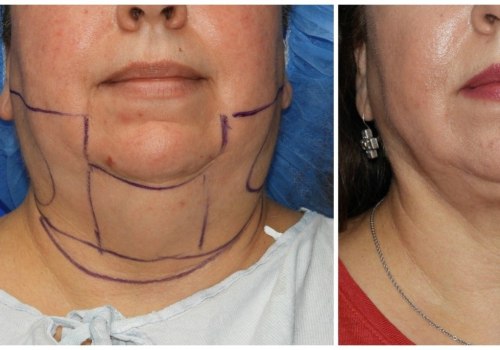
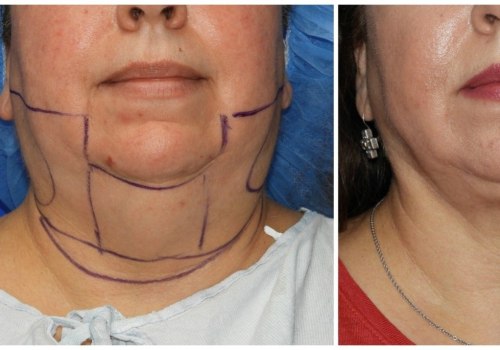
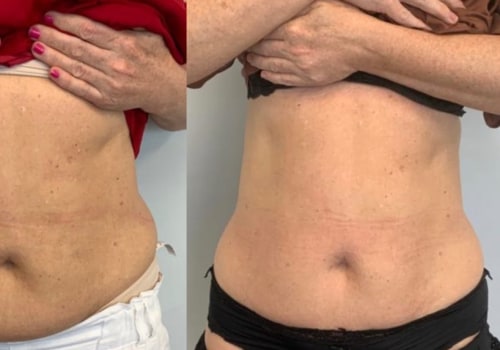
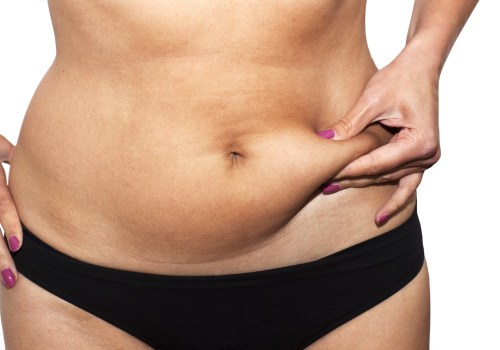
Liposuction is a popular cosmetic procedure designed to reshape and contour the body by removing excess fat deposits. This surgical technique is particularly effective for individuals who struggle with stubborn fat that does not respond to diet and exercise. While many people may associate liposuction solely with weight loss, its primary purpose is to enhance body proportions and improve overall aesthetics. By targeting specific areas such as the abdomen, thighs, and flanks, liposuction can create a more defined silhouette, helping individuals achieve their desired body shape.The procedure involves the use of a thin tube called a cannula, which is inserted through small incisions in the skin.
The surgeon then uses this cannula to suction out fat from the targeted areas. Modern advancements in liposuction techniques, such as tumescent liposuction and ultrasound-assisted liposuction (UAL), have made the process safer and more effective. These methods involve injecting a solution that helps to numb the area and constrict blood vessels, reducing bleeding and swelling during the procedure.Understanding how liposuction works is crucial for anyone considering this treatment. It is not a weight-loss solution but rather a body contouring option for those who are already at or near their ideal weight.
Candidates for liposuction should have realistic expectations about the results, as the procedure is designed to remove fat cells rather than serve as a substitute for healthy lifestyle choices. By focusing on specific problem areas, liposuction can help individuals achieve a slimmer waistline and enhance their confidence.
The Liposuction Procedure Explained
Liposuction is a popular cosmetic procedure designed to remove excess fat from specific areas of the body, helping individuals achieve a more contoured appearance. Understanding the steps involved in the liposuction process can help you prepare for what to expect before, during, and after the surgery.Pre-Operative Preparations
- Consultation: The journey begins with a thorough consultation with a qualified plastic surgeon. During this meeting, you will discuss your goals, medical history, and any concerns you may have. The journey begins with a thorough consultation with a qualified plastic surgeon. During this meeting, you will discuss your goals, medical history, and any concerns you may have.
The surgeon will evaluate your body type and determine if you are a suitable candidate for liposuction.
- Pre-Operative Instructions: Your surgeon will provide specific instructions to follow in the days leading up to the procedure. This may include avoiding certain medications, smoking cessation, and dietary adjustments to ensure optimal results.
- Medical Assessments: You may undergo blood tests or other assessments to ensure your health is stable enough for surgery.
The Surgical Process
Liposuction is typically performed under local or general anaesthesia, depending on the extent of the procedure and the areas being treated. Here’s a breakdown of the surgical steps involved:
- Marking the Areas: Before anaesthesia is administered, your surgeon will mark the areas where fat will be removed. This helps in achieving precise results.
- Administering Anaesthesia: Once you are comfortable, anaesthesia is given to ensure you do not feel pain during the procedure.
- Making Incisions: Small incisions are made in discreet locations near the targeted fat deposits.
The size of these incisions is typically very small, often just a few millimetres long.
- Fat Removal: Using a thin tube called a cannula, your surgeon will carefully suction out excess fat from the marked areas. The technique used can vary based on the type of liposuction being performed.
- Closing Incisions: After the desired amount of fat has been removed, the incisions are closed with sutures or adhesive strips.
Post-Operative Care
The recovery process is crucial for achieving optimal results. Post-operative care may include:
- Compression Garments: Wearing compression garments helps reduce swelling and supports your new body contours.
- Pain Management: Your surgeon will prescribe pain relief medications to manage discomfort during recovery.
- Follow-Up Appointments: Regular follow-up visits are essential to monitor healing and address any concerns that may arise.
Types of Liposuction Techniques
There are several types of liposuction techniques available, each with its unique advantages:
- Tumescent Liposuction: This method involves injecting a solution containing saline, anaesthetic, and epinephrine into the targeted area before fat removal. It helps minimise bleeding and pain.
- Ultrasound-Assisted Liposuction (UAL): UAL uses ultrasound energy to liquefy fat cells before they are suctioned out, making it easier to remove larger volumes of fat.
- Suction-Assisted Liposuction (SAL): This traditional method relies solely on suction to remove fat without additional techniques.
- Laser-Assisted Liposuction (LAL): LAL employs laser technology to melt fat before removal, which can lead to less bruising and quicker recovery times.
Who is a Suitable Candidate for Liposuction?
Determining whether you are a suitable candidate for liposuction involves several key factors that must be carefully considered.This procedure is not a one-size-fits-all solution, and understanding the criteria can help you make an informed decision.
Body Type and Fat Distribution
Your body type plays a significant role in candidacy for liposuction. Ideal candidates typically have localized fat deposits that are resistant to diet and exercise. These areas may include the abdomen, thighs, hips, and flanks. If you have a generally healthy weight but struggle with specific areas of fat, liposuction may be an effective option for you.
Health Status
Before undergoing liposuction, it is essential to assess your overall health.
Candidates should be in good physical condition, without any serious medical conditions that could complicate the procedure or recovery. Conditions such as heart disease, diabetes, or blood clotting disorders may disqualify you from being a suitable candidate. A thorough medical evaluation during your consultation will help determine your eligibility.
Realistic Expectations
Having realistic expectations about the outcomes of liposuction is crucial. While many patients achieve significant improvements in body contour, it is important to understand that liposuction is not a weight-loss solution.
Instead, it is designed to enhance your body shape by removing stubborn fat deposits. Discussing your goals with your surgeon will help ensure that your expectations align with what is achievable through the procedure.
Age Considerations
While there is no strict age limit for liposuction, candidates should ideally be over 18 years old and in a stable phase of their life regarding weight and health. Younger individuals may have more elastic skin, which can lead to better results post-surgery. However, older candidates can also benefit from the procedure if they meet other health criteria.
Skin Elasticity
The condition of your skin is another important factor in determining candidacy for liposuction.
Good skin elasticity can help ensure that the skin conforms well to the new body contours after fat removal. If you have significant skin laxity, other procedures such as a tummy tuck may be recommended in conjunction with liposuction.In summary, suitable candidates for liposuction are those who have localized fat deposits, are in good health, possess realistic expectations about the results, and have adequate skin elasticity. A comprehensive consultation with a qualified plastic surgeon will provide you with personalized insights into your candidacy for this transformative procedure.
Realistic Expectations: What to Anticipate from Liposuction
When considering liposuction, it is crucial to have a clear understanding of what the procedure can realistically achieve. Many individuals enter consultations with the hope of achieving dramatic weight loss, but it is essential to clarify that liposuction is primarily a body contouring technique rather than a weight loss solution.One common misconception is that liposuction can replace a healthy lifestyle or serve as a quick fix for obesity.In reality, the procedure is designed to target specific areas of stubborn fat that do not respond to diet and exercise. Therefore, candidates for liposuction should ideally be at or near their target weight and possess realistic expectations regarding the outcomes.After undergoing liposuction, patients can expect to see a noticeable change in their body shape, particularly in areas such as the waist, abdomen, and thighs. However, the amount of fat that can be safely removed during the procedure is limited. Typically, surgeons can remove up to 5,000 millilitres of fat, which equates to approximately 11 pounds.
This may not seem like a significant amount in terms of overall body weight, but it can lead to substantial improvements in body contour.It is also important to understand that results vary significantly from person to person. Factors such as skin elasticity, age, and genetic predisposition play a vital role in determining the final outcome. For instance, individuals with good skin elasticity may experience tighter skin post-procedure, while those with looser skin may not see the same level of improvement.In terms of waist reduction specifically, many patients report losing between 1 to 2 inches after liposuction. However, some may achieve even greater reductions depending on their unique circumstances.
It is not uncommon for women to lose up to 4 inches from their waistline after treatment. Such changes can lead to a noticeable difference in clothing sizes and overall appearance.Post-operative expectations should also be managed carefully. While many patients are eager to see immediate results, swelling and bruising are common after liposuction and can obscure the final outcome for several weeks. It typically takes time for the body to heal and for the swelling to subside before the true results become apparent.In conclusion, while liposuction can effectively enhance body contours and provide a slimmer waistline, it is not a substitute for healthy living or an alternative to weight loss methods.
Understanding these realistic expectations will help ensure that patients approach their journey with clarity and satisfaction.
Factors Influencing Liposuction Results
When considering liposuction as a method to achieve a slimmer waist, it is crucial to understand the various factors that can significantly influence the results of the procedure. Each individual’s body is unique, and several elements come into play when determining how much fat can be effectively removed and how the body will respond post-surgery.1.Skin Elasticity
One of the primary factors affecting liposuction results is the elasticity of your skin. Individuals with good skin elasticity tend to experience better outcomes, as their skin can retract more effectively after fat removal. Conversely, those with less elastic skin may find that their skin does not tighten as well, potentially leading to sagging or an uneven appearance post-procedure.
Factors such as age, sun exposure, and overall skin health can impact elasticity.
2.Body Composition
Your body composition plays a vital role in determining how much fat can be removed during liposuction. Patients with a higher percentage of body fat may have more fat available for removal, but it is essential to note that liposuction is not a weight-loss solution. Instead, it is designed for contouring specific areas of the body. The distribution of fat in your body also matters; for instance, individuals with localized fat deposits in the waist area may see more significant results than those with a more even distribution.
3.Genetic Predispositions
Genetics can influence where your body stores fat and how easily it can be removed through liposuction.
Some individuals may be genetically predisposed to carry excess weight around their midsection, making them ideal candidates for waist liposuction. Understanding your genetic background can help set realistic expectations regarding the potential outcomes of the procedure.
4.Overall Health and Lifestyle
Your overall health and lifestyle choices also play a critical role in liposuction results. Factors such as diet, exercise habits, and pre-existing medical conditions can affect healing and recovery times, as well as the final appearance after surgery. Maintaining a healthy lifestyle before and after the procedure can enhance results and contribute to long-term satisfaction.In summary, while liposuction can effectively reduce waist size and improve body contour, it is essential to consider these influencing factors when setting expectations for your results.
A thorough consultation with a qualified plastic surgeon will help you understand how these elements apply to your unique situation and what you can realistically achieve through this procedure.
Post-Operative Care and Recovery After Liposuction
After undergoing liposuction, the journey to achieving your desired body shape continues with proper post-operative care and recovery. Understanding the recovery process is crucial for ensuring optimal healing and results. Here are some essential guidelines to follow:Immediate Post-Operative Care
Following your liposuction procedure, you will likely experience swelling, bruising, and discomfort in the treated areas. These symptoms are normal and can be managed effectively with the following:- Rest: It is vital to allow your body to heal.
Plan for at least a few days of rest after the surgery, avoiding strenuous activities that could strain your body.
- Compression Garments: Wearing a compression garment as advised by your surgeon helps reduce swelling and supports the healing tissues. Ensure you wear it for the recommended duration.
- Pain Management: Your surgeon will prescribe pain relief medication to help manage discomfort. Follow their instructions carefully regarding dosage and frequency.
Hydration and Nutrition
Staying hydrated is essential for recovery. Drink plenty of water to help flush out toxins and support your body's healing processes.Additionally, focus on a balanced diet rich in:
- Protein: Foods like lean meats, fish, eggs, and legumes aid in tissue repair.
- Fruits and Vegetables: These provide essential vitamins and minerals that promote healing.
- Avoiding Processed Foods: Steer clear of high-sugar and high-sodium foods that can exacerbate swelling.
Monitoring Your Recovery
Keep an eye on your recovery progress by monitoring any changes in your body. Look out for:- Signs of Infection: Redness, increased swelling, or discharge from the incision sites may indicate an infection. Contact your surgeon immediately if you notice these symptoms.
- Follow-Up Appointments: Attend all scheduled follow-up visits with your surgeon to assess your healing progress and address any concerns.
Gradual Return to Activities
Your surgeon will provide specific guidelines on when you can resume normal activities. Generally, light activities can be resumed within a week, while more strenuous exercises should be avoided for several weeks.Listen to your body and consult with your surgeon before returning to any high-impact workouts.In conclusion, adhering to these post-operative care guidelines is essential for a smooth recovery after liposuction. By prioritising rest, nutrition, hydration, and monitoring your healing process, you can enhance your results and enjoy the benefits of your new body shape.
Maintaining Results After Liposuction
Achieving a slimmer waist through liposuction is a significant step towards enhancing your body contour, but the journey does not end with the procedure. To ensure that the results are long-lasting, it is crucial to adopt a holistic approach that includes lifestyle changes, particularly in diet and exercise.Understanding the Importance of Lifestyle Changes
After undergoing liposuction, your body will have fewer fat cells in the treated areas. However, it is essential to understand that fat cells can still expand if you do not maintain a healthy lifestyle.
This means that while liposuction can provide a more sculpted appearance, it does not guarantee permanent results without proper care.
Dietary Adjustments
A balanced diet plays a pivotal role in maintaining your liposuction results. Here are some dietary tips to consider:
- Focus on Whole Foods: Incorporate plenty of fruits, vegetables, whole grains, and lean proteins into your meals. These foods are nutrient-dense and can help you feel full longer.
- Stay Hydrated: Drinking adequate water is vital for overall health and can aid in weight management. Aim for at least 2 litres of water daily.
- Limit Processed Foods: Reduce your intake of sugary snacks, fast food, and high-calorie beverages.
These can contribute to weight gain and counteract the benefits of liposuction.
- Portion Control: Be mindful of portion sizes to avoid overeating. Using smaller plates can help you manage portions effectively.
Incorporating Exercise
Regular physical activity is equally important in maintaining your new shape. Here are some exercise recommendations:
- Aerobic Activities: Engage in cardiovascular exercises such as walking, jogging, cycling, or swimming at least 150 minutes per week. These activities help burn calories and improve overall fitness.
- Strength Training: Incorporate strength training exercises at least twice a week.
Building muscle can increase your metabolism and help maintain your weight.
- Flexibility and Core Workouts: Activities like yoga or Pilates can enhance flexibility and strengthen core muscles, which is beneficial for maintaining a toned waistline.
Monitoring Your Progress
Keep track of your weight and body measurements regularly to monitor any changes. This will help you stay accountable and make necessary adjustments to your diet or exercise routine if needed.
Consulting with Professionals
If you find it challenging to maintain your results or need guidance on creating a sustainable plan, consider consulting with a nutritionist or personal trainer. They can provide tailored advice based on your individual needs and goals.In conclusion, while liposuction can significantly enhance your waistline, the key to preserving those results lies in adopting a healthy lifestyle that includes balanced nutrition and regular physical activity. By making these changes, you can enjoy the benefits of your procedure for years to come.
Potential Risks and Complications of Liposuction
Liposuction is a popular cosmetic procedure aimed at removing stubborn fat deposits and achieving a more contoured body shape.However, like any surgical intervention, it carries potential risks and complications that patients should be aware of before proceeding.Understanding these risks is crucial for making an informed decision about whether liposuction is the right choice for you. Below are some of the most common complications associated with the procedure:
- Infection: As with any surgery, there is a risk of infection at the incision sites. Proper aftercare and adherence to post-operative instructions can help mitigate this risk.
- Bleeding: Excessive bleeding during or after the procedure can occur, leading to hematomas (blood clots) that may require further treatment.
- Fluid Accumulation: Seromas, or pockets of fluid, can develop under the skin post-surgery. These may need to be drained if they become problematic.
- Nerve Damage: Although rare, nerve damage can occur, resulting in temporary or permanent changes in sensation in the treated areas.
- Scarring: While surgeons aim to make incisions as discreet as possible, scarring is an inevitable part of any surgical procedure.
The extent of scarring can vary based on individual healing processes.
- Uneven Results: In some cases, liposuction may not produce symmetrical results, leading to contour irregularities that may require additional procedures to correct.
- Anesthesia Risks: General or local anesthesia carries its own set of risks, including allergic reactions and complications related to underlying health conditions.
Frequently Asked Questions About Liposuction
Liposuction is a popular cosmetic procedure, but many potential patients have questions and concerns before deciding to undergo the treatment. Below, we address some of the most frequently asked questions about liposuction to help you make an informed decision.- What is liposuction?
Liposuction is a surgical procedure designed to remove excess fat deposits from specific areas of the body, enhancing body contour and shape.It is not intended for weight loss but rather for sculpting the body by targeting stubborn fat that does not respond to diet and exercise.
- Who is a good candidate for liposuction?
Ideal candidates are individuals who are at or near their target weight, have good skin elasticity, and possess realistic expectations about the results. It is essential to be in good overall health and to discuss any medical conditions with your surgeon during the consultation. - What areas can be treated with liposuction?
Liposuction can be performed on various body parts, including the abdomen, thighs, hips, buttocks, arms, neck, and back. The procedure can also target specific areas like love handles and the lower abdomen for waist reduction. - How long does the recovery take?
Recovery time varies by individual and the extent of the procedure. Generally, patients can expect some swelling and bruising for several weeks.Most people return to normal activities within a week or two but should avoid strenuous exercise for at least four to six weeks.
- Are there any risks associated with liposuction?
As with any surgical procedure, there are risks involved. Potential complications include infection, scarring, fluid accumulation, and changes in skin sensation. Discussing these risks with your surgeon can help you understand what to expect. - Will I have visible scars after liposuction?
Liposuction incisions are typically small and strategically placed in less visible areas. While some scarring may occur, it usually fades over time and becomes less noticeable. - How long do the results last?
The results of liposuction can be long-lasting if you maintain a healthy lifestyle through diet and exercise.However, significant weight gain after the procedure can affect your results.
Conclusion: Is Liposuction Right for You?
In conclusion, the decision to undergo liposuction is a significant one that requires careful consideration of various factors. Throughout this article, we have explored the potential benefits and limitations of liposuction as a method for achieving a slimmer waist. It is essential to remember that while liposuction can effectively remove stubborn fat deposits, it is not a substitute for a healthy lifestyle or a weight loss solution.Before making a decision, consider the following key points:- Realistic Expectations: Understand that liposuction is primarily a body contouring procedure. The amount of fat that can be removed varies from person to person, and while some may experience significant changes, others may see more modest results.
- Consultation with a Professional: A thorough consultation with a qualified plastic surgeon is crucial.
They will assess your individual circumstances, including your body type, skin elasticity, and overall health, to determine if you are a suitable candidate for the procedure.
- Post-Procedure Care: Recovery from liposuction involves adhering to specific aftercare instructions to ensure optimal results. This may include wearing compression garments and following a tailored exercise regimen.
- Long-Term Commitment: While liposuction can help you achieve your desired waistline, maintaining those results requires ongoing commitment to a balanced diet and regular physical activity.
Remember, informed decisions lead to better outcomes.