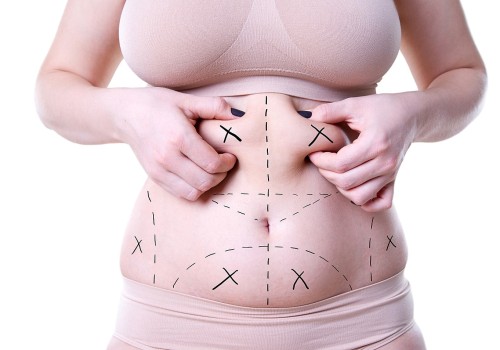
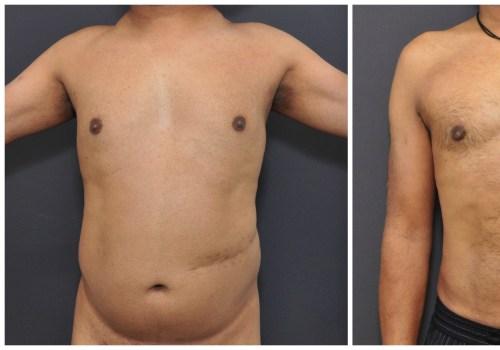
Liposuction is a widely sought-after cosmetic surgical procedure designed to remove excess fat from specific areas of the body. This technique has gained immense popularity over the years, primarily due to its ability to sculpt and contour the body, providing individuals with a more toned appearance. While many people consider liposuction as a quick fix for weight loss, it is essential to understand that it is not a substitute for a healthy lifestyle or a weight management strategy.The liposuction procedure involves the use of a thin tube called a cannula, which is inserted through small incisions in the skin. The surgeon then uses this cannula to suction out unwanted fat deposits from targeted areas such as the abdomen, thighs, hips, arms, and neck.
The procedure can be performed under local or general anaesthesia, depending on the extent of fat removal and the patient's preference. Typically, patients can expect to see immediate results post-surgery, although final outcomes may take several weeks to fully manifest as swelling subsides.Understanding how liposuction works is crucial for anyone considering this procedure. The process begins with an initial consultation where the surgeon evaluates the patient's medical history and discusses their aesthetic goals. This step is vital in determining whether liposuction is appropriate for the individual and which technique would yield the best results.
Various methods exist, including tumescent liposuction, ultrasound-assisted liposuction, and laser-assisted liposuction, each offering unique benefits and considerations.As we delve deeper into the topic of liposuction, it is important to acknowledge that while it can provide significant aesthetic improvements, it also carries potential risks and complications that must be carefully considered. Understanding these factors will empower individuals to make informed decisions about their bodies and health.
Types of Liposuction Techniques
Liposuction has evolved significantly over the years, with various techniques developed to enhance safety, effectiveness, and recovery time. Understanding these different types of liposuction is crucial for individuals considering the procedure, as each method has its unique advantages and considerations.Tumescent Liposuction
Tumescent liposuction is one of the most commonly performed techniques today. This method involves the injection of a large volume of a saline solution mixed with local anaesthetic and epinephrine into the targeted fat areas before the actual fat removal process begins.The solution causes the fat cells to swell and become firm, making them easier to remove. This technique not only reduces pain and bleeding during the procedure but also minimises recovery time.The solution causes the fat cells to swell and become firm, making them easier to remove. This technique not only reduces pain and bleeding during the procedure but also minimises recovery time.
Ultrasound-Assisted Liposuction (UAL)
Ultrasound-assisted liposuction employs sound waves to break down fat cells before they are suctioned out. This technique is particularly effective for removing larger volumes of fat and is often used in areas where fat is denser, such as the abdomen or back. The ultrasound energy liquefies the fat, making it easier to extract while also reducing trauma to surrounding tissues.However, it is essential to choose a qualified surgeon experienced in this technique to minimise potential risks.
Laser Liposuction
Laser liposuction, also known as laser-assisted lipolysis, uses laser energy to melt away fat cells. This method involves inserting a thin laser fibre under the skin, which emits energy that liquefies the fat. The liquefied fat can then be easily suctioned out or allowed to be absorbed by the body. One of the significant benefits of laser liposuction is its ability to stimulate collagen production, which can lead to tighter skin post-procedure.However, like other methods, it requires careful consideration and consultation with a qualified surgeon.In conclusion, each type of liposuction technique offers distinct benefits and may be more suitable for specific body types or areas of concern. It is vital for individuals considering liposuction to discuss these options thoroughly with their surgeon to determine which method aligns best with their goals and health considerations.
Potential Risks of Liposuction
When considering liposuction, it is essential to be aware of the potential health risks and complications that may arise from this surgical procedure. While many individuals seek liposuction for its aesthetic benefits, understanding the associated risks can help in making an informed decision.One of the most significant risks of liposuction is the possibility of infection. As with any surgical procedure, there is a chance that bacteria can enter the body during the operation, leading to infections that may require additional treatment or even hospitalization.Proper post-operative care and adherence to hygiene protocols are crucial in minimising this risk.Another concern is the formation of blood clots , particularly deep vein thrombosis (DVT). This condition occurs when blood clots form in the deep veins, often in the legs, and can travel to the lungs, resulting in a potentially life-threatening situation known as pulmonary embolism. Patients are advised to engage in light physical activity post-surgery to promote circulation and reduce this risk. , particularly deep vein thrombosis (DVT). This condition occurs when blood clots form in the deep veins, often in the legs, and can travel to the lungs, resulting in a potentially life-threatening situation known as pulmonary embolism. Patients are advised to engage in light physical activity post-surgery to promote circulation and reduce this risk.
Fluid accumulation
is another complication that can occur after liposuction. This condition, known as seroma, involves the build-up of fluid in the spaces where fat was removed.
In some cases, this fluid may need to be drained by a healthcare professional to prevent discomfort and further complications.Additionally, patients may experience irregular contours or asymmetry in the treated areas. This can result from uneven fat removal or poor skin elasticity. In some instances, corrective procedures may be necessary to achieve a more desirable appearance.It is also important to consider the potential for anesthesia-related complications. General anesthesia carries its own set of risks, including allergic reactions and respiratory issues.
Patients should discuss their medical history and any concerns with their surgeon prior to the procedure.Lastly, while liposuction can effectively remove fat deposits, it is not a solution for weight loss or obesity. Patients who do not maintain a healthy lifestyle post-surgery may find themselves regaining weight, which can lead to dissatisfaction with the results.In conclusion, while liposuction can offer significant aesthetic improvements, it is vital for individuals to weigh these potential risks against their personal goals. A thorough consultation with a qualified plastic surgeon will help address any concerns and ensure that patients are fully informed before proceeding with this procedure.Patients should discuss their medical history and any concerns with their surgeon prior to the procedure.Lastly, while liposuction can effectively remove fat deposits, it is not a solution for weight loss or obesity. Patients who do not maintain a healthy lifestyle post-surgery may find themselves regaining weight, which can lead to dissatisfaction with the results.In conclusion, while liposuction can offer significant aesthetic improvements, it is vital for individuals to weigh these potential risks against their personal goals. A thorough consultation with a qualified plastic surgeon will help address any concerns and ensure that patients are fully informed before proceeding with this procedure.
Factors Influencing Liposuction Outcomes
When considering liposuction, it is essential to understand that several factors can significantly influence the outcomes of the procedure. These factors range from the patient's overall health and lifestyle to the expertise of the surgeon performing the operation and the quality of post-operative care.Patient Health and Lifestyle
The initial factor influencing liposuction results is the patient's health status.Individuals with pre-existing medical conditions, such as diabetes, heart disease, or obesity, may face increased risks during and after surgery. A thorough medical evaluation is crucial to identify any potential complications that could arise. Furthermore, maintaining a healthy lifestyle before the procedure can enhance recovery and improve results. This includes:
- Balanced Diet: Consuming a nutritious diet rich in vitamins and minerals can help prepare the body for surgery.
- Regular Exercise: Engaging in physical activity can improve circulation and overall fitness, which are beneficial for recovery.
- Avoiding Smoking: Smoking can impair healing and increase the risk of complications.
Surgeon Expertise
The skill and experience of the surgeon play a pivotal role in determining the success of liposuction.A board-certified plastic surgeon with extensive experience in performing liposuction will have a better understanding of techniques that yield optimal results while minimizing risks. When selecting a surgeon, consider:
- Credentials: Verify that the surgeon is certified by a recognised board and has specialised training in cosmetic procedures.
- Before-and-After Photos: Reviewing previous patients' results can provide insight into the surgeon's capabilities.
- Patient Reviews: Feedback from former patients can offer valuable information about their experiences and satisfaction levels.
Post-Operative Care
The care received after liposuction is equally important for achieving desired outcomes. Proper post-operative care can significantly affect healing and final results. Key aspects include:- Follow-Up Appointments: Attending all scheduled follow-ups allows the surgeon to monitor recovery and address any concerns promptly.
- Compression Garments: Wearing prescribed compression garments helps reduce swelling and supports the healing process.
- Avoiding Strenuous Activities: Refraining from heavy exercise or activities that strain the body during recovery is crucial for optimal healing.
By taking these elements into account, individuals can enhance their chances of achieving satisfactory results from this popular cosmetic procedure.
Consultation and Pre-Operative Considerations
Undergoing liposuction is a significant decision that requires careful consideration and preparation. The consultation process with a board-certified plastic surgeon is a crucial first step in this journey. During this initial meeting, patients should expect a comprehensive discussion that covers various aspects of the procedure, including their medical history, aesthetic goals, and any concerns they may have.One of the primary objectives of the consultation is to assess the patient's overall health and suitability for liposuction. The surgeon will typically review the following:- Medical History: It is essential to disclose any pre-existing medical conditions, previous surgeries, or medications currently being taken.
This information helps the surgeon identify potential risks and tailor the procedure to the individual's needs.
- Aesthetic Goals: Patients should articulate their expectations and desired outcomes from liposuction. This discussion allows the surgeon to provide realistic insights into what can be achieved and whether liposuction is the appropriate solution.
- Physical Examination: A thorough examination of the areas intended for treatment will be conducted. This assessment helps determine the amount of fat that can be safely removed and whether additional procedures may be recommended.
- What are the potential risks and complications associated with liposuction?
- How many procedures have you performed, and what are your success rates?
- What type of anaesthesia will be used during the procedure?
- What is the expected recovery time, and when can I return to normal activities?
- Are there any specific pre-operative instructions I need to follow?
Furthermore, understanding the pre-operative assessmentspre-operative assessments is vital for ensuring a smooth surgical experience. These assessments may include blood tests, imaging studies, or consultations with other specialists if necessary.Ultimately, taking the time to prepare for liposuction through a thorough consultation can significantly enhance both safety and satisfaction with the results. Patients who engage actively in this process are more likely to achieve their desired outcomes while minimising potential risks associated with surgery.
Long-Term Considerations After Liposuction
After undergoing liposuction, many individuals are eager to enjoy their new body shape and improved self-image. However, it is crucial to understand that the journey does not end with the procedure.Long-term considerations play a significant role in maintaining the results achieved through liposuction.One of the primary factors influencing the longevity of liposuction results is lifestyle choices. Adopting a healthy diet and regular exercise regimen is essential for sustaining the new body contours. Here are some key points to consider:
- Balanced Diet: Post-liposuction, it is vital to focus on a nutritious diet rich in fruits, vegetables, lean proteins, and whole grains. Avoiding processed foods and excessive sugar can help prevent weight gain.
- Regular Exercise: Engaging in consistent physical activity not only aids in maintaining weight but also enhances overall well-being.
Aim for a mix of cardiovascular exercises and strength training to keep your body toned.
- Hydration: Staying well-hydrated supports metabolic processes and can help control appetite, making it easier to stick to a healthy eating plan.
By prioritising nutrition and exercise, individuals can enjoy their enhanced physique for years to come.
Frequently Asked Questions About Liposuction
When considering liposuction, many individuals have questions and concerns that need addressing. Below are some of the most frequently asked questions about this popular cosmetic procedure, along with clarifications to dispel common myths.What is liposuction?
Liposuction is a surgical procedure designed to remove excess fat from specific areas of the body. It is often used to contour and shape areas such as the abdomen, thighs, hips, arms, and neck. However, it is essential to understand that liposuction is not a weight-loss solution but rather a method for targeting stubborn fat deposits.Is liposuction safe?
While liposuction is generally considered safe when performed by a qualified and experienced surgeon, like any surgical procedure, it carries inherent risks.Potential complications can include infection, blood clots, and irregular contours. It is crucial to discuss your medical history and any concerns with your surgeon during the consultation.
Who is a good candidate for liposuction?
Ideal candidates for liposuction are those who are at or near their target weight but struggle with specific areas of fat that do not respond to diet and exercise. Candidates should also be in good overall health and have realistic expectations about the results.How long does recovery take?
The recovery period after liposuction varies depending on the extent of the procedure and individual healing rates. Generally, patients can expect some swelling and bruising for several weeks.Most individuals can return to light activities within a few days but should avoid strenuous exercise for at least a few weeks.
Can liposuction help with cellulite?
Liposuction is not specifically designed to treat cellulite. While it may improve the appearance of certain areas, it does not eliminate cellulite entirely. Other treatments may be more effective for addressing this concern.Are there any myths about liposuction?
- Myth: Liposuction is a quick fix for obesity.
- Fact: Liposuction is not intended for weight loss; it is meant for body contouring.
- Myth: Liposuction results are permanent.
- Fact: While fat cells are removed, weight gain can still occur if lifestyle changes are not maintained.
Conclusion: Making an Informed Decision About Liposuction
In conclusion, the decision to undergo liposuction is not one to be taken lightly.As we have explored throughout this article, while liposuction can offer significant aesthetic benefits, it is essential to approach this procedure with a comprehensive understanding of the associated risks and considerations.Firstly, it is crucial to recognise that liposuction is a surgical intervention that involves the removal of fat from specific areas of the body. This process carries inherent risks, including complications such as infections, blood clots, and irregular contours. Therefore, potential candidates must engage in thorough discussions with qualified healthcare professionals to assess their individual risk factors and medical history.Moreover, the financial implications of liposuction should not be overlooked. The procedure can be costly, and results may vary significantly from person to person.
It is vital for individuals to have realistic expectations regarding the outcomes and to understand that liposuction is not a substitute for a healthy lifestyle or weight management.During consultations with board-certified plastic surgeons, patients should inquire about the specific techniques that will be employed, as well as the surgeon's experience and credentials. Understanding the different types of liposuction available—such as traditional liposuction versus ultrasound-assisted techniques—can also aid in making an informed choice.Ultimately, making an informed decision about liposuction requires careful consideration of all these factors. By prioritising safety and being well-informed about the potential risks and benefits, individuals can approach their cosmetic goals with confidence. Remember, achieving lasting results often involves a commitment to maintaining a healthy lifestyle post-procedure.In summary, while liposuction can enhance body contours and boost self-esteem, it is imperative to weigh the pros and cons thoroughly.
Consulting with experienced professionals and understanding personal health conditions will empower individuals to make choices that align with their goals and well-being.