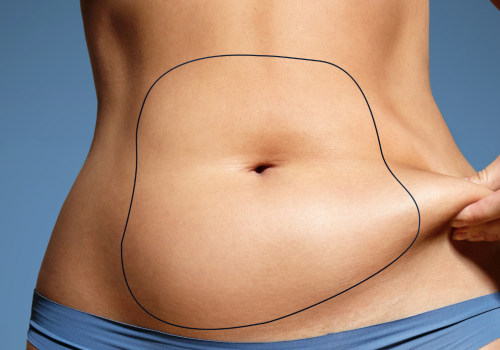
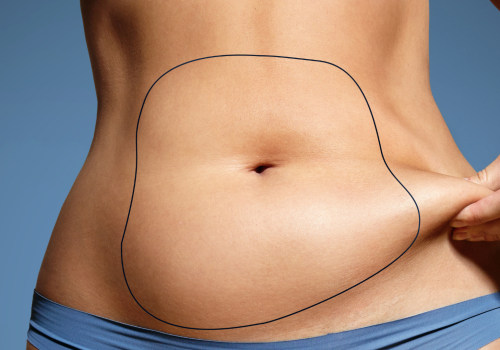
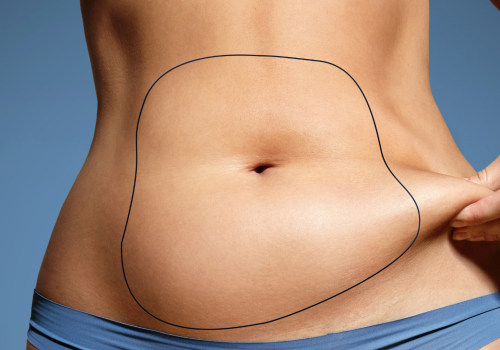
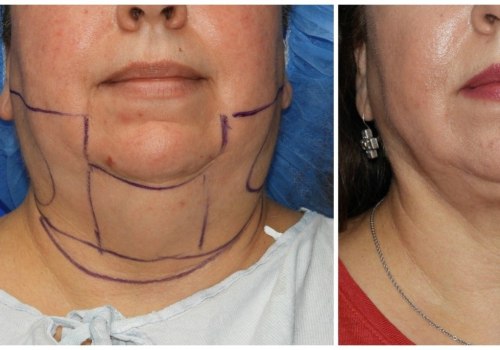
Liposuction, often referred to as lipoplasty or body contouring, is a popular cosmetic surgical procedure designed to remove excess fat from specific areas of the body. This technique is particularly sought after by individuals looking to enhance their body shape and achieve a more toned appearance. While it is not a weight-loss solution, liposuction can effectively target stubborn fat deposits that are resistant to diet and exercise, making it an appealing option for many.The liposuction procedure involves the use of a thin tube called a cannula, which is inserted through small incisions in the skin. This cannula is connected to a vacuum device that gently suctions out the unwanted fat.
The procedure can be performed on various parts of the body, including the abdomen, thighs, hips, arms, and neck. Depending on the amount of fat being removed and the areas being treated, liposuction can be conducted under local or general anaesthesia.Understanding how liposuction works is essential for anyone considering this procedure. The process begins with a thorough consultation with a qualified plastic surgeon who will assess the patient's overall health, discuss their goals, and determine if they are suitable candidates for liposuction. During the surgery, the surgeon carefully manoeuvres the cannula to break up and remove fat cells while ensuring minimal damage to surrounding tissues. is essential for anyone considering this procedure. The process begins with a thorough consultation with a qualified plastic surgeon who will assess the patient's overall health, discuss their goals, and determine if they are suitable candidates for liposuction. During the surgery, the surgeon carefully manoeuvres the cannula to break up and remove fat cells while ensuring minimal damage to surrounding tissues.
This meticulous approach helps achieve smoother contours and reduces the risk of complications.Ultimately, liposuction offers individuals an opportunity to reshape their bodies and boost their self-confidence. However, it is crucial to recognise that this procedure is not intended for weight loss but rather for body contouring. As such, potential patients must have realistic expectations and understand the importance of maintaining a healthy lifestyle post-surgery to preserve their results.
Who is Considered Obese?
Obesity is a complex health condition characterised by an excessive accumulation of body fat, which can have detrimental effects on an individual’s overall health. It is typically defined using the Body Mass Index (BMI), a widely accepted classification system that helps to categorise individuals based on their weight in relation to their height.The BMI is calculated by dividing a person's weight in kilograms by the square of their height in metres.The resulting number places individuals into various categories:
- Underweight: BMI less than 18.5
- Normal weight: BMI 18.5 to 24.9
- Overweight: BMI 25 to 29.9
- Obesity: BMI 30 or greater
- Class 1 (Moderate obesity): BMI 30 to 34.9
- Class 2 (Severe obesity): BMI 35 to 39.9
- Class 3 (Morbid obesity): BMI 40 or greater
- Cardiovascular diseases: Obesity increases the likelihood of heart disease and stroke due to factors such as high blood pressure and elevated cholesterol levels.
- Type 2 diabetes: Excess body fat can lead to insulin resistance, a precursor to diabetes.
- Joint problems: The additional weight places stress on joints, particularly the knees and hips, leading to conditions like osteoarthritis.
- Certain cancers: There is a documented link between obesity and various types of cancer, including breast, colon, and endometrial cancers.
- Sleep apnea: Obesity can contribute to sleep disorders, including obstructive sleep apnea, which can severely impact overall health.
Liposuction: A Solution for Obesity?
Liposuction is often misconceived as a solution for obesity, but it is essential to clarify its true purpose and limitations. While many individuals consider this procedure for fat removal, it is primarily designed for body contouring rather than significant weight loss.Understanding this distinction is crucial for anyone contemplating liposuction, especially those classified as obese.Obesity is defined by a body mass index (BMI) of 30 or higher, and it is associated with various health risks, including diabetes, heart disease, and hypertension. For patients with a high BMI, the primary focus should be on achieving a healthier weight through lifestyle changes such as diet and exercise. Liposuction does not address the underlying issues of obesity; instead, it targets specific areas of stubborn fat that may not respond to traditional weight loss methods.Many patients mistakenly believe that liposuction can serve as a quick fix for their weight problems. However, the procedure is not intended to be a substitute for comprehensive weight management strategies.
It is most effective for individuals who are already close to their ideal weight but wish to enhance their body shape by removing localized fat deposits.Moreover, the amount of fat that can be safely removed during liposuction is limited. Surgeons typically recommend that only a certain volume of fat be extracted in one session to minimise risks and ensure patient safety. For obese patients, attempting to remove large quantities of fat in a single procedure can lead to complications and may not yield the desired aesthetic results.In summary, while liposuction can be an effective tool for body contouring in individuals who are near their target weight, it is not an appropriate solution for obesity. Patients should approach this procedure with realistic expectations and understand that sustainable weight loss requires a commitment to lifestyle changes.
Consulting with a qualified plastic surgeon can help determine whether liposuction is suitable based on individual health conditions and goals.
Evaluating Safety: Risks and Considerations
When considering liposuction, particularly for obese patients, it is crucial to evaluate the potential risks and complications associated with the procedure. While liposuction can effectively remove stubborn fat deposits, it is not without its challenges, especially for individuals with a higher body mass index (BMI).One of the primary concerns for obese patients undergoing liposuction is the increased risk of surgical complications. These can include:- Infection: The risk of infection is heightened in patients with obesity due to factors such as poor circulation and compromised immune function.
- Blood clots: Obese individuals are at a greater risk of developing deep vein thrombosis (DVT), which can lead to serious complications if a clot travels to the lungs.
- Delayed healing: Excess body fat can impede the healing process, leading to longer recovery times and increased chances of complications.
- Anesthesia risks: Obesity can complicate the administration of anesthesia, increasing the likelihood of adverse reactions.
- Fluid imbalance: The removal of large volumes of fat can lead to fluid shifts in the body, potentially resulting in complications such as hypovolemic shock.
Surgeons typically recommend staged procedures for those with higher BMI levels to mitigate risks and ensure patient safety.A thorough pre-operative evaluation is essential for determining whether liposuction is a suitable option for an obese patient. This evaluation should include:
- A comprehensive medical history review to identify any underlying health conditions that may increase surgical risks.
- A physical examination to assess overall health and suitability for surgery.
- Discussion of lifestyle factors, such as smoking and diet, which can impact recovery and results.
- Realistic expectations regarding outcomes and potential limitations of the procedure.
The Role of BMI in Liposuction Eligibility
Body Mass Index (BMI) is a crucial factor in determining a patient's eligibility for liposuction. This measurement, which calculates body fat based on height and weight, serves as a preliminary screening tool to assess whether an individual is a suitable candidate for the procedure.Understanding the implications of BMI can help patients make informed decisions regarding their surgical options.Generally, candidates for liposuction are recommended to have a BMI of less than 30. Individuals within this range are often considered to have a healthier body composition, which can lead to better surgical outcomes. However, those with a BMI greater than 30 may still qualify for the procedure, depending on various factors such as overall health, fat distribution, and specific treatment goals.
Critical BMI Thresholds
For patients classified as obese, particularly those with a BMI between 30 and 39, liposuction can be performed but with caution. The risks associated with surgery increase significantly for individuals with a BMI over 40, categorising them as morbidly obese.In such cases, surgeons may advise against liposuction due to the heightened risk of complications during and after the procedure.It is essential to note that while BMI provides valuable insights into a patient's health status, it does not account for other critical factors such as muscle mass, body composition, and genetic predispositions. For instance, an athlete may have a high BMI due to increased muscle mass but still be in excellent health. Therefore, surgeons often consider additional assessments beyond BMI when evaluating candidates.
Why BMI Matters
The significance of maintaining a safe BMI range for liposuction cannot be overstated. A lower BMI typically correlates with fewer complications during surgery and a smoother recovery process.Patients with higher BMIs may face challenges such as:
- Increased Surgical Risks: Higher BMIs are associated with complications like blood clots, infections, and adverse reactions to anesthesia.
- Limited Fat Removal: Surgeons have strict limits on the amount of fat that can be safely removed in one session. Exceeding these limits can lead to serious health risks.
- Longer Recovery Times: Obese patients may experience prolonged healing periods due to their body's increased demands during recovery.
Pre-Operative Assessments and Consultations
Before undergoing liposuction, potential candidates must participate in a thorough pre-operative assessment and consultation process. This crucial step ensures that the procedure is safe and appropriate for each individual, taking into account their unique health circumstances.The initial consultation typically begins with a detailed discussion between the patient and the plastic surgeon.During this meeting, the surgeon will review the patient’s medical history, including any pre-existing conditions, previous surgeries, and current medications. This information is vital as it helps identify any potential risks associated with the surgery.
Key components of the pre-operative assessment include:
- Medical History Review: The surgeon will ask about chronic illnesses such as diabetes, heart disease, or respiratory issues that could complicate the procedure.
- Physical Examination: A comprehensive physical examination will be conducted to assess overall health and identify specific areas for fat removal.
- BMI Calculation: The surgeon will calculate the Body Mass Index (BMI) to determine if the patient falls within a suitable range for liposuction.
- Discussion of Expectations: Patients should express their goals and expectations regarding the outcome of the surgery. This dialogue helps ensure that both the patient and surgeon are aligned on realistic results.
- Pre-operative Tests: Depending on individual health factors, additional tests such as blood work or imaging studies may be required to further evaluate health status.
A reputable surgeon will provide clear answers and ensure that patients are fully informed before proceeding.Ultimately, the pre-operative assessment is designed not only to safeguard the patient’s health but also to enhance the likelihood of achieving satisfactory results from liposuction. By taking these steps seriously, patients can approach their surgery with confidence and peace of mind.
Post-Operative Care and Recovery
Recovering from liposuction is a crucial phase that significantly impacts the overall results of the procedure. Understanding what to expect during this time can help patients manage their recovery effectively and minimise potential complications.Immediately after the surgery, patients may experience swelling, bruising, and discomfort in the treated areas. These symptoms are normal and typically subside within a few weeks.However, it is essential to follow specific post-operative care guidelines to ensure a smooth recovery.
Post-Operative Care Tips
- Rest and Recovery: It is vital to allow your body ample time to heal. Patients should plan for at least a week off work, depending on the extent of the procedure and their individual healing process.
- Compression Garments: Wearing a compression garment as advised by your surgeon helps reduce swelling and supports the healing tissues. It is typically recommended to wear this garment for several weeks post-surgery.
- Pain Management: Your surgeon will prescribe pain relief medication to help manage discomfort. It is important to take these medications as directed and not exceed the recommended dosage.
- Hydration and Nutrition: Staying hydrated and maintaining a balanced diet rich in vitamins and minerals can aid in recovery.
Foods high in protein can help repair tissues, while fruits and vegetables provide essential nutrients.
- Avoiding Strenuous Activities: Patients should refrain from heavy lifting, vigorous exercise, or any activities that could strain the body for at least four to six weeks post-surgery. Gentle walking is encouraged to promote circulation.
- Follow-Up Appointments: Attending all scheduled follow-up appointments with your surgeon is crucial for monitoring your recovery progress. Your surgeon will assess healing and address any concerns you may have.
Remember that patience is key during this time as your body adjusts to its new contours.
Alternatives to Liposuction for Obese Patients
For obese patients considering fat reduction, it is essential to explore various alternatives to liposuction. While liposuction can be an effective method for body contouring, it is not a weight loss solution and may not be suitable for everyone, particularly those with a higher body mass index (BMI). Here are some viable alternatives:1.Non-Surgical Fat Reduction Options
Several non-invasive procedures can help reduce fat without the need for surgery. These options include:- Cryolipolysis: Commonly known as CoolSculpting, this technique freezes fat cells, causing them to die off gradually.
It is ideal for patients looking to target specific areas of stubborn fat.
- Ultrasound Fat Reduction: This method uses ultrasound technology to break down fat cells. It is non-invasive and requires no downtime, making it a convenient option for many.
- Radiofrequency Lipolysis: This procedure employs radiofrequency energy to heat and destroy fat cells while tightening the skin. It can be effective for body contouring and skin rejuvenation.
- Injection Lipolysis: Involves injecting substances like deoxycholic acid into targeted areas to dissolve fat. This method is less invasive and can be performed in an outpatient setting.
2.Bariatric Surgery
Bariatric surgery is a more invasive option designed for individuals with severe obesity.Unlike liposuction, which focuses on fat removal from specific areas, bariatric surgery aims to achieve significant weight loss through various surgical techniques:
- Gastric Bypass:Gastric Bypass: This procedure involves creating a small pouch from the stomach and connecting it directly to the small intestine, which limits food intake and nutrient absorption.
- Gastric Sleeve: Involves removing a portion of the stomach, resulting in a smaller stomach size that restricts food intake.
- Biliopancreatic Diversion with Duodenal Switch: A more complex procedure that combines gastric sleeve surgery with intestinal bypass, leading to significant weight loss.
3.Lifestyle Changes
Regardless of the chosen method, sustainable weight loss often hinges on lifestyle modifications. Patients should consider:- Dietary Changes: Adopting a balanced diet rich in whole foods, fruits, vegetables, lean proteins, and healthy fats can significantly impact weight management.
- Regular Exercise: Incorporating physical activity into daily routines helps burn calories and improve overall health.
- Behavioural Therapy: Engaging in therapy can assist individuals in addressing emotional eating habits and developing healthier relationships with food.
Frequently Asked Questions about Liposuction and Obesity
When considering liposuction as a weight loss option, especially for obese patients, several common questions arise.This section aims to address these frequently asked questions to provide clarity and reassurance.
Is liposuction safe for obese patients?
The safety of liposuction for obese patients largely depends on individual health factors. While patients with a BMI over 40 face increased risks, those with a BMI between 30 and 40 may still be candidates after thorough evaluation. It is crucial to consult with a qualified plastic surgeon who can assess your overall health and determine if the procedure is appropriate for you.What are the risks associated with liposuction for obese individuals?
Obese patients may encounter several risks during liposuction, including:- Increased surgical complications: Higher BMI can lead to complications such as infections, blood clots, and adverse reactions to anesthesia.
- Longer recovery times: Obese individuals may experience prolonged healing periods due to their body’s increased demands during recovery.
- Skin elasticity issues: The skin may not retract properly after fat removal, leading to sagging or irregular contours.
Can liposuction help with weight loss?
Liposuction is not a weight loss solution but rather a body contouring procedure. It is designed to remove localized fat deposits that are resistant to diet and exercise.Therefore, while it can enhance body shape, it should not be viewed as a primary method for significant weight loss.
What should I expect during the consultation?
Your initial consultation will involve a comprehensive assessment of your medical history, current health status, and specific goals regarding liposuction. The surgeon will discuss potential risks, expected outcomes, and whether you are a suitable candidate based on your BMI and overall health.Are there alternatives to liposuction for obese patients?
Yes, there are several alternatives that may be more suitable for obese individuals seeking fat reduction or weight loss. These include:- Bariatric surgery: Procedures like gastric bypass or sleeve gastrectomy can lead to significant weight loss and improve overall health.
- Non-surgical fat reduction: Treatments such as CoolSculpting or ultrasound therapy can target fat without invasive surgery. Treatments such as CoolSculpting or ultrasound therapy can target fat without invasive surgery.
Conclusion: Making Informed Decisions about Liposuction
In conclusion, the decision to undergo liposuction is a significant one, particularly for individuals classified as obese. Throughout this article, we have explored various aspects of liposuction, including its suitability for patients with higher body mass indices (BMIs) and the associated risks that must be carefully considered.It is essential to understand that while liposuction can effectively remove localized fat deposits, it is not a solution for obesity or a substitute for a healthy lifestyle.Patients with a BMI over 40 face increased risks during surgery, and those with underlying health conditions may find themselves at an even greater disadvantage. Therefore, a thorough evaluation by a qualified plastic surgeon is crucial.Before making any decisions, potential candidates should:
- Consult with a qualified surgeon: A board-certified plastic surgeon can provide insights into whether liposuction is appropriate based on individual health status and goals.
- Understand the limitations: Liposuction is not intended for significant weight loss but rather for body contouring. Patients should have realistic expectations regarding the outcomes.
- Consider alternative options: For those with higher BMIs, other weight loss methods or surgical interventions may be more suitable and safer.
- Evaluate overall health: Factors such as cardiovascular health, diabetes, and other medical conditions can significantly impact surgical risk.
By doing so, they can ensure that their choice aligns with their health needs and aesthetic goals. Remember, achieving lasting results often requires a commitment to maintaining a healthy lifestyle post-procedure.In summary, while liposuction can be an effective tool for body contouring, it is vital for obese patients to approach this option with caution and comprehensive understanding. Engaging in open discussions with healthcare professionals will empower individuals to make choices that are not only beneficial but also safe.