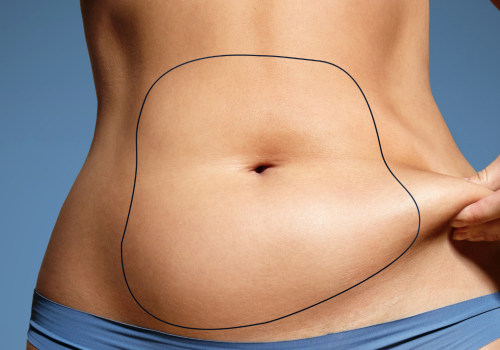
Liposuction has emerged as one of the most sought-after cosmetic surgery procedures, renowned for its ability to sculpt and reshape the body by removing stubborn fat deposits. This technique is particularly appealing to individuals who struggle with localized fat that resists diet and exercise, making it a popular choice for those looking to enhance their body contours. As a minimally invasive procedure, liposuction offers patients the opportunity to achieve a more toned appearance without the extensive recovery time associated with more invasive surgeries.The primary goal of liposuction is not merely fat removal but rather body contouring. By targeting specific areas such as the abdomen, thighs, arms, and neck, this procedure allows for a tailored approach to achieving a desired aesthetic.
Patients often seek liposuction to improve their self-image and boost their confidence, as the results can lead to a more proportionate and harmonious body shape. However, it is crucial to understand that liposuction is not a weight-loss solution; instead, it serves as a tool for refining body shape.As with any surgical procedure, understanding the safe limits of fat removal during liposuction is essential. The amount of fat that can be safely extracted varies based on individual factors such as body mass index (BMI), overall health, and specific treatment goals. This article will delve into these considerations, providing insights into what constitutes safe fat removal during liposuction and how patients can set realistic expectations for their results. of fat removal during liposuction is essential. The amount of fat that can be safely extracted varies based on individual factors such as body mass index (BMI), overall health, and specific treatment goals. This article will delve into these considerations, providing insights into what constitutes safe fat removal during liposuction and how patients can set realistic expectations for their results.
What is Liposuction?
Liposuction is a popular cosmetic surgical procedure designed to remove excess fat from specific areas of the body, helping to reshape and contour the figure.This procedure is not intended for weight loss but rather for targeting stubborn fat deposits that are resistant to diet and exercise. By understanding the intricacies of liposuction, patients can make informed decisions about whether this procedure aligns with their aesthetic goals.The liposuction procedure typically involves the use of a thin tube called a cannula, which is inserted through small incisions in the skin. The surgeon then uses this cannula to suction out fat from the targeted areas. The process begins with the administration of anaesthesia, which can be local or general, depending on the extent of the procedure and the areas being treated.There are several types of liposuction techniques available, each with its unique approach and benefits:
- Tumescent Liposuction: This is one of the most common methods, where a solution containing saline, anaesthetic, and epinephrine is injected into the treatment area.
This solution helps to numb the area and constrict blood vessels, reducing bleeding and swelling during the procedure.
- Ultrasound-Assisted Liposuction (UAL): This technique uses ultrasound energy to liquefy fat cells before they are removed. This method can be particularly effective for fibrous areas of the body, such as the back or male breast tissue.
- Laser-Assisted Liposuction (LAL): Similar to UAL, this technique employs laser energy to melt fat cells. The advantage of LAL is that it can also stimulate collagen production, potentially improving skin tightness in the treated area.
- Suction-Assisted Liposuction (SAL): This traditional method involves directly suctioning out fat without any additional techniques. It is effective for larger volumes of fat removal but may result in more bruising and swelling compared to other methods.
- Power-Assisted Liposuction (PAL): In this technique, a mechanised cannula vibrates rapidly to help break up fat cells before suctioning them out.
This can lead to quicker recovery times and less trauma to surrounding tissues.
The Importance of Safe Fat Removal Limits
Establishing safe limits for fat removal during liposuction is crucial for ensuring patient safety and achieving optimal results. The procedure, while effective for body contouring, carries inherent risks that can escalate significantly if these limits are exceeded.Understanding the importance of these limits can help patients make informed decisions and set realistic expectations.One of the primary reasons for adhering to safe fat removal limits is to minimise the risk of complications. When excessive fat is removed, patients may experience a range of adverse effects, including:
- Fluid Imbalance: Removing large volumes of fat can lead to significant fluid loss, resulting in dehydration and electrolyte imbalances. This can cause serious health issues, including kidney dysfunction.
- Infection: The more extensive the procedure, the higher the risk of infection at the incision sites. Infections can lead to prolonged recovery times and may require additional medical intervention.
- Seroma Formation: This condition occurs when fluid accumulates in the space left by the removed fat.
Seromas can be uncomfortable and may necessitate further procedures to drain the fluid.
- Skin Necrosis: Excessive fat removal can compromise blood flow to the skin, leading to tissue death. This not only affects healing but can also result in unsightly scars.
Each patient’s anatomy is unique, and what may be safe for one individual could pose significant risks for another.In conclusion, adhering to established safe limits for fat removal during liposuction is vital for minimising risks and complications. Patients should engage in thorough consultations with their surgeons to understand these limits and ensure that their expectations align with what is safely achievable.
Guidelines for Safe Fat Removal
When considering liposuction, understanding the guidelines for safe fat removal is crucial for both patients and practitioners. The American Society of Plastic Surgeons (ASPS) has established specific recommendations to ensure patient safety and optimal outcomes during this popular body contouring procedure.According to the ASPS, the maximum amount of fat that can be safely removed in a single liposuction session is generally around 5 litres , which translates to approximately 11 pounds. However, this figure serves as a guideline rather than a strict rule, as individual circumstances can significantly influence the actual safe limit.Several factors play a role in determining how much fat can be removed safely:- Body Mass Index (BMI): Patients with a higher BMI may have more fat available for removal, but this does not imply that they should aim for the maximum limit.
Each case must be evaluated on its own merits.
- Treatment Area: The specific area being treated can affect the volume of fat that can be safely extracted. For instance, larger areas may accommodate more fat removal compared to smaller, more delicate regions.
- Patient Health: Overall health status, including pre-existing medical conditions and recovery capacity, is vital in assessing how much fat can be removed without posing risks.
- Surgical Technique: The method employed by the surgeon also impacts the volume of fat that can be safely extracted. Advanced techniques may allow for more precise and safer fat removal.
A thorough consultation will allow for an assessment of individual goals, body composition, and health status, leading to a tailored treatment plan that prioritises safety while achieving desired aesthetic results.
Factors Influencing Safe Fat Removal Limits
When considering liposuction, it is crucial to understand that the amount of fat that can be safely removed is influenced by several key factors. These factors not only determine the effectiveness of the procedure but also play a significant role in ensuring patient safety and achieving desired outcomes.Body Mass Index (BMI)
One of the primary factors affecting the safe limits for fat removal during liposuction is the patient's body mass index (BMI). BMI is a measure that uses height and weight to assess body fat. Generally, patients with a higher BMI may have more fat available for removal, but this does not imply that they are suitable candidates for extensive fat extraction.
In fact, individuals with a very high BMI may face increased risks during surgery, including complications related to anaesthesia and recovery. Therefore, while a higher BMI might suggest a greater volume of fat can be removed, it is essential to evaluate each case individually.
Treatment Area
The specific area of the body being treated also significantly influences how much fat can be safely extracted. Different regions have varying amounts of fat and tissue density. For instance, areas like the abdomen or thighs may allow for more substantial fat removal compared to areas like the arms or neck, where excess skin and tissue elasticity must also be considered.
The surgeon's expertise in contouring these areas effectively while maintaining natural aesthetics is vital.
Individual Health Conditions
A patient's overall health status plays a critical role in determining safe fat removal limits. Pre-existing medical conditions such as diabetes, cardiovascular issues, or bleeding disorders can complicate the procedure and recovery process. Additionally, factors such as age, skin elasticity, and previous surgeries can affect both the safety and effectiveness of liposuction. A thorough pre-operative assessment is essential to identify any potential risks and tailor the procedure accordingly.
Personal Goals and Expectations
Lastly, individual goals and expectations should not be overlooked.
Each patient has unique aesthetic desires that influence how much fat they wish to remove. During consultations, it is important for patients to communicate their expectations clearly so that surgeons can provide realistic advice on what can be achieved safely.In summary, understanding these factors—BMI, treatment area, individual health conditions, and personal goals—can help patients make informed decisions about their liposuction journey. A tailored approach ensures not only safety but also satisfaction with the results.
Realistic Expectations: What Patients Should Know
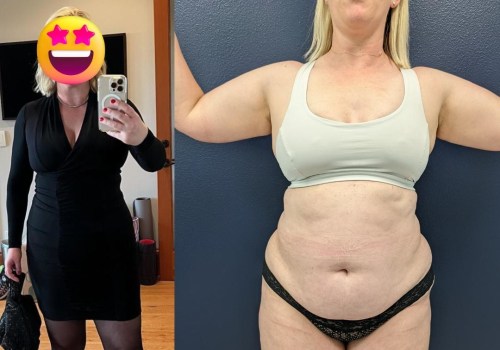
When considering liposuction, it is crucial for patients to have a clear understanding of what to expect from the procedure. Many individuals enter consultations with preconceived notions about the outcomes, often influenced by images or testimonials that may not accurately reflect their unique circumstances.Therefore, setting realistic expectations is essential for a satisfactory experience.Firstly, it is important to recognise that liposuction is not a weight-loss solution but rather a body contouring procedure. The primary goal is to remove stubborn fat deposits that are resistant to diet and exercise, helping to enhance the overall shape and proportion of the body. Patients should understand that while they may see a reduction in fat, significant weight loss is not typically achieved through this method.During the initial consultation, patients should engage in an open dialogue with their surgeon about their goals and desired outcomes. This discussion should include:
- Current Health Status: A thorough assessment of the patient’s health can influence the results and recovery process.
- Body Composition: Understanding how fat distribution varies among individuals can help set realistic goals.
- Desired Areas of Treatment: Specific areas may yield different results based on individual anatomy.
- Recovery Expectations: Discussing the recovery timeline and potential discomfort can prepare patients for what lies ahead.
Factors such as skin elasticity, age, and overall health can significantly impact the final results. For instance, individuals with good skin elasticity may experience better tightening post-procedure compared to those with looser skin. This aspect should be discussed thoroughly during consultations.In terms of recovery, patients should anticipate some swelling and bruising in the treated areas, which can take several weeks to subside. It is essential to follow post-operative care instructions provided by the surgeon to ensure optimal healing and results.
Patience is key; while some changes may be visible immediately, final results can take several months to fully manifest as swelling diminishes.Ultimately, having informed discussions with a qualified plastic surgeon will empower patients to set realistic expectations regarding their liposuction journey. By understanding both the potential and limitations of the procedure, individuals can approach their transformation with confidence and clarity.
Post-Procedure Care and Recovery
After undergoing liposuction, proper post-operative care is crucial for ensuring a smooth recovery and achieving the best possible results. Understanding what to expect during the recovery phase can help alleviate anxiety and promote a positive healing experience.Initial Recovery Period
The first few days following your liposuction procedure are typically the most challenging. Patients may experience swelling, bruising, and discomfort in the treated areas.
It is essential to follow your surgeon's specific instructions regarding pain management, which may include prescribed medications or over-the-counter pain relievers.
Compression Garments
Wearing a compression garment is a vital part of the recovery process. This garment helps reduce swelling, supports the healing tissues, and aids in contouring the body to its new shape. Patients are usually advised to wear this garment continuously for several weeks, only removing it for bathing or as directed by their surgeon.
Activity Restrictions
During the initial recovery phase, it is important to limit physical activity. Strenuous exercise and heavy lifting should be avoided for at least two weeks.
Gentle walking is encouraged to promote circulation and prevent blood clots, but patients should listen to their bodies and not push themselves too hard.
Hydration and Nutrition
Staying hydrated and maintaining a balanced diet can significantly impact recovery. Drinking plenty of water helps reduce swelling and supports overall healing. A diet rich in vitamins, minerals, and protein can aid in tissue repair and recovery.
Monitoring Your Recovery
It is essential to keep an eye on your recovery progress. Look out for any signs of complications, such as excessive swelling, unusual pain, or fever.
If you notice anything concerning, do not hesitate to contact your surgeon for advice.
Follow-Up Appointments
Attending all scheduled follow-up appointments is crucial for monitoring your healing process. Your surgeon will assess your progress, remove any stitches if necessary, and provide guidance on when you can gradually resume normal activities.
Long-Term Care
As you continue to heal over the following weeks and months, it’s important to maintain a healthy lifestyle. Regular exercise and a balanced diet will help you maintain your new shape and prevent the accumulation of fat in other areas.In conclusion, effective post-operative care following liposuction is essential for optimal healing and results. By adhering to your surgeon's guidelines, monitoring your recovery closely, and maintaining a healthy lifestyle, you can ensure that you achieve the best possible outcome from your procedure.
Frequently Asked Questions about Liposuction Limits
When considering liposuction, many patients have questions regarding the procedure, particularly about the safe limits for fat removal.Here are some of the most frequently asked questions that can help clarify these concerns:
- What is the maximum amount of fat that can be removed during liposuction?
The general guideline suggests that up to 5 litres (approximately 11 pounds) of fat can be safely removed in a single session. However, this limit can vary based on individual factors such as body composition and health status. - Is there a difference between weight loss and fat removal?
Yes, it is crucial to understand that liposuction is not a weight-loss procedure. Instead, it is designed for body contouring by removing stubborn fat deposits that do not respond to diet and exercise. - Can I have multiple areas treated in one session?
Yes, it is possible to treat multiple areas during one procedure, but the total volume of fat removed should not exceed the recommended limits. Your surgeon will assess your individual case to determine the best approach. - What factors influence how much fat can be safely removed?
Several factors play a role, including your overall health, body mass index (BMI), and the specific areas being treated.A thorough consultation with a qualified plastic surgeon will help establish realistic expectations.
- Are there risks associated with removing larger amounts of fat?
Yes, removing excessive amounts of fat can increase the risk of complications such as fluid imbalance, infection, and prolonged recovery times. It is essential to prioritise safety over aesthetic goals.
Conclusion: Key Takeaways on Liposuction Safety and Efficacy
In summary, understanding the safe limits for fat removal through liposuction is crucial for both patients and practitioners. Throughout this article, we have explored various factors that influence the amount of fat that can be safely extracted during a liposuction procedure.Here are the key takeaways:
- Individual Variability: Each patient is unique, and factors such as body mass index (BMI), overall health, and specific treatment areas play a significant role in determining how much fat can be safely removed.
- Recommended Limits: The American Society of Plastic Surgeons suggests a maximum of 5 litres (approximately 11 pounds) of fat can be removed in a single session. However, this is a general guideline and should be tailored to each individual's circumstances.
- Realistic Expectations: Liposuction is primarily a body contouring procedure rather than a weight-loss solution. Patients should have realistic expectations regarding the outcomes and understand that the procedure is designed to enhance body shape rather than drastically reduce weight.
- Consultation Importance: A thorough consultation with a qualified plastic surgeon is essential. This allows for an assessment of individual goals, health status, and the specific areas targeted for fat removal, ensuring that the procedure aligns with the patient’s expectations.
- Safety Considerations: The risk of complications increases with larger volumes of fat removal.
Therefore, it is vital to adhere to safe limits to ensure patient safety and achieve optimal results.