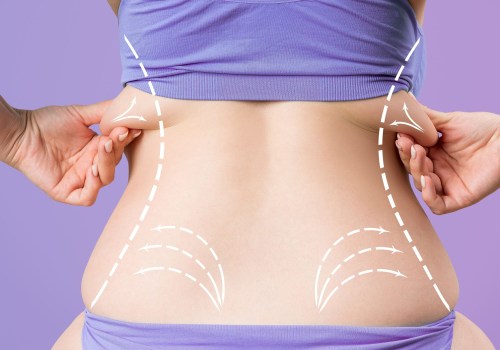
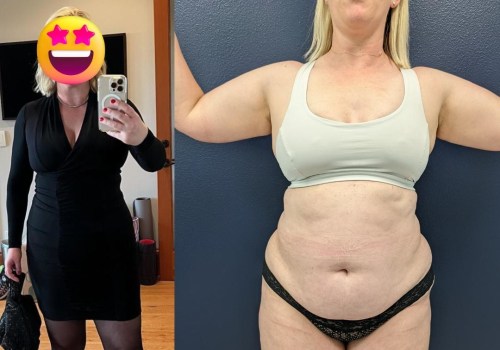
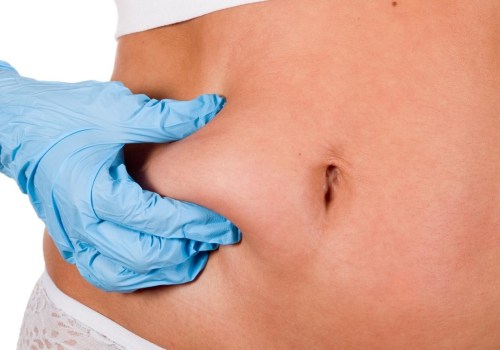
Liposuction is a popular cosmetic procedure designed to remove stubborn fat deposits from various areas of the body. It is often sought after by individuals who struggle with localized fat that does not respond to diet and exercise. This surgical technique allows for targeted fat removal, helping patients achieve a more contoured and sculpted appearance. While many people associate liposuction solely with weight loss, it is essential to understand that its primary purpose is body contouring rather than significant weight reduction.The liposuction procedure typically involves the use of a thin tube called a cannula, which is inserted through small incisions in the skin.
The surgeon then uses this cannula to suction out excess fat from the targeted areas. Common treatment zones include the abdomen, thighs, buttocks, arms, and neck. The procedure can be performed under local or general anaesthesia, depending on the extent of fat removal and the patient's preferences.One of the key advantages of liposuction is its ability to provide immediate results. Patients often notice a significant change in their body shape shortly after the procedure, although final results may take several weeks to fully manifest as swelling subsides.
It is important for prospective patients to have realistic expectations regarding the outcomes of liposuction. While many individuals experience enhanced self-esteem and body confidence post-procedure, liposuction should not be viewed as a substitute for a healthy lifestyle.In summary, liposuction serves as an effective solution for those looking to eliminate stubborn fat and enhance their body contours. Understanding what liposuction entails, how it works, and its intended purpose is crucial for anyone considering this transformative procedure. As we delve deeper into this article, we will explore various aspects of liposuction, including its benefits, risks, and what one can expect during recovery.
The Different Types of Liposuction Techniques
Liposuction has evolved significantly over the years, leading to the development of various techniques tailored to meet the unique needs of patients.Understanding these different types of liposuction is essential for anyone considering the procedure, as each method offers distinct advantages and considerations.
Tumescent Liposuction
is one of the most commonly performed techniques. This method involves injecting a large volume of a saline solution mixed with local anaesthetic and epinephrine into the targeted fat areas before the fat is suctioned out. The saline solution helps to swell and firm the fat, making it easier to remove while minimising blood loss and post-operative pain. Patients often experience a quicker recovery time with this technique due to its minimally invasive nature.
Ultrasound-Assisted Liposuction (UAL)
is another innovative approach that utilises ultrasound energy to liquefy fat cells before they are removed.
This technique is particularly effective for fibrous areas of the body, such as the back or male breast tissue. The ultrasound waves break down fat cells, allowing for smoother removal and potentially less trauma to surrounding tissues. UAL can be beneficial for patients looking to achieve more precise body contouring.
Laser-Assisted Liposuction
, often referred to as SmartLipo, employs laser technology to melt fat before it is suctioned out. This method not only facilitates fat removal but also promotes skin tightening due to the heat generated by the laser.
Patients may appreciate this dual benefit, especially in areas where skin laxity is a concern. However, it’s important to note that while laser liposuction can be effective, it may not be suitable for larger volumes of fat removal.Each liposuction technique has its own set of benefits and potential drawbacks. Factors such as the amount of fat to be removed, the specific area being treated, and individual patient health should all be considered when choosing a method. Consulting with a qualified plastic surgeon can help determine which technique aligns best with your goals and expectations.In conclusion, understanding the various types of liposuction techniques available today empowers potential patients to make informed decisions about their body contouring options.
Whether opting for tumescent, ultrasound-assisted, or laser-assisted liposuction, being well-informed can lead to more satisfying outcomes and a smoother recovery process.
Who is an Ideal Candidate for Liposuction?
Determining whether you are an ideal candidate for liposuction involves several factors, including your overall health, body type, and specific aesthetic goals. Understanding these criteria can help you make an informed decision about whether this procedure is right for you.Age Considerations
While there is no strict age limit for liposuction, most surgeons recommend that candidates be at least 18 years old. This is primarily because the body continues to change during adolescence, and it is essential to wait until physical development is complete. Additionally, older adults may still be suitable candidates if they are in good health and have realistic expectations about the outcomes.
Health Status
Your overall health plays a crucial role in determining your candidacy for liposuction.
Ideal candidates should:
- Be at or near their target weight, as liposuction is not a weight-loss solution but rather a body contouring procedure.
- Have no underlying health conditions that could complicate surgery or recovery, such as heart disease, diabetes, or blood clotting disorders.
- Be non-smokers or willing to quit smoking prior to the procedure, as smoking can hinder healing and increase the risk of complications.
Body Type and Fat Distribution
Liposuction is most effective for individuals with specific body types. Ideal candidates typically have:
- Localized fat deposits that are resistant to diet and exercise, such as love handles, belly fat, or thigh bulges.
- A firm skin tone and elasticity; this helps ensure that the skin will retract properly after fat removal.
- A healthy lifestyle that includes regular exercise and a balanced diet, as this indicates a commitment to maintaining results post-procedure.
Realistic Expectations
Finally, having realistic expectations about the results of liposuction is vital. Candidates should understand that while liposuction can enhance body contours, it does not provide a perfect body or replace healthy lifestyle choices. Discussing your goals with a qualified surgeon can help clarify what is achievable through the procedure.In summary, an ideal candidate for liposuction is someone who is in good health, has realistic expectations, and possesses specific body characteristics that make them suitable for this transformative procedure.
If you believe you meet these criteria, consulting with a board-certified plastic surgeon can provide further insights tailored to your individual situation.
Setting Realistic Expectations: What Liposuction Can and Cannot Do
When considering liposuction, it is crucial to understand what the procedure can realistically achieve. Many individuals mistakenly view liposuction as a quick fix for weight loss, but this perception can lead to disappointment and dissatisfaction with the results.Liposuction is primarily a body contouring procedure
. It is designed to target specific areas of stubborn fat that do not respond to diet and exercise. Common areas for treatment include the abdomen, thighs, hips, arms, and neck.
However, it is important to note that liposuction is not intended for significant weight loss. In fact, most patients can expect to lose only a modest amount of fat—typically between one and two kilograms—after the procedure.To set realistic expectations, consider the following:
- Ideal Candidates: The best candidates for liposuction are those who are already at or near their ideal weight but struggle with localized fat deposits. This means that individuals who are significantly overweight may not be suitable candidates for the procedure.
- Results Vary: The outcomes of liposuction can vary greatly from person to person. Factors such as skin elasticity, body type, and overall health play a significant role in determining the final results.
- Not a Substitute for Healthy Lifestyle: While liposuction can enhance your body shape, it should not replace a healthy lifestyle.
Maintaining a balanced diet and regular exercise is essential for sustaining the results over time.
- Recovery Time: Post-operative recovery can vary. Patients may experience swelling, bruising, and discomfort for several weeks following the procedure. Understanding this timeline is vital for managing expectations regarding when you will see your final results.
By setting realistic expectations and understanding the limitations of the procedure, you can make informed decisions that align with your personal goals.
The Importance of Choosing a Qualified Surgeon
When considering liposuction, one of the most critical decisions you will make is selecting a qualified surgeon. The expertise and experience of your surgeon can significantly influence not only the outcome of the procedure but also your overall safety and satisfaction. Here are some essential factors to consider when choosing a surgeon for liposuction.Qualifications and Credentials
- Ensure that the surgeon is board-certified in plastic surgery. This certification indicates that they have undergone rigorous training and adhere to high standards of practice.
- Look for additional certifications or memberships in professional organisations, such as the British Association of Aesthetic Plastic Surgeons (BAAPS) or the American Society of Plastic Surgeons (ASPS). Look for additional certifications or memberships in professional organisations, such as the British Association of Aesthetic Plastic Surgeons (BAAPS) or the American Society of Plastic Surgeons (ASPS).
These affiliations often require ongoing education and adherence to ethical guidelines.
Experience in Liposuction
Not all plastic surgeons have the same level of experience with liposuction. It is crucial to inquire about:
- The number of liposuction procedures the surgeon has performed. A higher volume often correlates with better outcomes.
- The specific techniques they use, as advancements in technology and methods can impact results.
- Before-and-after photos of previous patients to assess their aesthetic results and consistency.
Consultation Process
A thorough consultation is vital for establishing a rapport with your surgeon. During this meeting, you should:
- Discuss your goals and expectations openly.
A qualified surgeon will listen carefully and provide realistic feedback.
- Ask about potential risks and complications associated with the procedure, as well as how they handle any issues that may arise. Ask about potential risks and complications associated with the procedure, as well as how they handle any issues that may arise.
- Evaluate their communication style. You should feel comfortable asking questions and expressing concerns.
Researching Potential Surgeons
Utilise online resources to gather information about potential surgeons:
- Read reviews and testimonials from previous patients to gauge their experiences.
- Check for any disciplinary actions or malpractice claims against the surgeon through medical boards or regulatory bodies.
- Consider seeking recommendations from friends or family who have undergone similar procedures.
Potential Risks and Complications of Liposuction
While liposuction can offer transformative results, it is essential to be aware of the potential risks and complications associated with the procedure. Understanding these factors can help patients make informed decisions and prepare adequately for their journey.One of the most common risks of liposuction is infection.As with any surgical procedure, there is a possibility of bacteria entering the body during the operation, which can lead to serious complications. Patients are advised to follow their surgeon's post-operative care instructions meticulously to minimise this risk.Another significant concern is fluid accumulation , known as seroma. This occurs when fluid builds up in the space where fat was removed. In some cases, this may require additional procedures to drain the fluid and ensure proper healing.
Blood clots
are also a potential complication, particularly in patients who have underlying health issues or those who do not mobilise quickly after surgery.
These clots can travel to the lungs, causing a serious condition known as pulmonary embolism, which can be life-threatening.Additionally, patients may experience irregularities in skin contour. If too much fat is removed or if the procedure is not performed evenly, it can result in an uneven appearance or noticeable lumps and bumps on the skin surface. This highlights the importance of choosing a qualified and experienced surgeon who prioritises aesthetic outcomes.
Nerve damage
is another risk that can lead to temporary or permanent changes in sensation in the treated areas. While most patients recover fully, some may experience prolonged numbness or tingling.Moreover, there are side effects that patients should anticipate post-surgery.
Common side effects include swelling, bruising, and discomfort in the treated areas. These symptoms typically subside within a few weeks; however, some patients may find that swelling persists for an extended period.Lastly, it is crucial to consider the psychological impact of liposuction. While many patients report increased confidence post-procedure, others may experience feelings of disappointment if their results do not meet their expectations. This underscores the importance of having realistic goals and open communication with your surgeon about what liposuction can achieve.In conclusion, while liposuction can be an effective method for body contouring, it is not without its risks and complications.
Patients should engage in thorough discussions with their healthcare providers to understand these potential issues fully and ensure they are making a well-informed decision.
The Recovery Process: What to Expect After Liposuction
Undergoing liposuction is a significant decision, and understanding the recovery process is crucial for achieving the best results. After the procedure, patients can expect a range of physical sensations and changes as their bodies begin to heal.Immediately following liposuction, it is common to experience some discomfort, swelling, and bruising in the treated areas. These symptoms are part of the body’s natural healing response. Most patients report that the discomfort is manageable and can be alleviated with prescribed pain medication.Typical Recovery Timeline
The recovery timeline can vary depending on the extent of the procedure and individual health factors.Generally, here’s what you can expect:
- First Few Days: During the initial days post-surgery, rest is essential. Patients are usually advised to take it easy and avoid strenuous activities. Swelling and bruising will be most pronounced during this time.
- One Week: Many patients can return to light activities within a week. However, it’s important to listen to your body and not rush back into a full routine.
- Two to Four Weeks: By this stage, most swelling should start to subside significantly.
Patients often feel more comfortable resuming normal activities, but high-impact exercises should still be avoided.
- Six Weeks: At this point, many individuals feel close to their normal selves again. However, complete healing may take several months, and final results may not be visible until all swelling has resolved.
Post-Operative Care Tips
To ensure a smooth recovery process after liposuction, consider the following post-operative care tips:- Wear Compression Garments: Your surgeon will likely recommend wearing compression garments for several weeks post-surgery. These garments help reduce swelling and support your new body contours.
- Stay Hydrated: Drinking plenty of water aids in recovery by helping to flush out toxins and reduce swelling.
- Avoid Smoking: Smoking can impede healing and increase the risk of complications. It’s advisable to refrain from smoking during your recovery period.
- Follow-Up Appointments: Attend all scheduled follow-up appointments with your surgeon.
These visits are crucial for monitoring your healing progress and addressing any concerns.
- Listen to Your Body: Pay attention to how you feel during recovery. If you experience excessive pain or unusual symptoms, contact your surgeon immediately.
Cost Considerations: How Much Does Liposuction Really Cost?
When considering liposuction, one of the most pressing questions for potential patients is the cost associated with the procedure. Understanding the financial implications is crucial for effective budgeting and ensuring that you are making an informed decision.On average, the cost of liposuction can range significantly, typically falling between £2,000 and £7,000.However, this price can vary based on several factors:
- Geographic Location: The cost of living in your area can greatly influence the price of liposuction. Urban centres with higher living costs often have higher surgical fees compared to rural areas.
- Surgeon’s Experience: A highly experienced and reputable surgeon may charge more for their expertise. It is essential to consider the surgeon's qualifications and track record when evaluating costs.
- Type of Liposuction Technique: There are various techniques available, such as tumescent liposuction, ultrasound-assisted liposuction, and laser-assisted liposuction. Each method has different costs associated with it due to varying levels of technology and expertise required.
- Extent of Treatment: The amount of fat being removed and the number of areas being treated will also affect the overall cost.
More extensive procedures will naturally incur higher fees.
- Anesthesia and Facility Fees: The type of anesthesia used (local vs. general) and the facility where the procedure is performed can add to the total cost. Surgical centres may have different pricing structures based on their services and amenities.
It is advisable to discuss these options during your consultation to find a solution that fits your financial situation.Ultimately, while cost is a significant consideration, it should not be the sole factor in your decision-making process. Prioritising quality and safety over price can lead to better outcomes and greater satisfaction with your results.
Real Patient Experiences: Testimonials and Insights
Understanding the real-life implications of liposuction can be greatly enhanced by hearing from those who have undergone the procedure. Patient testimonials often reveal the emotional and physical transformations that accompany this body contouring surgery.Emma's Journey: From Self-Doubt to Confidence
Emma, a 34-year-old mother of two, struggled with stubborn fat deposits after her pregnancies. "I tried every diet and exercise plan available, but nothing seemed to work for me.
I felt trapped in my own body," she recalls. After extensive research and consultations, she decided to proceed with liposuction."The results were life-changing. I lost a few inches around my waist and felt more like myself again. It wasn’t just about the physical change; it was about regaining my confidence.
I can now wear clothes I love without feeling self-conscious," Emma shares.
James's Experience: A New Lease on Life
James, a 45-year-old fitness enthusiast, had always been active but found it difficult to shed fat from his abdomen. "I was frustrated because I was doing everything right but still couldn’t achieve the look I wanted," he explains. After discussing his goals with a qualified surgeon, he opted for liposuction."The procedure was straightforward, and the recovery was quicker than I anticipated. Now, I feel like I have a new lease on life.
My friends have noticed the change, and it has motivated me to push even harder in my fitness journey," James states.
Sarah's Reflection: The Emotional Impact
For Sarah, a 29-year-old who had battled body image issues for years, liposuction represented more than just a physical transformation. "I had always been self-conscious about my thighs. After the procedure, I felt liberated. It was as if a weight had been lifted off my shoulders," she reflects.She emphasizes the importance of setting realistic expectations: "I knew that liposuction wouldn’t solve all my problems, but it gave me the boost I needed to start loving myself more." Sarah now advocates for body positivity and encourages others to consider their motivations before undergoing surgery.
Conclusion
The experiences shared by Emma, James, and Sarah highlight that while liposuction can lead to significant physical changes, the emotional benefits are equally profound.
Each story underscores the importance of thorough research and realistic expectations when considering this transformative procedure.
<strong>Conclusion</strong>: Summarising Key Insights on Liposuction
In conclusion, liposuction is a transformative procedure that can significantly enhance an individual’s body contour and overall confidence. However, it is essential to approach this option with a clear understanding of its capabilities and limitations.Key insights to consider include:
- Liposuction is not a weight-loss solution: It is primarily designed for body contouring, targeting stubborn fat deposits that resist diet and exercise. Patients should ideally be at or near their target weight before considering the procedure.
- Realistic expectations are crucial: While many patients report high satisfaction rates, it is vital to have achievable goals. The average fat removal during liposuction typically results in a modest weight loss of 1 to 2 kilograms.
- The importance of choosing a qualified surgeon: Selecting an experienced and skilled plastic surgeon can greatly influence the outcome.
A proficient surgeon will ensure that the results are natural-looking and harmonious with your body shape.
- Understanding potential risks: As with any surgical procedure, liposuction carries risks, including complications from anaesthesia, infection, and uneven results. Thorough consultations and discussions about these risks with your healthcare provider are essential.
- Post-operative care matters: Recovery involves managing discomfort, swelling, and bruising. Following your surgeon's aftercare instructions is critical for optimal healing and results.
- Liposuction is not a permanent fix: While it can remove fat cells from specific areas, maintaining results requires a commitment to a healthy lifestyle. Weight gain after the procedure can lead to the remaining fat cells enlarging.
By understanding the procedure's nuances and preparing adequately, individuals can make informed decisions that align with their personal goals and health needs.