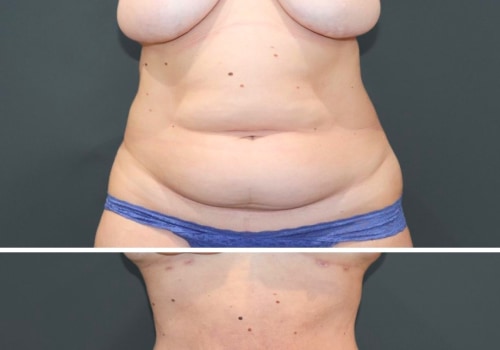
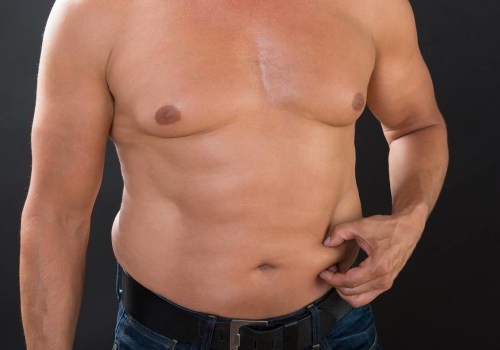
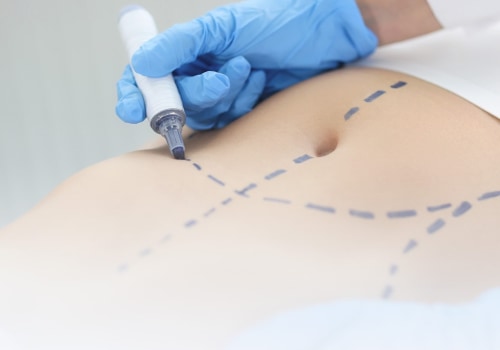
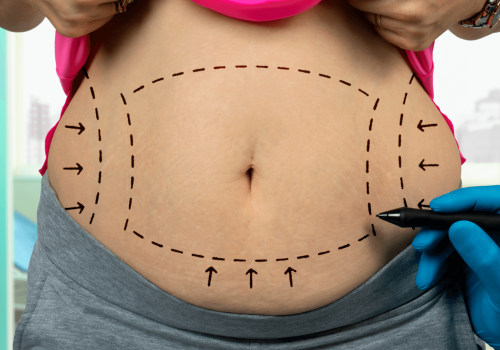
Liposuction is a widely recognised cosmetic surgical procedure designed to remove stubborn fat deposits from various areas of the body. It is particularly sought after by individuals who struggle with localised fat that does not respond to diet and exercise. While many people may associate liposuction with significant weight loss, it is essential to understand that its primary purpose is to enhance body contours and improve overall aesthetics rather than serve as a weight-loss solution.The liposuction procedure involves the use of a thin, hollow tube called a cannula, which is inserted through small incisions in the skin. This cannula is then used to suction out excess fat from targeted areas, such as the abdomen, thighs, buttocks, arms, and neck.
The procedure can be performed under local or general anaesthesia, depending on the extent of fat removal and the patient's preferences. During the operation, the surgeon carefully manoeuvres the cannula to break up fat cells and extract them while minimising damage to surrounding tissues.Understanding how liposuction works is crucial for setting realistic expectations. The technique primarily targets subcutaneous fat—the layer of fat located just beneath the skin—rather than visceral fat, which surrounds internal organs. As a result, while liposuction can lead to noticeable changes in body shape and contour, it does not address issues related to overall body weight or health conditions associated with obesity.
Therefore, individuals considering this procedure should approach it with a clear understanding of its limitations and potential outcomes.
How Much Fat Can Be Removed Safely?
When considering liposuction, one of the most critical aspects to understand is the amount of fat that can be safely removed during the procedure. While many patients may have high expectations regarding fat removal, it is essential to approach this topic with a clear understanding of the limits imposed by medical guidelines and safety protocols.The general consensus among plastic surgeons is that the maximum amount of fat that can be safely extracted during a single liposuction session ranges from three to four litres , which equates to approximately six to eight pounds. This limit is not arbitrary; it is based on extensive research and clinical experience aimed at minimising risks associated with the procedure.Factors Influencing Safe Fat Removal
Several factors play a significant role in determining how much fat can be safely removed:- Patient's Overall Health: A thorough medical evaluation is crucial. Patients with underlying health conditions may face increased risks, which could limit the amount of fat that can be safely removed.
- Body Mass Index (BMI): Studies indicate that individuals with a higher BMI may be able to undergo more extensive fat removal.
However, this should always be assessed on a case-by-case basis by a qualified surgeon.
- Area of Fat Removal: Different body areas have varying levels of fat density and skin elasticity. For instance, removing fat from areas with looser skin may pose more risks than from firmer regions.
- Technique Used: The method of liposuction employed (such as tumescent, ultrasound-assisted, or laser-assisted) can also influence how much fat can be safely extracted.
Consulting with an experienced plastic surgeon will provide personalised insights and help set achievable goals based on individual circumstances.
Factors Influencing Fat Removal Capacity
When considering liposuction, it is crucial to understand that several factors can significantly influence the amount of fat that can be safely removed during the procedure. These factors include a patient’s Body Mass Index (BMI), overall health status, and individual body characteristics.BMI and Liposuction
Body Mass Index (BMI) is a key metric used to assess whether an individual is underweight, normal weight, overweight, or obese. It is calculated using a person’s weight and height. In the context of liposuction, BMI plays a vital role in determining how much fat can be safely extracted.Generally, patients with a higher BMI may have more fat available for removal; however, this does not mean that they are ideal candidates for extensive fat removal.Research indicates that individuals with a BMI in the overweight range may be able to undergo liposuction with fewer complications compared to those with a lower BMI. However, it is essential to note that safety should always be the priority. A qualified plastic surgeon will evaluate each patient’s BMI alongside other health factors to establish a safe volume of fat removal.
Overall Health Factors
A patient’s overall health is another critical consideration when determining the capacity for fat removal during liposuction. Conditions such as diabetes, heart disease, or any chronic illness can complicate the procedure and recovery process.Patients must disclose their complete medical history during consultations to allow surgeons to assess risks accurately.Moreover, factors such as age and skin elasticity also play a role in the outcome of liposuction. Older patients may experience less skin retraction post-surgery, which can affect aesthetic results. Therefore, understanding these health-related factors is essential for setting realistic expectations regarding the procedure.
Individual Body Characteristics
Every individual has unique body characteristics that can influence the effectiveness of liposuction. For instance, the distribution of fat in the body varies from person to person.Some may have localized fat deposits in areas like the abdomen or thighs, while others may have a more even distribution. This variation affects how much fat can be removed from specific areas without compromising safety.Additionally, skin quality and elasticity are crucial determinants of how well the skin will adapt after fat removal. Patients with good skin elasticity may achieve better contouring results post-liposuction compared to those with loose or sagging skin.In summary, understanding these factors—BMI, overall health status, and individual body characteristics—can help patients make informed decisions about liposuction. Consulting with an experienced plastic surgeon is essential for evaluating these aspects and ensuring a safe and effective procedure.
The Risks of Excessive Fat Removal
While liposuction is often viewed as a straightforward solution for body contouring, it is crucial to understand the risks associated with excessive fat removal.The procedure, although generally safe when performed by qualified professionals, can lead to significant complications if too much fat is extracted in a single session.One of the primary concerns with removing large volumes of fat is the potential for fluid imbalance. The body relies on a delicate balance of fluids, and excessive fat removal can disrupt this equilibrium, leading to dehydration or even shock. This is particularly dangerous as it can affect vital organs and overall health.Another serious risk is the possibility of seromas , which are pockets of fluid that can form under the skin after surgery. These can cause swelling and discomfort, and may require additional procedures to drain the fluid. , which are pockets of fluid that can form under the skin after surgery. These can cause swelling and discomfort, and may require additional procedures to drain the fluid.
In some cases, seromas can lead to infection, further complicating recovery.
Infection
is another significant concern. Any surgical procedure carries a risk of infection, but the likelihood increases with larger incisions and more extensive fat removal. Signs of infection include increased redness, swelling, and discharge from the incision site. Prompt medical attention is essential to manage infections effectively.Moreover, removing too much fat can result in skin necrosis , where the skin tissue dies due to inadequate blood supply.
This condition can lead to permanent scarring and may necessitate further surgical intervention to repair the affected area.Additionally, there are aesthetic risks associated with excessive fat removal. Patients may experience irregularities in skin texture , such as lumps or sagging skin, which can detract from the desired results. Liposuction does not tighten loose skin; therefore, patients with significant skin laxity may require additional procedures like a tummy tuck to achieve optimal outcomes.In conclusion, while liposuction can be an effective method for body contouring, it is essential to approach the procedure with caution. Understanding the risks of excessive fat removal helps patients make informed decisions and manage their expectations.
Always consult with a qualified plastic surgeon who prioritises safety and realistic outcomes when considering liposuction.
Liposuction vs. Weight Loss: Understanding the Difference
When considering body contouring options, it is crucial to understand the fundamental differences between liposuction and traditional weight loss methods. While both aim to improve body shape and appearance, they serve distinct purposes and are suited for different individuals.Liposuction
is primarily a cosmetic procedure designed to remove localized fat deposits that are resistant to diet and exercise. It is not intended as a weight loss solution.
In fact, the ideal candidates for liposuction are those who are already at or near their target weight but struggle with stubborn areas of fat that do not respond to conventional weight loss efforts. This could include areas such as the abdomen, thighs, arms, and love handles.On the other hand, traditional weight loss methods focus on reducing overall body weight through lifestyle changes such as diet and exercise. These methods promote a healthier lifestyle and can lead to significant improvements in overall health, including reductions in obesity-related conditions such as diabetes and heart disease. Weight loss typically involves a caloric deficit, where the body burns more calories than it consumes, leading to fat loss throughout the body.It is essential to note that while liposuction can enhance body contours, it does not address underlying health issues related to obesity.
For individuals with a higher body mass index (BMI) or those who are significantly overweight, liposuction may not be the appropriate choice. Instead, these individuals should focus on sustainable weight loss strategies that promote long-term health benefits.Moreover, relying solely on liposuction without adopting a healthy lifestyle can lead to disappointing results. After the procedure, if patients return to unhealthy eating habits or a sedentary lifestyle, they may regain weight in other areas of the body. Therefore, it is vital for anyone considering liposuction to commit to maintaining a balanced diet and regular physical activity post-procedure.In summary, while liposuction can effectively remove stubborn fat deposits and improve body shape, it should not be viewed as a substitute for traditional weight loss methods.
A comprehensive approach that includes both cosmetic procedures and healthy lifestyle choices will yield the best results for achieving and maintaining an ideal body shape.
Realistic Expectations: What to Anticipate from Liposuction
When considering liposuction, it is crucial to have a clear understanding of what the procedure can realistically achieve. Many individuals enter consultations with high hopes, often influenced by before-and-after photos or testimonials. However, managing expectations is essential to ensure satisfaction with the results.Understanding Liposuction Results
Liposuction is designed to remove localized fat deposits that are resistant to diet and exercise. It is not a weight-loss solution but rather a body contouring procedure.
Patients should expect to see improvements in the shape and proportion of their bodies rather than significant weight loss. The amount of fat that can be safely removed during a single session typically ranges from 1 to 2 litres, depending on various factors such as the patient's overall health and body mass index (BMI).
What to Expect After Liposuction
Post-operative recovery varies from person to person, but there are common experiences that most patients will encounter:
- Swelling and Bruising: It is normal to experience swelling and bruising in the treated areas, which can take several weeks to subside.
- Discomfort: Mild to moderate discomfort is expected, which can usually be managed with prescribed pain relief.
- Activity Restrictions: Patients are often advised to limit physical activity for a few weeks post-surgery to allow for proper healing.
- Final Results: The final results of liposuction may not be visible for several months as the body continues to heal and adjust.
The Importance of Consultation
A thorough consultation with a qualified plastic surgeon is vital for setting realistic expectations. During this meeting, patients should discuss their goals, medical history, and any concerns they may have. A skilled surgeon will provide insights into what can be achieved based on individual circumstances and will help patients understand the limitations of the procedure.Ultimately, having realistic expectations about liposuction can lead to greater satisfaction with the results.
By understanding what the procedure entails and engaging in open discussions with healthcare professionals, patients can make informed decisions that align with their aesthetic goals.
Consultation with a Plastic Surgeon: What to Discuss
When considering liposuction, a thorough consultation with a qualified plastic surgeon is essential. This meeting is your opportunity to gather vital information, clarify doubts, and set realistic expectations about the procedure. Here are some key points to discuss during your consultation:- Your Goals and Expectations: Clearly articulate what you hope to achieve with liposuction. Discuss specific areas of concern and desired outcomes.
This helps the surgeon understand your vision and determine if it aligns with what is realistically achievable.
- Surgeon’s Experience: Inquire about the surgeon's qualifications, experience, and the number of liposuction procedures they have performed. A skilled surgeon will have a portfolio of before-and-after photos to showcase their work.
- Technique Used: Ask about the specific liposuction technique that will be employed (e.g., tumescent, ultrasound-assisted, or laser-assisted). Each method has its advantages and potential drawbacks, so understanding the approach can help you make an informed decision.
- Risks and Complications: Every surgical procedure carries risks. Discuss potential complications associated with liposuction, such as infection, scarring, or uneven results.
Understanding these risks will help you weigh the benefits against possible downsides.
- Recovery Process: Inquire about the expected recovery timeline, including any restrictions on physical activity and when you can return to work. Knowing what to expect post-surgery can help you plan accordingly.
- Cost and Financing Options: Discuss the total cost of the procedure, including any additional fees for anaesthesia or facility use. If necessary, ask about financing options or payment plans that may be available.
Additionally, it may be helpful to bring along photos that illustrate your desired results.Ultimately, a successful consultation is one where you feel comfortable asking questions and expressing concerns. A reputable plastic surgeon will take the time to address all your queries thoroughly, ensuring you leave with a clear understanding of what liposuction entails and whether it is the right choice for you.
Conclusion: The Bottom Line on Liposuction
In summary, liposuction is a widely sought-after cosmetic procedure that offers the potential to reshape and contour the body by removing stubborn fat deposits. However, it is crucial to understand that liposuction is not a weight-loss solution. The procedure is designed to target specific areas of fat that are resistant to diet and exercise, making it ideal for individuals who are already at or near their target weight but wish to enhance their body shape.The maximum amount of fat that can be safely removed during a single liposuction session typically ranges from six to eight pounds, or approximately three to four litres.This limitation is in place primarily to mitigate the risks associated with excessive fat removal, which can lead to serious complications. It is essential for patients to have realistic expectations regarding the outcomes of the procedure and to understand that significant weight loss should be achieved through lifestyle changes rather than surgical intervention.Moreover, liposuction specifically targets subcutaneous fat—the fat located just beneath the skin—rather than visceral fat, which surrounds internal organs and poses greater health risks. Therefore, individuals seeking to address obesity-related health issues should consider alternative methods in conjunction with or prior to contemplating liposuction.As we have discussed, factors such as Body Mass Index (BMI) play a significant role in determining how much fat can be safely removed. Higher BMI patients may have different thresholds for fat removal, but this should always be approached with caution and under the guidance of a qualified plastic surgeon.Ultimately, the key takeaway is that while liposuction can effectively enhance body contours and improve self-esteem, it should not be viewed as a substitute for a healthy lifestyle.
Consulting with an experienced plastic surgeon is vital for setting realistic goals and ensuring a safe and satisfactory outcome. By prioritising informed decision-making and understanding the limitations of the procedure, patients can achieve their desired results while minimising risks.