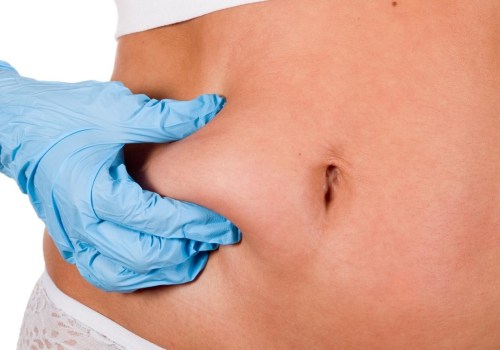
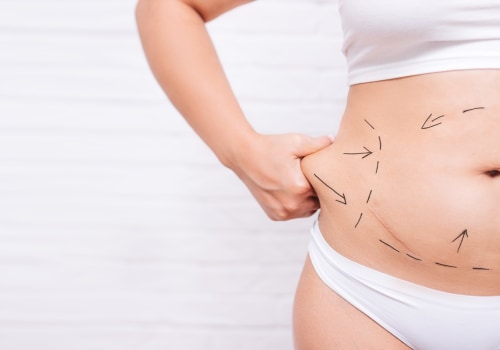
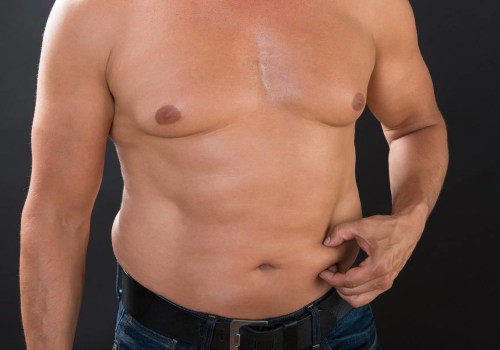
Liposuction is a popular cosmetic procedure designed to remove stubborn fat deposits that often resist diet and exercise. While many individuals seek liposuction as a quick fix for weight loss, it is crucial to understand that this procedure is not intended as a weight loss solution. Instead, it serves as a body contouring method that can enhance the overall shape and appearance of the body when performed on patients who are already close to their ideal weightideal weight .Achieving and maintaining an ideal weight before undergoing liposuction is essential for several reasons. Firstly, being at or near your ideal weight ensures that the body has a stable foundation for the procedure, which can lead to more predictable and satisfying results.
When patients are within 30 pounds of their ideal weight, they are more likely to experience optimal outcomes, as the fat removed during the procedure will have a more significant impact on their overall body shape.Moreover, having a healthy body composition plays a vital role in the recovery process post-surgery. Patients who are at their ideal weight tend to heal faster and experience fewer complications. This is because excess weight can put additional strain on the body during recovery, potentially leading to issues such as infection or delayed healing. Therefore, understanding the importance of being at an ideal weight before liposuction not only enhances aesthetic results but also promotes a smoother recovery journey.In summary, while liposuction can be an effective way to eliminate unwanted fat, it is imperative for candidates to focus on achieving their ideal weight beforehand.
This approach not only maximises the benefits of the procedure but also aligns with a commitment to a healthier lifestyle, ensuring long-lasting results and satisfaction.
What is Liposuction?
Liposuction
is a popular cosmetic surgical procedure designed to remove stubborn fat deposits from specific areas of the body. Unlike traditional weight loss methods such as diet and exercise, which aim to reduce overall body weight, liposuction targets localized fat that is often resistant to these efforts. This makes it an appealing option for individuals looking to enhance their body contours and achieve a more sculpted appearance.The liposuction procedure typically involves the use of a thin tube called a cannula, which is inserted through small incisions in the skin. The surgeon then uses this cannula to suction out excess fat from the targeted areas.
The procedure can be performed under local or general anaesthesia, depending on the extent of fat removal and the patient's preference.
Types of Liposuction
There are several techniques of liposuction, each with its own advantages:- Tumescent Liposuction:Tumescent Liposuction: This is the most common technique, where a solution containing saline, anaesthetic, and epinephrine is injected into the fatty tissue before suctioning. This helps to minimise bleeding and pain.
- Ultrasound-Assisted Liposuction (UAL): This method uses ultrasound energy to liquefy fat cells before they are removed. It is particularly effective for fibrous areas of the body, such as the back or male breast tissue.
- Laser-Assisted Liposuction (LAL): In this technique, laser energy is used to melt fat cells, making them easier to remove. It also promotes skin tightening due to the heat generated by the laser.
- Suction-Assisted Liposuction (SAL): This traditional method relies solely on suction to remove fat without any additional techniques or energy sources.
Ideal candidates are those who are close to their ideal weight, have good skin elasticity, and maintain a healthy lifestyle. The results can be long-lasting if patients commit to maintaining their weight post-procedure.In summary, liposuction offers a targeted approach to fat removal that can significantly enhance body shape. By understanding the various techniques available and how they differ from other weight loss methods, potential candidates can make informed decisions about whether this procedure aligns with their aesthetic goals.
The Role of Ideal Weight in Liposuction
When considering liposuction, understanding the significance of achieving or maintaining an ideal weight is paramount. This procedure is not merely a method for weight loss; rather, it is designed to sculpt and refine the body by removing localized fat deposits that are resistant to diet and exercise.Therefore, being at or near your ideal weight can greatly influence the outcome of the surgery.One of the primary reasons why ideal weight matters in liposuction is related to body composition. Candidates who are closer to their ideal weight typically have a healthier ratio of muscle to fat. This balance not only enhances the aesthetic results post-surgery but also contributes to a smoother recovery process. When excess fat is removed from a body that is already well-toned, the results are often more pronounced and satisfying.Moreover, fat distribution plays a crucial role in determining how effective liposuction will be.
Individuals with a more even distribution of fat across their bodies tend to experience better results than those with concentrated areas of fat. For instance, if a patient has significant fat deposits in specific areas while being overweight overall, liposuction may not yield the desired results unless they first achieve a more balanced body composition.In addition to body composition and fat distribution, overall health is another critical factor that influences candidacy for liposuction. Patients who are at or near their ideal weight are generally healthier, which reduces the risk of complications during and after the procedure. Conditions such as diabetes, hypertension, or cardiovascular issues can complicate surgery and recovery, making it essential for candidates to be in good health before undergoing liposuction.Furthermore, maintaining an ideal weight can help ensure that patients have realistic expectations regarding their results.
Many individuals may envision dramatic transformations; however, liposuction is intended to enhance existing contours rather than create entirely new body shapes. Therefore, understanding what can be achieved based on one’s current weight and body type is vital.In conclusion, achieving or maintaining an ideal weight is crucial for anyone considering liposuction. It not only optimizes surgical outcomes but also promotes overall health and well-being. By focusing on reaching a stable weight before the procedure, candidates can significantly improve their chances of enjoying long-lasting results.
Determining Your Ideal Weight
Determining your ideal weight is a crucial step in preparing for liposuction, as it helps ensure that you are a suitable candidate for the procedure.There are several methods to assess your ideal weight, with the most common being the Body Mass Index (BMI ) calculation. However, it is essential to consider various factors that can influence what is deemed ideal for your unique body type.
Understanding BMI
BMI is a widely used screening tool that provides a numerical value based on your height and weight. To calculate your BMI, you can use the following formula:- BMI = weight (kg) / (height (m) x height (m))
Factors Affecting Ideal Weight
While BMI is a useful starting point, it does not account for several critical factors that can affect your ideal weight:- Body Composition: Muscle mass weighs more than fat, so individuals with higher muscle mass may have a higher BMI but still be healthy.
- Age: As we age, our metabolism slows down, and body composition changes, which can affect our ideal weight.
- Gender: Men and women typically have different body compositions and fat distribution patterns, influencing their ideal weight.
- Genetics: Your genetic makeup plays a significant role in determining your body shape and weight distribution.
- Activity Level: Regular physical activity can help maintain a healthy weight and improve overall health.
They can help you set realistic goals based on your individual health profile and lifestyle.In conclusion, understanding how to determine your ideal weight through methods like BMI calculation and considering personal health metrics is vital for anyone contemplating liposuction. By taking these steps, you can ensure that you are not only prepared for the procedure but also on the path to achieving lasting results.
Health Considerations Before Liposuction
Before considering liposuction, it is essential to evaluate various health factors that can significantly influence both the safety and effectiveness of the procedure. Understanding these health considerations can help potential candidates make informed decisions and prepare adequately for surgery.1.Assessing Your Overall Health
It is crucial to have a comprehensive health assessment prior to undergoing liposuction. This includes:
- Medical History: Disclose any pre-existing conditions such as diabetes, heart disease, or respiratory issues to your surgeon.
These conditions can affect your recovery and the overall outcome of the procedure.
- Medications: Inform your surgeon about all medications and supplements you are taking, as some may need to be paused or adjusted before surgery.
- Allergies: Be sure to mention any allergies, particularly to anaesthetics or medications, to avoid complications during the procedure.
2.Maintaining a Healthy Lifestyle
Leading up to your surgery, adopting a healthy lifestyle can enhance your results and recovery:
- Balanced Diet: Focus on a nutritious diet rich in fruits, vegetables, lean proteins, and whole grains. This not only helps in achieving your ideal weight but also strengthens your immune system.
- Regular Exercise: Engage in regular physical activity to improve cardiovascular health and muscle tone. Aim for at least 150 minutes of moderate aerobic activity each week.
- Avoid Smoking and Alcohol: Smoking can impede healing, while excessive alcohol consumption can lead to complications. It is advisable to quit smoking at least four weeks before surgery and limit alcohol intake.
3.Mental Preparation
Mental readiness is just as important as physical preparation.
Consider the following:
- Realistic Expectations: Understand that liposuction is not a weight-loss solution but a body contouring procedure. Set achievable goals regarding the results you hope to attain.
- Support System: Surround yourself with supportive friends or family members who can assist you during your recovery period.
- Anxiety Management: If you feel anxious about the procedure, consider discussing your concerns with your surgeon or a mental health professional.
Realistic Expectations: What Liposuction Can Achieve
When considering liposuction, it is crucial to have a clear understanding of what the procedure can realistically achieve. Many individuals harbour misconceptions about liposuction, often viewing it as a quick fix for weight loss or a solution to obesity.However, it is essential to recognise that liposuction is not designed for significant weight reduction; rather, it is intended to sculpt and contour specific areas of the body by removing stubborn fat deposits that are resistant to diet and exercise.One of the most common misconceptions is that liposuction can replace a healthy lifestyle. In reality, the best candidates for this procedure are those who are already close to their ideal weight and maintain a balanced diet and regular exercise routine. Liposuction works best when it is used as a complement to an existing healthy lifestyle, rather than as a substitute for one.After undergoing liposuction, patients can expect to see noticeable changes in their body shape and contour. However, these results may not be immediately visible due to swelling and bruising, which are common post-operative effects.
It typically takes several weeks for the final results to emerge as the body heals and settles into its new shape.To set realistic expectations, it is important to understand the following:
- Liposuction is not a weight loss procedure: The primary goal is to remove localized fat deposits, not to achieve significant weight loss.
- Results vary: Individual results can differ based on factors such as body type, skin elasticity, and the amount of fat removed.
- Post-operative care matters: Following your surgeon's aftercare instructions is vital for optimal healing and results.
- Long-term maintenance: To maintain the results of liposuction, patients should continue with a healthy lifestyle, including regular exercise and a balanced diet.
Post-Procedure Care and Maintaining Results
After undergoing liposuction, the journey towards achieving and maintaining your desired body shape continues with proper post-operative care. This phase is crucial not only for recovery but also for ensuring that the results of the procedure are long-lasting.Post-Operative Care
- Follow Your Surgeon’s Instructions: Adhering to the specific guidelines provided by your surgeon is essential. This includes taking prescribed medications, attending follow-up appointments, and following any recommended restrictions on physical activity.
- Manage Swelling and Discomfort: It is normal to experience some swelling and discomfort after liposuction.
Wearing a compression garment as advised can help reduce swelling and support the healing process. Additionally, applying cold compresses may alleviate discomfort.
- Stay Hydrated: Drinking plenty of water aids in recovery by flushing out toxins and reducing swelling. Proper hydration also supports skin elasticity, which is vital for maintaining your new contours.
- Rest and Recovery: Allow your body adequate time to heal. While light activities can be resumed shortly after surgery, it’s important to avoid strenuous exercise or heavy lifting for several weeks to prevent complications.
Lifestyle Changes for Maintaining Results
To ensure that the results of your liposuction are not only visible but also sustainable, adopting a healthy lifestyle is paramount.
Here are some key changes to consider:
- Balanced Diet: Focus on a nutritious diet rich in fruits, vegetables, lean proteins, and whole grains. Avoiding processed foods high in sugar and unhealthy fats can help prevent fat regrowth.
- Regular Exercise: Incorporating regular physical activity into your routine is vital. Aim for a mix of cardiovascular exercises and strength training to maintain muscle tone and promote overall health.
- Weight Management: Keeping your weight stable is crucial after liposuction. Regularly monitor your weight and make adjustments to your diet and exercise routine as needed to avoid fluctuations that could affect your results.
- Avoiding Smoking and Excessive Alcohol: Smoking can hinder healing and negatively impact skin elasticity, while excessive alcohol consumption can lead to weight gain.
Limiting these habits will support both recovery and long-term results.
FAQs About Liposuction and Ideal Weight
When considering liposuction, many potential patients have questions regarding the procedure and its relationship with ideal weight. Below are some of the most frequently asked questions that can help clarify common concerns and misconceptions.What is the ideal weight for liposuction?
The ideal weight for liposuction varies from person to person, but generally, candidates should be within 30 pounds of their ideal weight. This ensures that the body is stable and healthy enough to undergo the procedure.It’s important to remember that liposuction is not a weight loss solution; rather, it is designed to target specific areas of stubborn fat.
Can I undergo liposuction if I am overweight?
While being slightly overweight may not disqualify you from having liposuction, it is recommended that individuals with a BMI over 30 consider losing weight through diet and exercise before the procedure. This not only enhances the results but also reduces the risk of complications during surgery.How does my body composition affect liposuction results?
Your body composition plays a significant role in determining the success of liposuction. Patients with a higher percentage of body fat may not achieve the same results as those who are closer to their ideal weight. A balanced body composition, which includes muscle tone, can lead to more aesthetically pleasing outcomes.Is liposuction a substitute for diet and exercise?
No, liposuction should not be viewed as a replacement for a healthy lifestyle.It is essential for candidates to maintain a balanced diet and regular exercise routine both before and after the procedure to ensure long-lasting results. Liposuction can help contour your body, but it does not prevent future weight gain.
What should I do if I need to lose a significant amount of weight?
If you have a considerable amount of weight to lose (e.g., 100 pounds or more), it is advisable to pursue natural weight loss methods first. In some cases, additional procedures such as body contouring may be necessary in conjunction with liposuction to achieve desired results.How can I prepare for my consultation?
Before your consultation, it’s beneficial to have an understanding of your current weight, height, and overall health status. Consider setting realistic goals regarding your ideal weight and be prepared to discuss your lifestyle habits with your surgeon.This information will help them provide tailored advice regarding your suitability for liposuction.By addressing these common questions, potential patients can gain a clearer understanding of how liposuction relates to their ideal weight and what steps they can take to prepare for this transformative procedure.
Conclusion: The Path to Successful Liposuction Outcomes
In summary, achieving successful liposuction outcomes hinges significantly on the patient's proximity to their ideal weight. Throughout this discussion, we have highlighted several critical factors that contribute to optimal results from the procedure. Understanding these elements is essential for anyone considering liposuction as a means to enhance their body contour.Firstly, it is vital to recognise that liposuction is not a weight loss solution. Instead, it serves as a method to target and eliminate stubborn fat deposits that resist diet and exercise.Therefore, candidates should ideally be within 30 pounds of their ideal weight, ensuring that they are not only physically prepared but also mentally ready for the changes that will follow.Moreover, maintaining a stable weight prior to the procedure is crucial. Fluctuations in weight can lead to unpredictable results and may complicate the healing process. Patients are encouraged to adopt a healthy lifestyle that includes regular exercise and balanced nutrition, which not only prepares the body for surgery but also aids in sustaining the results post-procedure.Setting realistic expectations is another cornerstone of a successful liposuction journey. Understanding the limitations of the procedure and recognising that it cannot replace a healthy lifestyle will help patients approach their transformation with a positive mindset.
It is essential to view liposuction as a complement to an existing healthy routine rather than a standalone solution.Finally, ongoing commitment to health and wellness after liposuction cannot be overstated. Engaging in physical activity and maintaining a nutritious diet will not only help in preserving the results but also enhance overall well-being. By embracing these principles, patients can enjoy long-lasting benefits from their liposuction experience.In conclusion, while liposuction can indeed be life-changing, its success largely depends on the patient's preparation and commitment to maintaining an ideal weight and healthy lifestyle. By following these guidelines, individuals can maximise their chances of achieving the body they desire and enjoy newfound confidence.