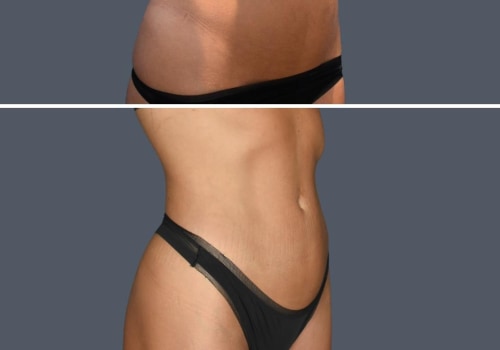
Liposuction is a widely recognised cosmetic procedure designed to remove stubborn fat deposits from various areas of the body. It is particularly sought after by individuals who struggle with localised fat that does not respond to traditional weight loss methods such as diet and exercise. This surgical technique allows for the sculpting of the body, enhancing contours and improving overall appearance. However, understanding what liposuction entails and how it works is crucial for anyone considering this option.The liposuction procedure involves the use of a thin tube, known as a cannula, which is inserted through small incisions in the skin.
This cannula is then used to suction out excess fat from targeted areas, such as the abdomen, thighs, buttocks, arms, and neck. The process begins with the administration of anaesthesia to ensure patient comfort during the operation. Depending on the technique used, either traditional methods or advanced technologies like ultrasound or laser may be employed to facilitate fat removal.During the procedure, the surgeon carefully manoeuvres the cannula to break up fat cells and extract them efficiently. The amount of fat that can be removed in one session varies based on individual factors such as body type and desired outcomes. This cannula is then used to suction out excess fat from targeted areas, such as the abdomen, thighs, buttocks, arms, and neck. The process begins with the administration of anaesthesia to ensure patient comfort during the operation. Depending on the technique used, either traditional methods or advanced technologies like ultrasound or laser may be employed to facilitate fat removal.During the procedure, the surgeon carefully manoeuvres the cannula to break up fat cells and extract them efficiently. The amount of fat that can be removed in one session varies based on individual factors such as body type and desired outcomes.
It is essential to have realistic expectations regarding results, as liposuction is not a weight-loss solution but rather a means to enhance body shape.Post-surgery, patients typically experience some swelling and bruising, which gradually subsides over time. While liposuction permanently removes fat cells from the treated areas, it is important to maintain a healthy lifestyle to prevent new fat accumulation in other parts of the body. Understanding these aspects of liposuction lays the groundwork for further discussions about its effectiveness and long-term results.
The Science Behind Fat Cells
To understand the implications of liposuction and the concerns surrounding the return of belly fat, it is essential to delve into the biology of fat cells. These cells, known scientifically as adipocytes, play a crucial role in how our bodies store and manage fat.Fat cells are not static; they undergo a lifecycle that includes growth, shrinkage, and even death.When we gain weight, our existing fat cells can expand to store more fat. Conversely, during weight loss, these cells can shrink as the body uses stored fat for energy. However, the number of fat cells in an adult's body remains relatively constant after reaching adulthood. This means that while fat cells can change in size, they do not regenerate or multiply significantly.Research indicates that when fat is removed through procedures like liposuction, the total number of fat cells in the treated area decreases permanently.
This is a significant point because it means that those specific fat cells will not return. However, it is crucial to note that the remaining fat cells in other areas of the body can still grow larger if a person gains weight after the procedure.Moreover, the distribution of fat in the body can change post-liposuction. For instance, if a patient gains weight after having liposuction on their abdomen, they may notice an increase in fat accumulation in areas that were not treated, such as the thighs or arms. This phenomenon occurs because the body seeks to maintain its overall balance and may compensate for the loss of fat in one area by storing more in another.In summary, while liposuction effectively removes fat cells from targeted areas and prevents them from returning, it does not eliminate the potential for weight gain or changes in body composition elsewhere.
Understanding how fat cells function and their lifecycle is vital for anyone considering liposuction and for managing expectations regarding long-term results.
Does Belly Fat Return After Liposuction?
One of the most pressing concerns for individuals considering liposuction is whether the fat will return after the procedure, particularly in the abdominal area. To address this question, it is essential to understand how liposuction works and the nature of fat cells in the body.During a liposuction procedure, a specific number of fat cells are surgically removed from targeted areas, such as the belly. Once these fat cells are excised, they do not regenerate. This means that the fat cells that were removed during the procedure are permanently gone.However, it is crucial to note that while these specific fat cells cannot grow back, the remaining fat cells in the body can still expand or contract based on changes in weight.For instance, if a patient weighs 70 kilograms before undergoing liposuction and has 2 kilograms of fat removed from their abdomen, they will have fewer fat cells in that area. If they maintain their weight or lose additional weight, they are likely to enjoy long-lasting results. However, if they gain weight after the procedure, the remaining fat cells can enlarge, potentially leading to an increase in belly fat.Moreover, it is important to understand that liposuction does not prevent future weight gain. If a patient returns to unhealthy eating habits or a sedentary lifestyle post-surgery, they may find that fat accumulates in other areas of their body or even in the treated area due to the body's natural tendency to store excess energy as fat.To ensure optimal results and maintain a healthy body shape after liposuction, patients should adopt a balanced diet and engage in regular physical activity.
This proactive approach not only helps in maintaining weight but also promotes overall well-being.In summary, while liposuction effectively removes fat cells from specific areas and those cells do not return, it is essential for patients to manage their weight post-procedure. By doing so, they can enjoy the benefits of their liposuction results without worrying about unwanted belly fat returning.
Factors Influencing Weight Gain Post-Liposuction
After undergoing liposuction, many individuals are eager to maintain their newly sculpted physique. However, several factors can influence weight gain post-surgery, making it essential to understand how lifestyle choices and personal circumstances play a significant role in sustaining results.Dietary Habits
One of the most critical factors affecting weight after liposuction is diet. Following the procedure, patients are often advised to adopt a balanced and nutritious eating plan.
Consuming a diet rich in whole foods, such as fruits, vegetables, lean proteins, and whole grains, can help maintain weight. Conversely, indulging in high-calorie, processed foods can lead to weight gain. It is vital to be mindful of portion sizes and caloric intake to prevent the remaining fat cells from expanding.
Exercise Regimen
Regular physical activity is another cornerstone of maintaining weight after liposuction. Engaging in a consistent exercise routine not only helps burn calories but also boosts metabolism and strengthens muscles.
Patients should aim for a mix of cardiovascular exercises, such as running or cycling, and strength training to enhance overall body composition. Incorporating physical activity into daily life can significantly reduce the risk of gaining weight.
Individual Metabolism
Each person's metabolism operates differently, influenced by factors such as age, genetics, and hormonal balance. Some individuals may find it easier to maintain their weight due to a naturally higher metabolic rate, while others may struggle with weight management. Understanding one’s metabolic tendencies can help tailor dietary and exercise plans effectively.
Emotional Well-being
Mental health also plays a crucial role in post-liposuction weight management.
Emotional eating or stress-related eating can lead to unwanted weight gain. It is essential for individuals to develop healthy coping mechanisms and seek support if they find themselves struggling with emotional challenges that may affect their eating habits.
Long-term Commitment
Ultimately, maintaining the results of liposuction requires a long-term commitment to a healthy lifestyle. Patients should view liposuction as a tool rather than a solution; it is not a substitute for healthy living. By prioritising diet, exercise, and emotional health, individuals can enjoy the benefits of their procedure while minimising the risk of regaining weight.
The Role of Diet and Exercise in Maintaining Results
After undergoing liposuction, many individuals are eager to maintain their newly sculpted physique.However, achieving long-lasting results requires more than just the surgical procedure; it necessitates a commitment to a balanced diet and regular exercise. Understanding how these elements work together can significantly impact your ability to sustain weight loss and prevent the return of unwanted fat.
The Importance of a Balanced Diet
A well-rounded diet plays a crucial role in maintaining the results of liposuction. Post-surgery, your body needs proper nutrition to heal and function optimally. Here are some dietary tips to consider:- Focus on Whole Foods: Incorporate plenty of fruits, vegetables, whole grains, lean proteins, and healthy fats into your meals.
These foods are nutrient-dense and can help you feel full longer.
- Stay Hydrated: Drinking adequate water is essential for overall health and can aid in weight management. Aim for at least 2 litres of water daily.
- Control Portion Sizes: Be mindful of portion sizes to avoid overeating. Using smaller plates can help you manage your portions effectively.
- Limit Processed Foods: Reduce your intake of sugary snacks, fast food, and other processed items that can contribute to weight gain.
The Role of Exercise
In addition to a healthy diet, regular physical activity is vital for maintaining your liposuction results. Exercise not only helps burn calories but also builds muscle, which can enhance your metabolism.Consider the following strategies:
- Establish a Routine: Aim for at least 150 minutes of moderate aerobic activity each week, such as brisk walking or cycling. This can help you maintain a healthy weight.
- Incorporate Strength Training: Include strength training exercises at least twice a week. Building muscle mass can increase your resting metabolic rate, making it easier to manage weight.
- Stay Active Throughout the Day: Look for opportunities to be active in your daily life, such as taking the stairs instead of the elevator or going for short walks during breaks.
Common Myths About Liposuction Debunked
When considering liposuction, it is essential to separate fact from fiction.Numerous myths and misconceptions surround this popular cosmetic procedure, which can lead to unrealistic expectations and poor decision-making. Here, we will debunk some of the most common myths about liposuction.
- Myth 1: Liposuction is a Weight Loss Solution
Many people mistakenly believe that liposuction is a method for significant weight loss. In reality, liposuction is designed for body contouring rather than weight reduction. It effectively removes localized fat deposits that are resistant to diet and exercise, but it is not a substitute for a healthy lifestyle.Ideal candidates are typically within 30% of their target weight.
- Myth 2: Liposuction Eliminates Cellulite
Another prevalent misconception is that liposuction can treat cellulite. Cellulite is caused by fibrous bands of tissue beneath the skin, which create a dimpled appearance. Since liposuction targets fat cells rather than the underlying connective tissue, it does not effectively address cellulite. Patients seeking to improve the appearance of cellulite should explore other treatment options. - Myth 3: Fat Cells Grow Back After Liposuction
Some individuals worry that fat cells will regenerate after undergoing liposuction.While it is true that the fat cells removed during the procedure do not return, it is crucial to understand that remaining fat cells can still expand if a person gains weight post-surgery. Therefore, maintaining a stable weight through diet and exercise is vital for preserving the results of liposuction.
- Myth 4: Liposuction is a Quick Fix
Many people view liposuction as a quick fix for their body image concerns. However, it requires careful consideration and commitment to a healthy lifestyle before and after the procedure. Recovery time varies, and patients must adhere to post-operative care instructions to achieve optimal results. - Myth 5: Anyone Can Get Liposuction
Not everyone is an ideal candidate for liposuction.Factors such as age, overall health, and skin elasticity play significant roles in determining eligibility. A thorough consultation with a qualified surgeon is necessary to assess individual circumstances and expectations.
What to Expect After Liposuction Surgery
Undergoing liposuction is a significant decision, and understanding the recovery process is crucial for achieving the best results. After the procedure, patients can expect a range of experiences as their bodies heal and adjust to the changes made during surgery.Initial Recovery Phase
In the first few days following liposuction, it is common to experience swelling, bruising, and discomfort in the treated areas.
These symptoms are part of the body’s natural healing process. Patients are typically advised to wear a compression garment to help reduce swelling and support the healing tissues. This garment should be worn continuously for several weeks, as recommended by the surgeon.
Managing Pain and Discomfort
Pain management is an essential aspect of recovery. Surgeons often prescribe pain relief medications to help manage discomfort during the initial recovery phase.
It is important to follow the prescribed dosage and consult with your healthcare provider if pain persists or worsens.
Activity Restrictions
During the first week post-surgery, patients are generally advised to limit physical activity. Light walking is encouraged to promote circulation, but strenuous activities, heavy lifting, or vigorous exercise should be avoided for at least two weeks. Gradually resuming normal activities can help ensure a smoother recovery.
Expected Outcomes
As healing progresses, patients will begin to notice changes in their body shape. While some swelling may persist for several weeks, most patients see significant improvements within a month.
Final results can take up to six months to fully materialise as the body continues to heal and adjust.
Potential Side Effects
- Swelling: This is normal and can last for several weeks.
- Bruising: Bruising may occur around the incision sites but will fade over time.
- Numbness: Some patients experience temporary numbness in the treated areas, which usually resolves on its own.
- Scarring: While incisions are made discreetly, some scarring may occur; following post-operative care instructions can help minimise this.
Long-Term Care
To maintain results after liposuction, it is vital to adopt a healthy lifestyle that includes a balanced diet and regular exercise. This not only helps in preserving the new body shape but also contributes to overall well-being.In summary, understanding what to expect after liposuction surgery can significantly enhance your recovery experience. By adhering to post-operative care guidelines and maintaining open communication with your healthcare provider, you can ensure a smoother transition into your new body shape.
Different Types of Liposuction Techniques
Liposuction has evolved significantly over the years, leading to the development of various techniques tailored to meet different patient needs and preferences. Understanding these options is crucial for anyone considering this procedure, as each method offers unique benefits and considerations.Traditional Liposuction
Traditional liposuction, often referred to as suction-assisted lipectomy, is the most commonly known technique.This method involves the use of a cannula, a thin tube that is inserted through small incisions in the skin. The surgeon then manually moves the cannula back and forth to break up fat cells, which are subsequently suctioned out. This technique is effective for removing larger volumes of fat and is particularly suitable for patients with good skin elasticity.
Ultrasound-Assisted Liposuction (UAL)
Ultrasound-assisted liposuction employs sound waves to liquefy fat before it is removed. This technique can be particularly beneficial for areas with denser fat deposits, such as the back or male breast tissue.The ultrasound energy helps to break down fat cells, making them easier to extract. UAL can result in less trauma to surrounding tissues, potentially leading to quicker recovery times and reduced bruising.
Laser-Assisted Liposuction
Laser-assisted liposuction uses laser energy to melt fat before it is suctioned out. This method not only facilitates fat removal but also promotes skin tightening due to the heat generated by the laser. Patients may experience less swelling and bruising compared to traditional methods.Laser liposuction is often preferred for smaller treatment areas or for patients seeking minimal downtime.
Choosing the Best Technique
The choice of liposuction technique largely depends on individual goals, body type, and the specific areas being treated. Factors such as the amount of fat to be removed, skin elasticity, and recovery time should all be considered when selecting a method. Consulting with a qualified plastic surgeon can help determine the most appropriate technique based on personal circumstances.In summary, whether opting for traditional liposuction, ultrasound-assisted methods, or laser techniques, understanding the differences can empower patients to make informed decisions that align with their aesthetic goals.The choice of liposuction technique largely depends on individual goals, body type, and the specific areas being treated. Factors such as the amount of fat to be removed, skin elasticity, and recovery time should all be considered when selecting a method. Consulting with a qualified plastic surgeon can help determine the most appropriate technique based on personal circumstances.In summary, whether opting for traditional liposuction, ultrasound-assisted methods, or laser techniques, understanding the differences can empower patients to make informed decisions that align with their aesthetic goals.Consultation: Choosing the Right Surgeon for You
When considering liposuction, selecting the right plastic surgeon is crucial for achieving the desired results while ensuring your safety. The consultation process is an essential step in this journey, allowing you to assess the surgeon's qualifications, experience, and approach to the procedure.Researching Potential Surgeons
- Start by looking for board-certified plastic surgeons who specialise in liposuction.
Certification from a recognised board indicates that the surgeon has undergone rigorous training and adheres to high standards of practice.
- Check online reviews and testimonials from previous patients. This can provide insight into their experiences and satisfaction with the results.
- Ask for recommendations from friends or family who have undergone similar procedures. Personal experiences can guide you towards reputable surgeons.
The Importance of the Consultation
The consultation is your opportunity to discuss your goals, expectations, and any concerns you may have. A good surgeon will take the time to understand your needs and provide honest feedback about what is achievable.
Here are some key aspects to consider during your consultation:
- Experience and Specialisation: Inquire about the surgeon's experience specifically with liposuction. Ask how many procedures they have performed and their success rates.
- Techniques Used: Discuss the different techniques available for liposuction, such as traditional, ultrasound-assisted, or laser-assisted methods. Understanding the options can help you make an informed decision.
- Before-and-After Photos: Request to see before-and-after photos of previous patients. This will give you a visual representation of their work and help set realistic expectations.
- Risks and Complications: A qualified surgeon should openly discuss potential risks and complications associated with liposuction.
Understanding these factors is vital for making an informed choice.
- Post-Operative Care: Ask about the post-operative care plan, including recovery time, follow-up appointments, and any necessary lifestyle changes to maintain results.
Your Comfort Level
Your comfort with the surgeon is paramount. Pay attention to how they communicate; a good surgeon should be approachable, patient, and willing to answer all your questions thoroughly. Trust your instincts—if something feels off during the consultation, it may be worth seeking a second opinion.Ultimately, choosing the right plastic surgeon for your liposuction procedure can significantly impact your overall satisfaction with the results. Take your time during this process, ensuring that you feel confident in your choice before proceeding with surgery.
<strong>Conclusion</strong>
In summary, the journey through liposuction is one that requires careful consideration and understanding.While it is true that liposuction effectively removes fat cells from targeted areas, leading to a more contoured appearance, it is essential to grasp the nuances surrounding weight management post-procedure.One of the most significant takeaways is that the fat cells removed during liposuction do not regenerate. This means that once they are gone, they are permanently eliminated from the treated areas. However, this does not imply that weight gain is impossible. The remaining fat cells in the body can still expand if a person does not maintain a healthy lifestyle.
Therefore, individuals who undergo liposuction must commit to a balanced diet and regular exercise to preserve their results.Moreover, it is crucial to understand that liposuction is not a weight-loss solution but rather a body contouring procedure. It is designed for those who are close to their ideal weight but struggle with stubborn fat deposits that resist diet and exercise. As such, setting realistic expectations before undergoing the procedure can lead to greater satisfaction with the results.Additionally, while liposuction can significantly improve body shape, it does not address issues like cellulite or skin laxity. Patients should discuss these concerns with their surgeon to explore complementary treatments if necessary.Ultimately, the decision to pursue liposuction should be made after thorough research and consultation with qualified professionals.
Understanding both the benefits and limitations of the procedure will empower individuals to make informed choices about their bodies and health.In conclusion, while liposuction offers a permanent solution for fat removal in specific areas, maintaining a healthy lifestyle is paramount for long-term success. By embracing this holistic approach, individuals can enjoy their new body contours while minimising the risk of future weight gain.