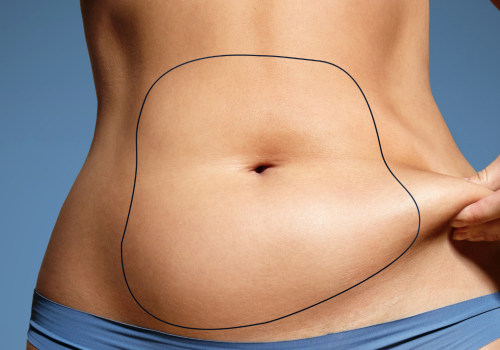
Liposuction is a popular cosmetic procedure designed to remove stubborn fat deposits from specific areas of the body. It is often sought after by individuals who struggle with localized fat that does not respond to traditional weight loss methods such as diet and exercise. By targeting these resistant fat pockets, liposuction can help enhance body contours and improve overall appearance, making it a desirable option for many.The liposuction procedure involves the use of a thin tube called a cannula, which is inserted through small incisions in the skin. This cannula is connected to a vacuum device that gently suctions out excess fat from the targeted areas.
The procedure can be performed under general or local anaesthesia, depending on the extent of fat removal and the areas being treated. Surgeons may employ various techniques, such as tumescent liposuction or ultrasound-assisted liposuction, to optimise results and minimise recovery time.Understanding how liposuction works is crucial for anyone considering this procedure. During the operation, the surgeon carefully manoeuvres the cannula to break up and remove fat cells while ensuring minimal damage to surrounding tissues. This precision allows for a smoother contour and reduces the risk of complications.
Although liposuction effectively removes fat cells from specific areas, it is essential to note that it is not a weight-loss solution but rather a body sculpting technique aimed at enhancing one’s physique.
The Liposuction Procedure Explained
The liposuction procedure is a meticulous process designed to remove unwanted fat from specific areas of the body. Understanding the steps involved, the various techniques available, and what to expect during recovery is essential for anyone considering this cosmetic surgery.The liposuction procedure is a meticulous process designed to remove unwanted fat from specific areas of the body. Understanding the steps involved, the various techniques available, and what to expect during recovery is essential for anyone considering this cosmetic surgery.Steps Involved in the Liposuction Procedure
The liposuction process typically follows these key steps:- Consultation: The journey begins with a thorough consultation with a qualified plastic surgeon. During this meeting, the surgeon will assess your medical history, discuss your goals, and determine if you are a suitable candidate for liposuction. The journey begins with a thorough consultation with a qualified plastic surgeon. During this meeting, the surgeon will assess your medical history, discuss your goals, and determine if you are a suitable candidate for liposuction.
- Preparation: Once you decide to proceed, you will receive pre-operative instructions. This may include guidelines on diet, medications to avoid, and arrangements for post-operative care.
- Anesthesia: On the day of the procedure, you will be administered anesthesia.
Depending on the extent of the surgery and your comfort level, this could be general anesthesia or local anesthesia with sedation.
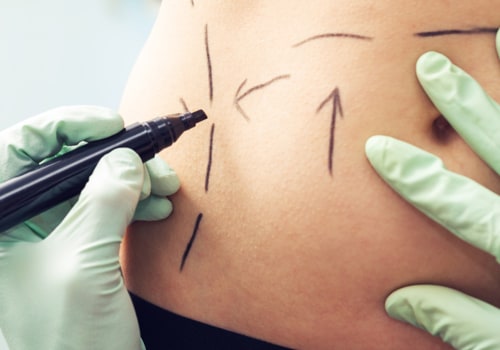
- Incision: The surgeon will make small incisions in the targeted areas. These incisions are strategically placed to minimise visible scarring.
- Fat Removal: A thin tube called a cannula is inserted through the incisions. The surgeon uses this cannula to suction out fat deposits from beneath the skin. Various techniques can be employed during this step, including tumescent liposuction, ultrasound-assisted liposuction (UAL), and laser-assisted liposuction (LAL).
- Closing Incisions: After the desired amount of fat has been removed, the incisions are closed with sutures or adhesive strips.
Types of Liposuction Techniques
There are several techniques used in liposuction, each with its own advantages:- Tumescent Liposuction: This is the most common technique where a solution containing saline, lidocaine, and epinephrine is injected into the fatty tissue before fat removal.
This helps reduce bleeding and pain.
- Ultrasound-Assisted Liposuction (UAL): This method uses ultrasound energy to liquefy fat cells before they are suctioned out, making it easier to remove larger volumes of fat.
- Laser-Assisted Liposuction (LAL): In this technique, laser energy is used to melt fat cells before removal. It can also promote skin tightening due to heat exposure.
Recovery from Liposuction
The recovery period following liposuction varies depending on individual factors and the extent of the procedure. Generally, patients can expect:- Initial Recovery: Most individuals can return to light activities within a few days. However, strenuous exercise should be avoided for at least two weeks.
- Soreness and Swelling: It is common to experience some swelling and discomfort in the treated areas.
Your surgeon may prescribe pain medication to manage any discomfort.
- Follow-Up Appointments: Regular follow-up visits with your surgeon are crucial to monitor healing and address any concerns that may arise during recovery.
What Happens to Fat Cells After Liposuction?
Understanding what happens to fat cells after liposuction is crucial for anyone considering this cosmetic procedure. One of the most common questions patients ask is whether the fat cells that are removed can grow back. The short answer is that once fat cells are removed during liposuction, they do not regenerate in the treated areas. This permanence is one of the appealing aspects of the procedure.However, it’s essential to clarify that while the fat cells in the specific areas where liposuction was performed are permanently removed, this does not mean that weight gain is impossible.If a person gains weight after the procedure, the remaining fat cells in other areas of the body can still expand. This can lead to an uneven distribution of fat, which may alter the overall body shape and aesthetic results achieved through liposuction.
Fat Cell Removal Permanence
- The fat cells removed during liposuction are gone for good from the treated area.
- Patients will not see those specific fat cells return, which contributes to long-lasting results.
- However, it’s important to maintain a healthy lifestyle to prevent new fat cells from forming in untreated areas.
Fat Distribution After Liposuction
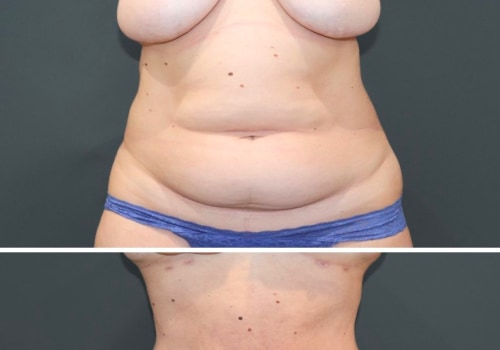
After undergoing liposuction, many patients notice a significant change in their body contour. However, if they do not adhere to a balanced diet and regular exercise regimen, they may experience weight gain in other parts of their body. This can lead to a situation where the treated areas remain slim while other areas become fuller, potentially leading to an imbalanced appearance.In summary, while liposuction effectively removes fat cells from targeted areas permanently, it does not prevent future weight gain or the expansion of remaining fat cells elsewhere.
Therefore, maintaining a healthy lifestyle post-procedure is vital for preserving the results and achieving a harmonious body shape.
Maintaining Results: Lifestyle Factors
After undergoing liposuction, many patients are eager to enjoy their new body shape and size. However, the journey does not end with the procedure; maintaining the results requires a commitment to a healthy lifestyle. Here, we will explore the essential factors that contribute to sustaining your weight after liposuction, focusing on diet, exercise, and other lifestyle changes.Dietary Considerations
A balanced diet plays a crucial role in maintaining your weight post-liposuction. While the procedure removes fat cells from specific areas, it does not prevent the remaining fat cells from expanding if you consume more calories than your body needs.To avoid this, consider the following dietary tips:
- Focus on Whole Foods: Incorporate plenty of fruits, vegetables, whole grains, and lean proteins into your meals. These foods are nutrient-dense and can help you feel full longer.
- Control Portion Sizes: Be mindful of portion sizes to prevent overeating. Using smaller plates can help you manage your portions effectively.
- Stay Hydrated: Drinking enough water is essential for overall health and can aid in weight management. Aim for at least eight glasses of water a day.
- Limit Processed Foods: Reduce your intake of sugary snacks, fast food, and other processed items that are high in calories but low in nutrients.
The Role of Exercise
Regular physical activity is vital for maintaining weight after liposuction.Exercise not only helps burn calories but also improves overall health and boosts your mood. Here are some effective strategies:
- Establish a Routine: Aim for at least 150 minutes of moderate aerobic activity each week. This could include brisk walking, cycling, or swimming.
- Incorporate Strength Training: Building muscle through strength training exercises can increase your metabolism, helping you burn more calories even at rest.
- Find Activities You Enjoy: Engaging in activities you love makes it easier to stick to an exercise routine. Whether it’s dancing, hiking, or joining a sports team, find what excites you.
Lifestyle Changes for Long-Term Success
In addition to diet and exercise, several lifestyle changes can support your weight maintenance efforts:- Get Adequate Sleep: Lack of sleep can disrupt hormones that regulate appetite and lead to weight gain.
Aim for 7-9 hours of quality sleep each night.
- Manage Stress: High stress levels can lead to emotional eating. Practice stress-reducing techniques such as yoga, meditation, or deep breathing exercises.
- Regular Check-Ins: Monitor your weight regularly to catch any fluctuations early. This allows you to adjust your diet and exercise routine as needed.
Liposuction vs.
Other Weight Loss MethodsWhen considering body contouring options, it is essential to understand how liposuction compares to traditional weight loss methods such as diet and exercise. Each approach has its unique benefits and limitations, making it crucial to evaluate them in the context of your personal health goals.
Liposuction vs. Diet
Liposuction
is often misconceived as a weight loss solution, but it is primarily a cosmetic procedure aimed at removing stubborn fat deposits that resist diet and exercise. While a well-balanced diet is fundamental for overall health and weight management, it may not effectively target specific areas of fat accumulation.
For instance, individuals may struggle with localized fat in areas like the abdomen, thighs, or arms despite adhering to a strict diet.In contrast, liposuction directly removes fat cells from these targeted areas, providing immediate results. However, it is important to note that liposuction does not replace the need for a healthy diet. Patients who undergo the procedure must still maintain a balanced diet to prevent weight gain in other areas of the body.
Liposuction vs. Exercise
Regular physical activity is another cornerstone of effective weight management.Exercise not only helps burn calories but also improves overall fitness and well-being. While exercise can lead to fat loss over time, it may not yield the same rapid results as liposuction for those with specific fat deposits.Liposuction can complement an exercise regimen by enhancing body contours after significant weight loss or when exercise alone does not achieve desired results. However, relying solely on liposuction without incorporating exercise into one’s lifestyle can lead to potential weight regain. The remaining fat cells in the body can still expand if caloric intake exceeds expenditure.
Alternatives to Liposuction
For those seeking alternatives to liposuction, several non-surgical options are available.These include:
- Cryolipolysis: A non-invasive procedure that freezes fat cells, causing them to die off gradually.
- Ultrasound therapy: Utilises sound waves to break down fat cells without damaging surrounding tissues.
- Radiofrequency treatments: Employs heat to target and reduce fat while tightening the skin.
- Weight loss medications: Prescription drugs that assist in reducing appetite or increasing feelings of fullness.
Common Myths About Liposuction Debunked
Liposuction is often surrounded by a cloud of myths and misconceptions that can lead to confusion for those considering the procedure. Understanding the truth behind these myths is essential for making informed decisions.Here, we debunk some of the most common myths about liposuction.
- Myth 1: Liposuction is a Weight Loss Solution
Many people mistakenly believe that liposuction is a method for significant weight loss. In reality, liposuction is designed to remove localized fat deposits and is not intended for weight reduction. The procedure is most effective for individuals who are already at or near their ideal weight but struggle with stubborn fat in specific areas. - Myth 2: Liposuction Removes All Fat from Treated Areas
While liposuction does remove fat cells from targeted areas, it does not eliminate all fat. The remaining fat cells can still expand if a person gains weight after the procedure.Therefore, maintaining a healthy lifestyle post-surgery is crucial to preserving results.
- Myth 3: Liposuction is Only for Women
Another misconception is that liposuction is exclusively for women. In fact, men also seek liposuction to address areas such as the abdomen, love handles, and gynecomastia (enlarged male breasts). The procedure can be beneficial for anyone looking to enhance their body contour. - Myth 4: Liposuction is a Quick Fix
Some individuals view liposuction as a quick fix for their body image issues. However, it requires careful consideration and commitment to post-operative care and lifestyle changes.Liposuction should be seen as part of a broader approach to health and wellness.
- Myth 5: Liposuction Leaves Noticeable Scars
While any surgical procedure carries the risk of scarring, modern techniques used in liposuction involve small incisions that are strategically placed to minimise visibility. Most patients find that scars fade significantly over time.
Cost of Liposuction: What to Expect
When considering liposuction, one of the most significant factors to evaluate is the cost associated with the procedure. In the UK, the price of liposuction can vary widely, typically ranging from £3,000 to £8,500.This variation is influenced by several key factors that potential patients should be aware of.
Factors Affecting Liposuction Price
- Area of Treatment: The specific body area being treated plays a crucial role in determining the cost. Common areas include the abdomen, thighs, arms, and back. Larger areas or multiple areas may incur higher fees due to increased time and resources required.
- Surgeon’s Expertise: The qualifications and experience of the surgeon can significantly impact the price. Highly experienced surgeons or those with a strong reputation may charge more for their services.
- Clinic Location: The geographical location of the clinic can also affect pricing.
Clinics in major cities or affluent areas may have higher operational costs, which can be reflected in their fees.
- Anesthesia Type: The type of anesthesia used during the procedure can influence costs. General anesthesia tends to be more expensive than local anesthesia due to the additional medical staff and equipment required.
- Facility Fees: The costs associated with using a surgical facility, including operating room fees and recovery room charges, can vary and contribute to the overall expense.
Financing Options for Liposuction
Understanding the financial implications of liposuction is essential for prospective patients. Many clinics offer financing options to help manage the cost. These may include:- Payment Plans: Some clinics provide flexible payment plans that allow patients to spread the cost over several months or years.
- Medical Financing Companies: Third-party financing options are available, allowing patients to apply for loans specifically for cosmetic procedures.
- Credit Cards: Using a credit card can be an option for some patients, but it’s important to consider interest rates and repayment terms.
This will ensure you have a clear understanding of your financial commitment and can plan accordingly for your desired procedure.
Conclusion: The Long-Term Effects of Liposuction
In summary, liposuction is a powerful cosmetic procedure that can effectively remove unwanted fat from specific areas of the body. However, it is crucial to understand that while liposuction permanently eliminates fat cells from the treated regions, it does not guarantee that weight gain will not occur in other areas. The long-term success of liposuction largely depends on the individual's commitment to maintaining a healthy lifestyle post-procedure.Here are some key points to consider regarding the long-term effects of liposuction:- Permanence of Fat Cell Removal: Liposuction permanently removes fat cells from the targeted areas, meaning those specific cells will not return. However, if a person does not adopt healthy eating habits and regular exercise, the remaining fat cells in other parts of the body can still expand, leading to weight gain.
- Importance of Lifestyle Choices: To maintain the results achieved through liposuction, it is essential to embrace a balanced diet and an active lifestyle.
This includes consuming nutrient-rich foods and engaging in regular physical activity to prevent new fat accumulation.
- Realistic Expectations: While liposuction can enhance body contours and boost self-confidence, it should not be viewed as a substitute for weight loss or a solution for obesity. It is most effective for individuals who are already close to their ideal weight but struggle with stubborn fat deposits.
- Consultation with Professionals: Before undergoing liposuction, it is vital to consult with a qualified plastic surgeon who can provide personalised advice based on individual health conditions and aesthetic goals. Post-operative follow-up care is equally important to ensure optimal recovery and results.