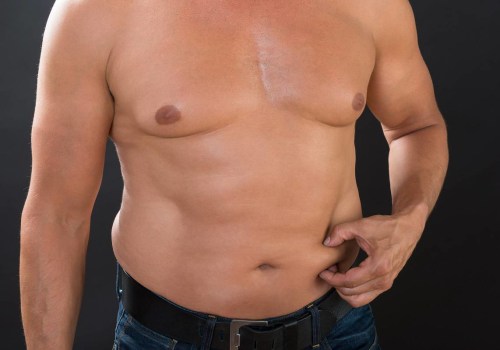
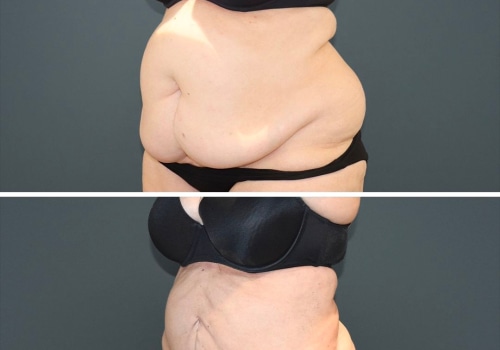
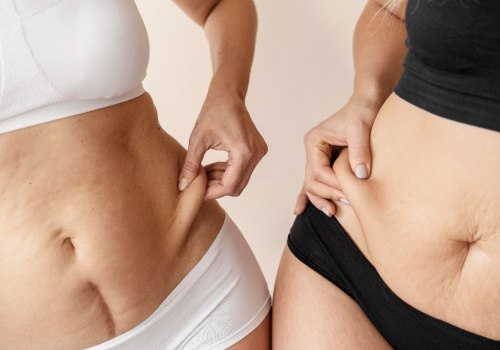
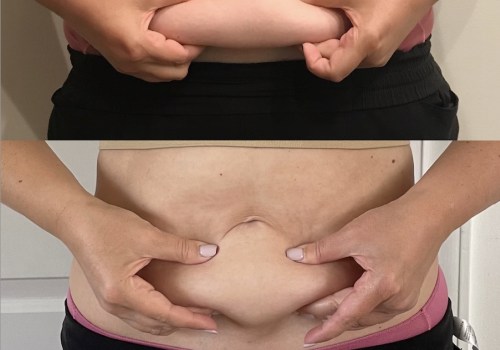
Liposuction is a widely sought-after cosmetic surgical procedure designed to eliminate stubborn fat deposits that resist diet and exercise. Unlike traditional weight loss methods, which focus on overall body weight reduction, liposuction targets specific areas of the body, allowing for a more sculpted and contoured appearance. This procedure is particularly beneficial for individuals who are close to their ideal weight but struggle with localized fat pockets that can be frustratingly persistent.The liposuction procedure involves the use of a thin tube called a cannula, which is inserted through small incisions in the skin. The surgeon then uses this cannula to suction out excess fat from the targeted areas.
Common sites for liposuction include the abdomen, thighs, buttocks, arms, and neck. The procedure can be performed under local or general anaesthesia, depending on the extent of fat removal and the patient's comfort level.One of the key aspects that sets liposuction apart from other weight loss techniques is its focus on body contouring rather than weight loss alone. While it can lead to a reduction in overall body weight, it is not intended as a solution for obesity or significant weight loss. Instead, it serves as a complementary procedure for those who have already made lifestyle changes but need assistance in achieving their desired body shape.
Understanding these distinctions is crucial for potential candidates considering liposuction as an option.
Who is a Good Candidate for Liposuction?
Determining whether you are a suitable candidate for liposuction involves several factors, including your overall health, body type, and lifestyle choices. Understanding these criteria can help you make an informed decision about whether this procedure is right for you.1.Body Type and Fat Distribution
Ideal candidates for liposuction typically have specific areas of stubborn fat that are resistant to diet and exercise. This may include regions such as the abdomen, thighs, hips, arms, or neck. It is crucial to note that liposuction is not a weight-loss solution; rather, it is designed to contour the body by removing localized fat deposits.
Therefore, individuals who are at or near their target weight and have a stable body mass index (BMI) are generally more suitable for the procedure.
2.Health Status
Your overall health plays a significant role in determining your eligibility for liposuction. Candidates should be in good physical condition without any underlying medical conditions that could complicate surgery or recovery. Conditions such as:
- Cardiovascular diseases
- Diabetes
- Blood clotting disorders
- Severe obesity
- Weakened immune system
3.Realistic Expectations
A successful outcome from liposuction also depends on having realistic expectations about what the procedure can achieve.
While many patients experience significant improvements in their body shape, it is important to understand that results can vary based on individual factors such as skin elasticity and healing capacity. Candidates should be prepared for the possibility of needing additional procedures to achieve their desired results.
4.Commitment to a Healthy Lifestyle
Finally, maintaining a healthy lifestyle before and after liposuction is crucial for long-term success. Candidates should be committed to following a balanced diet and engaging in regular physical activity to help sustain their results. Weight gain after the procedure can lead to new fat deposits forming in other areas of the body, which may negate the benefits of liposuction.In summary, good candidates for liposuction are those who have specific areas of stubborn fat, are in good health, possess realistic expectations about the outcomes, and are dedicated to maintaining a healthy lifestyle post-surgery.Finally, maintaining a healthy lifestyle before and after liposuction is crucial for long-term success. Candidates should be committed to following a balanced diet and engaging in regular physical activity to help sustain their results. Weight gain after the procedure can lead to new fat deposits forming in other areas of the body, which may negate the benefits of liposuction.In summary, good candidates for liposuction are those who have specific areas of stubborn fat, are in good health, possess realistic expectations about the outcomes, and are dedicated to maintaining a healthy lifestyle post-surgery.
If you believe you fit these criteria, consulting with a qualified plastic surgeon can provide further insights into your suitability for this transformative procedure.
Health Considerations Before Liposuction
Before considering liposuction, it is crucial to evaluate your overall health and any existing medical conditions that may impact your eligibility for the procedure. Liposuction is not merely a cosmetic enhancement; it is a surgical intervention that carries inherent risks, particularly for individuals with certain health issues.Health Risks Associated with Liposuction
- Infection: As with any surgical procedure, there is a risk of infection at the incision sites. Individuals with compromised immune systems or chronic illnesses may face higher risks.
- Blood Clots: Patients with a history of blood clotting disorders or those who are immobile for extended periods post-surgery are at increased risk of developing deep vein thrombosis (DVT).
- Fluid Accumulation: Some patients may experience seromas, which are pockets of fluid that can form under the skin after surgery, necessitating further treatment.
- Scarring: While liposuction aims to minimize scarring, individuals with poor healing capabilities or certain skin types may experience more noticeable scars.
Medical Conditions That May Affect Eligibility
Several medical conditions can disqualify individuals from being suitable candidates for liposuction:
- Cardiovascular Issues: Conditions such as coronary artery disease or hypertension can complicate surgery and recovery.
- Diabetes: Uncontrolled diabetes can impair healing and increase the risk of complications.
- Liver or Kidney Disease: These conditions can affect the body’s ability to process anaesthesia and recover from surgery.
- Obesity: While liposuction is not a weight-loss solution, individuals who are significantly overweight may face higher risks during and after the procedure.
The Importance of Pre-Surgery Health Checks
A comprehensive medical evaluation is essential before undergoing liposuction. This evaluation typically includes:
- A detailed medical history review to identify any pre-existing conditions.
- A physical examination to assess overall health and suitability for surgery.
- Blood tests to check for any underlying issues that could complicate the procedure.
Consulting with a qualified plastic surgeon will provide clarity on individual circumstances and help determine the best course of action for achieving desired aesthetic goals safely.
The Role of Weight and Body Composition
When considering liposuction, understanding the role of weight and body composition is crucial for determining candidacy. Many individuals mistakenly believe that liposuction is a solution for significant weight loss; however, this procedure is primarily designed to target specific areas of stubborn fat that resist diet and exercise.To be a suitable candidate for liposuction, patients typically need to be within a certain weight range. Most plastic surgeons recommend that candidates have a Body Mass Index (BMI) of 30 or lower. This guideline helps ensure that the patient is not classified as obese, which can increase the risk of complications during and after surgery.A BMI above this threshold may indicate that the individual has excess body fat that could complicate the procedure and recovery.Moreover, it is essential to consider not just weight but also overall body composition. Body composition refers to the proportion of fat to lean mass in the body. Individuals with a higher percentage of body fat may not achieve optimal results from liposuction, as the procedure is most effective for those who are close to their ideal body weight but have localized fat deposits.For instance, someone who weighs 70 kg but has a high body fat percentage may not be an ideal candidate compared to another individual of the same weight with a lower body fat percentage and more muscle mass. The latter may experience better outcomes because their skin is likely to have better elasticity, which can lead to smoother results post-surgery.In addition, maintaining a stable weight before undergoing liposuction is vital.
Surgeons often advise patients to reach their goal weight and maintain it for several months prior to the procedure. This stability not only enhances candidacy but also contributes to more satisfying long-term results.Ultimately, while weight and body composition are significant factors in determining candidacy for liposuction, they are part of a broader picture that includes overall health, lifestyle choices, and realistic expectations about the outcomes of the procedure. Consulting with a qualified plastic surgeon can provide tailored advice based on individual circumstances, ensuring that potential candidates are well-informed about their options.
Psychological Readiness for Liposuction
Undergoing liposuction is not merely a physical transformation; it also involves significant psychological considerations. The decision to pursue cosmetic surgery can be influenced by various emotional factors, and understanding these aspects is crucial for anyone contemplating the procedure.One of the primary psychological factors to consider is the importance of having realistic expectations.Many individuals may envision liposuction as a quick fix to their body image concerns. However, it is essential to recognise that while liposuction can enhance body contours, it does not guarantee a complete transformation or resolve underlying self-esteem issues. Patients should approach the procedure with a clear understanding of what it can and cannot achieve.Moreover, emotional readiness plays a vital role in the success of the surgery. Individuals who are mentally prepared for the changes that come with liposuction are more likely to experience satisfaction with their results.
This preparation includes acknowledging potential post-operative challenges, such as recovery time and the need for lifestyle adjustments. Engaging in open discussions with healthcare professionals about these aspects can help set appropriate expectations.Additionally, it is beneficial for candidates to assess their motivations for seeking liposuction. Are they pursuing this procedure to please others, or is it a personal desire for self-improvement? Understanding one’s motivations can provide clarity and help ensure that the decision is rooted in personal empowerment rather than external pressures.Support systems also play a crucial role in psychological readiness. Having friends or family members who understand and support the decision can significantly impact an individual’s emotional state before and after surgery.
It is advisable to seek out those who can provide encouragement and reassurance throughout the process.In conclusion, psychological readiness is an integral component of preparing for liposuction. By fostering realistic expectations, ensuring emotional preparedness, understanding personal motivations, and building a supportive network, candidates can enhance their overall experience and satisfaction with the procedure.
Maintaining a Healthy Lifestyle Post-Liposuction
Undergoing liposuction is a significant step towards achieving your desired body shape, but the journey does not end with the procedure. To ensure that the results are not only visible but also sustainable, it is crucial to adopt a healthy lifestyle post-surgery. This section will explore essential strategies for maintaining your results through effective diet and exercise.Importance of a Balanced Diet
A well-rounded diet plays a pivotal role in preserving the outcomes of your liposuction.After the procedure, your body requires proper nutrition to heal and function optimally. Here are some dietary tips to consider:
- Focus on Whole Foods: Incorporate plenty of fruits, vegetables, whole grains, and lean proteins into your meals. These foods are nutrient-dense and can help you maintain a healthy weight.
- Stay Hydrated: Drinking adequate water is essential for overall health and can aid in recovery. Aim for at least 2 litres of water daily to keep your body hydrated.
- Limit Processed Foods: Reduce your intake of sugary snacks, fast food, and processed items that can lead to weight gain and negatively impact your health.
- Control Portion Sizes: Be mindful of portion sizes to avoid overeating.
Using smaller plates can help you manage your portions effectively.
Regular Exercise
In addition to a balanced diet, regular physical activity is vital for maintaining the results of liposuction. Exercise helps to burn calories, build muscle, and improve overall well-being. Here are some recommendations:- Start Slowly: After liposuction, it’s important to allow your body time to heal before resuming intense workouts. Begin with light activities such as walking or gentle stretching.
- Aim for Consistency: Establish a regular exercise routine that includes both cardiovascular exercises (like walking, cycling, or swimming) and strength training (such as weight lifting or resistance exercises).
- Set Realistic Goals: Set achievable fitness goals that motivate you without overwhelming you.
Gradually increase the intensity and duration of your workouts as you regain strength.
Alternatives to Traditional Liposuction
For individuals considering fat removal but who may not be ideal candidates for traditional liposuction, there are several alternatives available that can effectively target stubborn fat deposits. These options range from minimally invasive procedures to non-surgical techniques, each with its own set of benefits and considerations.SmartLipo: A Minimally Invasive Option
One of the most popular alternatives to traditional liposuction is SmartLipo.This laser-assisted procedure not only removes excess fat but also promotes skin tightening, making it an excellent choice for those concerned about sagging skin post-procedure. SmartLipo uses laser energy to liquefy fat cells, which are then gently suctioned out. This method typically results in less bruising and swelling compared to traditional liposuction, allowing for a quicker recovery time.
Cryolipolysis: Freezing Away Fat
Cryolipolysis
, commonly known as CoolSculpting, is a non-invasive treatment that freezes fat cells, causing them to die off naturally over time. This procedure is ideal for individuals looking to target specific areas of fat without the need for surgery.
The results are gradual, often becoming noticeable within a few weeks and continuing to improve over several months. It is particularly effective for those who are close to their ideal weight but have stubborn pockets of fat.
Ultrasound Fat Reduction
Ultrasound fat reductionUltrasound fat reduction
is another non-surgical option that uses ultrasound technology to break down fat cells. This method is painless and requires no downtime, making it a convenient choice for busy individuals. The ultrasound waves target fat layers beneath the skin, leading to a reduction in fat volume without affecting surrounding tissues.
Radiofrequency Treatments
Radiofrequency treatmentsRadiofrequency treatments
are designed to heat the skin and underlying tissues, promoting collagen production while simultaneously reducing fat.
This technique can improve skin texture and firmness while addressing unwanted fat deposits. It is suitable for various body areas and can be combined with other treatments for enhanced results.
Choosing the Right Option
When considering alternatives to traditional liposuction, it is essential to consult with a qualified cosmetic surgeon or dermatologist who can assess your individual needs and recommend the most suitable procedure. Factors such as your overall health, desired outcomes, and recovery time should all be taken into account when making your decision.In conclusion, while traditional liposuction remains a popular choice for many seeking body contouring, there are numerous alternatives available that may better suit certain candidates. By exploring these options, individuals can find a solution that aligns with their goals and lifestyle.Frequently Asked Questions About Liposuction Candidacy
When considering liposuction, many potential patients have questions regarding their suitability for the procedure.Understanding the criteria for candidacy can help individuals make informed decisions about their body and health. Below are some frequently asked questions that address who should consider or avoid liposuction.
What are the ideal characteristics of a good candidate for liposuction?
A good candidate for liposuction typically possesses the following characteristics:- Stable Weight: Candidates should be at or near their ideal body weight, as liposuction is not a weight-loss solution but rather a method to contour specific areas.
- Good Skin Elasticity: Individuals with firm, elastic skin tend to achieve better results, as this helps maintain a smooth appearance post-surgery.
- Realistic Expectations: Candidates should have a clear understanding of what liposuction can and cannot achieve, including the limitations of the procedure.
- Overall Good Health: Those without serious medical conditions, such as heart disease or diabetes, are generally better candidates.
Who should avoid liposuction?
Certain individuals may not be suitable for liposuction due to various health concerns or lifestyle factors:- Obese Individuals: Those with a body mass index (BMI) over 30 are typically advised against liposuction, as it poses higher risks and is less effective.
- Pregnant or Nursing Women: Hormonal changes during pregnancy and breastfeeding can affect body shape and fat distribution, making it advisable to wait until after these stages.
- Individuals with Chronic Health Issues: Conditions like uncontrolled diabetes, heart disease, or blood clotting disorders can complicate surgery and recovery.
- Smokers: Smoking can impair healing and increase the risk of complications; candidates are often advised to quit well in advance of surgery.
Can liposuction help with stubborn fat deposits?
Liposuction is particularly effective for removing stubborn fat deposits that do not respond to diet and exercise. However, it is essential to approach this procedure with the understanding that it is not a substitute for a healthy lifestyle. Maintaining a balanced diet and regular exercise post-surgery is crucial for achieving and sustaining desired results.If you have further questions about your candidacy for liposuction, consulting with a qualified plastic surgeon can provide personalised insights based on your unique health profile and aesthetic goals.Conclusion: Making an Informed Decision About Liposuction
In summary, the decision to undergo liposuction is not one to be taken lightly.It is essential for potential candidates to thoroughly understand the procedure, its benefits, and its limitations. Throughout this article, we have explored various factors that determine whether an individual is a suitable candidate for liposuction.Firstly, it is crucial to recognise that liposuction is not a weight loss solution. It is designed to target specific areas of stubborn fat that do not respond to diet and exercise. Therefore, individuals who are significantly overweight or obese may find that they are not ideal candidates for this procedure.
Instead, achieving a stable weight through healthy lifestyle choices should be the primary focus before considering liposuction.Moreover, medical history plays a vital role in determining candidacy. Conditions such as diabetes, heart disease, or issues with blood circulation can complicate the surgical process and increase the risk of complications. It is imperative for patients to provide their surgeons with a comprehensive medical history to ensure safety during the procedure.Another important aspect to consider is the maintenance of a healthy lifestyle post-surgery. Liposuction can yield excellent results when combined with regular exercise and a balanced diet.
However, neglecting these habits after the procedure can lead to weight gain and the formation of new fat deposits in other areas of the body.Lastly, understanding the limitations of liposuction is essential. This procedure does not address skin laxity or remove stretch marks; therefore, individuals with concerns about sagging skin may need to explore alternative options or additional treatments.In conclusion, making an informed decision about liposuction involves careful consideration of personal health, realistic expectations, and a commitment to maintaining a healthy lifestyle. By understanding these factors, individuals can approach their cosmetic goals with confidence and clarity. However, neglecting these habits after the procedure can lead to weight gain and the formation of new fat deposits in other areas of the body.Lastly, understanding the limitations of liposuction is essential. This procedure does not address skin laxity or remove stretch marks; therefore, individuals with concerns about sagging skin may need to explore alternative options or additional treatments.In conclusion, making an informed decision about liposuction involves careful consideration of personal health, realistic expectations, and a commitment to maintaining a healthy lifestyle. By understanding these factors, individuals can approach their cosmetic goals with confidence and clarity.