Liposuction is a popular cosmetic procedure designed to remove excess fat from specific areas of the body, helping individuals achieve a more contoured and sculpted appearance. This surgical technique is particularly appealing to those who struggle with stubborn fat deposits that do not respond to diet and exercise. While many people associate liposuction with weight loss, it is essential to understand that the primary goal of the procedure is body shaping rather than significant weight reduction.For women weighing around 200 pounds, the decision to undergo liposuction can be influenced by various factors, including overall health, body mass index (BMI), and personal aesthetic goals. Liposuction can be performed on multiple areas of the body, such as the abdomen, thighs, hips, and arms, allowing for a tailored approach to each individual's needs.
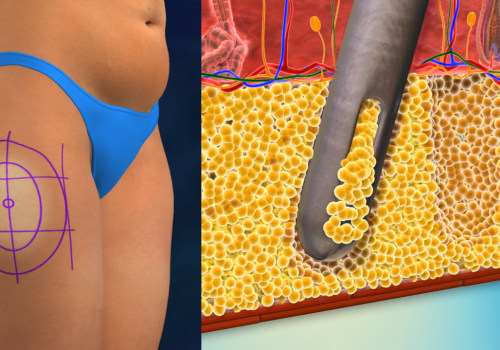
The procedure typically involves making small incisions in the skin through which a thin tube, known as a cannula, is inserted to suction out fat.It is crucial for potential candidates to have realistic expectations about what liposuction can achieve. While it can effectively remove fat and enhance body proportions, it is not a substitute for a healthy lifestyle or a weight-loss solution for those who are significantly overweight. Instead, liposuction is best suited for individuals who are close to their ideal weight but wish to eliminate localized fat deposits that persist despite their efforts.In summary, understanding the fundamentals of liposuction is vital for anyone considering this procedure. It offers an opportunity for women around 200 pounds to enhance their body shape and boost their confidence.
However, thorough consultations with qualified medical professionals are essential to determine if they are suitable candidates for this transformative procedure.
Understanding Body Weight and Liposuction Eligibility
Liposuction is a popular cosmetic procedure designed to remove excess fat from specific areas of the body. However, not everyone is a suitable candidate for this treatment. Understanding the criteria for liposuction eligibility is crucial, particularly for individuals with a body weight of around 200 pounds.One of the primary factors that determine whether a person can undergo liposuction is their body mass index (BMI). BMI is a measure that uses height and weight to assess whether an individual falls within a healthy weight range.Generally, candidates for liposuction should have a BMI of less than 30. For a woman weighing 200 pounds, her eligibility will depend on her height. For instance, a woman who is 5 feet 5 inches tall has a BMI of approximately 33.3, which may disqualify her from the procedure.In addition to BMI, overall health plays a significant role in determining liposuction eligibility. Candidates should be in good health, without any underlying medical conditions that could complicate surgery or recovery.
Conditions such as diabetes, heart disease, or obesity-related issues can increase the risks associated with the procedure.Moreover, it’s essential to have realistic expectations about the outcomes of liposuction. This procedure is not intended as a weight-loss solution but rather as a means to contour and shape specific areas of the body. Therefore, individuals who are significantly overweight may be advised to pursue weight loss through diet and exercise before considering liposuction.Another important aspect to consider is the distribution of fat in the body. Liposuction is most effective for those who have localized fat deposits that are resistant to diet and exercise.
A woman weighing 200 pounds may have areas of stubborn fat that could benefit from liposuction, but this will be evaluated during a consultation with a qualified surgeon.Ultimately, the decision to undergo liposuction should be made in consultation with a board-certified plastic surgeon who can assess individual circumstances and provide tailored advice. They will evaluate factors such as body weight, BMI, overall health, and personal goals to determine if liposuction is an appropriate option.
The Role of BMI in Liposuction Decisions
When considering liposuction, understanding the role of Body Mass Index (BMI) is crucial. BMI serves as a key indicator of whether an individual is a suitable candidate for the procedure. It is a simple calculation that helps assess body fat based on height and weight, providing a general guideline for health and fitness.To calculate your BMI, you can use the following formula:- BMI = weight (kg) / (height (m) x height (m))
- BMI = 90 / (1.65 x 1.65) = 33.1
However, this does not mean that individuals with a higher BMI cannot undergo the procedure; it simply indicates that they may face additional risks or complications. For women weighing around 200 pounds, their eligibility for liposuction will depend on their height and overall health status.It’s important to note that while BMI is a useful tool, it does not account for muscle mass or fat distribution. Therefore, two individuals with the same BMI may have different body compositions and health profiles. This is why consultations with qualified plastic surgeons are essential; they can provide a comprehensive assessment that considers various factors beyond just BMI.In summary, while BMI plays a significant role in determining candidacy for liposuction, it should be viewed as part of a broader evaluation process.
Women considering this procedure should consult with healthcare professionals to discuss their individual circumstances and receive tailored advice based on their unique body composition and health goals.
Ideal Weight Considerations for Liposuction Candidates
When considering liposuction, understanding what constitutes an ideal weight is crucial for potential candidates. The concept of ideal weight varies significantly based on several factors, including age, height, body composition, and overall health. While there is no one-size-fits-all answer, medical professionals often use the Body Mass Index (BMI) as a preliminary tool to assess whether a patient is a suitable candidate for the procedure.The BMI is calculated using a person's height and weight, providing a numerical value that categorises individuals into underweight, normal weight, overweight, and obese. For liposuction candidates, a BMI in the range of 18.5 to 24.9 is generally considered ideal.However, candidates with a BMI slightly above this range may still be eligible for the procedure if they are otherwise healthy and have specific areas of fat they wish to target.It is essential to note that liposuction is not a weight-loss solution but rather a body contouring procedure. Therefore, individuals who are significantly overweight or obese may be advised to pursue weight loss through diet and exercise before considering liposuction. This recommendation stems from the need to ensure that the procedure is performed safely and effectively.In terms of fat removal limits during liposuction, traditional methods typically allow for the extraction of between 200 ml to 500 ml of fat from a single area. However, advancements in techniques such as 360 Lipo360 Lipo enable surgeons to remove fat from multiple sites simultaneously, with total fat removal reaching up to 5000 ml (5 litres).
This increased capacity for fat removal can be beneficial for those who have larger areas of concern but must be approached with caution.Surgeons will assess various factors before determining how much fat can be safely removed during the procedure. These factors include the patient's overall health, skin elasticity, and the specific areas targeted for fat removal. Removing too much fat at once can lead to complications such as fluid imbalance or excessive skin laxity.Ultimately, while a 200-pound woman may consider liposuction, her candidacy will depend on her overall health profile and specific goals. Consulting with a qualified plastic surgeon will provide personalised insights into whether she meets the criteria for an ideal candidate and what realistic outcomes she can expect from the procedure.
Health Factors Influencing Liposuction Suitability
When considering liposuction, it is crucial to evaluate various health factors that can influence a woman's eligibility for the procedure.Understanding these factors not only helps in determining suitability but also ensures a safer surgical experience.One of the primary considerations is the patient's overall health status. A comprehensive medical evaluation is essential, as certain pre-existing conditions can significantly impact the outcome of liposuction. For instance, individuals with cardiovascular issues, diabetes, or respiratory problems may face increased risks during and after the procedure. Therefore, it is vital for candidates to disclose their complete medical history to their surgeon.Additionally, medications play a critical role in assessing suitability for liposuction.
Some medications, particularly blood thinners or those that affect blood clotting, can lead to complications during surgery. Patients should inform their healthcare provider about all medications they are currently taking, including over-the-counter drugs and supplements. This information allows the surgeon to make informed decisions regarding the timing of the procedure and any necessary adjustments to medication regimens.Another important aspect to consider is the patient's body mass index (BMI). While liposuction is not a weight-loss solution, it is generally recommended for individuals who are close to their ideal weight.
A BMI within a healthy range indicates that the patient has sufficient skin elasticity and overall health to undergo the procedure safely. For women weighing around 200 pounds, it is essential to assess whether their BMI falls within an acceptable range for liposuction candidates.Moreover, lifestyle factors such as smoking and alcohol consumption can also affect surgical outcomes. Smoking can impair healing and increase the risk of complications, while excessive alcohol intake may interfere with anesthesia and recovery. Therefore, patients are often advised to quit smoking and limit alcohol consumption well in advance of their scheduled surgery.In summary, several health factors influence a woman's eligibility for liposuction.
A thorough understanding of medical history, current medications, BMI, and lifestyle choices is essential for ensuring both safety and effectiveness in achieving desired results. Consulting with a qualified surgeon will provide tailored advice based on individual health profiles.
Consultation with a Qualified Surgeon
Before considering liposuction, it is crucial to consult with a qualified plastic surgeon. This initial consultation serves as an opportunity to discuss your goals, assess your suitability for the procedure, and understand the potential risks and benefits involved.During the consultation, you can expect the surgeon to conduct a thorough evaluation of your medical history, current health status, and body composition. They will likely measure your body mass index (BMI) and discuss your weight loss journey to determine if you are a suitable candidate for liposuction.It is essential to be honest about your expectations and any previous surgeries or medical conditions that may affect the procedure.
Choosing the Right Surgeon
Selecting a qualified surgeon is paramount for achieving satisfactory results. Look for a board-certified plastic surgeon with extensive experience in performing liposuction. You can check their credentials, read reviews from previous patients, and ask for before-and-after photos of their work. A good surgeon will not only have the technical skills but also a keen aesthetic sense to help you achieve your desired outcome.Key Questions to Ask
To ensure you make an informed decision, prepare a list of questions to ask during your consultation:- What is your experience with liposuction? Inquire about the number of procedures they have performed and their success rates.
- What techniques do you use? Different techniques may be available, such as tumescent or ultrasound-assisted liposuction.
Understanding these can help you choose the best option for your needs.
- What are the potential risks and complications? Every surgical procedure carries risks. Knowing what to expect can help you weigh the benefits against potential downsides.
- What is the expected recovery time? Recovery can vary based on individual circumstances and the extent of the procedure. Understanding this will help you plan accordingly.
- Can I see before-and-after photos of previous patients? This will give you an idea of what results are achievable and help set realistic expectations.
- What are the costs involved? Ensure you understand all costs associated with the procedure, including anaesthesia, facility fees, and follow-up care.
Take your time during this process; it is an important step towards achieving your body goals safely and effectively.
Liposuction Techniques and Their Suitability for Different Body Types
Liposuction has evolved significantly over the years, offering various techniques tailored to different body types and individual needs. For women weighing 200 pounds or more, understanding these techniques is crucial in determining the most suitable option for achieving desired body contours.One of the most common methods is tumescent liposuctiontumescent liposuction. This technique involves injecting a solution containing saline, lidocaine, and epinephrine into the targeted areas. The solution helps to numb the area and constrict blood vessels, reducing bleeding and swelling.Tumescent liposuction is particularly effective for larger patients as it allows for the removal of substantial fat volumes while minimizing discomfort and recovery time.Another popular option is ultrasound-assisted liposuction (UAL). This method uses ultrasonic waves to liquefy fat cells before they are suctioned out. UAL can be beneficial for women with denser fat deposits, as it makes the fat easier to remove. However, it may not be suitable for all body types, especially if there are concerns about skin elasticity.
Power-assisted liposuction (PAL)
is another technique worth considering.
This method employs a vibrating cannula that helps break up fat cells more efficiently. PAL can be advantageous for larger patients as it reduces the physical effort required by the surgeon, potentially leading to quicker procedures and less trauma to surrounding tissues.For those looking for a less invasive approach, laser-assisted liposuction (LAL) might be an option. This technique uses laser energy to melt fat before removal. While LAL can provide excellent results with minimal downtime, it may not be as effective for larger volumes of fat compared to traditional methods.When considering liposuction, it’s essential to consult with a qualified plastic surgeon who can assess your body type and recommend the best technique based on your specific needs.
Factors such as skin elasticity, overall health, and personal goals will play a significant role in determining the most appropriate method.In summary, women weighing 200 pounds or more have several liposuction techniques available to them. Each method has its advantages and considerations, making it vital to choose one that aligns with individual body characteristics and aesthetic goals.
Alternatives to Liposuction for Weight Management
For women weighing around 200 pounds, considering liposuction may lead to questions about eligibility and effectiveness. However, there are several alternatives to liposuction that can be explored for effective weight management and fat reduction. These options can be particularly beneficial for those who may not be ideal candidates for surgical procedures.1.Dietary Changes
One of the most fundamental approaches to weight management is through dietary modifications.A balanced diet rich in whole foods, such as fruits, vegetables, lean proteins, and whole grains, can significantly impact body composition. Consulting with a nutritionist can help tailor a meal plan that meets individual needs and promotes sustainable weight loss.
2.Exercise Regimens
Regular physical activity is crucial for maintaining a healthy weight. Incorporating both cardiovascular exercises, such as walking, running, or cycling, and strength training can enhance fat loss while building muscle mass. Aim for at least 150 minutes of moderate aerobic activity each week, combined with two days of strength training.3.Non-Surgical Fat Reduction Techniques
For those seeking non-invasive options, several innovative treatments are available:- Cryolipolysis: This method involves freezing fat cells to induce their natural death without harming surrounding tissues.
It is commonly known by the brand name CoolSculpting.
- Ultrasound Fat Reduction: This technique uses ultrasound waves to target and break down fat cells, which are then naturally eliminated by the body.
- Radiofrequency Lipolysis: This procedure employs radiofrequency energy to heat and destroy fat cells while tightening the skin.
- Injection Lipolysis: This involves injecting substances like deoxycholic acid to dissolve fat in specific areas.
4.Behavioural Therapy
Weight management is not solely about diet and exercise; psychological factors play a significant role as well. Engaging in behavioural therapy can help address emotional eating patterns and develop healthier habits. Support groups or one-on-one counselling can provide motivation and accountability.5.Medical Weight Loss Programs
For those struggling with significant weight loss, medically supervised weight loss programs may offer structured support. These programs often include a combination of dietary guidance, exercise plans, and sometimes medication to assist in achieving weight loss goals safely.In conclusion, while liposuction may be a popular option for fat reduction, it is essential to consider various alternatives that can lead to effective weight management without the need for surgery.Each individual’s journey is unique, and exploring these options can help find the most suitable path towards achieving personal health goals.
Frequently Asked Questions about Liposuction for Women Weighing 200 Pounds or More
When considering liposuction, many women weighing 200 pounds or more have specific questions and concerns. Below, we address some of the most frequently asked questions to help clarify the process and what to expect.- Can I get liposuction if I weigh 200 pounds?
Yes, women who weigh 200 pounds can be candidates for liposuction, but eligibility depends on several factors. A thorough consultation with a qualified plastic surgeon is essential. They will assess your overall health, body mass index (BMI), and specific areas of fat accumulation.It’s important to note that liposuction is not a weight-loss solution but rather a body contouring procedure designed to target stubborn fat deposits.
- What are the risks of liposuction at higher weights?
While liposuction can be performed on individuals weighing 200 pounds or more, there are increased risks associated with higher body weights. These may include complications such as infection, blood clots, and delayed healing. Additionally, patients with a higher BMI may experience more significant fluid retention and swelling post-surgery. It’s crucial to discuss these risks with your surgeon to make an informed decision. - How much fat can be removed safely?
The amount of fat that can be safely removed during a liposuction procedure varies based on individual circumstances.Generally, surgeons recommend that no more than 5 litres (approximately 11 pounds) of fat be removed in a single session to minimise risks. However, the exact amount will depend on your health status, the areas being treated, and the surgeon's assessment.
- What should I do if I'm not eligible for liposuction?
If you find that you are not a suitable candidate for liposuction due to weight or health concerns, there are alternative options available. These may include lifestyle changes such as diet and exercise programmes tailored to your needs, non-invasive body contouring treatments like CoolSculpting, or other surgical options that may be more appropriate for your situation. Consulting with a healthcare professional can help you explore these alternatives effectively.
Always prioritise consultations with certified professionals who can provide personalised advice based on your unique circumstances.
<strong>Conclusion</strong>
In conclusion, the decision for a 200-pound woman to undergo liposuction is multifaceted and should be approached with careful consideration. While liposuction can effectively remove stubborn fat deposits, it is essential to understand that it is not a weight-loss solution but rather a body contouring procedure. Candidates for liposuction should ideally be at or near their target weight, as this enhances the results and reduces potential complications.For individuals weighing 200 pounds, several factors must be evaluated:- Body Mass Index (BMI): A BMI within the normal range is often recommended for optimal results. A BMI calculator can help determine if you fall within a healthy range based on your height and weight.
- Health Status: Overall health plays a crucial role in determining candidacy for liposuction.
Pre-existing medical conditions, such as diabetes or heart disease, may complicate the procedure and recovery.
- Realistic Expectations: Understanding what liposuction can achieve is vital. It is not a substitute for a healthy lifestyle or diet but can complement weight loss efforts by targeting specific areas of concern.
- Consultation with a Qualified Surgeon: Engaging in a thorough consultation with a board-certified plastic surgeon is imperative. They can assess your individual situation, discuss potential risks, and outline expected outcomes.
It is essential to weigh all factors carefully and consult with professionals to ensure the best possible outcome.