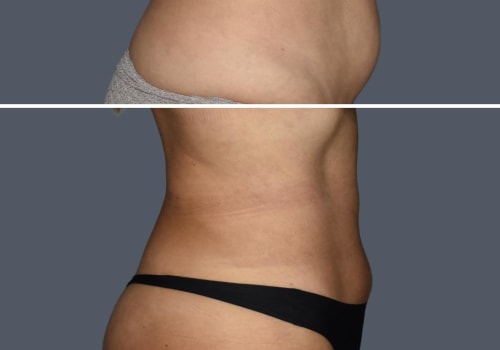
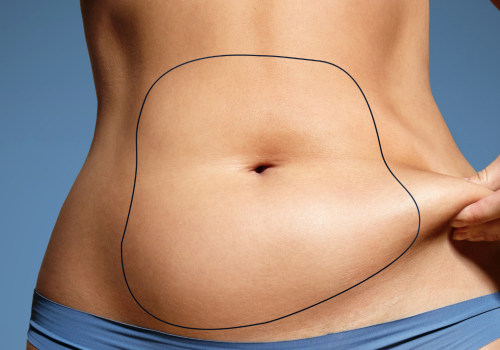
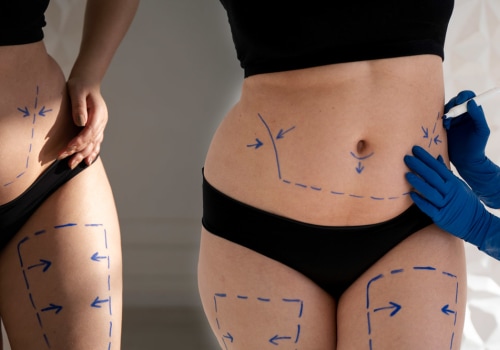
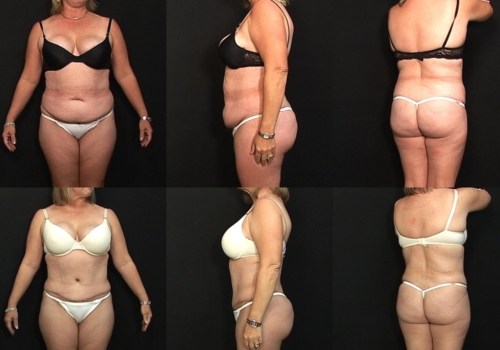
Liposuction is a widely sought-after cosmetic surgery that focuses on removing stubborn fat deposits from various areas of the body. This procedure is particularly appealing to individuals who struggle with localized fat that does not respond to diet and exercise. By employing advanced techniques, liposuction allows for the sculpting of the body, enhancing contours and improving overall appearance. As a result, it has gained immense popularity among those looking to achieve their desired body shape.The process of liposuction involves the use of a thin tube, known as a cannula, which is inserted through small incisions in the skin.
The surgeon then uses this cannula to suction out excess fat from targeted areas, such as the abdomen, thighs, buttocks, and arms. The procedure can be performed under local or general anaesthesia, depending on the extent of fat removal and the patient's comfort level. With advancements in technology, various liposuction techniques have emerged, including tumescent liposuction, ultrasound-assisted liposuction, and laser-assisted liposuction, each offering unique benefits tailored to individual needs.As more people become aware of the transformative effects of liposuction, its demand continues to rise. Many individuals view it as a viable option for achieving their aesthetic goals, whether for personal satisfaction or to boost self-confidence.
However, it is essential to understand that liposuction is not a weight-loss solution; rather, it is designed for body contouring. Candidates for this procedure should be at or near their ideal weight and possess realistic expectations regarding the outcomes.In light of its effectiveness and popularity, questions often arise about the possibility of undergoing liposuction multiple times in the same area. Understanding the implications and considerations surrounding repeat procedures is crucial for anyone contemplating further treatment. This article will delve into these aspects, providing insights into how liposuction can be safely performed more than once and what factors should be taken into account.
Can You Have Liposuction in the Same Area Twice?
Undergoing liposuction in the same area more than once is indeed possible, but it comes with a set of important considerations that patients must be aware of.The decision to have repeat liposuction should not be taken lightly, as it involves evaluating various factors related to health, healing, and aesthetic outcomes.Firstly, it is essential to allow adequate time for the body to heal after the initial procedure. Surgeons typically recommend waiting at least six months to a year before considering a second liposuction in the same area. This waiting period is crucial as it allows the body to recover fully and for any swelling or bruising to subside. Rushing into a second procedure too soon can lead to complications and suboptimal results.When contemplating multiple liposuction procedures, patients should consult with a qualified plastic surgeon who can assess their individual circumstances. The decision to have repeat liposuction should not be taken lightly, as it involves evaluating various factors related to health, healing, and aesthetic outcomes.Firstly, it is essential to allow adequate time for the body to heal after the initial procedure. Surgeons typically recommend waiting at least six months to a year before considering a second liposuction in the same area. This waiting period is crucial as it allows the body to recover fully and for any swelling or bruising to subside. Rushing into a second procedure too soon can lead to complications and suboptimal results.When contemplating multiple liposuction procedures, patients should consult with a qualified plastic surgeon who can assess their individual circumstances.
Factors such as the extent of fat removal during the first procedure, the patient's overall health, and how well the body has healed are critical in determining whether a second procedure is advisable.Moreover, it is important to understand that while repeat liposuction can enhance body contouring results, it also carries risks. The potential for uneven skin texture or irregularities, often referred to as "lumps and potholes," increases with subsequent surgeries. Therefore, patients should have realistic expectations about the outcomes of additional procedures.In some cases, patients may seek repeat liposuction to address areas that were not adequately treated during the first surgery or to refine their results further. For instance, if a patient had liposuction on their abdomen but still notices stubborn fat deposits in the flanks or under the chin, these areas may be targeted in a follow-up procedure.Ultimately, while it is feasible to undergo liposuction in the same area multiple times, careful planning and thorough discussions with a medical professional are paramount.
Patients should weigh the benefits against potential risks and ensure they are making informed decisions about their body and health.
Factors Influencing Repeat Liposuction Procedures
When considering repeat liposuction procedures, several factors come into play that can significantly influence the decision-making process. Understanding these factors is essential for achieving optimal results and ensuring patient safety.Overall Health
Your general health is a critical consideration before undergoing any surgical procedure, including liposuction. Patients with pre-existing medical conditions such as diabetes, heart disease, or obesity may face increased risks during surgery and recovery. It is vital to have a thorough consultation with your surgeon to assess your health status and determine if you are a suitable candidate for repeat liposuction.Healing Time
The body requires adequate time to heal after the initial liposuction procedure.Surgeons typically recommend waiting at least six months to a year before considering a second treatment in the same area. This waiting period allows the body to recover fully and ensures that any swelling or bruising has subsided. Rushing into a second procedure can lead to complications such as uneven contours or poor healing.
Previous Results
The outcomes of your first liposuction procedure play a significant role in deciding whether to undergo another treatment. If the initial results were satisfactory but you still have areas of concern, a second procedure may be warranted.However, if the first surgery resulted in complications or unsatisfactory results, it is crucial to discuss these issues with your surgeon before proceeding.
Individual Assessment
Every patient is unique, and individual assessments are paramount when considering repeat liposuction. Factors such as skin elasticity, fat distribution, and personal goals should be evaluated during consultations. A skilled surgeon will take the time to understand your specific needs and provide tailored recommendations based on your circumstances.In conclusion, while repeat liposuction can be performed safely under the right conditions, it is essential to consider overall health, healing time, previous results, and individual assessments. Engaging in open discussions with your healthcare provider will help ensure that you make informed decisions regarding your cosmetic surgery journey.The Healing Process After Liposuction
After undergoing liposuction, patients often have questions about the healing process and what to expect during recovery.Understanding the typical recovery timeline and adhering to post-operative care guidelines can significantly impact the overall results of the procedure.The initial recovery period usually lasts about one to two weeks. During this time, patients may experience swelling, bruising, and discomfort in the treated areas. These symptoms are normal and should gradually subside as the body begins to heal. It is essential to follow your surgeon's instructions regarding pain management and activity levels during this phase.
Typical Recovery Timeline
- First Week: Most patients will need to take at least a week off work, especially if their job involves physical activity.
Rest is crucial during this time.
- Two Weeks Post-Op: Many individuals start to feel more like themselves, with reduced swelling and discomfort. Light activities can typically be resumed, but strenuous exercise should still be avoided.
- One Month: By this point, most swelling should have significantly decreased, and patients can gradually return to their regular exercise routines, although it’s advisable to consult with your surgeon first.
- Three to Six Months: Final results may not be fully visible until several months after the procedure as the body continues to heal and adjust. Patience is key during this period.
- Wear Compression Garments: These help reduce swelling and support the healing tissues.
Your surgeon will provide specific guidelines on how long to wear them.
- Stay Hydrated: Drinking plenty of water aids in recovery and helps flush out toxins from the body.
- Avoid Smoking: Smoking can impede blood flow and delay healing, so it’s best to refrain from smoking during your recovery period.
- Follow-Up Appointments: Attend all scheduled follow-up visits with your surgeon to monitor your healing progress and address any concerns.
Risks and Considerations of Multiple Liposuction Procedures
Undergoing liposuction multiple times in the same area can be tempting for those seeking to refine their body contours further. However, it is essential to understand the potential risks and complications associated with repeat procedures.One of the primary concerns with multiple liposuction surgeries is the risk of developing irregularities in the skin's surface. This can manifest as lumps, bumps, or uneven skin texture , often referred to as the "lumps and potholes" effect.Such irregularities can occur due to uneven fat removal or inadequate skin elasticity, which may not retract properly after repeated fat removal.Another significant risk is related to the body's healing process. Each surgical procedure involves trauma to the tissues, and repeated surgeries can lead to increased scarring. Excessive scarring can hinder blood flow and lymphatic drainage, potentially resulting in complications such as seromas (fluid accumulation) or hematomas (blood clots). These complications can prolong recovery time and may require additional interventions.
Infection
is another concern that escalates with multiple procedures.
Each time a surgical incision is made, there is a risk of introducing bacteria into the body. While proper surgical techniques and post-operative care can mitigate this risk, it remains a possibility that patients must consider.Moreover, patients should be aware of their overall health status before opting for repeat liposuction. Factors such as age, pre-existing medical conditions, and lifestyle choices (like smoking or poor nutrition) can significantly impact recovery and results. Consulting with a qualified plastic surgeon is crucial to assess these factors and determine if a second procedure is advisable.To mitigate these risks, it is vital to:
- Allow adequate healing time: Surgeons typically recommend waiting at least six months to a year between procedures to ensure complete recovery.
- Choose an experienced surgeon: Selecting a board-certified plastic surgeon with extensive experience in liposuction can help minimise risks and improve outcomes.
- Follow post-operative care instructions: Adhering to your surgeon's guidelines for recovery can significantly reduce the likelihood of complications.
- Maintain a healthy lifestyle: Engaging in regular exercise and maintaining a balanced diet can enhance healing and help sustain results.
Consultation with a Plastic Surgeon: What to Expect
When considering repeat liposuction, a thorough consultation with a qualified plastic surgeon is essential.This meeting serves as an opportunity to discuss your goals, assess your health, and understand the potential outcomes of the procedure. Here’s what you can expect during this important consultation.
Initial Assessment
Your surgeon will begin by reviewing your medical history, including any previous surgeries, current medications, and overall health status. This information is crucial in determining your suitability for another liposuction procedure. Be prepared to discuss:
- Your reasons for wanting repeat liposuction
- Any concerns or complications from previous surgeries
- Your lifestyle habits, including diet and exercise
Physical Examination
The surgeon will conduct a physical examination of the area you wish to target again.
This assessment helps them evaluate skin elasticity, fat distribution, and overall body contour. They may take photographs for your medical records and to plan the procedure effectively.
Questions to Ask Your Surgeon
It’s vital to come prepared with questions that will help you make an informed decision. Consider asking:
- What are the risks associated with repeat liposuction?
- How many similar procedures have you performed?
- What techniques do you recommend for my specific case?
- What can I realistically expect in terms of results?
- What is the recovery process like after a second procedure?
- How long should I wait before undergoing repeat liposuction?
Understanding Costs and Financing Options
During the consultation, discuss the costs associated with the procedure, including any additional fees for anaesthesia or facility use. Many surgeons offer financing options or payment plans that can make the procedure more accessible.
Final Thoughts
A consultation with a plastic surgeon is not just about assessing your physical readiness for repeat liposuction; it’s also about establishing a trusting relationship.
Ensure that you feel comfortable with your surgeon and confident in their expertise before proceeding with any surgical decisions.
Alternatives to Repeat Liposuction
While repeat liposuction can be an option for some individuals, there are various alternatives to consider that may provide effective body contouring and fat reduction without the need for additional surgical procedures. These alternatives can be particularly appealing for those looking to enhance their results or address stubborn areas of fat.Non-Surgical Fat Reduction Techniques
Non-surgical fat reduction methods have gained popularity due to their minimal downtime and lower risk compared to surgical options. Here are some of the most common techniques:- Cryolipolysis (CoolSculpting) : This technique involves freezing fat cells, which causes them to die off naturally over time. It is particularly effective for areas like the abdomen, thighs, and love handles.
- Ultrasound Fat Reduction : Using ultrasound technology, this method targets and breaks down fat cells without harming surrounding tissues.
It is often used for body contouring in various areas.
- Radiofrequency Lipolysis : This procedure uses radiofrequency energy to heat and destroy fat cells while tightening the skin. It can be beneficial for areas with loose skin after weight loss.
- Injection Lipolysis (Kybella) : This injectable treatment uses deoxycholic acid to dissolve fat cells, particularly under the chin. It is a targeted approach for small areas of stubborn fat.
Body Contouring Options
In addition to non-surgical fat reduction, there are other body contouring options that can help achieve desired results:- Body Sculpting with Laser Treatments : Laser technology can be used to target fat deposits while also promoting collagen production, leading to improved skin texture and firmness.
- Weight Management Programs : Engaging in a structured weight management program that includes diet and exercise can help maintain results from previous liposuction or prevent the need for further procedures.
- Strength Training and Fitness Regimens : Incorporating strength training into your fitness routine can help build muscle and improve overall body shape, complementing any previous liposuction results.
Patient Experiences: Real Stories of Repeat Liposuction
Many individuals considering repeat liposuction often seek reassurance from the experiences of others who have undergone similar procedures.Here, we delve into real-life testimonials that highlight the motivations, outcomes, and satisfaction levels of patients who opted for a second round of liposuction.
Emma's Journey: From Hesitation to Confidence
Emma, a 34-year-old mother of two, initially underwent liposuction on her abdomen to address stubborn fat that remained after her pregnancies. "I was thrilled with the results, but over time, I noticed some areas that still bothered me," she recalls. After consulting with her surgeon, Emma decided to proceed with a second procedure six months later. "I was nervous about going under the knife again, but my surgeon assured me that my body had healed well and that I was a good candidate for repeat lipo.
The results were even better than the first time!" Emma now feels more confident in her body and appreciates the improved contours.
James's Experience: A Journey to Self-Acceptance
James, a 45-year-old fitness enthusiast, had liposuction on his love handles but felt dissatisfied with the results after a year. "I thought I could achieve my ideal physique with just one procedure, but I realised I needed more help," he explains. After careful consideration and discussions with his doctor about the risks and benefits, James opted for a second procedure. "The recovery was similar to the first time, but this time I knew what to expect.
The results were fantastic! I finally feel like I can wear fitted clothes without feeling self-conscious."
Sarah's Cautionary Tale: Learning from Experience
Not all experiences are straightforward. Sarah, a 29-year-old who underwent repeat liposuction on her thighs, faced unexpected challenges. "I was eager to enhance my results after my first surgery, but I didn’t fully understand the implications of having multiple procedures in the same area," she admits. Although she achieved her desired look, Sarah experienced some unevenness in her skin texture post-surgery.
"It taught me the importance of thorough research and having realistic expectations. I wish I had waited longer before considering another procedure."These stories illustrate that while many patients find success and satisfaction through repeat liposuction, it is essential to approach the decision with careful consideration and professional guidance. Each individual's journey is unique, and understanding both the potential benefits and risks can lead to more informed choices.
Conclusion: Key Takeaways on Repeat Liposuction Procedures
In summary, the possibility of undergoing liposuction in the same area more than once is indeed feasible, but it comes with a set of important considerations that potential patients must carefully evaluate. Here are the key takeaways regarding repeat liposuction procedures:- Healing Time is Crucial: After an initial liposuction procedure, it is essential to allow adequate time for the body to heal.
Surgeons typically recommend waiting at least six months to a year before considering a second procedure. This waiting period helps ensure that the tissues have fully recovered and that any swelling has subsided.
- Consultation with a Qualified Surgeon: Engaging in a thorough consultation with an experienced plastic surgeon is vital. They can assess your individual circumstances, including your health status and the results of your previous surgery, to determine if a second procedure is appropriate.
- Potential Risks: While repeat liposuction can enhance body contouring results, it also carries risks such as uneven skin texture or complications from multiple surgeries. Patients should be aware of these risks and discuss them openly with their surgeon.
- Realistic Expectations: It’s important for patients to maintain realistic expectations about the outcomes of repeat liposuction.
While many individuals seek additional procedures to refine their results, achieving perfection is not guaranteed.
- Body’s Response: Each individual’s body responds differently to liposuction. Factors such as skin elasticity, fat distribution, and overall health can influence the effectiveness and safety of subsequent procedures.
- Alternative Options: For some patients, exploring alternative body contouring methods may be beneficial. Non-surgical options or different surgical techniques might provide satisfactory results without the need for repeat liposuction.