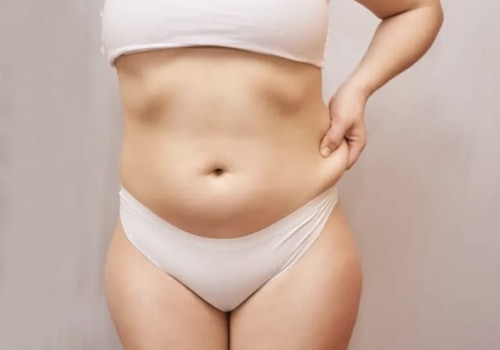
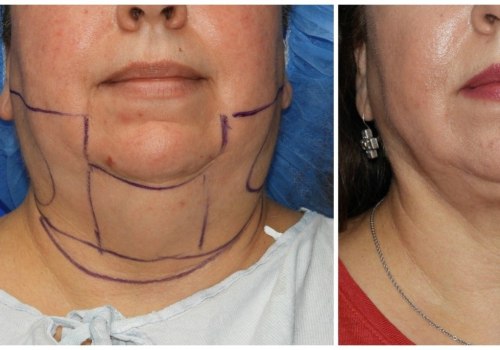
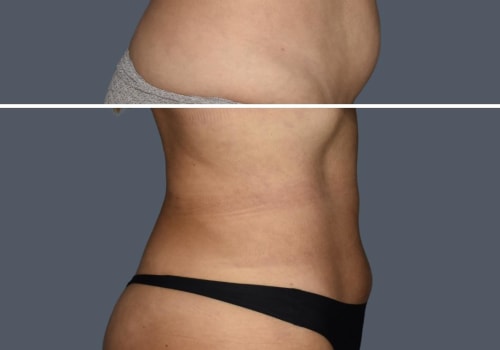
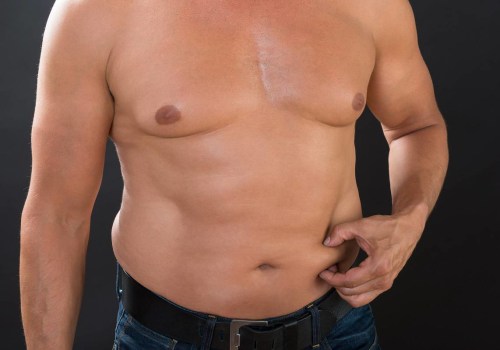
Liposuction is a popular cosmetic procedure designed to reshape and contour the body by removing stubborn fat deposits that are resistant to diet and exercise. This surgical technique has gained significant attention over the years, as it offers individuals the opportunity to achieve their desired body shape and enhance their self-esteem. However, understanding what liposuction truly entails is essential for anyone considering this procedure.The liposuction procedure involves the use of a thin tube called a cannula, which is inserted through small incisions in the skin. The surgeon then uses this cannula to suction out excess fat from specific areas of the body, such as the abdomen, thighs, buttocks, arms, and neck.
The process not only removes fat but also helps to sculpt the body, creating a more toned appearance. Various techniques exist within liposuction, including tumescent liposuction, ultrasound-assisted liposuction (UAL), and laser-assisted liposuction (LAL), each offering unique benefits and considerations.Understanding how liposuction works is crucial for setting realistic expectations. The procedure begins with a thorough consultation where the surgeon evaluates the patient’s health history, discusses aesthetic goals, and determines the most suitable technique. During the surgery, local or general anaesthesia is administered to ensure comfort. The process not only removes fat but also helps to sculpt the body, creating a more toned appearance. Various techniques exist within liposuction, including tumescent liposuction, ultrasound-assisted liposuction (UAL), and laser-assisted liposuction (LAL), each offering unique benefits and considerations.Understanding how liposuction works is crucial for setting realistic expectations. The procedure begins with a thorough consultation where the surgeon evaluates the patient’s health history, discusses aesthetic goals, and determines the most suitable technique. During the surgery, local or general anaesthesia is administered to ensure comfort.
Once the anaesthesia takes effect, the surgeon makes small incisions and injects a solution that helps to numb the area and reduce bleeding. This solution also facilitates fat removal by making it easier to extract fat cells.After the fat is suctioned out, patients can expect some swelling and bruising as part of the healing process. While results may not be immediately visible due to swelling, most individuals notice significant changes in their body shape as they recover. It’s important to remember that liposuction is not a weight-loss solution; rather, it is a body contouring procedure aimed at enhancing one’s natural silhouette.Once the anaesthesia takes effect, the surgeon makes small incisions and injects a solution that helps to numb the area and reduce bleeding. This solution also facilitates fat removal by making it easier to extract fat cells.After the fat is suctioned out, patients can expect some swelling and bruising as part of the healing process. While results may not be immediately visible due to swelling, most individuals notice significant changes in their body shape as they recover. It’s important to remember that liposuction is not a weight-loss solution; rather, it is a body contouring procedure aimed at enhancing one’s natural silhouette.
The Different Types of Liposuction Techniques
Liposuction has evolved significantly over the years, leading to the development of various techniques tailored to meet individual needs and preferences.Understanding these different types of liposuction can help potential patients make informed decisions about which method may be best suited for their body type and aesthetic goals.
Tumescent Liposuction
is one of the most commonly performed techniques. This method involves injecting a solution containing saline, lidocaine, and epinephrine into the targeted fat areas before the actual suctioning process. The saline helps to swell the fat cells, making them easier to remove, while lidocaine provides local anaesthesia, and epinephrine constricts blood vessels to minimise bleeding. The recovery time for tumescent liposuction is generally shorter compared to traditional methods, with many patients returning to normal activities within a week.
Laser LiposuctionLaser Liposuction
, also known as laser-assisted lipolysis, employs laser energy to liquefy fat cells before they are removed.
This technique is less invasive and can result in less bruising and swelling post-procedure. The heat generated by the laser also stimulates collagen production, which can improve skin tightness in the treated areas. Recovery times can vary but are often quicker than traditional liposuction methods, with many patients experiencing minimal downtime.
Ultrasound-Assisted Liposuction (UAL)
uses ultrasound waves to break down fat cells before suctioning them out. This technique is particularly effective for larger areas of fat and can be beneficial for patients with denser fat deposits.
UAL may require a longer recovery period due to the potential for more swelling and bruising compared to other methods. However, it can provide excellent results for those looking to target stubborn fat areas.When considering liposuction, it’s essential to consult with a qualified surgeon who can assess your individual circumstances and recommend the most appropriate technique based on your body type, desired outcomes, and recovery expectations. Each method has its advantages and potential drawbacks, making personalised guidance crucial for achieving optimal results.
Who is an Ideal Candidate for Liposuction?
Determining whether you are an ideal candidate for liposuction involves a careful assessment of various health and lifestyle factors. Understanding these criteria can help set realistic expectations and ensure that the procedure aligns with your goals.Health Considerations
- Overall Health: Candidates should be in good general health, free from serious medical conditions that could complicate surgery or recovery.
Conditions such as heart disease, diabetes, or blood clotting disorders may disqualify individuals from undergoing liposuction.
- Stable Weight: Ideal candidates typically have a stable weight, ideally within 30% of their target body weight. Liposuction is not a weight-loss solution but rather a body contouring procedure designed to remove stubborn fat deposits.
- Skin Elasticity: Good skin elasticity is crucial for optimal results. Candidates with firm skin are more likely to achieve smooth and contoured results post-surgery, while those with loose skin may require additional procedures, such as skin tightening or removal.
Lifestyle Factors
- Commitment to a Healthy Lifestyle: Candidates should be committed to maintaining a healthy lifestyle post-procedure. This includes adhering to a balanced diet and engaging in regular physical activity to sustain the results achieved through liposuction.
- Realistic Expectations: It is essential for candidates to have realistic expectations regarding the outcomes of liposuction.
Understanding that the procedure can enhance body contours but not serve as a substitute for weight loss is vital.
- Avoiding Smoking: Smoking can impede healing and increase the risk of complications. Candidates are often advised to quit smoking several weeks before and after the procedure to promote better recovery.
What to Expect Before the Procedure: Preparation and Consultation
Undergoing liposuction is a significant decision that requires careful consideration and preparation. The journey begins with a thorough consultation with a qualified plastic surgeon, which is crucial for setting realistic expectations and ensuring the procedure aligns with your goals.Consultation Process
- Initial Meeting: During your first appointment, the surgeon will assess your medical history, discuss your reasons for seeking liposuction, and evaluate your overall health.
This is an opportunity to express your concerns and desired outcomes.
- Physical Examination: The surgeon will perform a physical examination to determine the areas of fat accumulation and assess your skin elasticity. This evaluation helps in formulating a tailored surgical plan.
- Discussion of Techniques: There are various liposuction techniques available, such as tumescent, ultrasound-assisted, or laser-assisted liposuction. Your surgeon will explain these options and recommend the most suitable method based on your individual needs.
- Realistic Expectations: It’s essential to have realistic expectations about the results. Your surgeon will provide before-and-after photos of previous patients to give you a clearer idea of what to expect.
- Addressing Concerns: Don’t hesitate to ask questions about the procedure, recovery time, potential risks, and complications.
A good surgeon will encourage open communication and ensure you feel comfortable with your decision.
Preparing for Liposuction
Once you’ve decided to proceed with liposuction, preparation is key to ensuring a smooth surgical experience. Here are some important steps to consider:
- Lifestyle Adjustments: Aim to maintain a stable weight before the procedure. Significant fluctuations in weight can affect the results of liposuction. A balanced diet and regular exercise can help you achieve this.
- Avoid Certain Medications: Your surgeon may advise you to avoid blood thinners, such as aspirin or ibuprofen, for at least two weeks prior to surgery.
This helps reduce the risk of excessive bleeding during the procedure.
- Smoking Cessation: If you smoke, it’s advisable to quit at least four weeks before surgery. Smoking can impair healing and increase the risk of complications.
- Arrange Post-Operative Care: Plan for someone to accompany you on the day of surgery and assist you during the initial recovery period. Having support can make a significant difference in your comfort and recovery process.
Recovery After Liposuction: What You Need to Know
Recovering from liposuction is a crucial phase that significantly impacts the overall results of the procedure. Understanding the recovery timeline, potential side effects, and effective post-operative care can help you manage your expectations and promote optimal healing.Immediately following the surgery, patients can expect to experience some discomfort, swelling, and bruising in the treated areas.These symptoms are normal and typically subside over time. Here’s a general timeline of what to expect during the recovery process:
- First 24-48 hours: You may feel groggy due to anaesthesia. Pain medication will be prescribed to manage discomfort. It’s essential to rest and avoid any strenuous activities.
- Days 3-7: Swelling and bruising will peak during this period.
Most patients can return to light activities or work after about a week, depending on their comfort level.
- Weeks 2-4: As swelling begins to decrease, you may start to see initial results. However, it’s important to continue wearing compression garments as advised by your surgeon to support healing.
- Weeks 4-6: By this stage, most of the swelling should have subsided, and you can gradually resume more strenuous activities. However, it’s crucial to listen to your body and not rush the healing process.
- Months 3-6: Final results will become more apparent as your body continues to heal. Full recovery can take several months, with residual swelling potentially lasting up to six months.
- Follow post-operative instructions: Adhering strictly to your surgeon's guidelines regarding activity levels, medication, and follow-up appointments is vital for a successful recovery.
- Stay hydrated: Drinking plenty of water aids in healing and helps reduce swelling.
- Maintain a balanced diet: Eating nutritious foods can support your body’s recovery process.
Focus on lean proteins, fruits, vegetables, and whole grains.
- Avoid smoking and alcohol: Both can impede healing and increase the risk of complications.
- Be patient: Healing takes time; give your body the necessary time to recover fully before considering additional procedures or returning to high-intensity workouts.
Maintaining Results: Lifestyle Changes After Liposuction
After undergoing liposuction, many patients are eager to enjoy their new body contours. However, achieving lasting results requires a commitment to lifestyle changes that support a healthy weight and overall well-being. Here are some essential strategies to maintain your liposuction results:Dietary Adjustments
Your diet plays a crucial role in maintaining the results of liposuction.After the procedure, it is vital to adopt a balanced and nutritious eating plan. Here are some dietary tips:
- Focus on Whole Foods: Incorporate plenty of fruits, vegetables, whole grains, and lean proteins into your meals. These foods are nutrient-dense and can help you feel full longer.
- Stay Hydrated: Drinking adequate water is essential for overall health and can help control hunger. Aim for at least 2 litres of water daily.
- Limit Processed Foods: Reduce your intake of sugary snacks, fast food, and high-calorie beverages.
These can contribute to weight gain and negate the benefits of liposuction.
- Portion Control: Be mindful of portion sizes to avoid overeating. Using smaller plates can help manage portions effectively.
Regular Exercise
In addition to dietary changes, incorporating regular physical activity into your routine is vital for maintaining your new shape. Consider the following exercise recommendations:- Aim for Consistency: Establish a regular workout schedule that includes both cardiovascular exercises (like walking, running, or cycling) and strength training (such as weight lifting or resistance exercises).
- Start Slowly: If you are new to exercise or have been inactive for a while, begin with low-impact activities and gradually increase intensity as your body adjusts.
- Incorporate Variety: Mix different types of workouts to keep things interesting and engage various muscle groups. This can include yoga, swimming, or group fitness classes.
Remember that maintaining a healthy weight is an ongoing process that requires dedication and effort. Regular check-ins with a healthcare provider or nutritionist can also provide valuable support as you navigate your post-liposuction journey.
The Risks and Complications Associated with Liposuction
Liposuction, while often viewed as a straightforward method for body contouring, carries a range of potential risks and complications that patients should be fully aware of before undergoing the procedure. Understanding these risks is essential for making an informed decision and ensuring patient safety.One of the most common complications associated with liposuction is infection. As with any surgical procedure, there is a risk of bacteria entering the body during the operation, which can lead to serious infections.Symptoms may include fever, increased pain, and swelling at the incision sites. It is crucial to follow post-operative care instructions meticulously to minimise this risk.Another significant concern is haematoma , which occurs when blood collects in the tissue under the skin. This can lead to swelling and discomfort, requiring additional treatment or even surgery to drain the accumulated blood. Patients should be vigilant for signs of excessive bruising or swelling following their procedure.
Seroma
, a condition where fluid accumulates in the space left by the removed fat, is also a potential complication.
This can cause swelling and may require drainage if it becomes problematic. Patients should monitor their recovery closely and report any unusual symptoms to their surgeon.Additionally, there are risks related to anesthesia. General anaesthesia can lead to complications such as respiratory issues or allergic reactions. Even local anaesthesia carries risks, including prolonged numbness or tingling in the treated areas.
Skin irregularities
are another concern.
After liposuction, some patients may experience uneven skin texture or contour irregularities due to uneven fat removal or poor skin elasticity. This can sometimes necessitate further procedures to correct.
Fat embolism
, although rare, is a serious complication where fat enters the bloodstream and travels to the lungs or brain, potentially causing life-threatening conditions. Symptoms may include sudden shortness of breath, confusion, or changes in consciousness.Lastly, it’s important to consider the psychological impact of liposuction. While many patients are satisfied with their results, some may experience feelings of disappointment if their expectations are not met.
It’s vital for individuals to have realistic goals and engage in thorough discussions with their healthcare provider about what liposuction can achieve.In conclusion, while liposuction can offer significant aesthetic benefits, it is not without its risks. Patients must weigh these potential complications against their desire for body contouring and consult with qualified professionals to ensure they are making an informed choice.
How Soon Can You Get Liposuction Again?
Deciding when to undergo a second liposuction procedure is a significant consideration that requires careful thought and planning. The timing of your next surgery can greatly influence the results and your overall recovery experience. Here are some key factors to consider when determining how soon you can get liposuction again.1.Recovery Time from the First Procedure
After your initial liposuction, your body needs time to heal.
Typically, it is advisable to wait at least three to six months before considering another procedure. This waiting period allows for complete recovery, during which swelling and bruising subside, and the final results of the first surgery become apparent.
2.Weight Stability
Maintaining a stable weight is crucial before undergoing a second liposuction. If you have lost weight since your first procedure, it is essential to ensure that your weight has stabilised for at least three months. Gaining weight after liposuction can lead to uneven fat distribution, which may compromise the results of both procedures.
3.Skin Elasticity
Your skin's elasticity plays a vital role in determining when you can safely have another liposuction.
If your skin has lost its firmness due to significant weight loss or age, it may not bounce back as effectively after a second procedure. Consulting with your surgeon about your skin condition can help you understand if additional treatments, such as skin tightening procedures, are necessary.
4.Overall Health and Lifestyle
Your general health and lifestyle choices significantly impact your readiness for another liposuction. Factors such as smoking, alcohol consumption, and overall fitness levels can affect healing and recovery times. It is advisable to adopt a healthy lifestyle that includes a balanced diet and regular exercise before considering a second procedure.
5.Consultation with Your Surgeon
Ultimately, the best way to determine when you can safely undergo another liposuction is through a thorough consultation with your plastic surgeon.
They will assess your individual circumstances, including your health history, recovery from the first procedure, and aesthetic goals, to provide tailored advice on timing.In conclusion, while the prospect of achieving further body contouring through a second liposuction may be appealing, it is essential to approach this decision with caution. By considering recovery time, weight stability, skin elasticity, overall health, and professional guidance, you can make an informed choice about when to proceed with another liposuction procedure.
Real Patient Experiences: Testimonials and Case Studies
Understanding the journey of others who have undergone liposuction can provide invaluable insights for those considering the procedure. Here, we share a selection of real patient experiences and case studies that highlight the diverse outcomes and emotional journeys associated with liposuction.Patient Testimonials
Many patients express a mix of excitement and apprehension before their surgery. For instance, Sarah, a 34-year-old mother of two, shared her experience:"I had struggled with my body image for years after having children.Another patient, Mark, aged 45, had a different perspective:I decided to undergo liposuction to target stubborn areas that wouldn’t budge despite diet and exercise. The results were life-changing! I felt more confident in my clothes and even started going to the gym regularly. It was the boost I needed to embrace a healthier lifestyle."
"I was hesitant about liposuction at first. I had heard mixed reviews from friends.However, after consulting with my surgeon and understanding the process better, I decided to go ahead. The recovery was tough, but seeing my body transform was worth it. I now feel more energetic and motivated to maintain my weight."
Case Studies
Case studies can also shed light on the potential results of liposuction. One notable case involved a 28-year-old woman named Emily, who underwent liposuction on her abdomen and thighs:- Pre-Procedure: Emily had a BMI within the normal range but struggled with localized fat deposits that affected her self-esteem.
- Surgery Details: The procedure involved tumescent liposuction, which is known for its effectiveness in reducing recovery time.
- Results: Post-surgery, Emily reported a significant improvement in her body contour and confidence levels.
She maintained her results through regular exercise and a balanced diet.
Conclusion: Key Takeaways About Liposuction and Future Considerations
As we conclude our exploration of liposuction, it is essential to reflect on the critical insights shared throughout this article. Understanding the nuances of this procedure can significantly impact your decision-making process and overall satisfaction with the results.Firstly, it is vital to recognise that liposuction is not a weight-loss solution but rather a body contouring technique designed to eliminate stubborn fat deposits. This distinction is crucial for setting realistic expectations.Many individuals may assume that liposuction will lead to significant weight loss; however, it is primarily intended for those who are close to their ideal weight but struggle with specific areas of fat.Secondly, the timing of subsequent liposuction procedures should be approached with caution. Factors such as weight stability, skin elasticity, and overall health play a significant role in determining when it is appropriate to consider another round of treatment. Generally, waiting at least three to six months after your initial procedure allows your body to heal and stabilise, ensuring that you achieve the best possible results.Moreover, maintaining a healthy lifestyle post-liposuction is paramount. Engaging in regular exercise and adhering to a balanced diet can help preserve the results of your procedure.
Remember that while the fat cells removed during liposuction do not return, new fat can accumulate if you do not manage your weight effectively.Lastly, always consult with a qualified healthcare provider before making any decisions regarding cosmetic procedures. A thorough discussion about your goals, expectations, and any potential risks will provide you with the information needed to make an informed choice.In summary, liposuction can be an effective way to enhance body contours when approached with realistic expectations and proper care. By understanding its limitations and committing to a healthy lifestyle, you can enjoy lasting results that align with your aesthetic goals.