Undergoing liposuction is a significant step towards achieving your desired body shape, but the journey does not end with the procedure itself. Understanding the recovery process is crucial for anyone considering this cosmetic surgery. The healing journey can be as transformative as the surgery, and being well-informed can help you navigate the challenges that may arise during this period.After liposuction, patients often experience a range of physical sensations and changes, including swelling, bruising, and discomfort. These symptoms are normal and part of the body’s natural healing response.
However, knowing what to expect can alleviate anxiety and help you prepare mentally and physically for the days and weeks following your procedure. The recovery timeline varies from person to person, influenced by factors such as the extent of fat removal, individual health conditions, and adherence to post-operative care instructions.In this section, we will delve into the various stages of liposuction recoveryliposuction recovery, highlighting key aspects such as pain management, activity restrictions, and signs of complications. By familiarising yourself with these elements, you can set realistic expectations for your healing process. This knowledge not only empowers you but also enhances your overall experience, allowing you to focus on enjoying your new body while ensuring a smooth recovery.Ultimately, understanding the liposuction healing process is essential for achieving optimal results.
With proper care and patience, you can look forward to revealing a more contoured silhouette that reflects your hard work and commitment to self-improvement.
What is Liposuction?
Liposuction
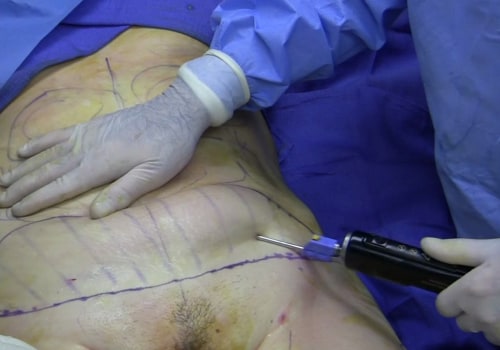
is a popular cosmetic surgical procedure designed to remove excess fat from specific areas of the body, helping individuals achieve a more contoured and sculpted appearance. This procedure is not intended for weight loss but rather for body shaping, making it an ideal option for those who are close to their ideal weight but struggle with stubborn fat deposits that resist diet and exercise.The liposuction procedure involves the use of a thin tube called a cannula, which is inserted through small incisions in the skin. The cannula is connected to a vacuum device that suctions out the unwanted fat. The process can be performed under local or general anaesthesia, depending on the extent of the treatment and the areas being targeted.
Types of Liposuction
- Tumescent Liposuction:Tumescent Liposuction: This is the most common technique, where a solution containing saline, anaesthetic, and epinephrine is injected into the treatment area.
This solution helps to numb the area and reduce bleeding.
- Ultrasound-Assisted Liposuction (UAL): This method uses ultrasound energy to liquefy fat cells before they are removed, making it easier to suction out larger volumes of fat.
- Laser-Assisted Liposuction (SmartLipo): In this technique, laser energy is used to melt fat cells, which are then removed through suction. This method also promotes skin tightening due to the heat generated by the laser.
- Suction-Assisted Liposuction (SAL): This traditional method involves directly suctioning out fat without any prior liquefaction, making it suitable for smaller areas.
Immediate Post-Operative Care
Following your liposuction procedure, the immediate post-operative care is crucial for a successful recovery.This phase typically begins as soon as you wake up from anaesthesia and continues for the first few days after surgery. Understanding how to manage your recovery during this time can significantly impact your overall healing process.
Pain Management
It is common to experience some discomfort after liposuction, which can vary in intensity depending on the extent of the procedure. Your surgeon will likely prescribe pain relief medication to help manage any pain you may feel. It is essential to take these medications as directed, even if you feel better, to prevent any sudden spikes in discomfort.
Medication and Instructions
In addition to pain relief, your surgeon may prescribe antibiotics to prevent infection.
Be diligent about taking all medications as prescribed and follow any specific instructions regarding their use. If you have any questions or concerns about your medications, do not hesitate to contact your healthcare provider.
Compression Garments
Wearing a compression garment is a critical part of your post-operative care. This garment helps reduce swelling and supports the healing tissues. You should wear it continuously for the first few weeks, only removing it for brief periods as advised by your surgeon.
The compression will also help contour your new shape and improve skin retraction.
Rest and Activity
During the first few days after surgery, it is vital to prioritise rest. Your body has undergone a significant procedure, and allowing it time to heal is essential. While you may feel well enough to engage in light activities, avoid strenuous exercise or heavy lifting for at least two weeks. Listen to your body; if you feel fatigued, take a break.
Follow-Up Appointments
Make sure to attend all scheduled follow-up appointments with your surgeon.
These visits are crucial for monitoring your recovery progress and addressing any concerns that may arise. Your surgeon will assess your healing and provide guidance on when you can gradually resume normal activities.
Conclusion
The immediate post-operative care after liposuction sets the foundation for a smooth recovery. By adhering to your surgeon's instructions regarding pain management, medication, and activity levels, you can enhance your healing process and achieve the best possible results from your procedure.
Understanding Swelling and Bruising
After undergoing liposuction, it is common for patients to experience swelling and bruising in the treated areas. Understanding these side effects is crucial for managing expectations and alleviating any concerns during the recovery process.Swelling After Liposuction
Swelling is a natural response of the body to surgical trauma.
Following liposuction, the body initiates a healing process that involves increased blood flow and fluid accumulation in the affected areas. This can lead to noticeable swelling, which typically peaks within the first few days post-surgery.Generally, swelling begins to subside after about a week, but it can take several weeks for it to diminish significantly. Most patients will notice a marked reduction in swelling by the end of the second week, although some residual swelling may persist for up to six months. It is essential to wear a compression garment as advised by your surgeon, as this can help manage swelling and support the healing process.
Bruising After Liposuction
Bruising is another common side effect following liposuction.
The extent of bruising can vary depending on the size of the area treated and the technique used during surgery. Bruises occur due to small blood vessels being damaged during the procedure, leading to blood leaking into surrounding tissues.Typically, bruises will start as dark purple or blue marks and gradually change colour as they heal, transitioning through shades of green and yellow before disappearing completely. While most bruises resolve within a month, deeper bruises may take longer—sometimes up to six months—to fully fade.
Managing Expectations
It is important for patients to understand that both swelling and bruising are part of the normal recovery process after liposuction. While these symptoms can be uncomfortable and may cause anxiety, they are usually temporary.
Keeping an open line of communication with your surgeon can help address any concerns you may have during your recovery.In summary, while swelling and bruising are common after liposuction, they typically resolve within weeks to months. Adhering to post-operative care instructions and being patient with your body’s healing process will contribute significantly to achieving your desired results.
The Role of Compression Garments
After undergoing liposuction, one of the most crucial aspects of the recovery process is the use of compression garments. These specially designed garments play a significant role in enhancing the healing process and ensuring optimal results following your procedure.Benefits of Compression Garments
- Reduction of Swelling: One of the primary benefits of wearing compression garments is their ability to minimise swelling. After liposuction, it is common for the treated areas to swell as part of the body’s natural healing response.
Compression garments apply consistent pressure to these areas, which helps to reduce fluid accumulation and promotes faster recovery.
- Support for Healing Tissues: Compression garments provide essential support to the underlying tissues. This support can help to stabilise the skin and fat layers as they heal, reducing the risk of complications such as seromas (fluid collections) and promoting a smoother contour.
- Pain Management: Many patients report that wearing compression garments can help alleviate discomfort during the recovery phase. The gentle pressure can provide a sense of security and comfort, making it easier to manage post-operative pain.
- Improved Circulation: By promoting better blood flow in the treated areas, compression garments can enhance circulation, which is vital for healing. Improved circulation helps deliver essential nutrients and oxygen to the tissues, facilitating a more efficient recovery process.
When to Wear Compression Garments
Your surgeon will provide specific instructions regarding when to start wearing your compression garment after liposuction.
Generally, it is recommended to wear them immediately after your procedure. Here are some guidelines:
- Duration: Most surgeons advise wearing compression garments continuously for at least 4 weeks post-surgery. This duration may vary based on individual circumstances and the extent of the liposuction performed.
- Type of Garment: Ensure that you are using a garment specifically designed for post-liposuction recovery. These garments are tailored to fit snugly without being overly restrictive, allowing for comfort while still providing necessary support.
- Follow-Up Appointments: During follow-up visits, your surgeon will assess your healing progress and may adjust recommendations regarding how long you should continue wearing your compression garment.
They not only help reduce swelling and promote healing but also enhance overall comfort during this critical time. Adhering to your surgeon's guidelines regarding their use will significantly contribute to achieving the best possible results from your liposuction procedure.
Managing Pain and Discomfort
After undergoing liposuction, it is common for patients to experience varying degrees of pain and discomfort as part of the recovery process. Understanding how to manage these sensations effectively can significantly enhance your overall experience and promote a smoother healing journey.Medications for Pain Relief
- Your surgeon will likely prescribe pain relief medications to help manage discomfort. These may include non-steroidal anti-inflammatory drugs (NSAIDs) or stronger opioids, depending on the extent of your procedure.
- It is crucial to follow your surgeon's instructions regarding medication dosage and timing.
Taking pain relief as prescribed can prevent discomfort from escalating.
- Over-the-counter options, such as ibuprofen or paracetamol, can also be effective for mild pain. However, consult your surgeon before combining these with prescribed medications.
Home Remedies and Comfort Measures
- Cold Compresses: Applying a cold compress to the treated areas can help reduce swelling and numb the pain. Ensure you wrap ice packs in a cloth to avoid direct contact with the skin.
- Rest and Elevation: Resting is vital during recovery. Keeping the treated areas elevated can help minimise swelling and discomfort.
Use pillows to prop yourself up while resting or sleeping.
- Gentle Movement: While it’s essential to rest, gentle movement can promote circulation and reduce stiffness. Short walks around your home can be beneficial, but avoid strenuous activities until cleared by your surgeon.
Tips for Easing Discomfort
- Wear your compression garment as directed. This not only aids in reducing swelling but also provides support that can alleviate discomfort.
- Stay hydrated and maintain a balanced diet rich in vitamins and minerals to support healing. Foods high in protein can be particularly beneficial.
- If you experience persistent or severe pain that does not improve with medication, contact your surgeon immediately for advice.
Remember that each individual's experience may vary, so it is essential to listen to your body and seek professional guidance when needed.
Returning to Daily Activities
After undergoing liposuction, many patients are eager to return to their daily routines, including work and exercise. However, it is crucial to approach this transition with care to ensure proper healing and optimal results.Returning to Work
The timeline for returning to work after liposuction varies significantly based on the extent of the procedure and the individual’s overall health. Generally, patients can expect the following:
- Minor Procedures: If only a small area was treated, many individuals can return to work within 3 to 5 days. This is particularly true for those in sedentary jobs where physical exertion is minimal.
- Moderate Procedures: For those who have undergone more extensive liposuction, a recovery period of 1 to 2 weeks may be necessary before resuming work.
It is advisable to listen to your body and consult with your surgeon regarding your specific situation.
- Extensive Procedures: If a larger area was treated or if the procedure was particularly invasive, a recovery period of 2 to 4 weeks may be required. In such cases, it is essential to prioritise healing over rushing back into work.
Resuming Normal Activities
Once you have returned to work, it is important to gradually reintroduce other daily activities. Here are some guidelines:
- Avoid Strenuous Activities: For at least 4 to 6 weeks, avoid heavy lifting or strenuous activities that could strain your body. This includes activities like running, weightlifting, or any high-impact sports.
- Listen to Your Body: Pay attention to how you feel during your daily activities.
If you experience increased discomfort or swelling, it may be a sign that you need more time before resuming certain tasks.
- Incorporate Light Activities: After about 2 weeks, you can start incorporating light activities such as walking or gentle stretching. These can help improve circulation and promote healing.
Exercise After Liposuction
The return to exercise should be gradual and carefully monitored. Here are some recommendations:
- Initial Phase (Weeks 1-2): Focus on light walking and gentle movements. This helps maintain mobility without putting undue stress on your body.
- Intermediate Phase (Weeks 3-4): You may begin low-impact exercises such as cycling or swimming, provided you feel comfortable and have received clearance from your surgeon.
- Advanced Phase (Weeks 6-12): After approximately 6 weeks, you can gradually reintroduce more intense workouts.
However, avoid high-impact exercises until you feel fully recovered.
Long-Term Recovery Expectations
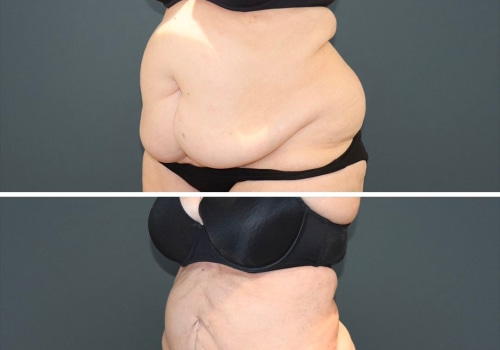
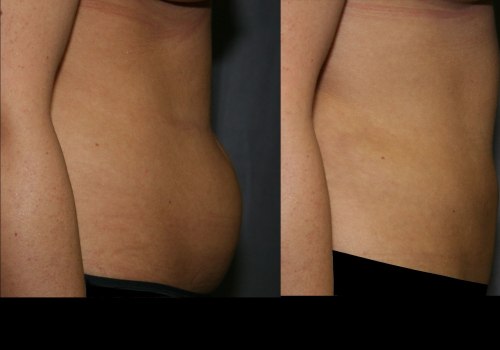
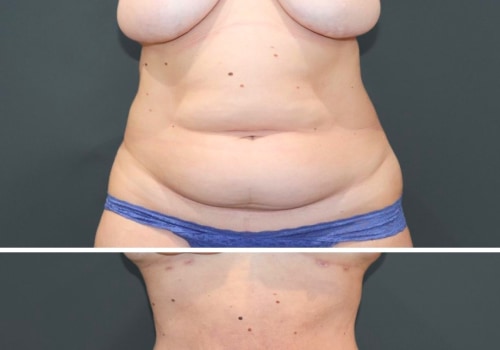
Understanding the long-term recoverylong-term recovery process after liposuction is crucial for setting realistic expectations. While many patients are eager to see immediate results, it’s important to recognise that the full benefits of the procedure may not be visible for several months. This timeline can vary significantly based on individual factors.Typically, patients can expect to see noticeable changes in their body shape within a few weeks post-surgery.However, the final results often take up to six months to fully manifest. During this period, the body undergoes various healing processes, including the reduction of swelling and the retraction of skin.
Factors Influencing Recovery
- Extent of Procedure: The amount of fat removed and the areas treated can greatly influence recovery time. More extensive procedures may require longer healing periods.
- Individual Healing Rates: Each person’s body heals at its own pace. Factors such as age, overall health, and lifestyle choices play a significant role in recovery.
- Post-Operative Care: Adhering to your surgeon’s post-operative instructions, including wearing compression garments and attending follow-up appointments, can enhance healing and improve results.
It’s common for areas treated with liposuction to feel firm or even slightly hard as the tissues heal. This firmness typically diminishes over time, revealing a smoother contour.Moreover, some patients may notice changes in sensation around the treated areas. Numbness or tingling is not uncommon and usually resolves as healing progresses. If these sensations persist beyond a few months, it’s advisable to consult your surgeon.In summary, while initial results from liposuction can be seen relatively quickly, patience is key for achieving the final outcome.
By understanding the full results timeline and being aware of the factors that influence healing, patients can better navigate their recovery journey and enjoy their new body shape with confidence.
Common Concerns and FAQs About Liposuction Recovery
After undergoing liposuction, many patients have questions and concerns regarding their recovery. Addressing these common queries can help ease anxiety and provide clarity on what to expect during the healing process.How long does it take to recover from liposuction?
The recovery timeline can vary significantly from person to person, depending on the extent of the procedure and individual health factors. Generally, most patients can expect to return to light activities within a week, while more strenuous activities may need to be postponed for up to 12 weeks. Full recovery, where swelling has subsided and results are visible, can take up to six months.What should I expect in terms of pain and discomfort?
It is normal to experience some level of discomfort following liposuction.This may include soreness, swelling, and bruising in the treated areas. Your surgeon will likely prescribe pain relief medication to help manage any discomfort. Most patients find that the pain diminishes significantly after the first few days.
Will I have visible bruising?
Yes, bruising is a common side effect of liposuction. The severity and duration of bruising depend on the size of the area treated and individual healing responses.Typically, bruises will start to fade within a few weeks but can last up to six months in some cases.
When can I return to work?
The timeline for returning to work varies based on the nature of your job and the extent of your surgery. If your job involves physical activity, you may need more time off compared to a desk job. Generally, patients can return to work within a few days to two weeks.Are there any signs of complications I should watch for?
While complications are rare, it is essential to monitor your recovery closely. Signs of potential issues include:- Increased swelling or redness
- Persistent pain that worsens over time
- Fever or chills
- Fluid leakage from incisions
Can I exercise after liposuction?
Light walking is encouraged shortly after surgery to promote circulation; however, more intense workouts should be avoided for at least three weeks.Always consult with your surgeon before resuming any exercise routine.By understanding these common concerns and questions about liposuction recovery, patients can feel more prepared and confident as they embark on their healing journey.
Conclusion: Embracing Your New Body Post-Liposuction
As you conclude your journey through the liposuction process, it is essential to reflect on the significant changes that have taken place, both physically and emotionally. The recovery period can be challenging, but it is also a time of transformation and renewal. Embracing your new body is not just about appreciating the aesthetic results; it is about understanding the journey you have undertaken to achieve these changes.Throughout this article, we have discussed various aspects of the recovery process after liposuction, including the expected timeline for swelling and bruising, the importance of following post-operative care guidelines, and the emotional adjustments that may accompany your new appearance. It is crucial to remember that patience is key during this time.Your body has undergone a significant procedure, and allowing it the necessary time to heal will ultimately lead to the best results.Here are some key points to keep in mind as you embrace your new body:
- Be Patient: Understand that full recovery can take several months. Swelling may persist for weeks, and it can take up to six months to see the final results of your liposuction.
- Follow Post-Operative Instructions: Adhering to your surgeon's guidelines regarding activity levels, compression garment usage, and follow-up appointments is vital for optimal healing.
- Focus on Self-Care: Engage in activities that promote your well-being, such as gentle exercise, a balanced diet, and adequate hydration. These practices will support your recovery and enhance your overall health.
- Embrace Your New Look: Take time to appreciate the changes in your body. Celebrate milestones in your recovery and allow yourself to feel confident in your new shape.
- Seek Support: Surround yourself with friends and family who can provide encouragement during your recovery.
Consider joining support groups where you can share experiences with others who have undergone similar procedures.