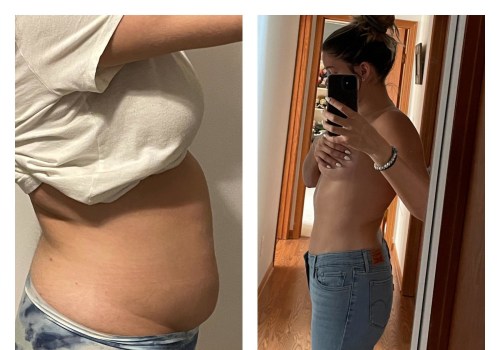
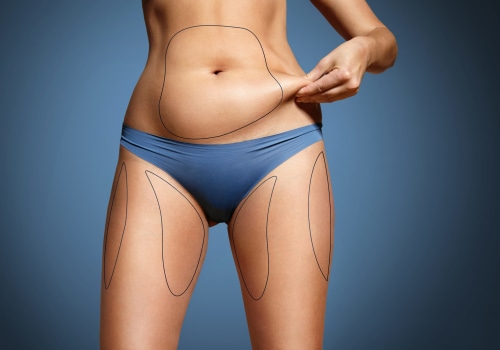
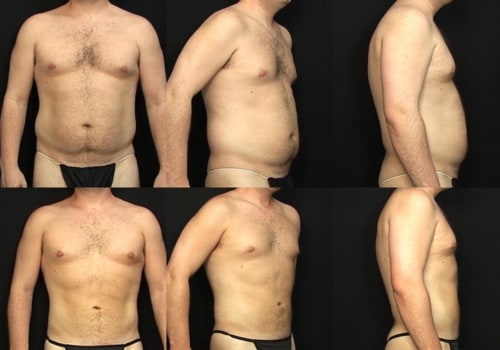
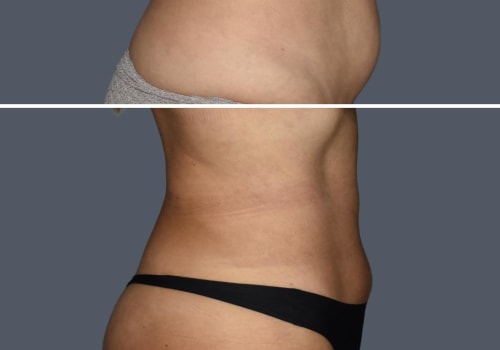
Liposuction is a popular cosmetic procedure designed to reshape and contour the body by removing stubborn fat deposits that are resistant to diet and exercise. This surgical technique targets specific areas where fat tends to accumulate, such as the abdomen, thighs, buttocks, and arms. By eliminating these pockets of fat, liposuction can enhance body proportions and improve overall appearance, making it an appealing option for individuals seeking a more sculpted physique.The liposuction procedure typically begins with a consultation where the surgeon evaluates the patient’s health, discusses their goals, and determines the most suitable approach. During the surgery, small incisions are made in the targeted areas, through which a thin tube called a cannula is inserted.
The cannula is used to suction out excess fat while ensuring minimal damage to surrounding tissues. Depending on the technique employed—be it tumescent liposuction, ultrasound-assisted liposuction, or laser-assisted liposuction—the surgeon may use different methods to liquefy the fat before removal, enhancing efficiency and recovery.Understanding how The cannula is used to suction out excess fat while ensuring minimal damage to surrounding tissues. Depending on the technique employed—be it tumescent liposuction, ultrasound-assisted liposuction, or laser-assisted liposuction—the surgeon may use different methods to liquefy the fat before removal, enhancing efficiency and recovery.Understanding how liposuction works is crucial for anyone considering this procedure. It is important to note that liposuction is not a weight-loss solution but rather a body contouring method. The results can be dramatic; however, they are most effective when combined with a healthy lifestyle.
Patients are encouraged to maintain a stable weight post-procedure to preserve their new contours. While liposuction can significantly improve body shape, it does not prevent future weight gain or eliminate all fat cells in the treated areas. Therefore, it is essential for individuals to have realistic expectations and commit to ongoing health and wellness practices following their surgery.
The Liposuction Procedure Explained
Liposuction is a popular cosmetic procedure designed to remove stubborn fat deposits from various areas of the body. Understanding the steps involved in the liposuction process, as well as the different techniques available, is essential for anyone considering this treatment.The typical liposuction procedure can be broken down into several key steps:- Consultation: The journey begins with a thorough consultation with a qualified plastic surgeon.
During this meeting, the surgeon will assess your medical history, discuss your aesthetic goals, and determine if you are a suitable candidate for liposuction.
- Preparation: Once you decide to proceed, you will receive pre-operative instructions. This may include guidelines on medications to avoid, dietary recommendations, and what to expect on the day of surgery.
- Anesthesia: On the day of the procedure, you will be administered anesthesia. Depending on the extent of the surgery and your comfort level, this could be local anesthesia with sedation or general anesthesia.
- Incision: The surgeon will make small incisions in the targeted areas. The size and number of incisions depend on the technique used and the amount of fat being removed.
- Fat Removal: Using a cannula (a thin tube), the surgeon will suction out fat from beneath the skin.
This step varies based on the technique employed.
- Closing Incisions: After fat removal, the incisions are closed with sutures or adhesive strips. The surgeon may also apply dressings to aid in recovery.
- Tumescent Liposuction: This is one of the most common methods, where a solution containing saline, lidocaine, and epinephrine is injected into the fatty tissue before fat removal. This technique helps reduce bleeding and pain.
- Ultrasound-Assisted Liposuction (UAL): UAL uses ultrasound energy to liquefy fat cells before they are suctioned out. This method is particularly effective for fibrous areas like the back or male breast tissue.
- Laser-Assisted Liposuction (LAL): In this technique, laser energy is used to melt fat cells, making them easier to remove.
LAL can also promote skin tightening due to heat stimulation.
Can Fat Return After Liposuction?
One of the most pressing concerns for individuals considering liposuction is whether fat can return after the procedure. The short answer is yes, fat can return, but understanding the mechanisms behind this phenomenon is crucial for managing expectations and maintaining results.After undergoing liposuction, patients often experience a significant reduction in fat cells in the treated areas. However, it is essential to note that liposuction does not eliminate all fat cells from the body. Instead, it selectively removes fat from specific regions, leaving behind a layer of fat cells that can still expand if weight is gained.Reasons for Fat Return
- Weight Gain: If a patient gains weight after liposuction, the remaining fat cells can enlarge, leading to an increase in overall body fat.
This weight gain may not be evenly distributed; instead, it can lead to a more pronounced accumulation of fat in areas that were not treated.
- Body Fat Distribution Changes: Following liposuction, the body may redistribute fat differently than before. For instance, if certain areas have been slimmed down, other regions may become more prone to storing excess fat as the body compensates for the loss.
- Metabolic Factors: Individual metabolic rates play a significant role in how the body stores and burns fat. Factors such as hormonal changes, lifestyle choices, and genetic predispositions can influence how quickly or slowly a person gains weight after liposuction.
Therefore, maintaining a healthy lifestyle post-procedure is vital.
Maintaining Results
To prevent unwanted fat return after liposuction, patients should focus on:
- Healthy Eating: Adopting a balanced diet rich in nutrients can help manage weight effectively.
- Regular Exercise: Engaging in consistent physical activity helps maintain muscle mass and boosts metabolism.
- Monitoring Weight: Keeping track of body weight can help identify any significant changes early on, allowing for timely adjustments in diet or exercise routines.
Factors Influencing Fat Return Post-Liposuction
Understanding the factors that influence fat return after liposuction is crucial for anyone considering the procedure. While liposuction effectively removes stubborn fat deposits, it does not guarantee permanent results. Several elements can affect whether fat returns, and being aware of these can help individuals maintain their desired body shape.Lifestyle Choices
Your daily habits play a significant role in determining the longevity of your liposuction results.Key lifestyle choices include:
- Diet: A balanced diet rich in nutrients is essential for maintaining a healthy weight. Consuming excessive calories, particularly from processed foods high in sugar and unhealthy fats, can lead to weight gain and fat return. Focus on whole foods, including fruits, vegetables, lean proteins, and whole grains.
- Exercise: Regular physical activity is vital for weight management. Engaging in both cardiovascular exercises and strength training can help burn calories and build muscle, which in turn supports a healthy metabolism.
Aim for at least 150 minutes of moderate aerobic activity each week, along with muscle-strengthening activities on two or more days.
- Hydration: Staying well-hydrated aids in overall health and can help control appetite. Drinking sufficient water can also support metabolic processes and assist in fat loss.
Genetic Predispositions
Your genetic makeup can influence how your body stores fat and responds to weight changes. Some individuals may be genetically predisposed to store fat in specific areas, which could affect the results of liposuction. Understanding your family history regarding weight gain patterns can provide insight into how your body might react post-procedure.Weight Management After Liposuction
Post-liposuction weight management is critical for preserving results.Here are some strategies to consider:
- Set Realistic Goals: After liposuction, it’s important to set achievable weight management goals. Understand that minor fluctuations are normal, but significant weight gain should be avoided.
- Regular Monitoring: Keep track of your weight regularly to identify any upward trends early on. This allows you to take corrective action before significant changes occur.
- Support Systems: Consider joining a support group or working with a nutritionist or personal trainer who understands your goals and can provide guidance tailored to your needs.
Maintaining Results After Liposuction
After undergoing liposuction, many patients are eager to maintain their newly sculpted physique.While the procedure effectively removes stubborn fat deposits, it is essential to adopt a comprehensive approach to ensure lasting results. Here are some practical tips and strategies for maintaining the results of your liposuction.
Dietary Recommendations
A balanced diet plays a crucial role in preserving your liposuction results. Consider the following dietary guidelines:- Focus on Whole Foods: Incorporate plenty of fruits, vegetables, whole grains, and lean proteins into your meals. These foods are nutrient-dense and can help you feel full longer.
- Stay Hydrated: Drinking adequate water is vital for overall health and can aid in weight management.
Aim for at least 2 litres of water daily.
- Limit Processed Foods: Reduce your intake of sugary snacks, fast food, and high-calorie beverages. These can contribute to weight gain and counteract the benefits of liposuction.
- Portion Control: Be mindful of portion sizes to avoid overeating. Using smaller plates can help you manage your portions effectively.
Exercise Routines
Regular physical activity is essential for maintaining a stable weight post-liposuction. Here are some exercise tips:- Incorporate Cardio: Engage in cardiovascular exercises such as walking, jogging, cycling, or swimming at least 150 minutes per week.
This helps burn calories and improve heart health.
- Strength Training: Include strength training exercises at least twice a week. Building muscle can boost your metabolism and help maintain your body shape.
- Flexibility and Core Work: Activities like yoga or Pilates can enhance flexibility and core strength, contributing to better posture and overall body tone.
Lifestyle Changes
In addition to diet and exercise, consider these lifestyle changes to support your liposuction results:- Avoid Yo-Yo Dieting: Fluctuating weight can lead to the expansion of remaining fat cells. Aim for gradual weight loss if needed.
- Get Adequate Sleep: Prioritise sleep as it plays a significant role in weight management and overall health. Aim for 7-9 hours per night.
- Manage Stress: High-stress levels can lead to emotional eating.
Practice stress-reducing techniques such as meditation, deep breathing, or engaging in hobbies you enjoy.
Common Myths About Liposuction and Fat Return
When considering liposuction, many individuals are often influenced by a variety of myths and misconceptions that can cloud their understanding of the procedure and its outcomes. Addressing these myths is crucial for setting realistic expectations and making informed decisions.- Myth 1: Liposuction is a Weight Loss Solution
One of the most prevalent misconceptions is that liposuction is a method for significant weight loss. In reality, liposuction is designed primarily for body contouring, targeting stubborn fat deposits that resist diet and exercise.It is not intended as a substitute for a healthy lifestyle or as a means to achieve substantial weight loss.
- Myth 2: Fat Cannot Return After Liposuction
Another common belief is that once fat is removed through liposuction, it will never return. While the procedure does eliminate fat cells from specific areas, it does not remove all fat cells from the body. If a patient gains weight after the procedure, the remaining fat cells can expand, and new fat cells can develop, potentially leading to a return of fat in both treated and untreated areas. - Myth 3: Liposuction Results Are Permanent
Many people assume that the results of liposuction are permanent. However, this is contingent upon maintaining a stable weight post-procedure.Significant weight fluctuations can alter the body’s fat distribution, which may affect the appearance of the treated areas.
- Myth 4: Liposuction Is Only for Women
There is a misconception that liposuction is exclusively for women. In truth, men also seek liposuction to address areas such as love handles, abdominal fat, and gynecomastia. The procedure can be beneficial for anyone looking to enhance their body contours. - Myth 5: Liposuction Is a Quick Fix
Some individuals view liposuction as a quick fix for their body image concerns. However, it requires careful consideration and commitment to post-operative care and lifestyle changes to maintain results.It’s essential to approach liposuction as part of a broader strategy for health and wellness.
FAQs About Liposuction and Fat Return
When considering liposuction, many individuals have questions regarding the procedure and its outcomes, particularly concerning the potential for fat to return after treatment. Below are some of the most frequently asked questions that can help clarify these concerns.1.Can fat return after liposuction?
Yes, fat can return after liposuction. While the procedure removes a significant number of fat cells from targeted areas, it does not eliminate all fat cells in the body.If a patient gains weight post-procedure, the remaining fat cells can expand, and new fat cells can develop, potentially leading to a return of fat in both treated and untreated areas.
2.How much weight gain is considered significant?
A weight gain of around 5 to 10 pounds may not drastically affect the results of your liposuction. However, gaining more than this can lead to noticeable changes in body contour, especially in areas that were previously treated. The body may redistribute fat differently after liposuction, making some areas more prone to storing fat than before.3.What can I do to prevent fat from returning?
- Maintain a healthy diet: Focus on a balanced diet rich in fruits, vegetables, lean proteins, and whole grains.
- Regular exercise: Incorporate both cardiovascular and strength training exercises into your routine to help manage weight.
- Stay hydrated: Drinking plenty of water can aid in overall health and weight management.
- Avoid drastic diets: Rapid weight loss or gain can negatively impact your body’s composition and contour.
4.Is liposuction a permanent solution for weight loss?
No, liposuction is primarily a body contouring procedure rather than a weight loss solution. It is designed to remove stubborn fat deposits that are resistant to diet and exercise.For lasting results, it is essential to adopt a healthy lifestyle post-surgery.
5.Are there any risks associated with fat returning?
If fat returns after liposuction, it may not only affect the aesthetic results but could also lead to health issues associated with obesity. Therefore, maintaining a stable weight is crucial for both physical appearance and overall health.By understanding these common questions about liposuction and the potential for fat return, patients can make informed decisions and take proactive steps towards maintaining their results.Conclusion: The Key Takeaways on Liposuction and Fat Return
In summary, understanding the dynamics of liposuction and the potential for fat return is crucial for anyone considering this body contouring procedure. While liposuction effectively removes stubborn fat deposits, it is essential to recognise that it does not eliminate all fat cells from the treated areas. This leaves room for the remaining fat cells to expand if weight is gained post-procedure.Here are the key takeaways regarding liposuction and fat return:- Liposuction is not a weight loss solution: It is primarily a cosmetic procedure aimed at reshaping specific areas of the body.
Those seeking significant weight loss should consider other methods in conjunction with or prior to liposuction.
- Fat can return: If you gain weight after the procedure, the remaining fat cells can enlarge, and new fat cells can develop, potentially leading to a return of fat in both treated and untreated areas.
- Weight maintenance is vital: To preserve the results of liposuction, maintaining a stable body weight through a balanced diet and regular exercise is essential. This proactive approach can help mitigate the risk of fat returning.
- Individual results may vary: Each person's body responds differently to liposuction. Factors such as genetics, lifestyle choices, and overall health can influence how your body retains or gains fat after the procedure.
- Liposuction can complement a healthy lifestyle: When combined with proper nutrition and exercise, liposuction can enhance your body contours and boost your confidence, making it a valuable tool in your aesthetic journey.
Remember, while liposuction can provide remarkable results, it should be viewed as part of a broader commitment to health and wellness.