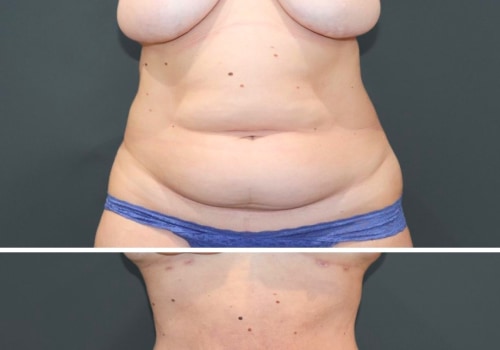
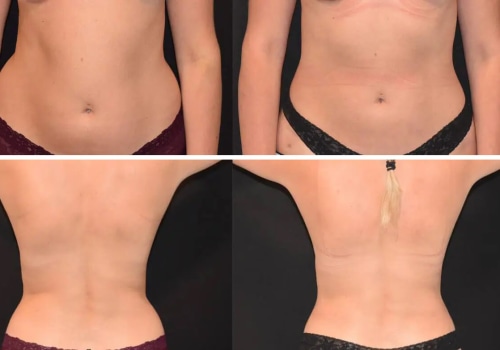
Liposuction is a popular cosmetic surgical procedure designed to remove stubborn fat deposits from various areas of the body. It is particularly sought after by individuals who maintain a stable weight but struggle with localized fat that resists diet and exercise efforts. This procedure is not merely about weight loss; rather, it focuses on contouring the body to achieve a more aesthetically pleasing silhouette. Understanding the intricacies of liposuction is essential for anyone considering this transformative option.The liposuction procedure typically begins with a thorough consultation, where a qualified surgeon evaluates the patient’s health, discusses their goals, and determines the most suitable approach.
During the surgery, small incisions are made in the targeted areas, and a thin tube called a cannula is inserted to suction out excess fat. Various techniques can be employed, including tumescent liposuction, which involves injecting a solution to facilitate fat removal and minimize bleeding. The procedure can be performed under local or general anaesthesia, depending on the extent of fat removal and the patient’s preference.One of the significant During the surgery, small incisions are made in the targeted areas, and a thin tube called a cannula is inserted to suction out excess fat. Various techniques can be employed, including tumescent liposuction, which involves injecting a solution to facilitate fat removal and minimize bleeding. The procedure can be performed under local or general anaesthesia, depending on the extent of fat removal and the patient’s preference.One of the significant benefits of liposuction is its ability to enhance body contours and boost self-confidence. Many patients report feeling more comfortable in their skin post-procedure, as they can achieve a shape that aligns more closely with their aesthetic desires.
Additionally, liposuction can be tailored to target specific areas such as the abdomen, thighs, arms, and even the neck, allowing for personalized results. However, it is crucial to approach this procedure with realistic expectations and an understanding that maintaining a healthy lifestyle post-surgery is vital for long-lasting results.
The Different Types of Liposuction Techniques
Liposuction has evolved significantly over the years, leading to the development of various techniques tailored to meet different patient needs and preferences. Understanding these techniques is crucial for anyone considering liposuction, as each method offers unique benefits and considerations.Tumescent Liposuction
Tumescent liposuction is one of the most commonly performed techniques today. This method involves the injection of a large volume of a saline solution mixed with local anaesthetic and epinephrine into the targeted fat areas before the actual suctioning process begins.The solution causes the fat cells to swell, making them easier to remove while also minimising blood loss and post-operative pain.
- Benefits: Reduced pain and swelling, quicker recovery time, and minimal bruising.
- Considerations: Requires a skilled surgeon to ensure proper technique and dosage of the solution.
Laser-Assisted Liposuction
Laser-assisted liposuction, often referred to as laser lipo, employs laser technology to liquefy fat cells before they are removed. This technique can be particularly effective for smaller areas of fat and is known for its skin-tightening effects due to the heat generated by the laser.- Benefits: Less invasive than traditional methods, promotes skin tightening, and can lead to quicker recovery times.
- Considerations: May not be suitable for larger areas of fat removal and requires specific equipment and expertise.
Ultrasound-Assisted Liposuction
This technique uses ultrasound energy to break down fat cells before they are suctioned out. It is particularly useful for fibrous areas of the body where traditional liposuction may struggle. The ultrasound waves help emulsify the fat, making it easier to remove.- Benefits: Effective for larger volumes of fat and can be used in conjunction with other liposuction techniques.
- Considerations: Potential for longer recovery times due to tissue disruption from ultrasound energy.
It is essential for individuals considering these procedures to consult with a qualified plastic surgeon who can provide personalised recommendations based on their specific body type, goals, and medical history. By understanding these different methods, patients can make informed decisions that align with their aesthetic aspirations.
Who is an Ideal Candidate for Liposuction?
Determining whether you are an ideal candidate for liposuction involves a careful assessment of various factors, including your body type, overall health, and lifestyle choices. Understanding these characteristics can help set realistic expectations and ensure that the procedure aligns with your goals.Body Type and Fat Distribution
The most suitable candidates for liposuction typically have a stable body weight but struggle with localized fat deposits that are resistant to diet and exercise. This means that individuals who are within 30% of their ideal body weight and possess specific areas of stubborn fat—such as the abdomen, thighs, hips, or arms—are often considered ideal candidates.
Liposuction is not designed for significant weight loss; rather, it is intended for body contouring.Liposuction is not designed for significant weight loss; rather, it is intended for body contouring.
Health Status
Your overall health plays a crucial role in determining candidacy for liposuction. Ideal candidates should:
- Be in good physical health without any underlying medical conditions that could complicate surgery or recovery.
- Not be pregnant or breastfeeding, as hormonal changes can affect body fat distribution.
- Have realistic expectations about the outcomes of the procedure.
Lifestyle Factors
A healthy lifestyle is essential for maintaining the results of liposuction. Candidates should ideally:
- Engage in regular physical activity and follow a balanced diet to support their overall health.
- Avoid smoking and excessive alcohol consumption, as these habits can hinder healing and increase the risk of complications.
- Be committed to maintaining their weight post-procedure to prevent new fat deposits from forming in other areas.
Liposuction vs.
Tummy Tuck: Key Differences ExplainedWhen considering body contouring options, understanding the Tummy Tuck: Key Differences ExplainedWhen considering body contouring options, understanding the key differences between liposuction and tummy tucks is essential. Both procedures aim to enhance physical appearance, but they serve distinct purposes and involve different techniques.
Liposuction
is primarily focused on removing stubborn pockets of fat from specific areas of the body. It is ideal for individuals who are close to their target weight but struggle with localized fat deposits that do not respond to diet and exercise. Common treatment areas include:
- Abdomen
- Thighs
- Hips
- Arms
- Back
- Neck and chin
The result is a more contoured silhouette, but it does not address issues related to skin laxity or muscle tone.In contrast, a tummy tuck , or abdominoplasty, is designed to remove excess skin and tighten abdominal muscles. This procedure is particularly beneficial for individuals who have experienced significant weight loss or pregnancy, leading to stretched skin and weakened abdominal muscles. During a tummy tuck, the surgeon removes excess skin and may also perform liposuction to enhance the overall result.The key differences can be summarised as follows:
- Purpose: Liposuction targets fat removal, while a tummy tuck focuses on skin tightening and muscle repair.
- Procedure: Liposuction involves suctioning fat through small incisions; a tummy tuck requires larger incisions to remove skin and tighten muscles.
- Outcomes: Liposuction results in a slimmer appearance, whereas a tummy tuck provides a flatter abdomen with improved muscle tone.
However, if there is considerable loose skin or muscle separation, a tummy tuck would likely yield more satisfying results. Consulting with a qualified plastic surgeon can help determine the most suitable approach based on personal circumstances and desired outcomes.
The Recovery Process After Liposuction
Recovering from liposuction is a crucial phase that significantly impacts the overall results of the procedure. Understanding the recovery timeline and adhering to post-operative care guidelines can help ensure a smoother healing process.Expected Recovery Timeline
The recovery time after liposuction varies depending on the extent of the procedure and individual factors such as age, health, and adherence to post-operative instructions. Generally, patients can expect the following timeline:- First 24-48 hours: This initial period is often marked by swelling, bruising, and discomfort.
Patients are usually advised to rest and avoid strenuous activities.
- 1-2 weeks: Most patients can return to light activities within a week. However, it is essential to avoid heavy lifting or vigorous exercise during this time. Swelling may still be present but will gradually decrease.
- 3-4 weeks: By this stage, many individuals feel significantly better and can resume most normal activities. However, some residual swelling may linger.
- 6 weeks and beyond: Full recovery typically occurs within six weeks, although final results may take several months to fully manifest as swelling subsides completely.
Post-Liposuction Care Tips
To facilitate a successful recovery, patients should follow specific care instructions provided by their surgeon:- Wear Compression Garments: These garments help reduce swelling and support the healing tissues.
It is usually recommended to wear them for several weeks post-surgery.
- Stay Hydrated: Drinking plenty of water aids in recovery and helps flush out toxins from the body.
- Avoid Smoking: Smoking can impede healing and increase the risk of complications. It is advisable to refrain from smoking for at least a few weeks before and after surgery.
- Follow-Up Appointments: Attend all scheduled follow-up visits with your surgeon to monitor your healing progress and address any concerns.
Potential Risks and Complications of Liposuction
While liposuction is a popular cosmetic procedure that can effectively remove stubborn fat deposits, it is essential to be aware of the potential risks and complications associated with the surgery. Understanding these risks can help individuals make informed decisions and prepare adequately for the procedure.One of the most common risks of liposuction is infection.As with any surgical procedure, there is a possibility of bacteria entering the body during the operation, which can lead to serious complications. Patients are advised to follow their surgeon's post-operative care instructions meticulously to minimise this risk.Another significant concern is fluid accumulation , known as seroma. This occurs when fluid builds up in the spaces left by the removed fat cells. In some cases, this fluid may need to be drained through a needle or additional surgery.
Blood clots
are also a potential complication, particularly in patients who have underlying health conditions or those who do not mobilise quickly after surgery.
These clots can travel to the lungs, causing a pulmonary embolism, which can be life-threatening.Additionally, patients may experience asymmetry or uneven results post-surgery. This can occur if fat is not removed evenly from both sides of the body or if the skin does not retract properly after fat removal. In some cases, revision surgery may be necessary to correct these issues.
Nerve damage
is another risk associated with liposuction. Although rare, it can lead to temporary or permanent changes in sensation in the treated areas.
Patients should discuss this risk with their surgeon during consultations.Other potential side effects include swelling , bruising , and pain , which are typically temporary but can vary in intensity from person to person. Some patients may also experience changes in skin texture or contour irregularities.In rare cases, more severe complications such as organ perforation can occur if the cannula used during liposuction penetrates too deeply into the body. This can lead to internal bleeding and requires immediate medical attention.Ultimately, while liposuction can provide significant aesthetic benefits, it is crucial for prospective patients to weigh these against the potential risks and complications. Consulting with a qualified and experienced surgeon will help ensure that individuals are well-informed and prepared for their journey towards body contouring.
Maintaining Results After Liposuction: Lifestyle Changes Needed
Undergoing liposuction can be a transformative experience, offering individuals the opportunity to reshape their bodies and boost their self-esteem.However, the journey does not end once the procedure is complete. To truly maximise the benefits of liposuction, it is essential to adopt a sustainable lifestyle that supports weight maintenance and overall health.
Understanding Weight Maintenance
After liposuction, the body has fewer fat cells in the treated areas. While this can lead to a slimmer appearance, it is crucial to understand that new fat cells can still develop if a healthy lifestyle is not maintained. This means that individuals must be proactive in managing their weight to prevent unwanted fat accumulation in other areas of the body.
Key Lifestyle Changes
- Balanced Diet: Adopting a nutritious diet is fundamental.
Focus on incorporating whole foods such as fruits, vegetables, lean proteins, and whole grains while limiting processed foods high in sugars and unhealthy fats. A well-rounded diet not only aids in weight maintenance but also supports overall health.
- Regular Exercise: Engaging in regular physical activity is vital for maintaining results after liposuction. Aim for a mix of cardiovascular exercises, strength training, and flexibility workouts. This combination helps burn calories, build muscle, and improve metabolism.
- Hydration: Staying adequately hydrated is often overlooked but plays a significant role in weight management.
Drinking plenty of water can help control hunger and support metabolic processes.
- Mindful Eating: Practising mindful eating can prevent overeating. Pay attention to hunger cues and eat slowly to enjoy meals fully. This approach can help individuals make healthier choices and avoid unnecessary snacking.
- Regular Check-ins: Monitoring weight regularly can help individuals stay accountable. Consider keeping a food diary or using apps to track dietary habits and exercise routines.
The Role of Support Systems
Having a support system in place can significantly enhance the likelihood of maintaining results after liposuction.
Whether it’s friends, family, or support groups, sharing goals and challenges with others can provide motivation and encouragement.
Conclusion
The investment made in liposuction should be complemented by a commitment to a healthy lifestyle. By making informed dietary choices, engaging in regular physical activity, and fostering supportive relationships, individuals can preserve their results and enjoy the long-term benefits of their procedure.
Common Myths About Liposuction Debunked
When considering liposuction, it is essential to separate fact from fiction. Numerous myths and misconceptions can cloud the understanding of this procedure, potentially discouraging individuals from pursuing a solution that could enhance their body confidence. Here, we will debunk some of the most common myths surrounding liposuction.- Myth 1: Liposuction is a Weight Loss Solution
Many people believe that liposuction is an effective method for significant weight loss.In reality, liposuction is designed for body contouring and is most effective for individuals who are already at or near their ideal weight but struggle with stubborn fat deposits. It is not a substitute for a healthy lifestyle or a weight loss programme.
- Myth 2: Liposuction Removes All Fat from Treated Areas
Another misconception is that liposuction can completely eliminate fat from specific areas. While the procedure does remove fat cells, it does not guarantee a perfectly smooth or flat appearance. The results can vary based on individual body types and skin elasticity. - Myth 3: Liposuction is a Quick Fix
Some individuals view liposuction as a quick fix for their body image issues.However, it requires careful consideration, preparation, and recovery time. The procedure should be seen as part of a broader commitment to maintaining a healthy lifestyle.
- Myth 4: Liposuction is Only for Women
While women are often the primary candidates for liposuction, men can also benefit from this procedure. In fact, many men seek liposuction to address areas such as the abdomen and love handles, making it a viable option for anyone looking to improve their body contour. - Myth 5: Liposuction Results are Permanent
A common belief is that once fat cells are removed through liposuction, they will never return. While it is true that the fat cells removed during the procedure do not regenerate, new fat can still accumulate in other areas if a healthy lifestyle is not maintained post-surgery.
Understanding the realities of the procedure helps to set realistic expectations and fosters trust in the process.
Conclusion: Making an Informed Decision About Liposuction
In conclusion, the journey towards body contouring through liposuction is one that requires careful consideration and thorough understanding. Throughout this article, we have explored the intricacies of liposuction, its benefits, limitations, and the essential factors to consider before undergoing the procedure.It is crucial to remember that while liposuction can effectively eliminate stubborn fat deposits, it is not a substitute for a healthy lifestyle or a solution for obesity. The procedure is best suited for individuals who are already at or near their ideal weight but struggle with specific areas of fat that resist diet and exercise. Understanding this distinction is vital in setting realistic expectations.Moreover, the importance of consulting with a qualified healthcare provider cannot be overstated.A thorough consultation allows for an assessment of your individual circumstances, including your health history, body composition, and aesthetic goals. During this process, your surgeon can provide insights into:
- The most suitable type of liposuction for your needs
- Potential risks and complications associated with the procedure
- The expected recovery timeline and aftercare requirements
- Realistic outcomes based on your unique body type