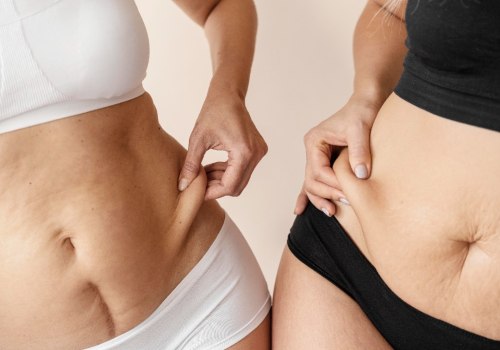
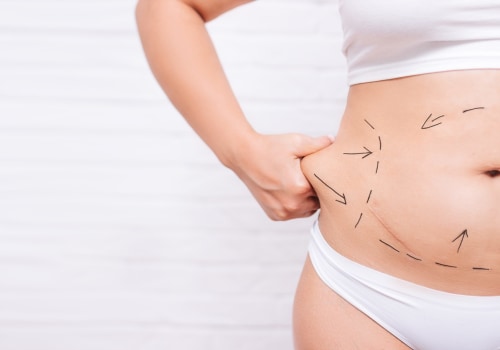
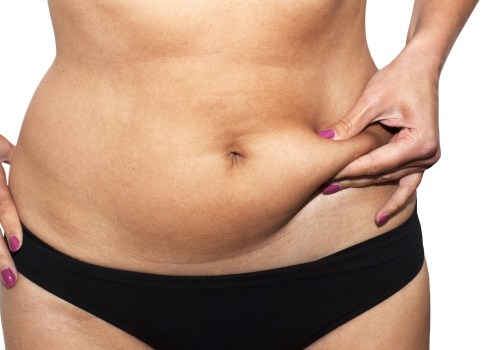
Liposuction is a popular cosmetic procedure designed to remove stubborn fat deposits from various areas of the body, helping individuals achieve a more contoured and sculpted appearance. This surgical technique is not intended as a weight-loss solution but rather as a means to target specific areas where fat tends to accumulate, such as the abdomen, thighs, hips, and arms. By understanding the fundamentals of liposuction, potential candidates can make informed decisions about whether this procedure aligns with their aesthetic goals.The liposuction procedure involves the use of a thin tube called a cannula, which is inserted through small incisions in the skin. The surgeon then uses this cannula to suction out excess fat from the targeted areas.
Various techniques exist within liposuction, including tumescent liposuction, ultrasound-assisted liposuction (UAL), and laser-assisted liposuction (LAL), each offering unique benefits and considerations. The choice of technique often depends on the patient's specific needs and the surgeon's expertise.One of the primary purposes of liposuction is to enhance body contours and proportions, allowing individuals to feel more confident in their appearance. It is particularly effective for those who have maintained a stable weight but struggle with localized fat deposits that resist diet and exercise efforts. However, it is essential to approach liposuction with realistic expectations; while it can significantly improve body shape, it is not a substitute for a healthy lifestyle or a comprehensive weight management plan.As you delve deeper into this article, you will discover more about the candidacy criteria for liposuction, the recovery process, and what to expect during your journey.
Understanding these aspects will empower you to make an educated choice about whether liposuction is the right option for you.
Who is an Ideal Candidate for Liposuction?
Determining whether liposuction is the right choice for you involves understanding the characteristics that define an ideal candidate. While liposuction can be an effective solution for removing stubborn fat deposits, it is not suitable for everyone. Here are the key factors that contribute to being a good candidate for this procedure:- Body Weight: An ideal candidate is typically within 30% of their target body weight. This means that individuals who are significantly overweight or obese may not achieve the desired results from liposuction alone.
Instead, it is recommended that they focus on weight loss through diet and exercise before considering surgical options.
- Skin Elasticity: The condition of your skin plays a crucial role in the outcome of liposuction. Candidates with firm, elastic skin are more likely to experience satisfactory results, as their skin can better conform to the new body contours after fat removal. Conversely, those with loose or sagging skin may not achieve the desired aesthetic results.
- Overall Health: Good overall health is essential for anyone considering liposuction. Candidates should be free from serious medical conditions such as heart disease, diabetes, or respiratory issues that could complicate the surgery or recovery process.
A thorough medical evaluation by a qualified surgeon will help assess your health status.
- Stable Weight: Individuals who have maintained a stable weight for at least six months are often better candidates for liposuction. Those who frequently fluctuate in weight may find that their results are less predictable and could lead to dissatisfaction post-procedure.
- Realistic Expectations: It is vital for candidates to have realistic expectations regarding the outcomes of liposuction. Understanding that this procedure is not a substitute for a healthy lifestyle or a weight-loss solution is crucial. Candidates should aim to enhance their body shape rather than expecting dramatic transformations.
Smoking can hinder healing and increase the risk of complications during and after surgery. Therefore, prospective patients are often advised to quit smoking well in advance of their procedure.Ultimately, the decision to undergo liposuction should be made in consultation with a certified plastic surgeon who can evaluate your individual circumstances and provide tailored advice. By understanding these criteria, you can better determine if you fit the profile of an ideal liposuction candidate.
Medical Considerations Before Undergoing Liposuction
When considering liposuction, it is crucial to understand the medical factors that can influence your candidacy for the procedure. A thorough health assessment is essential to ensure that the surgery is safe and effective.Certain medical conditions can significantly increase the risks associated with liposuction, making it imperative to evaluate your overall health before proceeding.One of the primary concerns is the presence of serious underlying medical conditions. Conditions such as heart disease , diabetes , and liver disorders can complicate the surgical process and recovery. For instance, individuals with heart disease may face increased risks during anaesthesia, while those with diabetes may experience delayed healing and a higher likelihood of infection.Additionally, respiratory issues such as asthma or chronic obstructive pulmonary disease (COPD) can pose challenges during surgery. These conditions may affect your ability to recover properly, as they can hinder oxygen delivery and overall healing.
Therefore, it is vital to disclose any respiratory issues to your surgeon during the consultation.
Obesity
is another significant factor that can disqualify candidates from undergoing liposuction. While liposuction is not a weight-loss solution, it is designed for those who are close to their ideal body weight but struggle with localized fat deposits. If you are significantly overweight, your surgeon may recommend alternative weight-loss methods before considering liposuction.
Smoking
is also a critical consideration. Smokers are at a heightened risk for complications such as poor wound healing and infections post-surgery.
It is advisable for patients to quit smoking well in advance of their procedure to improve their chances of a successful outcome.Before undergoing liposuction, a comprehensive pre-surgery health check will typically include:
- A detailed medical history review
- A physical examination to assess overall health
- Blood tests to evaluate liver function and blood clotting ability
- An assessment of any medications you are currently taking
- A discussion about lifestyle factors such as diet and exercise habits
The Role of Lifestyle Factors in Liposuction Eligibility
When considering liposuction, it is essential to understand that lifestyle factors play a significant role in determining eligibility for the procedure. These factors not only influence the safety of the surgery but also impact the overall results and recovery process.Smoking and Liposuction
One of the most critical lifestyle choices affecting liposuction candidacy is smoking. Smoking can severely hinder the body’s healing process due to its detrimental effects on circulation and oxygen delivery.
Nicotine constricts blood vessels, which can lead to complications such as:
- Increased risk of infection
- Delayed wound healing
- Higher likelihood of scarring
Diet and Exercise Impact on Liposuction
A well-balanced diet and regular exercise are crucial components of a healthy lifestyle that can significantly affect liposuction outcomes. Patients who maintain a stable weight through healthy eating habits are more likely to experience satisfactory results. Here are some key points regarding diet and exercise:
- Stable Weight: Candidates should ideally be within 30% of their ideal body weight.
Significant fluctuations in weight can lead to changes in skin elasticity, which may affect the final appearance post-surgery.
- Nutritional Balance: A diet rich in vitamins, minerals, and proteins supports healing and recovery. Foods high in antioxidants can help reduce inflammation, while adequate protein intake aids in tissue repair.
- Regular Exercise: Engaging in regular physical activity not only helps maintain weight but also improves overall health. Strong muscles and good cardiovascular fitness can enhance recovery times and surgical outcomes.
Consulting with a qualified plastic surgeon will provide tailored advice on how to optimise these lifestyle factors before undergoing liposuction.
Realistic Expectations: What Liposuction Can and Cannot Do
When considering liposuction, it is crucial to have a clear understanding of what the procedure can achieve and its limitations. Many individuals harbour misconceptions about liposuction, often viewing it as a quick fix for weight loss rather than a method for body contouring. This misunderstanding can lead to unrealistic expectations, which may ultimately affect patient satisfaction.Liposuction is not a weight-loss solution.
It is designed to target specific areas of stubborn fat that are resistant to diet and exercise. Ideal candidates are typically those who are close to their target weight but struggle with localized fat deposits.
For instance, individuals may seek liposuction to refine their waistline, thighs, or abdomen, achieving a more sculpted appearance rather than shedding significant pounds.It is essential to set realistic goals before undergoing the procedure. Here are some key points to consider:
- Body Contouring vs. Weight Loss: Liposuction effectively reshapes the body by removing fat from specific areas, but it does not replace a healthy lifestyle. Patients should maintain a balanced diet and regular exercise regimen for optimal long-term results.
- Results Vary: Each individual's body responds differently to liposuction.
Factors such as skin elasticity, age, and overall health can influence the final outcome. Some patients may experience dramatic changes, while others may see more subtle improvements.
- Not a Substitute for Healthy Habits: Liposuction should not be viewed as an alternative to healthy living. Those who continue unhealthy eating habits or lack physical activity post-procedure may find that fat returns to the treated areas.
- Realistic Recovery Expectations: Post-operative recovery varies among individuals. While many return to normal activities within a few weeks, some may experience swelling and bruising that can take time to resolve.
Understanding this timeline is vital for managing expectations.
The Consultation Process: What to Expect
When considering liposuction, the consultation process is a crucial first step that sets the foundation for your surgical journey. This initial meeting with a qualified plastic surgeon allows you to discuss your goals, understand the procedure, and evaluate whether you are a suitable candidate for liposuction.What to Expect During Your Consultation
During your consultation, you can expect a comprehensive evaluation that typically includes the following steps:
- Medical History Review: Your surgeon will ask about your medical history, including any previous surgeries, current medications, and existing health conditions.
This information is vital to assess your overall health and identify any potential risks associated with the procedure.
- Physical Examination: A thorough physical examination will be conducted to assess your body composition, skin elasticity, and specific areas of fat accumulation. This helps the surgeon determine the best approach for your liposuction.
- Discussion of Goals: You will have the opportunity to express your aesthetic goals and expectations. Be open about what you hope to achieve with liposuction, as this will guide the surgeon in tailoring the procedure to meet your needs.
- Explanation of the Procedure: The surgeon will explain how liposuction works, including the techniques used, recovery time, and potential risks. Understanding these aspects is essential for making an informed decision.
- Before-and-After Photos: Many surgeons will show you before-and-after photos of previous patients to give you a realistic idea of what results you can expect.
Questions to Ask Your Surgeon
Preparing questions in advance can help you make the most of your consultation.
Consider asking:
- What is your experience with liposuction procedures?
- What technique do you recommend for my specific case?
- What are the potential risks and complications associated with this procedure?
- How long is the recovery period, and what should I expect during this time?
- Can you provide references or testimonials from previous patients?
Potential Risks and Complications of Liposuction
Liposuction, while a popular cosmetic procedure for body contouring, is not without its potential risks and complications. Understanding these risks is crucial for anyone considering the surgery, as it allows for informed decision-making and realistic expectations.One of the primary concerns associated with liposuction is the risk of infection. As with any surgical procedure, there is a possibility that bacteria can enter the body during the operation, leading to infections that may require additional treatment or even hospitalization.Proper post-operative care and adherence to your surgeon's instructions can significantly reduce this risk.Another potential complication is seroma , which occurs when fluid accumulates in the space where fat was removed. This can lead to swelling and discomfort, and in some cases, may require drainage. Additionally, hematoma , or bleeding under the skin, can occur, resulting in bruising and swelling that may necessitate further intervention.
Scarring
is also a concern with liposuction. Although surgeons strive to make incisions in inconspicuous areas, some patients may experience noticeable scars post-surgery.
The extent of scarring can vary based on individual healing processes and skin types.Furthermore, there are risks associated with the anaesthesia used during the procedure. Reactions to anaesthesia can range from mild to severe and may include respiratory issues or allergic reactions. It is essential to discuss any previous reactions to anaesthesia with your surgeon prior to the procedure.In rare cases, patients may experience more severe complications such as fat embolism , where fat particles enter the bloodstream and travel to the lungs or other organs, potentially causing serious health issues. This underscores the importance of choosing a qualified and experienced surgeon who adheres to safety protocols.Lastly, it’s important to note that liposuction is not a weight-loss solution but rather a method for contouring specific areas of the body.
Patients who have unrealistic expectations about their results may be disappointed, leading to psychological distress post-surgery.In conclusion, while liposuction can offer significant aesthetic benefits, it is vital for prospective patients to thoroughly understand the potential risks and complications involved. Consulting with a certified plastic surgeon who can provide detailed information tailored to your individual health profile is essential for ensuring a safe and successful outcome.
Post-Operative Care and Recovery After Liposuction
Recovering from liposuction is a crucial phase that significantly impacts the overall results of the procedure. Understanding what to expect during this time and how to care for yourself can lead to a smoother healing process and optimal outcomes.Immediately after the surgery, patients may experience swelling, bruising, and discomfort in the treated areas. These symptoms are normal and typically subside within a few weeks.However, it is essential to follow specific post-operative care guidelines to facilitate recovery.
Post-Operative Care Tips
- Rest and Recovery: Ensure you have ample time to rest after your procedure. Avoid strenuous activities and heavy lifting for at least two weeks, as these can strain your body and hinder healing.
- Compression Garments: Wearing a compression garment as advised by your surgeon is vital. This helps reduce swelling and supports the new contours of your body. Follow your surgeon's instructions regarding how long to wear it.
- Hydration: Staying well-hydrated is essential for recovery.
Drink plenty of water to help flush out toxins and support your body's healing processes.
- Pain Management: Your surgeon will likely prescribe pain medication or recommend over-the-counter options. Take these as directed to manage discomfort effectively.
- Follow-Up Appointments: Attend all scheduled follow-up visits with your surgeon. These appointments are crucial for monitoring your recovery and addressing any concerns that may arise.
- Healthy Diet: Eating a balanced diet rich in vitamins and minerals can aid in healing. Focus on foods high in protein, fruits, and vegetables to support tissue repair.
If you experience excessive pain, unusual swelling, or signs of infection such as fever or discharge from the incision sites, contact your surgeon immediately.The timeline for recovery varies among individuals but generally includes:
- First Week: Most swelling and bruising will peak during this time. You may feel fatigued but should be able to resume light activities.
- Two to Four Weeks: Many patients return to work within one to two weeks, depending on their job's physical demands. Swelling will gradually decrease, revealing initial results.
- One Month and Beyond: By this stage, most patients can resume normal activities, including exercise. Final results may take several months as residual swelling continues to subside.
By adhering to your surgeon's guidelines and taking proactive steps in your care, you can enhance your healing process and enjoy the benefits of your new body contours.
Alternatives to Liposuction: Other Body Contouring Options
While liposuction is a popular choice for body contouring, it is not the only option available. Many individuals may seek alternatives due to various reasons, including personal preferences, health considerations, or the desire for non-invasive procedures. Below, we explore several alternatives to liposuction that can effectively help in achieving desired body contours.Non-Surgical Body Contouring Options
Non-surgical body contouring methods have gained popularity in recent years due to their minimal downtime and reduced risk of complications. Here are some of the most common non-invasive options:- Cryolipolysis (CoolSculpting) : This technique involves freezing fat cells, which causes them to die off gradually.
The body then naturally eliminates these dead cells over time. CoolSculpting is particularly effective for small areas of stubborn fat, such as love handles or belly bulges.
- Ultrasound Fat Reduction : This method uses ultrasound technology to target and break down fat cells without harming surrounding tissues. It is a painless procedure that can be used on various body parts, including the abdomen and thighs.
- Radiofrequency Treatments : Radiofrequency energy heats the skin and underlying fat layers, promoting collagen production and tightening the skin while reducing fat. This method is often used for body areas that require both fat reduction and skin tightening.
- Injection Lipolysis : This involves injecting substances like deoxycholic acid directly into the fat deposits, which helps dissolve fat cells.
It is commonly used for smaller areas such as double chins.
When to Consider Non-Surgical Options
Non-surgical body contouring options may be more appropriate than liposuction in certain situations:- If you are looking for a less invasive procedure with minimal recovery time.
- If you have a lower volume of fat to remove and prefer a gradual change rather than immediate results.
- If you have health concerns that make surgical procedures risky.
- If you want to avoid general anaesthesia or the risks associated with surgery.
<strong>Conclusion</strong>: Is Liposuction Right for You?
In conclusion, the decision to undergo liposuction is a significant one that requires careful consideration of various factors. Throughout this article, we have explored the essential criteria that determine whether an individual is a suitable candidate for this procedure. Understanding these criteria is crucial for anyone contemplating liposuction, as it can help set realistic expectations and ensure a safe surgical experience.Liposuction Summary
- Liposuction is not a weight-loss solution but rather a method to target specific areas of stubborn fat.
- Ideal candidates are typically within 30% of their ideal body weight and possess firm, elastic skin.
- Individuals with serious medical conditions, such as heart disease or diabetes, may face increased risks during the procedure.
- Smoking can complicate recovery and increase the likelihood of complications, making it advisable to quit before considering surgery.
- Maintaining a stable weight and healthy lifestyle is essential for achieving long-lasting results from liposuction.
Final Thoughts on Liposuction
Liposuction can be an effective way to enhance body contours and boost self-confidence when performed on the right candidates.
However, it is vital to approach this procedure with a clear understanding of its limitations and potential risks. Consulting with a qualified plastic surgeon is an essential step in this process. They will evaluate your health history, discuss your goals, and help you determine if liposuction aligns with your expectations.
Making an Informed Decision About Liposuction
Ultimately, making an informed decision about liposuction involves more than just understanding the procedure itself; it requires introspection about your motivations and lifestyle. Consider whether you are prepared to commit to maintaining a healthy lifestyle post-surgery, as this will significantly impact your results.
Remember that liposuction should complement a balanced diet and regular exercise rather than serve as a substitute for them.In summary, if you are considering liposuction, take the time to educate yourself thoroughly about the procedure and consult with experienced professionals who can guide you through the process. This careful approach will empower you to make the best choice for your body and well-being.